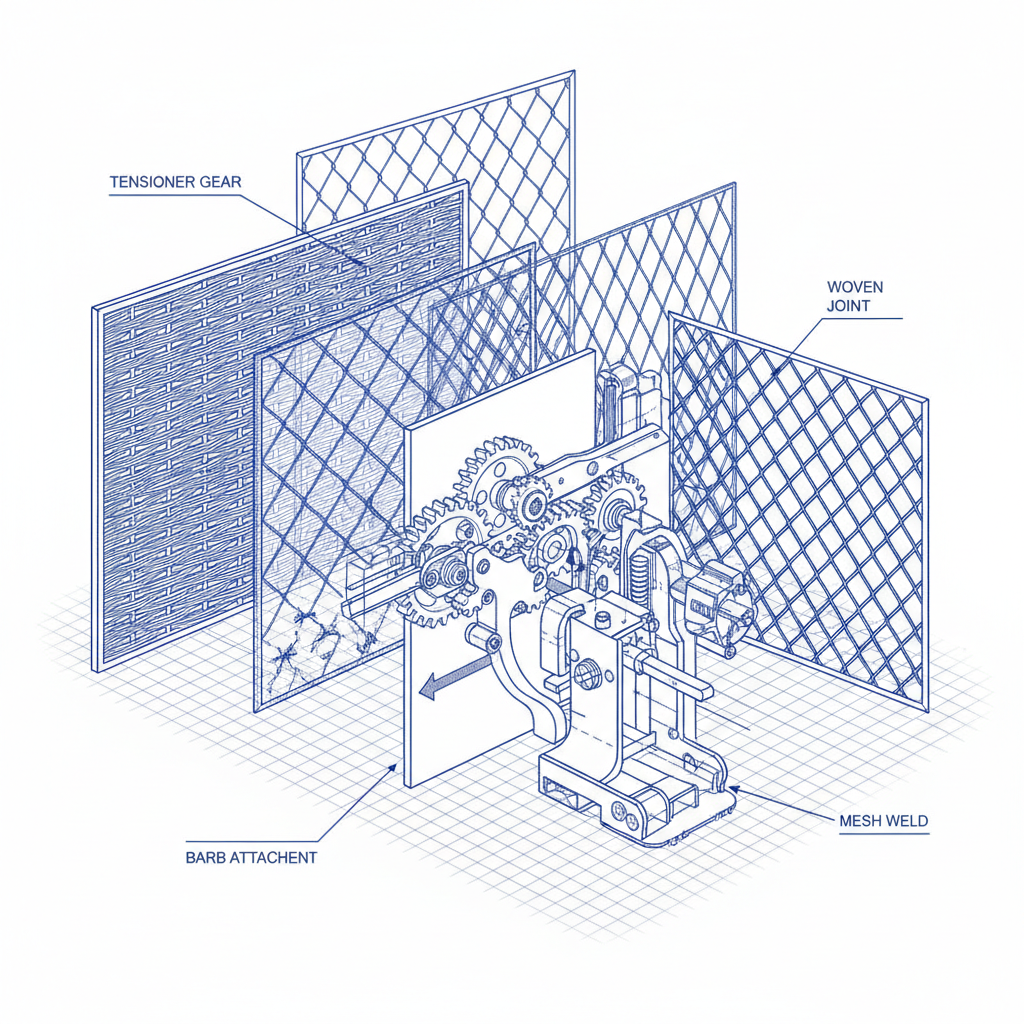
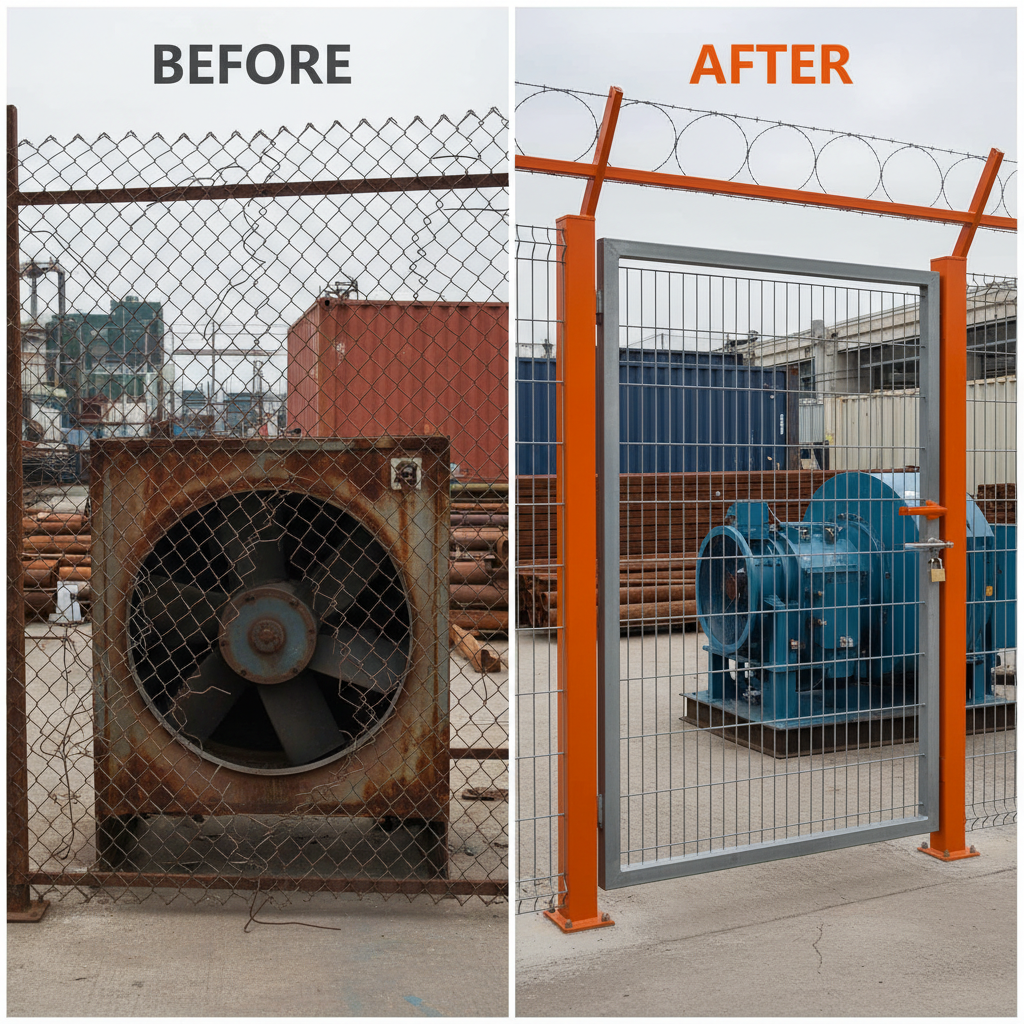
The global demand for durable perimeter security and specialized screening solutions has led to the widespread adoption of high-performance wire products. Among these, pvc coated wire mesh fencing stands out as a critical engineering solution that combines the structural strength of galvanized steel with the environmental resilience of polymer coatings. By integrating these materials, industries can achieve a balance between rigorous security standards and long-term aesthetic maintenance.
In many industrial and coastal environments, standard metal fencing fails prematurely due to oxidation and chemical corrosion. The implementation of a high-quality PVC layer acts as a primary shield, preventing moisture and salt from penetrating the core wire, which significantly extends the lifecycle of the installation. This technological approach reduces the total cost of ownership by minimizing the need for frequent replacements and manual painting.
Understanding the technical specifications of pvc coated wire mesh fencing—from the mesh count per inch to the specific micron size of the openings—is essential for engineers and procurement officers. Whether the goal is high-security containment or precise filtration, selecting the correct weave type and coating process ensures that the product performs optimally under the specific stressors of its operating environment.
The Technical Composition of PVC Coated Wire Mesh Fencing
The structural integrity of pvc coated wire mesh fencing begins with the core wire selection and the weaving process. Depending on the intended environment, the core can be galvanized before weaving or after weaving, providing an initial layer of zinc protection before the PVC coating is applied. This dual-layer protection system ensures that even if the outer polymer shell is scratched, the underlying galvanized steel remains resistant to rust.
Furthermore, the flexibility of the design is evident in the various selvage types available, such as returned, flash/open, or closed/welded selvages. These edge treatments prevent the mesh from unraveling and ensure a secure fit during installation, making the product adaptable for a wide range of architectural and industrial security needs.
Industry Standards for Corrosion Resistance
In the global manufacturing sector, corrosion is the primary enemy of metal longevity. Standards set by ISO and other international bodies emphasize the importance of surface treatment in harsh environments. The use of pvc coated wire mesh fencing addresses this challenge by creating a non-reactive barrier between the steel and atmospheric pollutants, such as sulfur dioxide and chloride ions found in marine air.
The effectiveness of the coating is measured by its adhesion and thickness. A uniform PVC application prevents "under-film corrosion," a common failure in poorly coated products where moisture seeps beneath the plastic layer. By utilizing precision coating technology, manufacturers ensure that every intersection of the weave is fully encapsulated, eliminating potential weak points.
This focus on material science transforms a simple wire fence into a long-term asset. By adhering to strict galvanized-then-coated protocols, the industry provides solutions that can withstand decades of exposure without requiring the intensive maintenance associated with traditional painted or raw steel fences.
Functional Benefits of Polymer Coatings
One of the primary functional advantages of pvc coated wire mesh fencing is the ability to customize the visual and tactile properties of the security barrier. Unlike galvanized wire, which has a sterile industrial look, PVC coatings come in various colors, allowing fences to blend into natural landscapes or meet specific corporate branding requirements without compromising strength.
Beyond aesthetics, the polymer layer provides a critical safety benefit by smoothing the sharp edges of the wire. This makes pvc coated wire mesh fencing significantly safer for use in residential areas, animal enclosures, and public spaces where accidental contact with the mesh is likely, reducing the risk of cuts and abrasions.
The chemical resistance of PVC also makes it an ideal choice for agricultural and chemical processing plants. It can withstand exposure to acidic fertilizers and various industrial cleaning agents that would otherwise strip away standard zinc coatings, ensuring the fence remains structurally sound in the most aggressive chemical environments.
Performance Analysis Across Mesh Specifications
The performance of a mesh system is dictated by its geometry. For pvc coated wire mesh fencing, the relationship between the wire diameter and the opening size determines the "Open Area" percentage. A higher open area allows for better visibility and airflow, while a tighter mesh provides a more effective barrier against smaller intruders or debris.
Precision in micron sizing is essential for specialized applications. For instance, a mesh count of 40 per inch with a 0.254mm wire diameter provides a specific balance of transparency and strength, whereas a 10-mesh count offers heavy-duty structural support. These parameters allow engineers to calculate exactly how much load the fence can bear and what level of filtration it can provide.
Comparison of Performance Metrics for PVC Coated Mesh Variants
Global Applications and Deployment Scenarios
Around the world, pvc coated wire mesh fencing is utilized in diverse settings. In coastal regions of Southeast Asia and Northern Europe, where salt spray accelerates metal decay, these fences are the gold standard for protecting port facilities and shoreline infrastructure. The PVC layer prevents the saline air from initiating the pitting corrosion that typically destroys uncoated steel.
In agricultural sectors across North America and Australia, this mesh is deployed for livestock containment and crop protection. The ability to customize the mesh count ensures that fences are tight enough to prevent pest entry while remaining flexible enough to handle the physical pressures of large animals. Its non-toxic coating also ensures that it does not contaminate soil or harm animals upon contact.
Quality Control and Packaging Logistics
Ensuring the product arrives in perfect condition is as important as the manufacturing process itself. Because the PVC coating can be susceptible to punctures or abrasions during transit, specialized packaging is employed for pvc coated wire mesh fencing. Options include waterproof paper combined with plastic film to prevent moisture ingress and protect against surface scratches.
For bulk international shipments, the use of wooden or iron pallets ensures structural stability, preventing the mesh rolls from collapsing or warping under their own weight. This logistical rigor ensures that when the product reaches the job site, the coating remains intact and the weave geometry is preserved, allowing for immediate installation.
Custom packaging solutions are also available to meet specific client needs, whether they require small carton boxes for retail distribution or heavy-duty industrial crates for remote mining site deployments. This attention to detail reflects a commitment to quality that spans from the factory floor to the final installation.
Comparison of Coating Methods and Durability
Selecting the right weave and coating sequence is pivotal for the longevity of the installation. For pvc coated wire mesh fencing, the "galvanized before weaving" method provides a consistent base of protection, while "galvanized after weaving" ensures that the weld points—often the most vulnerable areas—are fully sealed before the PVC layer is applied.
The durability of the final product is a result of this layering. When the PVC is applied after the galvanization process, it creates a composite material that handles thermal expansion and contraction better than single-layer coatings. This prevents the coating from cracking during extreme temperature swings, which is common in continental climates.
The following table summarizes the technical specifications and the resulting performance based on the mesh count and wire diameter, providing a clear guide for selection based on project requirements.
Technical Performance Analysis of PVC Coated Wire Mesh Specifications
|
Mesh Count (Per Inch)
|
Wire Diameter (mm)
|
Open Area (%)
|
Durability Score (1-10)
|
| 8 Mesh |
0.711 mm |
60.2% |
10 |
| 14 Mesh |
0.508 mm |
51.8% |
9 |
| 20 Mesh |
0.406 mm |
46.2% |
8 |
| 30 Mesh |
0.330 mm |
17.2% |
7 |
| 40 Mesh |
0.254 mm |
36.0% |
6 |
| 60 Mesh |
0.1905 mm |
30.3% |
5 |
FAQS
The primary advantage is the added layer of chemical and environmental protection. While galvanization provides a zinc barrier, PVC creates an impermeable polymer shell that prevents salt, acids, and moisture from reaching the metal core. This significantly reduces the risk of rust and extends the product's lifespan in harsh environments, while also offering aesthetic flexibility through various color options.
Generally, a lower mesh count (e.g., 8 or 10) uses thicker wire diameters, which results in higher structural strength and impact resistance, making it ideal for heavy-duty security. Higher mesh counts (e.g., 40 or 60) use thinner wires, which are better for filtration, screening, or preventing small animals/insects from passing through, but offer less physical resistance to heavy force.
Yes, customization is a core feature. Clients can specify the weave type (galvanized before or after weaving), the selvage type (returned, open, or welded), the wire diameter, and the mesh opening size. Additionally, other materials or non-standard sizes can be requested to meet the precise engineering requirements of a specific project or industry.
To protect the PVC coating and the mesh geometry, several options are available: waterproof paper combined with plastic film for moisture and scratch protection, wooden or iron pallets for structural stability during transit, and sturdy carton boxes for smaller quantities. These ensure the product arrives without punctures or deformations.
Yes, it is highly recommended for animal enclosures. The PVC coating smooths out the sharp edges of the galvanized wire, reducing the risk of injury to livestock or pets. Furthermore, the coating prevents the animals from coming into direct contact with the metal, which can be beneficial in preventing certain types of corrosion caused by animal waste.
A returned selvage is often preferred for flexibility and ease of wrapping around posts. In contrast, a welded or closed selvage provides maximum rigidity and prevents the mesh from unraveling under tension. The choice depends on whether your installation requires a seamless, rigid edge or a more adaptable, wrap-around finish.
Conclusion
The strategic integration of PVC coating with galvanized wire mesh provides an unparalleled solution for modern fencing and screening needs. By combining mechanical strength, corrosion resistance, and safety, pvc coated wire mesh fencing effectively addresses the challenges of extreme environments and rigorous industrial standards. From the precision of the mesh count to the security of the packaging, every technical detail contributes to a product that delivers long-term value and reliability.
As global infrastructure continues to expand into more challenging climates, the shift toward high-durability, low-maintenance materials will only accelerate. Investing in a properly specified PVC-coated system is not merely a purchase of fencing, but a commitment to sustainable asset protection. For those seeking professional-grade security and filtration solutions, visiting our website at www.tikemetal.com is the first step toward finding the perfect technical match for your project.