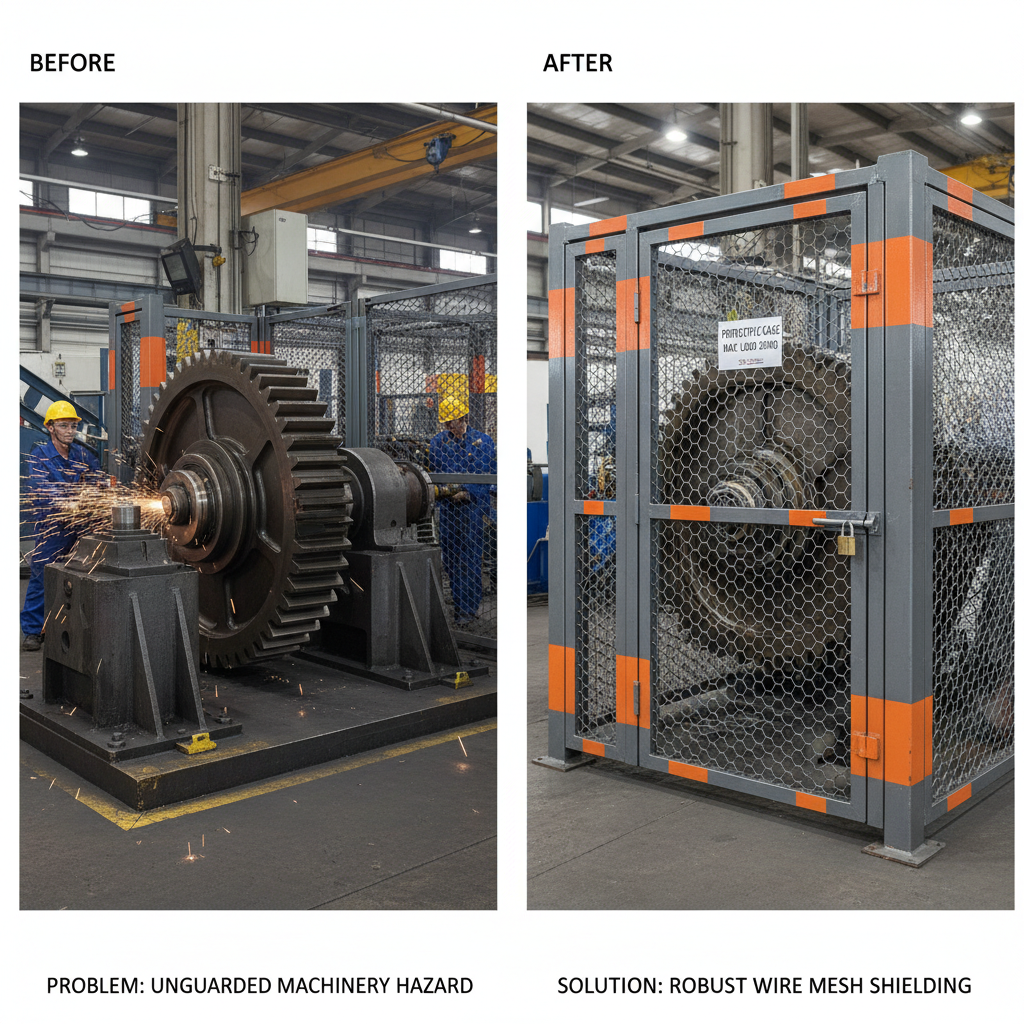
The global demand for high-performance industrial flooring and structural reinforcement has led to the widespread adoption of specialized metal surfaces. Among these, the integration of anti-slip textures and corrosion-resistant coatings is paramount for ensuring safety in high-traffic industrial environments. Understanding the synergy between material strength and surface treatment is essential for engineers and procurement specialists seeking long-term reliability.
In the context of modern infrastructure, the need for materials that can withstand extreme environmental stress—such as chemical exposure and mechanical wear—has never been greater. Whether in chemical plants or maritime docks, the selection of a surface that prevents accidents while resisting degradation is a critical safety requirement. This drive for durability has pushed the industry toward advanced stainless steel solutions and specialized coatings.
While many projects traditionally utilize pvc welded wire for fencing and containment, the same principles of protection and durability apply to heavy-duty surfaces like stainless steel checker plates. By combining the structural integrity of grades like 304 and 316 with embossed anti-slip patterns, industries can achieve a level of safety and longevity that exceeds standard carbon steel alternatives.
Material Composition and Engineering of Checker Plates
Stainless steel checker plates are engineered through a rigorous process involving cold rolling sheets and hot rolling stainless steel sheets. The core of their functionality lies in the embossing process, which transforms a flat sheet into a high-traction surface. This structural modification ensures that the plate maintains its integrity under heavy loads while providing the necessary friction to prevent slips.
The versatility of these plates is further enhanced by the variety of stainless steel grades available, ranging from 201 and 304 to the highly corrosion-resistant 316L and 310S. This allows engineers to tailor the material selection to the specific chemical and thermal environment of the installation site, ensuring that the material does not compromise under pressure.
The Role of Anti-Slip Patterns in Industrial Safety
The primary objective of utilizing checker plates is the drastic reduction of slip-and-fall accidents in industrial zones. By integrating diamond-shaped patterns, lentil patterns, or 5-bar patterns, the surface creates a mechanical interlock with footwear, which is essential in environments where oil, water, or chemicals are frequently present.
These patterns are not merely decorative; they are functional safety features. The diamond pattern remains the most popular globally due to its balanced distribution of pressure and superior grip. In contrast, T-patterns and leaf patterns offer specialized traction for different types of industrial debris or specific liquid runoff requirements.
When compared to the protective nature of pvc welded wire in perimeter security, checker plates provide the internal safety layer. While one secures the boundary, the other secures the walkway, together creating a comprehensive safety ecosystem for the facility.
Corrosion Resistance and Grade Selection
Selecting the correct grade of stainless steel is the most critical decision for ensuring the longevity of the installation. For standard indoor applications, Grade 201 or 430 may suffice, but for environments exposed to salt spray or acidic vapors, Grade 316L is the gold standard due to its molybdenum content.
Just as a pvc welded wire system relies on its coating to prevent rust, the checker plate relies on its chromium-oxide passive layer. This layer prevents oxidation and ensures that the plate remains anti-rust and durable even in alkaline environments.
The ability to resist high temperatures further distinguishes these plates from plastic or rubber alternatives. Stainless steel checker plates maintain their structural rigidity and anti-skid properties even when exposed to extreme heat, making them indispensable for foundries and boiler rooms.
Dimensional Specifications and Load Bearing
The physical dimensions of checker plates are optimized for ease of installation and maximum load distribution. Common sizes such as 48" x 96" and 60" x 120" allow for wide coverage with fewer joints, which reduces the potential for weak points in the flooring.
Thickness is the primary determinant of the plate's load-bearing capacity. Ranging from 1.0mm to 4.0mm (or .125" to .375" in imperial units), the thickness is chosen based on whether the plate is used as a decorative cladding, a pedestrian walkway, or a heavy-duty vehicle ramp.
Durability Performance Rating of Various Metal Surface Solutions
Global Applications of High-Durability Metal Surfaces
Across the globe, stainless steel checker plates are utilized in sectors where safety is non-negotiable. In the maritime industry, these plates are installed on ship decks and piers to ensure crew safety against slippery salt-water surfaces. In the food and pharmaceutical industries, Grade 304 and 316 plates provide a hygienic, easy-to-clean surface that resists corrosive cleaning agents.
Furthermore, in heavy industrial zones and mining operations, these plates are used for stair treads and catwalks. Similar to how pvc welded wire is used to secure livestock and industrial equipment, checker plates secure the human element of the operation by providing a stable, non-slip foundation.
Maintenance Efficiency and Long-Term Lifecycle
One of the most significant advantages of stainless steel checker plates is the minimum maintenance required. Unlike painted or coated carbon steel, which requires periodic sanding and repainting to prevent rust, stainless steel maintains its protective layer naturally.
The durability of these plates translates directly into a lower total cost of ownership (TCO). Although the initial investment for a 316L plate is higher than that of a galvanized alternative, the elimination of corrosion-related replacements and the reduction in liability from slip-and-fall accidents provide immense long-term value.
Moreover, the resilience of the embossed patterns ensures that the anti-skid performance does not degrade quickly over time. Even under constant foot traffic or light vehicle movement, the diamond and lentil patterns retain their height and effectiveness, ensuring consistent safety for years.
Comparative Analysis of Stainless Steel Surface Types
When deciding between different checker plate configurations, it is essential to analyze the trade-off between traction, weight, and cost. For instance, a thicker plate (.375") offers maximum stability but increases the dead load of the structure, which may be a concern for elevated walkways.
The choice of pattern also plays a role in performance. While diamond patterns are versatile, the 5-bar pattern is often preferred in environments with heavy sludge or mud, as the wider grooves allow for better debris clearance, maintaining a safer grip for the user.
Ultimately, the synergy between the material grade and the pattern creates a specialized tool for industrial safety. Whether it is the anti-rust capabilities of 316L or the high-traction of a diamond emboss, these plates are a cornerstone of modern industrial engineering.
Comparison of Stainless Steel Checker Plate Specifications
| Thickness (Inches) |
Standard Size (Inches) |
Weight per Sq. Ft. |
Primary Use Case |
| .125 |
48 x 96 |
6.15 |
Light Pedestrian Walkways |
| .125 |
48 x 120 |
6.15 |
Interior Safety Flooring |
| .1875 |
48 x 96 |
8.70 |
Industrial Stair Treads |
| .1875 |
60 x 120 |
8.70 |
Commercial Loading Docks |
| .250 |
48 x 120 |
11.25 |
Heavy Machinery Platforms |
| .375 |
48 x 120 |
16.5 |
Vehicle Ramp Surfaces |
FAQS
Technically, they are the same. "Diamond plate" refers to the specific diamond-shaped pattern embossed on the surface, while "checker plate" or "tread plate" is the general industrial term for any metal sheet with a raised pattern for anti-slip purposes. Both are used to enhance safety and decorative appeal in industrial settings.
For saltwater or marine environments, Grade 316L is highly recommended. The addition of molybdenum provides superior resistance to chloride-induced pitting and crevice corrosion, which would quickly degrade Grade 304 or 201 stainless steel. This ensures the plate remains structural and safe over a long period.
Thickness selection depends on the load requirements. For light pedestrian traffic, .125" is usually sufficient. For industrial stairs or areas with frequent cart movement, .1875" is standard. For heavy vehicle traffic or high-impact zones, thicknesses of .250" to .375" are required to prevent warping and ensure stability.
It depends on the application. Stainless steel plates offer unmatched load-bearing capacity and heat resistance. PVC coated solutions, like pvc welded wire, are better for lightweight containment, fencing, and areas where flexibility and chemical softness are needed. For flooring, stainless steel is the only viable heavy-duty option.
Yes, absolutely. Stainless steel is the preferred material for food processing due to its non-porous surface and resistance to corrosive cleaning chemicals. Grade 304 is the industry standard, while Grade 316 is used in more aggressive environments (like brine processing) to ensure hygiene and longevity.
Maintenance is minimal. Regular cleaning to remove accumulated grease, oil, or debris from the grooves of the patterns is the most important step. Because stainless steel doesn't rust, you don't need to worry about paint peeling or coating failure affecting the traction of the surface.
Conclusion
Stainless steel checker plates represent a critical intersection of material science and industrial safety. By leveraging the inherent properties of high-grade stainless steel and the mechanical advantage of embossed anti-slip patterns, these plates provide a durable, low-maintenance, and highly reliable solution for the world's most demanding environments. From the precise selection of grades like 316L for corrosion resistance to the strategic choice of thickness for load-bearing, every specification contributes to a safer workplace.
As industrial standards continue to evolve toward higher safety and sustainability benchmarks, the reliance on long-life materials will only increase. Investing in high-quality metal surfaces not only reduces the risk of workplace accidents but also optimizes operational costs over the long term. For those seeking comprehensive metal solutions, from heavy-duty flooring to protective pvc welded wire systems, quality craftsmanship remains the key to industrial success. Visit our website: www.tikemetal.com