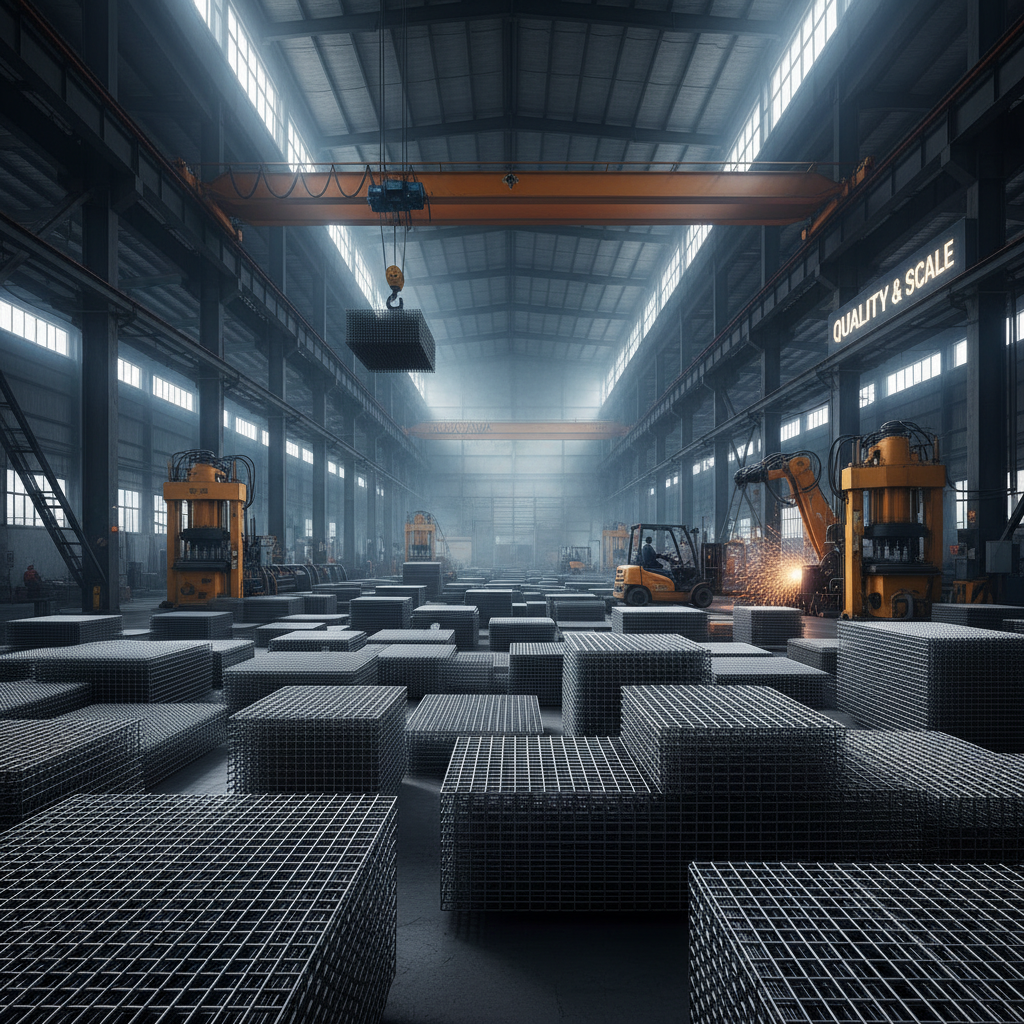
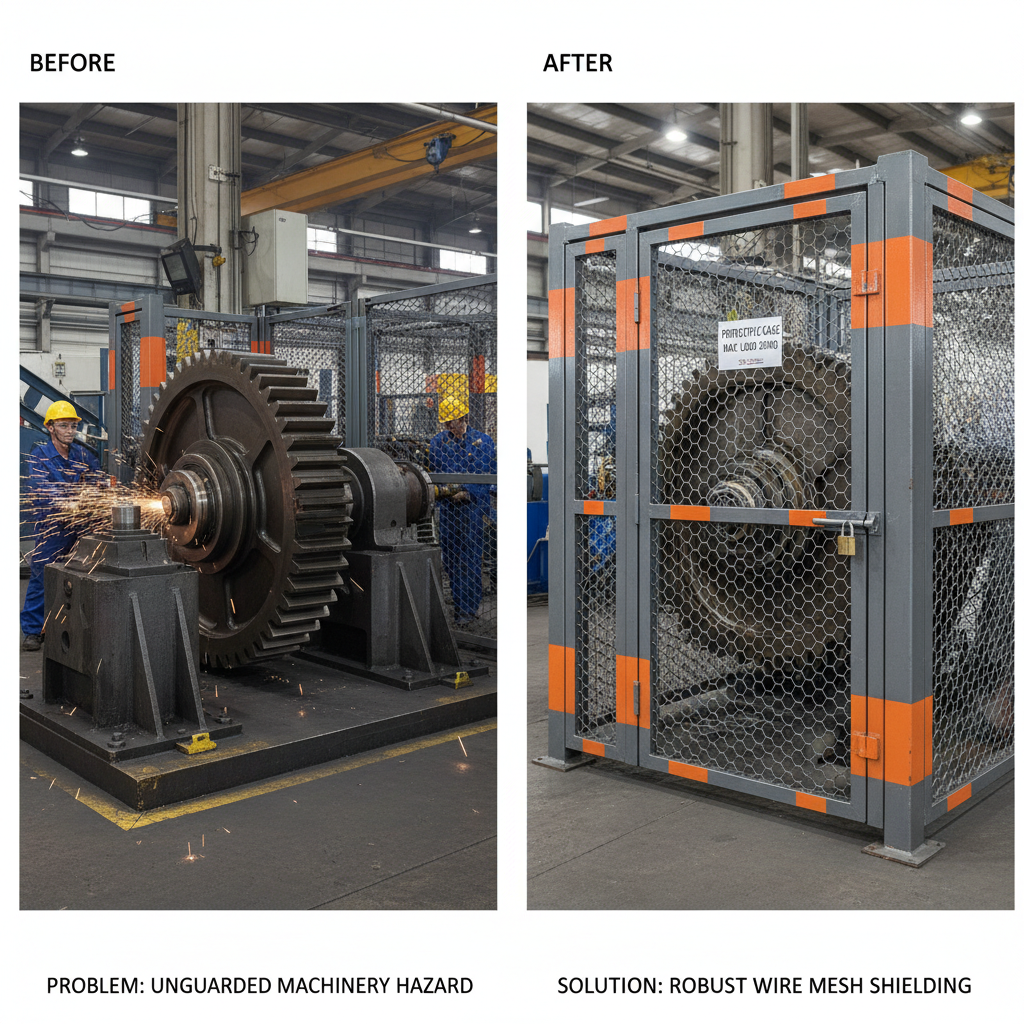
The global demand for sustainable erosion control and structural stabilization has led to the widespread adoption of specialized mesh solutions. Among these, the use of a pvc covered wire mesh has become a benchmark for projects requiring high durability in aggressive environments. By combining the strength of galvanized steel with the protective qualities of polymer coatings, these systems offer a long-term solution for infrastructure protection.
From riverbank stabilization to coastal defense engineering, the integration of polymer-coated materials ensures that structures can withstand the corrosive nature of water and the physical impact of debris. The shift toward these advanced materials is driven by the need to reduce maintenance costs and extend the design life of civil engineering projects. Understanding the technical specifications and application methods of these mesh systems is essential for engineers and procurement specialists alike.
Whether implementing Reno mattresses or gabion boxes, the selection of a pvc covered wire mesh provides a critical layer of defense against shear forces and differential settlement. This combination of flexibility and strength ensures that the protective layer remains intact even under extreme pressure, making it a superior choice compared to traditional rip-rap or uncoated welded mesh.
The Engineering Logic of PVC Covered Wire Mesh
The primary engineering goal of using a pvc covered wire mesh is to create a barrier that is both structurally rigid and chemically inert. In watercourses, the interaction between oxygen, water, and metal leads to rapid oxidation; however, the polymer coating acts as a hermetic seal, preventing corrosive agents from reaching the galvanized steel core. This dual-layer protection—galvanization and PVC coating—significantly extends the lifespan of the installation.
Furthermore, the double-twist woven design often paired with these coatings allows the mesh to accommodate differential settlement. Unlike welded grids that may rupture under the weight of shifting soil or the impact of suspended debris, the woven structure redistributes stress across the entire network. This ensures that the protective layer does not "unzip," maintaining the integrity of the stone fill even in high-velocity flow environments.
Global Standards and Environmental Necessity
In the context of global infrastructure, the prevention of soil erosion and riverbank collapse is a critical priority for organizations following ISO 14000 environmental standards. The use of pvc covered wire mesh is not merely a preference but a necessity in saline or acidic water environments where standard galvanization would fail prematurely. International civil engineering projects now prioritize materials that minimize the frequency of replacement, thereby reducing the carbon footprint associated with repeated construction.
The challenge lies in the dynamic nature of riverbeds and coastal zones. High-flow currents and fluctuating water levels create shear forces that can displace traditional rip-rap stones. By enclosing these stones within a polymer-coated mesh, engineers can achieve a shear resistance that is twice that of loose stone layers. This efficiency allows for lower profile structures that provide superior protection without disrupting the natural aesthetics of the waterway.
Furthermore, the adoption of these systems aligns with global efforts to manage flood discharge and diversion dams more effectively. By utilizing a pvc covered wire mesh, procurement departments ensure that the infrastructure can withstand the impact of debris during flood events, providing a reliable defense mechanism that protects nearby residential and industrial zones from catastrophic soil loss.
Core Components of High-Strength Mesh Systems
The efficacy of a pvc covered wire mesh depends on the synergy between its three main components: the core wire, the zinc coating, and the polymer exterior. The core is typically high-strength galvanized steel or Galfan wire, providing the necessary tensile strength to hold heavy stone loads. This core ensures that the structure maintains its shape under the pressure of the fill material.
The second layer consists of hot-dipped galvanization or electro-galvanizing, which provides the first line of defense against rust. When this is further enveloped in a high-quality PVC coating, the result is a pvc covered wire mesh that is virtually impervious to the corrosive effects of saltwater and industrial pollutants, making it indispensable for port engineering and coastal defense.
Finally, the mesh geometry—specifically the double-twist weave—is what separates these professional systems from basic fencing. This structural choice ensures that if one wire is cut or damaged, the rest of the mesh remains stable. This reliability is why the pvc covered wire mesh is the preferred choice for Reno mattresses used in high-flow river channels.
Performance Metrics in Erosion Control
Evaluating the performance of erosion control systems requires a look at shear resistance and adaptability. Traditional methods often struggle with differential settlement, where the ground shifts unevenly, leading to gaps in the protection layer. A pvc covered wire mesh in a Reno mattress configuration solves this by conforming to the uneven terrain, ensuring a consistent level of protection across the entire surface area.
When comparing various installation methods, the polymer-coated woven mesh consistently outperforms welded alternatives in dynamic environments. While welded mesh is rigid, the woven nature of the PVC-covered system allows it to absorb energy from water flow and debris impacts without rupturing. This flexibility, combined with the corrosion resistance of the coating, results in a significantly longer design life for the infrastructure.
Comparative Efficiency of Erosion Control Systems
Global Applications and Use Cases
The application of pvc covered wire mesh spans across multiple continents, particularly in regions prone to heavy monsoon rains or coastal erosion. In Southeast Asia and Africa, these systems are used extensively for bridge protection and riverbank stabilization to prevent the loss of arable land. The ability to transport the mesh in rolls and fill it on-site with local stone makes it an economical and practical choice for remote industrial zones.
In addition to water management, these mesh systems are employed in road protection and retaining walls. By utilizing the high-strength properties of the polymer-coated wire, engineers can create flexible retaining structures that hold back soil while allowing water to drain through, reducing the hydrostatic pressure that often causes concrete walls to crack. This versatility makes the pvc covered wire mesh a staple in modern civil engineering.
Long-Term Value and Sustainability
From a B2B procurement perspective, the long-term value of investing in a pvc covered wire mesh lies in the drastic reduction of maintenance overhead. While the initial cost may be higher than uncoated wire, the extended design life means that the cost per year of service is significantly lower. This reliability is critical for government contracts and large-scale infrastructure projects where downtime for repairs is not an option.
Sustainability is also a key driver. By utilizing a permeable structure, these mesh systems encourage the growth of natural vegetation through the stone fill, eventually creating a "living wall" that integrates with the environment. This biological integration enhances the structural stability over time and provides habitats for local fauna, contrasting sharply with the sterile nature of concrete embankments.
Ultimately, the trust placed in brands like SHENZHOU TIKE METAL CO., LTD stems from their adherence to ISO9001 and ISO 14000 standards. When a pvc covered wire mesh is manufactured to these specifications, it provides the peace of mind that the structure will not fail under extreme conditions, ensuring the safety of the surrounding infrastructure and the people who rely on it.
Technical Specifications and Selection Criteria
Selecting the right pvc covered wire mesh requires a careful analysis of the environment and the expected load. The wire diameter typically ranges from 2.0mm to 6.0mm, with the PVC coating adding additional thickness and protection. Mesh sizes such as 80x100mm or 80x60mm are common, but customization is often necessary to match the size of the stone fill being used in the Reno mattresses.
Engineers must also consider the zinc coating weight, which can range from 40g/mm² to 300g/mm². A higher zinc content combined with the polymer coating ensures that even if the PVC layer is scratched during installation, the underlying galvanization will prevent the spread of corrosion. This redundant protection system is what makes the pvc covered wire mesh suitable for the most aggressive water environments.
The following table summarizes the core selection criteria for different application environments to help procurement teams make an informed decision.
Selection Matrix for PVC Covered Wire Mesh Applications
| Environment Type |
Recommended Wire Dia |
Coating Requirement |
Expected Life Span |
| Freshwater Rivers |
2.4mm - 2.7mm |
Galvanized + PVC |
15-25 Years |
| Coastal / Saline |
2.7mm - 4.0mm |
Galfan + Heavy PVC |
20-30 Years |
| High-Flow Channels |
3.0mm - 6.0mm |
Heavy Duty PVC |
25+ Years |
| Soil Retaining Walls |
2.0mm - 2.4mm |
Standard PVC |
10-20 Years |
| Flood Diversion |
2.7mm - 3.0mm |
Polymer Coated |
15-20 Years |
| Bridge Protection |
3.0mm - 4.0mm |
Heavy Galvanized + PVC |
20-25 Years |
FAQS
The primary advantage is the added layer of polymer protection. While galvanized mesh relies solely on a zinc layer, the pvc covered wire mesh provides a waterproof seal that prevents oxygen and corrosive agents from reaching the metal core. This is especially critical in saltwater or acidic environments where standard galvanization would corrode quickly, leading to structural failure.
Yes, absolutely. When configured as a Reno mattress, the double-twist woven pvc covered wire mesh is specifically designed for high-flow environments. It offers twice the shear resistance of traditional rip-rap and can accommodate differential settlement without unzipping or rupturing, ensuring that the stone fill remains securely in place despite strong currents.
Wire diameter selection depends on the stone size and the expected pressure. For light soil stabilization, 2.0mm to 2.4mm is often sufficient. For heavy-duty applications like bridge protection or high-velocity channels, diameters of 3.0mm to 6.0mm are recommended to ensure the mesh can withstand the weight of larger stones and the impact of suspended debris.
Yes, these systems are considered more sustainable than concrete alternatives. The open structure of the pvc covered wire mesh allows for natural water filtration and encourages the growth of vegetation through the stone fill. This creates a biological armor that blends into the natural landscape while providing superior engineering protection.
Standard gabion boxes are vertical structures used primarily for retaining walls. In contrast, Reno mattresses are flat, wide structures designed to be spread over a larger surface area for erosion control. Both utilize the pvc covered wire mesh, but the mattress design focuses on surface protection and load distribution rather than vertical soil retention.
Depending on the environment and the quality of the polymer used, a high-grade pvc covered wire mesh can last between 15 to 30 years. In aggressive saltwater environments, the combination of Galfan coating and heavy-duty PVC provides the longest lifespan, significantly reducing the need for costly maintenance or replacement.
Conclusion
The integration of pvc covered wire mesh into modern civil engineering represents a critical evolution in erosion control and structural stabilization. By merging the high tensile strength of galvanized steel with the chemically resistant properties of polymer coatings, these systems provide a durable, flexible, and sustainable alternative to traditional concrete or loose stone methods. From the unique double-twist weave that prevents structural rupture to the high shear resistance of Reno mattresses, every technical aspect is engineered to withstand the most challenging dynamic water environments.
Looking forward, the continued adoption of these advanced mesh solutions will play a vital role in protecting global infrastructure against the increasing volatility of weather patterns and rising sea levels. For engineers and procurement managers, prioritizing quality certifications and precise technical specifications is the key to ensuring long-term project success and environmental compliance. For those seeking reliable, industry-standard solutions, we invite you to visit our website: www.tikemetal.com.