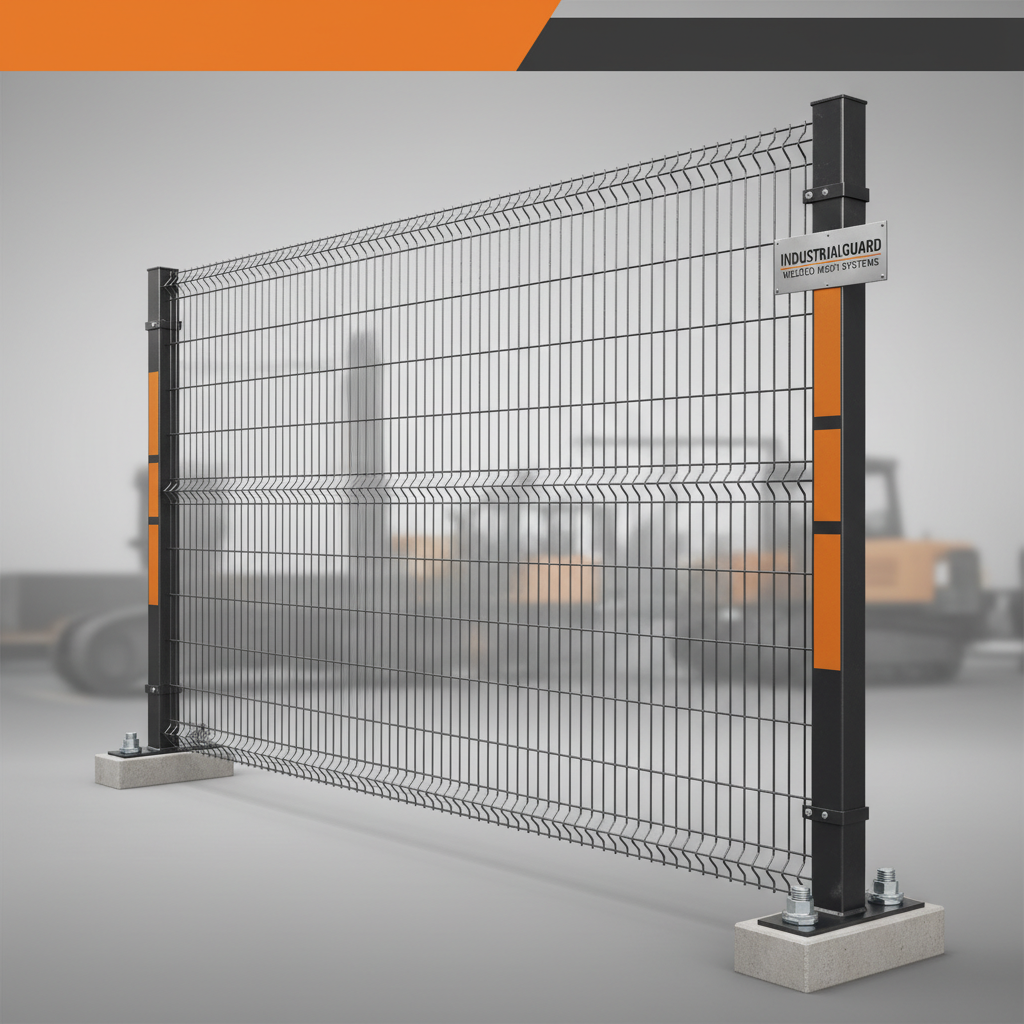
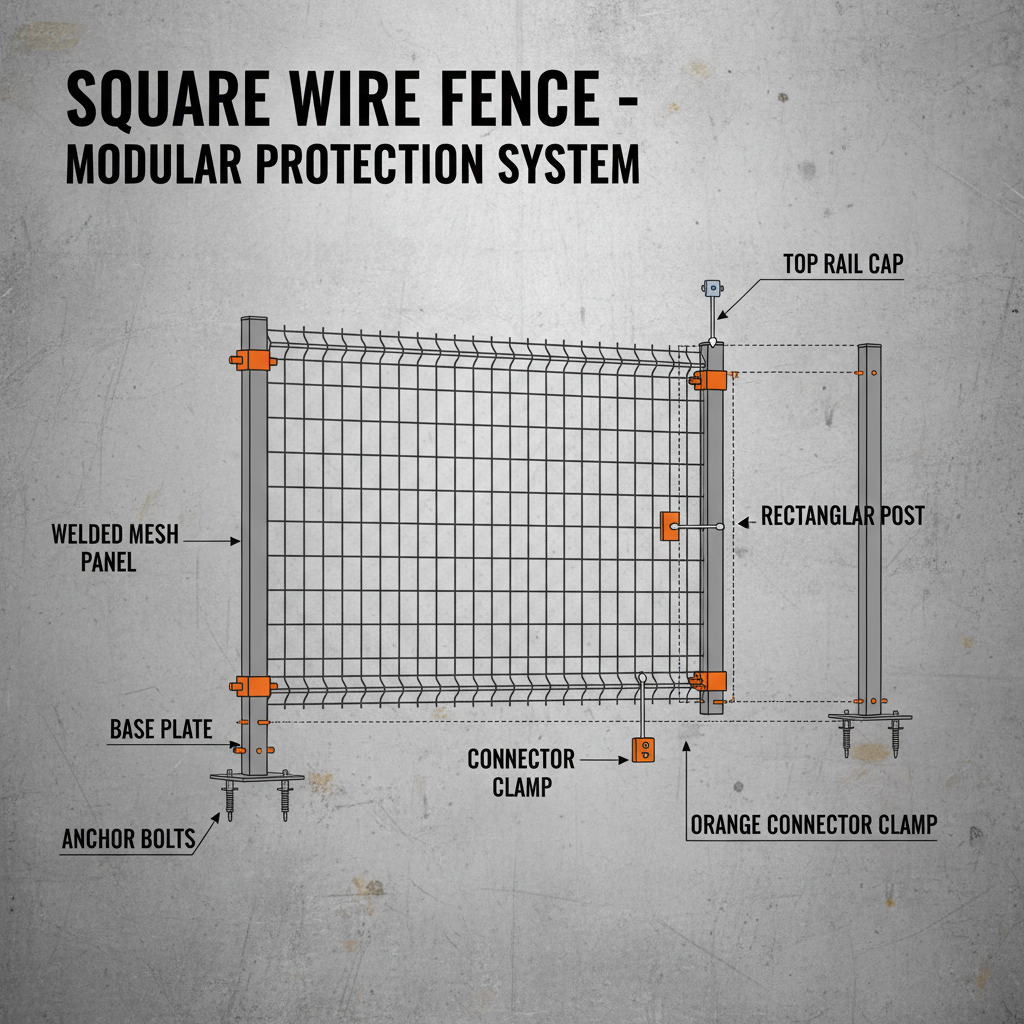
Types of fencing wire mesh play a crucial role in modern infrastructure, security, and agriculture worldwide. From simple chain-link fences protecting residential properties to robust welded wire mesh securing critical infrastructure, these materials offer versatile solutions for containment, protection, and delineation. Understanding the diverse types of fencing wire mesh available is essential for selecting the most appropriate material for specific applications, optimizing performance, and ensuring long-term durability.
Globally, the demand for fencing wire mesh is consistently high, driven by population growth, urbanization, and increasing security concerns. The construction industry, agricultural sector, and governmental bodies all rely heavily on these materials. According to industry reports, the market is projected to continue expanding in the coming years, particularly in developing economies where infrastructure development is rapidly accelerating. Choosing the right type of fencing wire mesh can impact everything from project costs to long-term maintenance.
The core function of types of fencing wire mesh is to create a physical barrier, providing security, containment, or division. However, the specific characteristics of different mesh types – including material composition, weave pattern, wire gauge, and coating – significantly impact its suitability for various environments and purposes. This detailed understanding of properties is key to appropriate specification and longevity.
Introduction to Types of Fencing Wire Mesh
The world of types of fencing wire mesh is surprisingly diverse. It extends far beyond the familiar chain-link fences found in backyards. Different mesh configurations, materials, and coatings cater to an incredibly wide range of applications, from agricultural livestock containment to high-security perimeter defense. Understanding these variations is the first step in making an informed decision.
The effective use of appropriate fencing wire mesh contributes significantly to property protection, resource management, and public safety. Selecting the right mesh not only provides a functional barrier but also impacts cost-effectiveness, longevity, and aesthetic appeal. Investing in a quality mesh tailored to specific needs offers substantial long-term benefits.
Defining Fencing Wire Mesh and Its Relevance
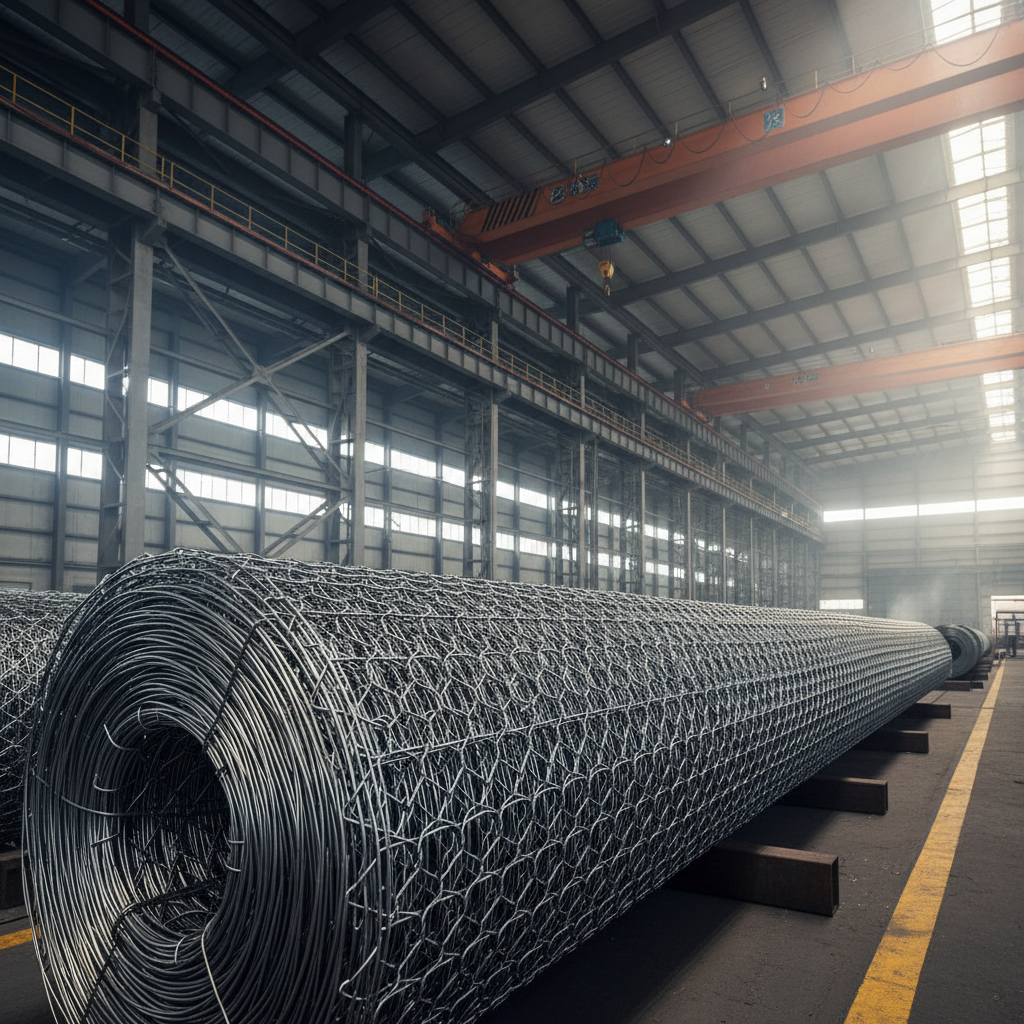
Fencing wire mesh refers to a woven, welded, or expanded metal fabric used to create barriers or enclosures. It is fundamentally a network of intersecting wires, engineered for strength, flexibility, and durability. The specific construction method – weaving, welding, or expansion – dictates the mesh's properties and optimal applications.
In modern industry, types of fencing wire mesh are integral to various sectors. Construction relies on it for site security, while agriculture uses it for livestock management. Beyond these, it’s essential in transportation (noise barriers), public safety (crowd control), and even artistic installations. It frequently acts as a vital component in humanitarian efforts, providing secure perimeters for refugee camps and disaster relief zones.
The relevance of fencing wire mesh extends to addressing key societal challenges. Secure borders, protected critical infrastructure, and safe agricultural practices all benefit directly from its application. Continuous innovation in materials and manufacturing processes aims to improve its performance and sustainability, addressing evolving needs and environmental concerns.
Key Factors Influencing Mesh Selection
Several critical factors govern the selection of the appropriate type of fencing wire mesh. Durability is paramount, dictating the material (steel, stainless steel, aluminum) and coating (galvanized, PVC-coated) required to withstand environmental conditions and potential corrosion. Different climates and chemical exposures demand different protective measures.
Scalability—the ability to cover large areas efficiently—is another key consideration. Welded wire mesh, for example, is often preferred for large-scale perimeter fencing due to its ease of installation and cost-effectiveness. Chain-link offers flexibility for uneven terrain. The size of the area to be enclosed and the complexity of the landscape significantly impact the choice.
Cost efficiency plays a vital role in decision-making. While stainless steel offers superior corrosion resistance, it comes at a higher price point than galvanized steel. Balancing performance requirements with budget constraints is often a necessary compromise. Maintenance costs over the lifespan of the fence must also be factored into the overall economic assessment.
Global Applications and Diverse Use Cases
Types of fencing wire mesh find diverse applications across the globe. In agriculture, it's used for livestock containment, crop protection, and poultry farming. In security, it's deployed for perimeter fencing around industrial facilities, government buildings, and residential properties.
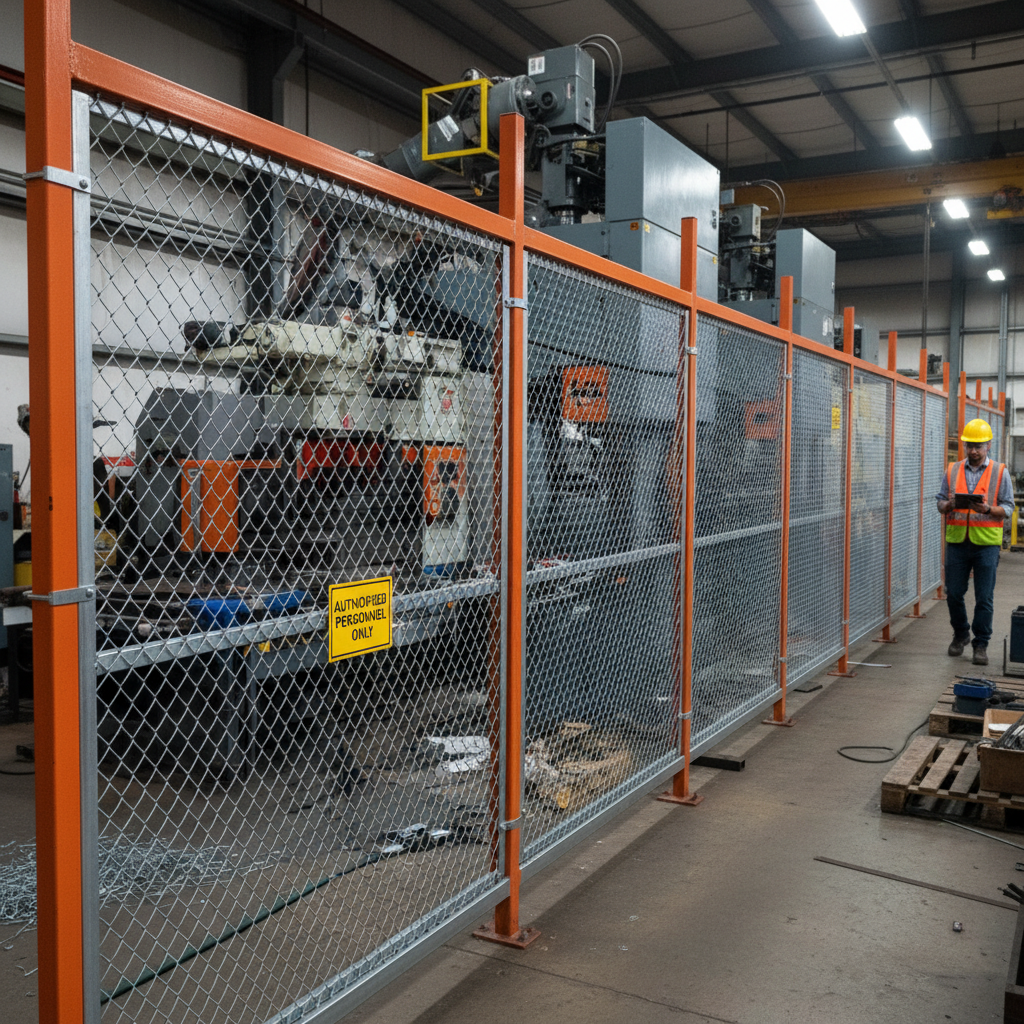
In post-disaster relief operations, fencing wire mesh quickly establishes secure zones for aid distribution and refugee camps. In remote industrial zones, it safeguards equipment and personnel. For example, mining operations rely heavily on robust fencing to secure their sites and prevent unauthorized access.
Regions with high security concerns, such as border areas and urban centers with elevated crime rates, utilize reinforced fencing wire mesh with specialized coatings and features like razor wire to deter intrusions. Furthermore, in Australia, it’s heavily used for wildlife protection along roadways, mitigating collisions between vehicles and animals.
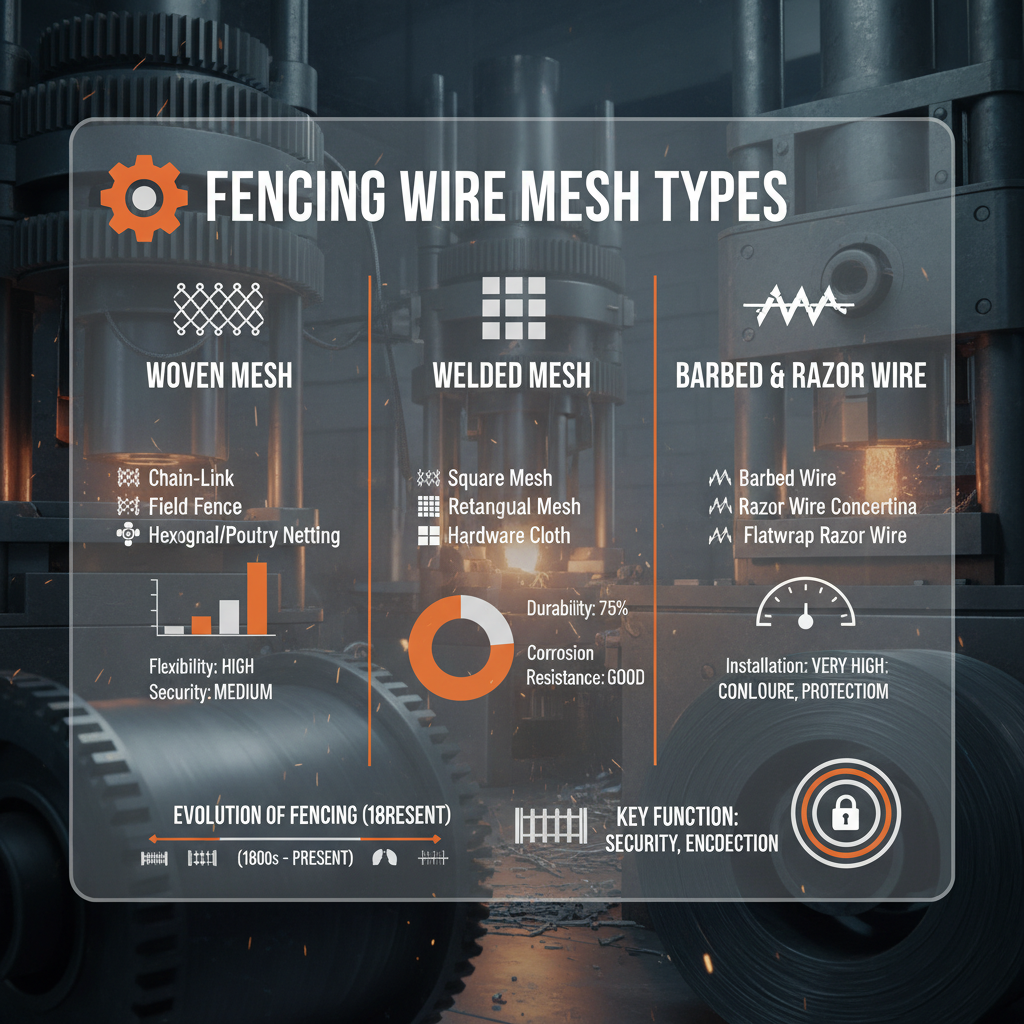
Types of Fencing Wire Mesh Application Ratings
Advantages and Long-Term Value Proposition
The advantages of using appropriate types of fencing wire mesh are numerous. Reduced security risks, efficient livestock management, and protection of valuable assets are all tangible benefits. Lower maintenance costs compared to solid barriers also contribute to long-term savings.
From a sustainability perspective, wire mesh often uses less material than alternative fencing solutions like concrete walls, minimizing environmental impact. Furthermore, many modern meshes are recyclable, promoting a circular economy. The peace of mind and sense of security provided by a reliable fence contribute to emotional well-being.
Future Trends and Technological Innovations
The future of fencing wire mesh is intertwined with technological advancements. Smart fencing systems integrating sensors, cameras, and alarm systems are gaining traction, offering real-time monitoring and intrusion detection capabilities. The incorporation of nanotechnology to enhance corrosion resistance and strength is also a promising area of research.
Increasing demand for eco-friendly materials is driving the development of bio-based polymers and recycled metal alloys for mesh construction. Digital fabrication techniques, such as 3D printing, could revolutionize the manufacturing process, enabling customized designs and on-demand production.
Challenges and Innovative Solutions
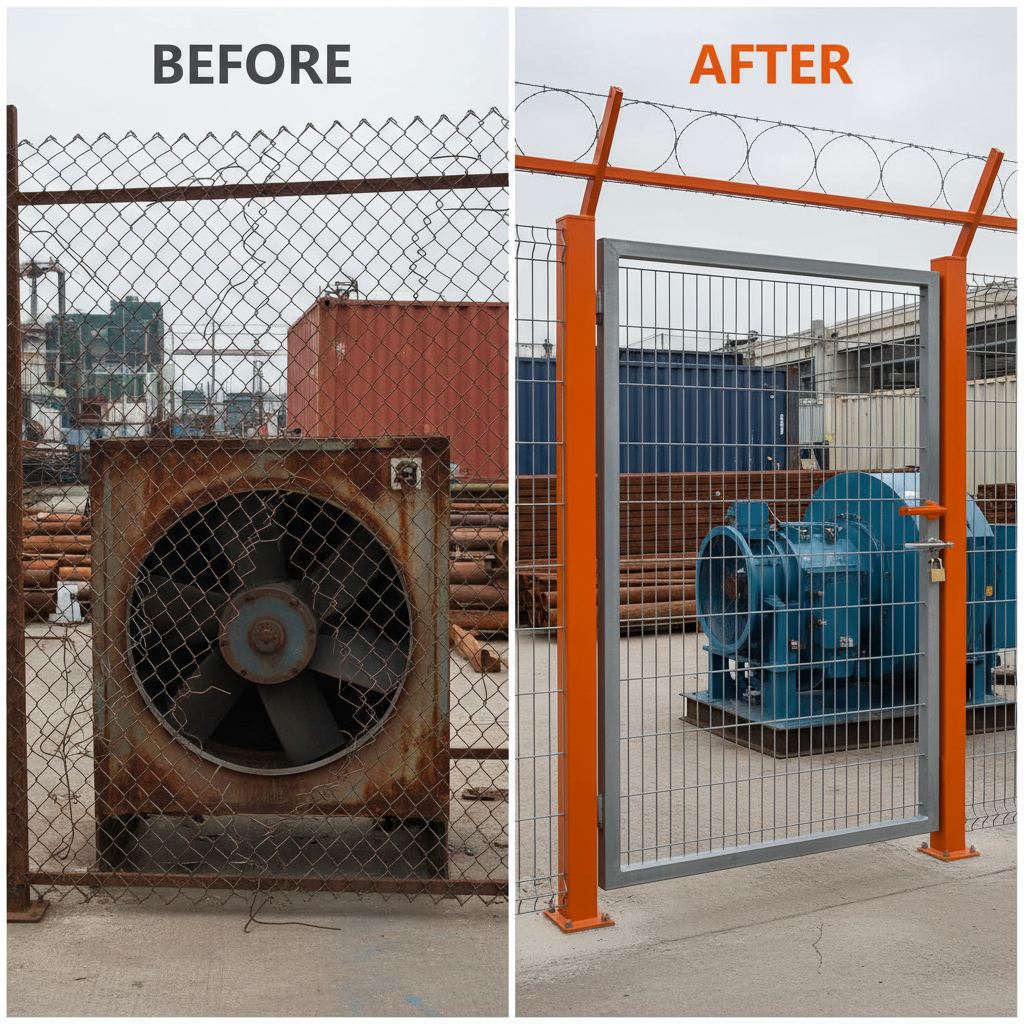
Common challenges associated with fencing wire mesh include corrosion, vandalism, and the need for regular maintenance. Traditional galvanized coatings can degrade over time, especially in harsh environments. Innovative solutions involve applying advanced coatings like powder coating and utilizing stainless steel alloys.
Vandalism can be mitigated by incorporating anti-climb features, such as razor wire or specialized mesh patterns. Addressing the need for maintenance requires regular inspections and prompt repairs. Proactive maintenance programs can significantly extend the lifespan of the fence and minimize costly replacements.
Another emerging challenge is the increasing demand for aesthetically pleasing fencing solutions. Manufacturers are responding by offering a wider range of colors, textures, and designs, integrating fencing seamlessly into landscape architecture.
Summary of Key Properties and Applications of Fencing Wire Mesh
| Mesh Type |
Material Composition |
Typical Application |
Durability Rating (1-10) |
| Chain-Link |
Galvanized Steel |
Residential Fencing, Sports Fields |
6 |
| Welded Wire Mesh |
Low Carbon Steel |
Livestock Fencing, Security Barriers |
7 |
| Hexagonal Wire Netting |
Galvanized or PVC Coated Steel |
Poultry Enclosures, Garden Fencing |
5 |
| Razor Wire |
High Carbon Steel |
High-Security Perimeter Fencing |
9 |
| Expanded Metal Mesh |
Aluminum or Steel |
Industrial Guarding, Decorative Screens |
8 |
| Stainless Steel Mesh |
304/316 Stainless Steel |
Corrosive Environments, Food Processing |
10 |
FAQS
The lifespan of galvanized steel fencing wire mesh varies based on environmental conditions. In mild climates, it can last 15-20 years, while harsh coastal or industrial environments can reduce this to 5-10 years. Regular maintenance, such as cleaning and recoating, can extend its life considerably. Using thicker galvanization also increases longevity. Properly installed fencing also lasts longer.
PVC coating significantly enhances the durability of fencing wire mesh by providing an additional layer of protection against corrosion and UV degradation. It can extend the lifespan by 10-15 years compared to uncoated galvanized steel. However, the PVC coating itself can become brittle over time, particularly in extreme temperatures. Choose high-quality PVC coatings for optimal results.
For containing large animals like cattle, welded wire mesh with a heavy gauge wire (12.5 gauge or lower) and relatively small openings (4x4 inches or smaller) is generally recommended. The welded structure provides greater strength and rigidity than chain-link, preventing animals from pushing through or damaging the fence. Properly tensioned and supported posts are also critical for effective containment.
Stainless steel fencing wire mesh is a significant investment, but it offers exceptional corrosion resistance, making it ideal for harsh environments (coastal areas, industrial sites). While the initial cost is higher, the extended lifespan and reduced maintenance can make it cost-effective in the long run. It's particularly advantageous where aesthetics are important, as stainless steel maintains its appearance over time.
Preventing vandalism involves a multi-faceted approach. Consider installing anti-climb features like razor wire or security tops. Good lighting can deter potential vandals. Regular inspections and prompt repairs of any damage are crucial. In some cases, security cameras may be beneficial. Selecting a mesh with a smaller aperture can also make it more difficult to cut or climb.
Environmental considerations include material sourcing, recyclability, and potential impact on wildlife. Opting for recycled content mesh or materials with a lower carbon footprint is beneficial. Choosing mesh with larger openings can allow for wildlife passage, minimizing habitat fragmentation. Proper disposal of old fencing is also essential to prevent environmental contamination.
Conclusion
In conclusion, understanding the diverse types of fencing wire mesh is crucial for making informed decisions across various industries and applications. From security and agriculture to environmental protection and disaster relief, these materials play a vital role in shaping our world. Selecting the right mesh based on durability, scalability, cost-effectiveness, and specific environmental factors ensures optimal performance and long-term value.
Looking ahead, continued innovation in materials, manufacturing processes, and smart fencing technologies promises to enhance the functionality and sustainability of fencing wire mesh. By embracing these advancements and prioritizing responsible sourcing and disposal practices, we can harness the power of these versatile materials to create safer, more secure, and more sustainable communities. Visit our website at www.tikemetal.com to explore our range of fencing solutions.