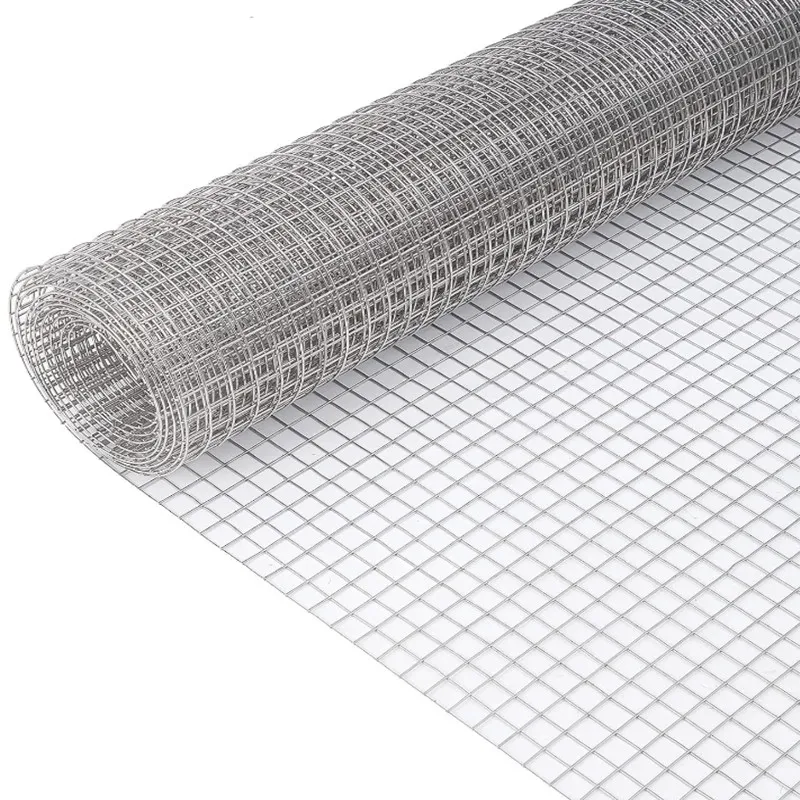
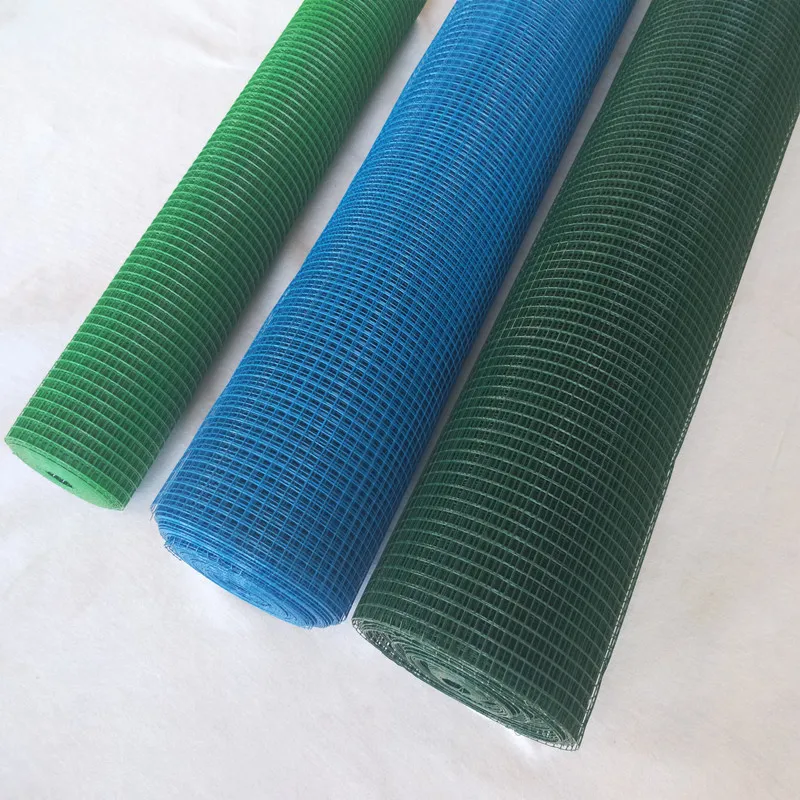
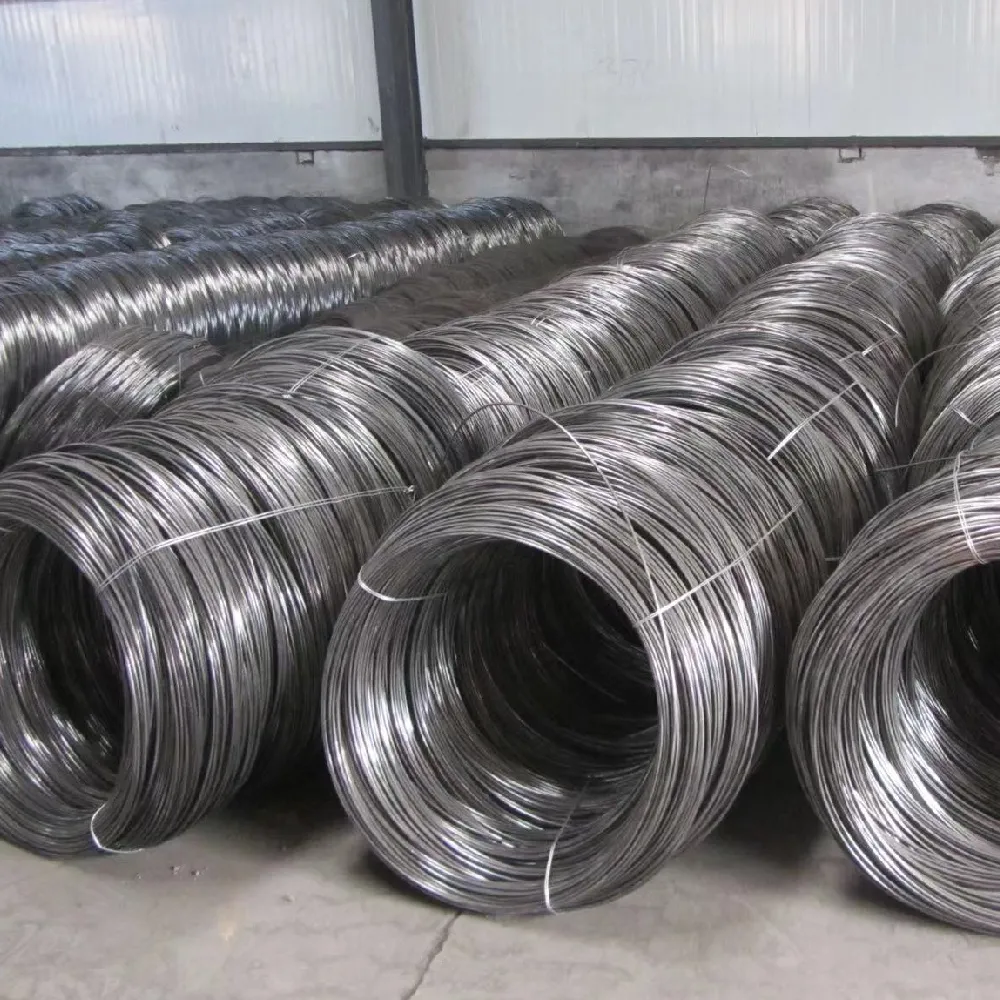
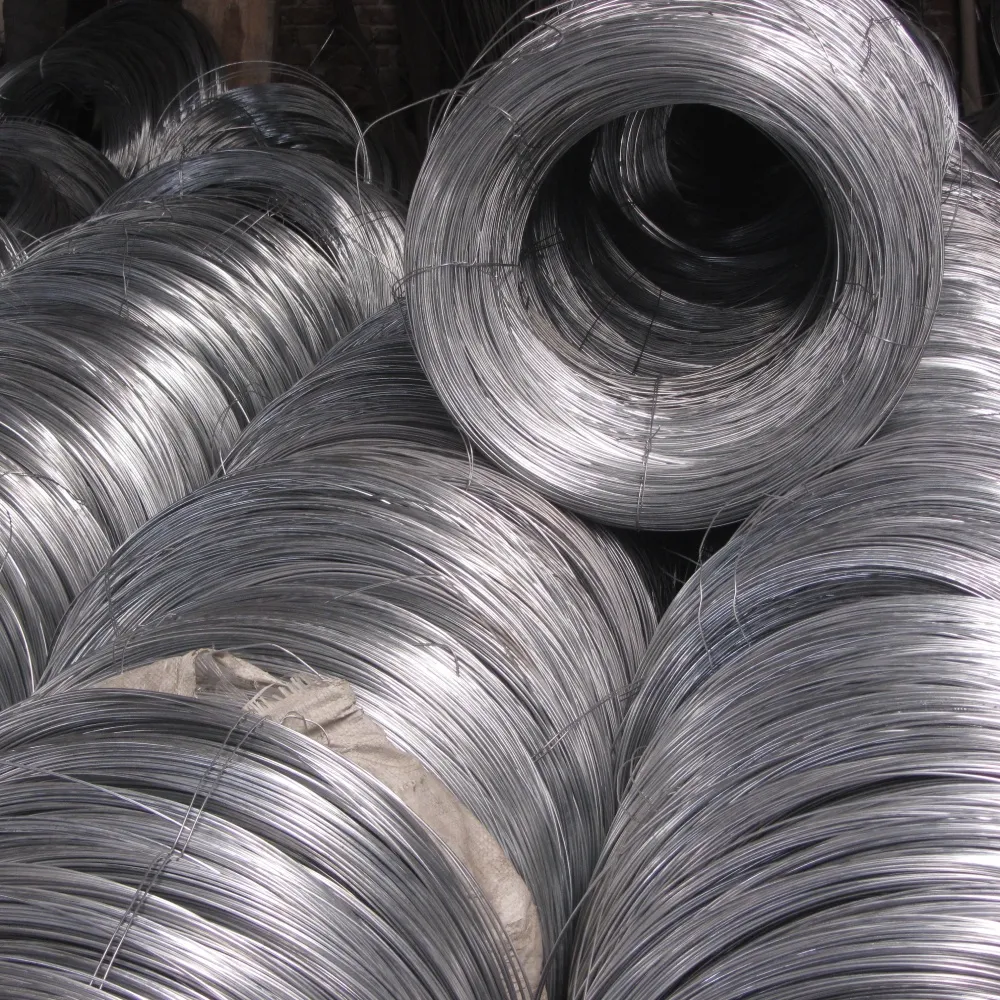
In an era where sustainability and security go hand in hand, the “green steel fence” has quietly become a critical solution in multiple industries worldwide. But what exactly is a green steel fence? Why does it matter on a global scale? Simply put, it’s a fence system crafted primarily from steel, but with a conscientious focus on environmentally friendly materials and production methods. This means reduced carbon footprints, enhanced durability, and practical designs that cater to everything from urban infrastructure to humanitarian relief.
Across continents, from sprawling industrial complexes in Europe to remote agricultural lands in Africa, green steel fences provide a blend of protection and sustainability that businesses, governments, and NGOs increasingly rely on. Given the UN’s push on sustainable development goals (SDGs), innovations like this not only protect property but also protect the planet. It’s a pragmatic and potent combination.
Globally, fencing solutions worth billions are deployed annually to secure assets, control access, and manage land use. According to the World Steel Association, the steel industry contributes about 7 to 9% of global CO2 emissions — a critical environmental concern. That’s why green steel, which refers to steel produced via low-emission processes or recycled content, is gaining traction. Integrating such steel in fencing systems helps reduce overall environmental impact.
Moreover, industries face escalating challenges: climate change demands resilient infrastructure, urban expansion requires scalable security, and humanitarian agencies need rapid-deploy fencing for safe zones. The green steel fence emerges here as a versatile answer — promising strength, sustainability, and cost efficiency.
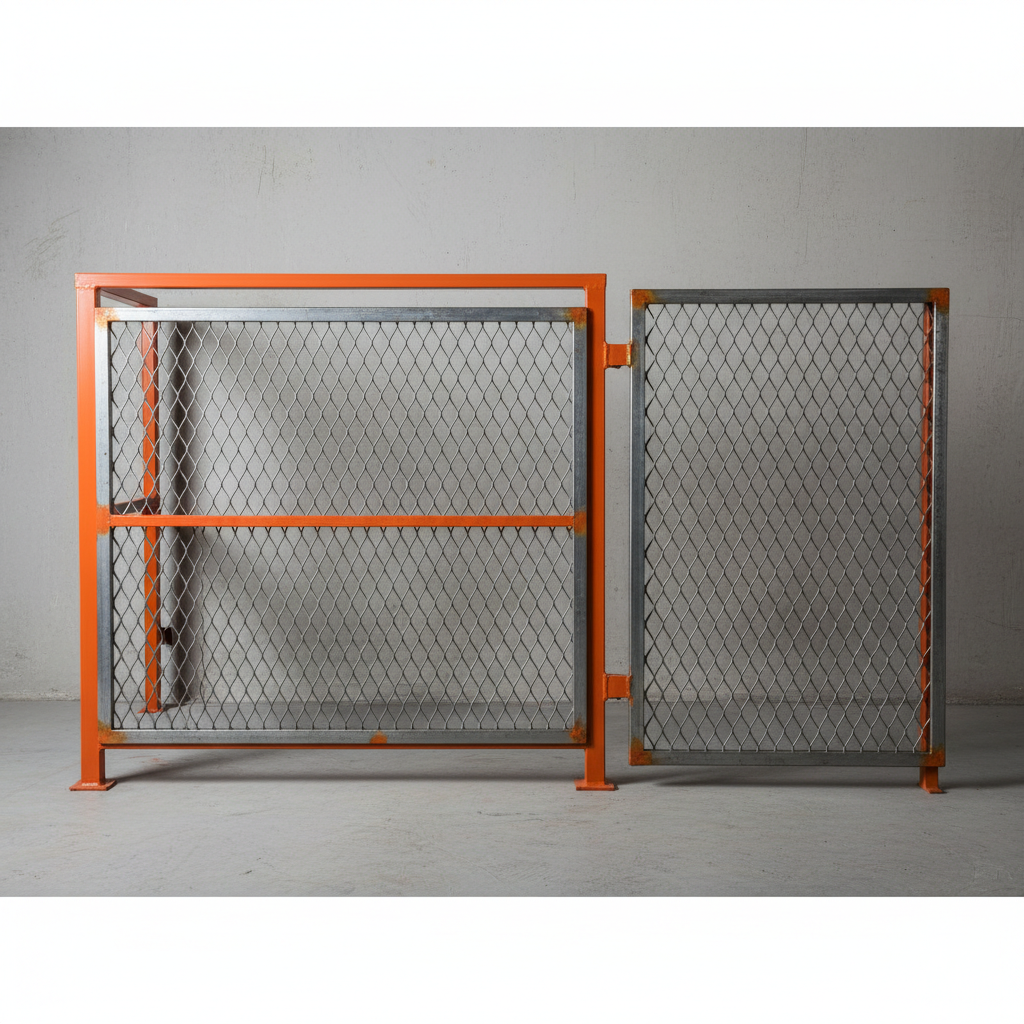
The term “green steel fence” might sound simple, but it encompasses multiple facets. Essentially, it’s a fencing system constructed using steel sourced or manufactured with an emphasis on sustainability. This includes:
This blend supports industries where environmental impact and long-term durability are paramount — think agricultural stations, conservation areas, or even eco-conscious urban communities.
Steel’s inherent strength makes it revered in fencing, but green steel fences add a level of corrosion resistance through advanced coatings and galvanization. In coastal or industrial environments, where rust loves to eat away traditional fences, green steel fences last significantly longer, reducing waste and maintenance.
By using recycled content and clean energy during production, these fences help reduce carbon footprints. The manufacturing adheres to standards such as ISO 14001 which manage environmental responsibilities systematically.
Though green steel fences can sometimes have higher upfront costs than standard fences, their longevity and low maintenance often translate into savings over time — proving that sustainability doesn’t always mean more expensive.
From small garden perimeters to extensive industrial sites, green steel fences can be modular and customized. This makes them appealing for rapidly changing environments or expanding projects.
Green steel fences can be powder-coated in various colors, including the signature “green” shades associated with environmental projects, harmonizing security needs with natural surroundings.
| Feature | Specification | Details |
|---|---|---|
| Material | Recycled & Low-Emission Steel | Min. 75% recycled steel content |
| Coating | Powder Coating / Galvanized | Environmentally friendly anti-corrosion finish |
| Height Range | 1.2m to 2.4m | Configurable per site requirement |
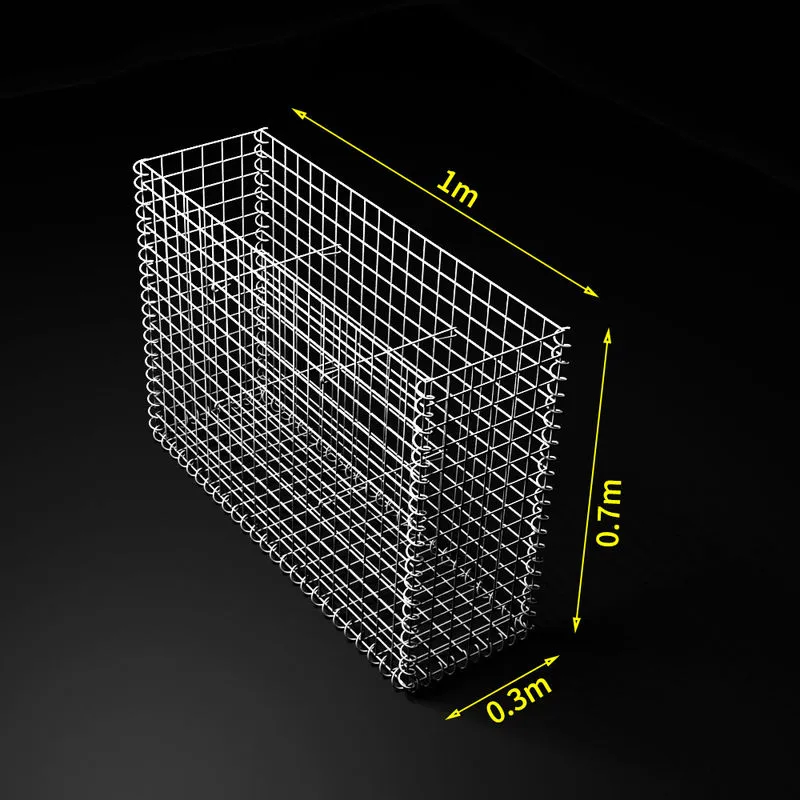
| Panel Type | Welded Mesh or Solid Panels | For security or privacy |
| Installation Method | Modular bolt-together | Quick on-site assembly |
Green steel fences have found favor in many sectors globally. In post-disaster relief operations — say after floods or earthquakes — rapid-deploy fencing secures camp perimeters efficiently while aligning with sustainability goals. Green steel fence solutions help NGOs keep temporary settlements safe without creating environmental burdens.
Meanwhile, in industrial zones across Asia and North America, companies are switching to green steel fencing to reduce their ecological footprints while protecting infrastructure. Conservation projects in Australia use these fences to protect sensitive habitats, where chemical-free coatings prevent soil contamination.
Even urban developers in Europe incorporate these fences for community gardens and eco-parks, blending security with aesthetics. The wide adaptability is, frankly, impressive.
Considering these benefits, selecting green steel fences isn’t just business savvy — it represents a commitment to responsible stewardship.
Frankly, this area is evolving fast. Steel manufacturers are exploring hydrogen reduction methods to achieve “green steel” with virtually zero carbon emissions—a game changer for fencing and many other steel applications. Digital transformation brings smart fencing systems equipped with sensors to monitor integrity and security status in real-time.
On the material side, bio-based coatings and nanotechnology are improving durability while reducing toxic chemicals. Governments worldwide increasingly enforce regulations demanding sustainable materials — a push that will see green steel fences becoming standard rather than premium.
Oddly enough, despite their many benefits, green steel fences face hurdles like higher initial investment and limited supply chains in some regions. Additionally, inconsistent standards for what qualifies as “green steel” can confuse buyers.
To overcome these challenges, industry leaders recommend:
Such strategies help businesses and organizations responsibly adopt green steel fencing solutions, balancing cost, impact, and performance.
| Supplier | Recycled Steel % | Certifications | Customization Options | Typical Lead Time |
|---|---|---|---|---|
| TikeMetal | 75% | ISO 14001, Cradle to Cradle | Full custom mesh, height & coating | 4-6 weeks |
| GreenFence Co. | 65% | ISO 9001, LEED Credits | Standard designs & colors | 6-8 weeks |
| EcoSteel Solutions | 80% | ISO 14001 | Custom fabrication available | 5-7 weeks |
At the intersection of environmental responsibility and practical necessity, the green steel fence stands out as a smart, durable, and sustainable choice. The blend of recycled materials, long lifespan, and growing industry innovations means that more and more businesses, governments, and communities can secure their spaces without sacrificing the planet’s health.
If you’re considering perimeter security with a conscience, explore your options and suppliers today. For detailed products and consultation, visit our website: TikeMetal Green Steel Fence.
Mini takeaway: Green steel fences aren’t just fences. They’re a step forward in how we think about security, sustainability, and smart investment for decades ahead.
RELATED PRODUCTS





Top