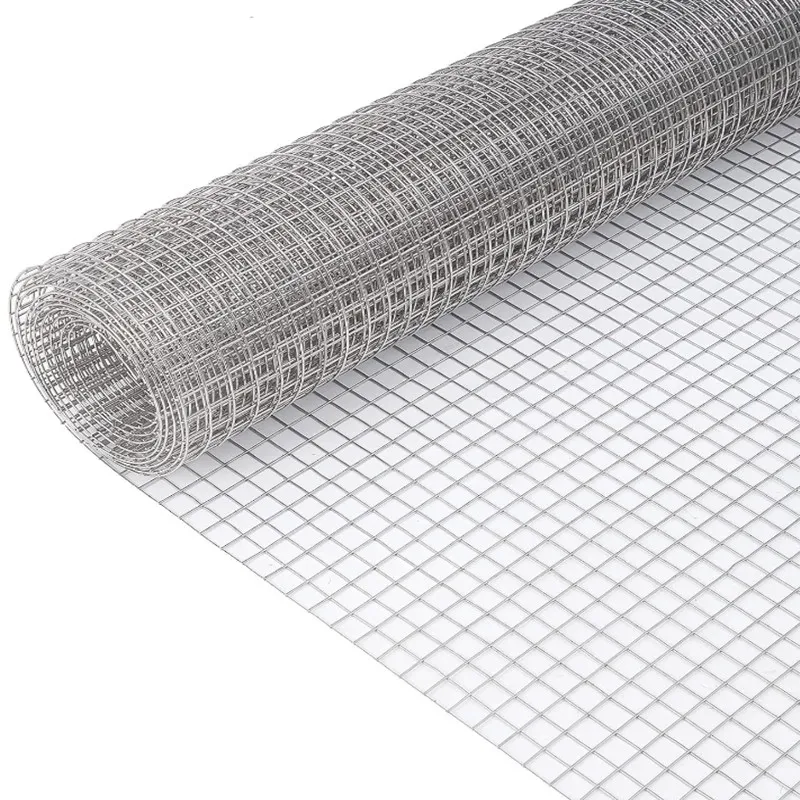
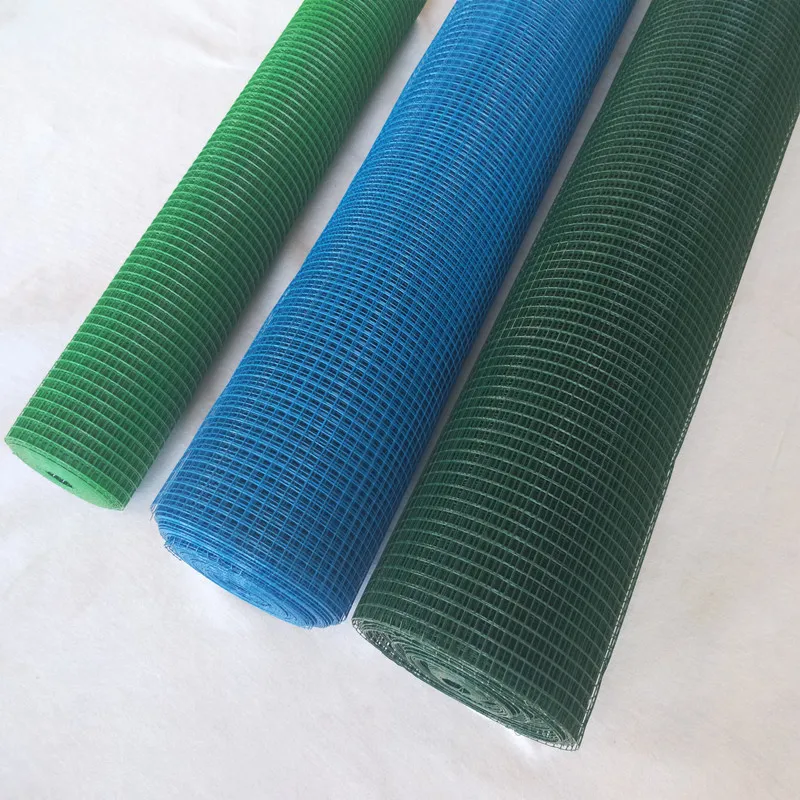
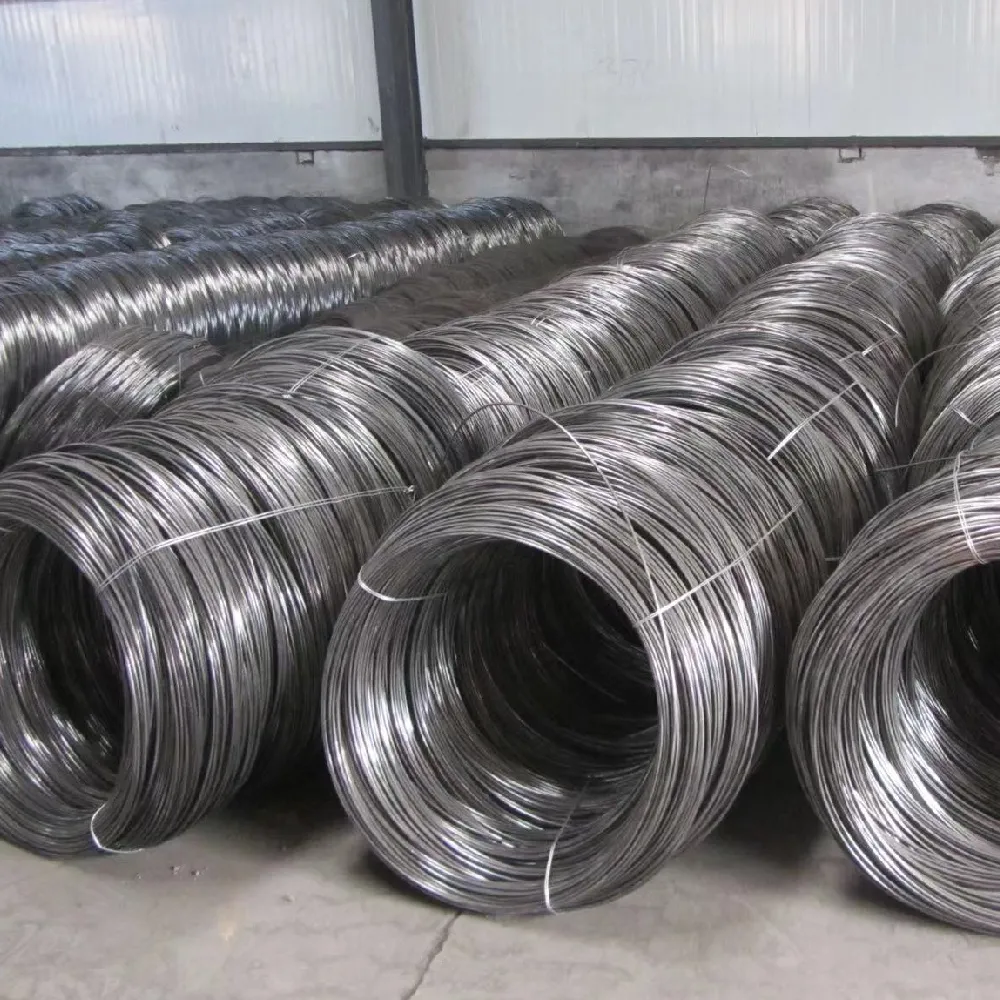
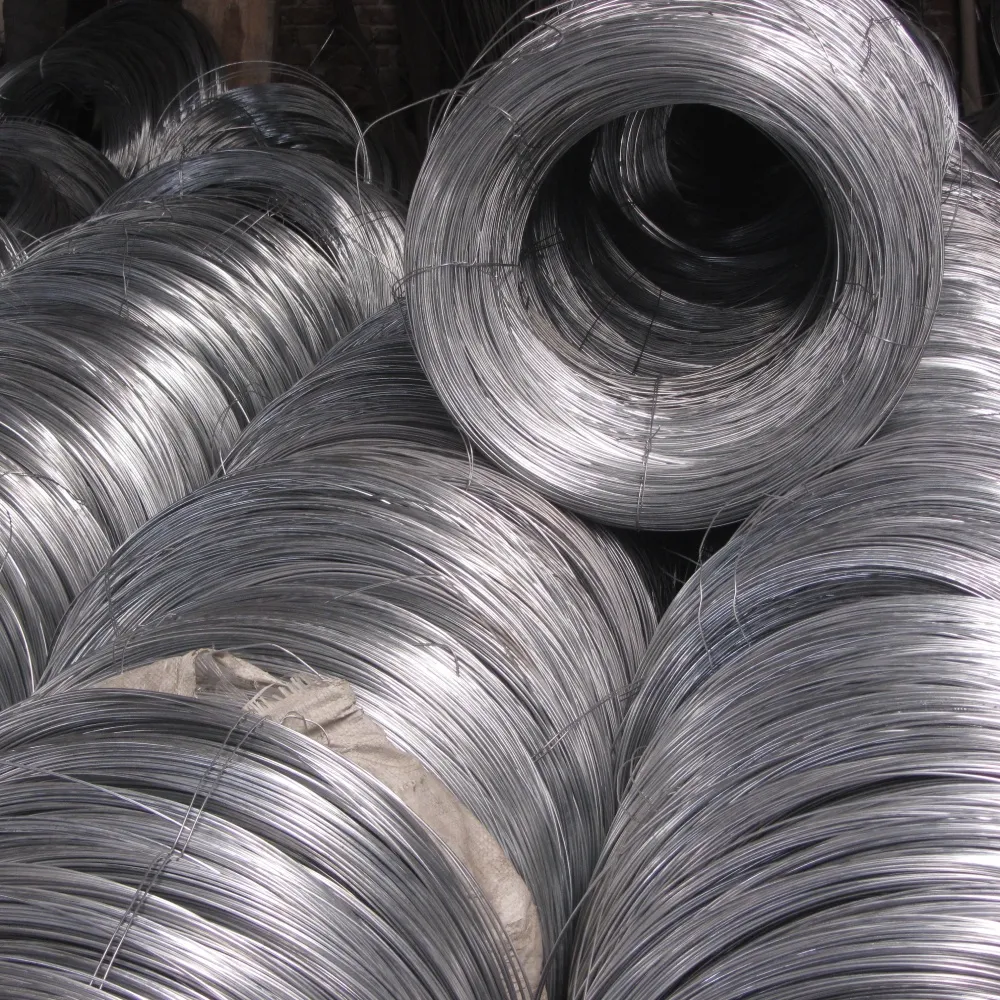
Fence steel wire might sound like an everyday, almost mundane material, but its importance stretches far beyond that initial impression. In fact, globally, it's a key player in construction, security, agriculture, and humanitarian aid, offering practical solutions to diverse challenges. Whether it's protecting farmland from wildlife or setting up temporary perimeters in emergency relief zones, the right quality fence steel wire can literally make the difference between safety and vulnerability.
Why should you care about fence steel wire? Because it forms the backbone of countless protective barriers worldwide. Plus, understanding its benefits, manufacturing nuances, and real-world applications enables industries and organizations to make smarter, cost-effective choices. Let's dive into what makes fence steel wire so vital across the globe.
Take a stroll around the globe — you'll find vast stretches of fencing, often unnoticed yet critical. The global steel wire market itself is booming, with reports from World Steel Association showing steady growth fueled by rising infrastructure investments. Steel wire fencing finds special importance in emerging economies, where rising agriculture and urbanization call for robust boundary solutions.
The United Nations has also highlighted fencing's role in humanitarian contexts, especially in securing refugee camps or disaster zones, offering safety and controlled access. However, challenges persist, including the demand for sustainable materials, rapid deployment, and cost efficiency – all pressing issues that innovative fence steel wire products are striving to meet.
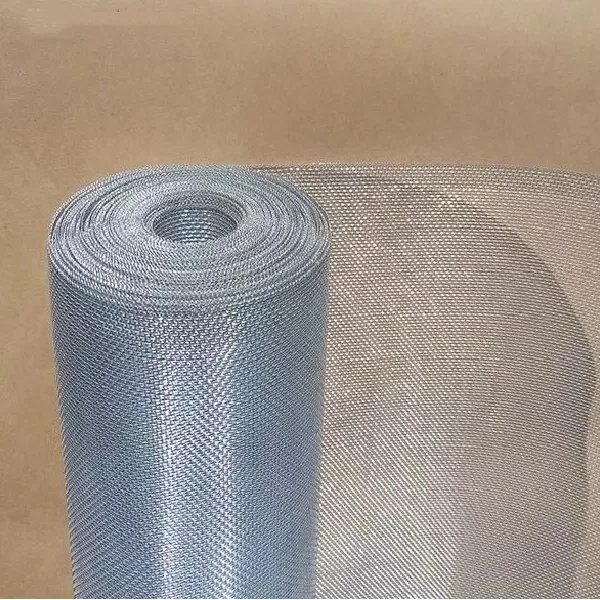
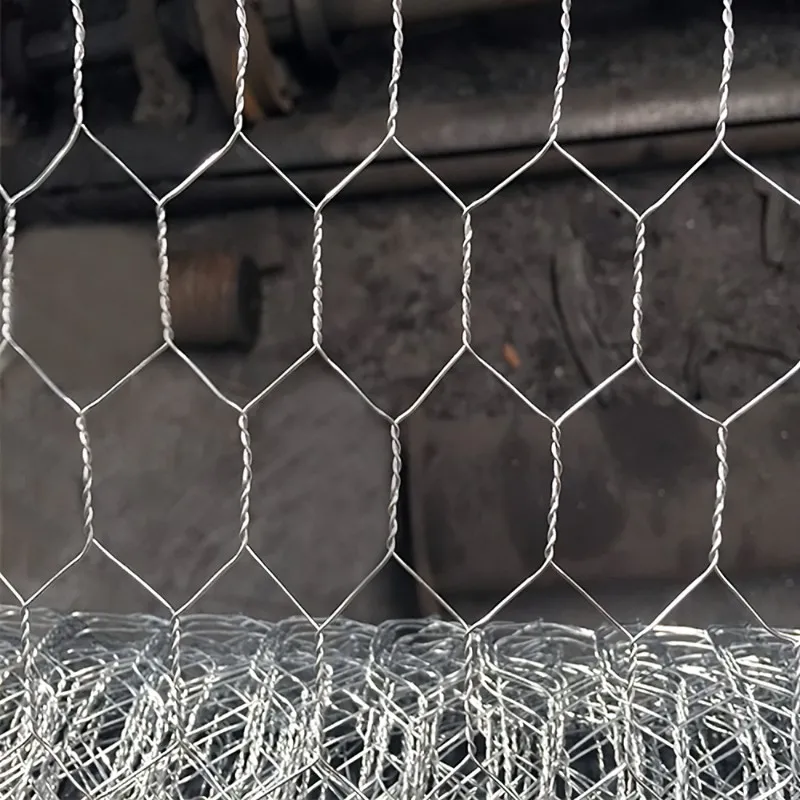
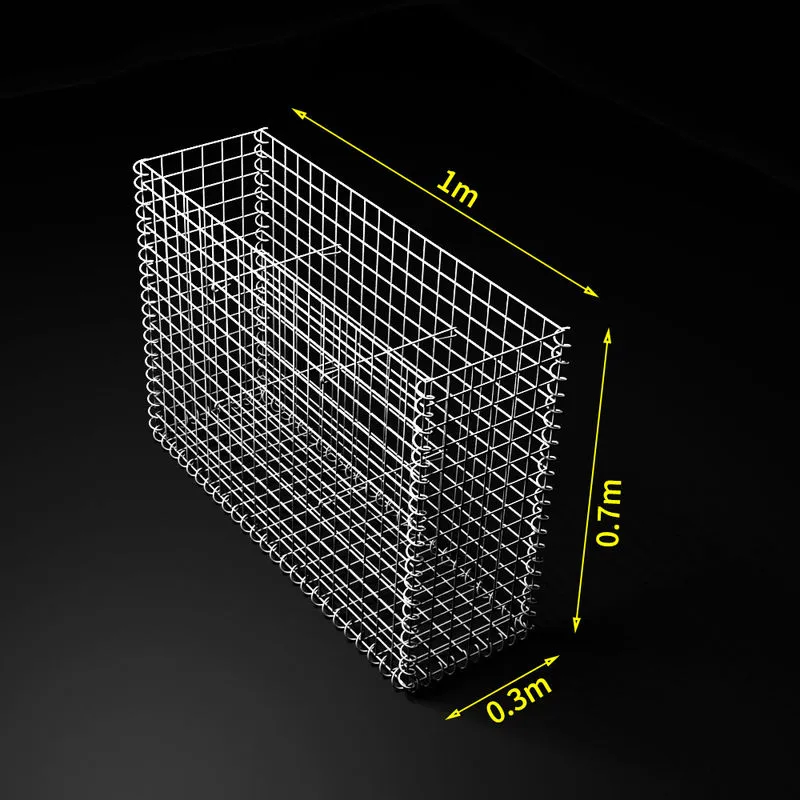
Mini takeaway: Fence steel wire is essential worldwide, intersecting with economics, safety, and sustainability, making informed selection and innovation a critical priority.Put simply, fence steel wire consists of steel strands twisted or welded into strands and meshes designed to create protective boundaries. It's not just “wire” but a carefully engineered product balancing strength, flexibility, and resilience.
This type of wire is intrinsically linked to modern industry needs — from securing factories and logistics centers to preserving natural resources. Plus, in humanitarian crises, it provides quick, reliable fencing to protect vulnerable populations and assets alike.
The hallmark of quality fence steel wire is toughness. Manufacturers often use galvanized or PVC-coated steel to resist corrosion, especially in humid or coastal environments. This longevity cuts maintenance costs and reduces replacement frequency — a big deal when large-scale fencing systems are at play.
Whether it’s a backyard garden or a multi-kilometer agricultural perimeter, fence steel wire systems must scale. The wires come in various gauges and mesh sizes, customizable for security levels or livestock containment. It’s a flexible solution, adaptable to diverse needs.
Fast installation and maintenance cycles make fence steel wire economically sound. The upfront price may vary depending on coating and wire thickness, but long-term savings through durability often outweigh initial investments.
Exposure to sun, salt, rain—fence steel wire must endure it all. Modern coatings and alloys are designed to resist rust and mechanical wear, guaranteeing performance even in extreme climates.
Besides physical resistance, good fence steel wire is often designed with anti-climbing textures or barbed twists, deterring intruders effectively without compromising safety for authorized personnel or animals.
Mini takeaway: The magic of fence steel wire lies in durable materials, tailor-made sizes, environmental guards, and that trusted balance between strength and cost.Its applications stretch far and wide:
For example, in sub-Saharan Africa, NGOs use fence steel wire to safely demarcate relief distribution centers during crises, ensuring equitable access. Meanwhile, in rural South America, farmers depend on high-tensile steel wire to safeguard cattle from predators, a subtle but essential component of local economies.
| Specification | Typical Value | Notes |
|---|---|---|
| Material | Galvanized Steel / PVC Coated | Corrosion-resistant coatings |
| Wire Gauge | 12 - 18 AWG | Thickness varies by application |
| Mesh Size | 2 in. - 6 in. | Customizable apertures |
| Tensile Strength | 500 - 1000 MPa | Varies by steel grade |
| Coating Thickness | 45 - 80 µm (galvanized) | Improves rust resistance |
| Vendor | Material Quality | Customization | Global Delivery | Price Range |
|---|---|---|---|---|
| Tike Metal | High-grade galvanized & PVC | Extensive options for gauge and mesh | Worldwide shipping | $$ - $$$ |
| Global Wire Group | Standard galvanized steel | Limited customization | Regional only | $ - $$ |
| SteelTec Co. | Premium alloy offerings | Highly customizable | Global | $$$ |
There are several reasons to invest in quality fence steel wire beyond its obvious physical attributes. Cost-wise, while sometimes pricier upfront, the reduced maintenance needs and extended lifespan pay off in the long run.
It’s sustainable, too — steel is recyclable, and innovative coatings enhance its life cycle, minimizing environmental impact. Emotionally, there’s peace of mind: communities and businesses rely on fences to protect livelihoods and personal safety.
Innovation in the manufacturing process also means that fences can be installed quickly, with minimal disruption. It feels like the product has quietly evolved to suit a fast-changing world, where security meeting sustainability is no longer optional.
Oddly enough, digital transformation is creeping into fencing too. Smart fences embedded with sensors can now monitor breaches or damages in real time, linking physical security to IoT (Internet of Things). Meanwhile, research is ongoing into greener coatings that use less zinc or incorporate biodegradable polymers.
Automation in fence installation robots is also a growing trend, reducing labor costs and speeding up field deployment, especially important in disaster zones or rapid industrial expansions.
Fence steel wire isn’t perfect. Corrosion remains a perennial challenge, especially in saltwater and industrial environments. Some low-quality wires degrade too soon, causing safety risks and economic loss.
Experts recommend rigorous quality checks, optimized coating processes, and selecting suppliers with proven track records—like fence steel wire vendors who follow ISO standards (like ISO 1461 for galvanizing). Additionally, innovative hybrid coatings and routine maintenance programs extend fencing lifespan dramatically.
In the big picture, fence steel wire represents far more than just metal strands. It’s a trusted solution woven into the fabric of global security, agriculture, and humanitarian efforts. The balance of durability, sustainability, and cost efficiency makes it irreplaceable for those looking to safeguard assets and communities.
If you want to explore reliable options with proven quality and international support, I suggest you visit https://www.tikemetal.com — their offerings reflect deep industry experience and technical expertise that frankly sets them apart.
Whether for a sprawling farm fence or emergency shelter perimeter, choosing the right fence steel wire today means building resilience for tomorrow.
Final thought: Don’t underestimate the quiet strength of good fencing — it often tells the story of security, sustainability, and smart investment all at once.
RELATED PRODUCTS





Top