Chain link fences are everywhere — from sprawling industrial sites to backyards, playgrounds, and even delicate conservation spaces. But have you stopped to think about what goes into fixing them? Beyond mere maintenance, fixing chain link fence represents a vital skill that ties into security, safety, and community infrastructure worldwide. Whether it's reinforcing a damaged enclosure around a school or restoring a vital boundary in a refugee camp, knowing how to effectively repair these fences has surprisingly broad implications.
On a global scale, the simple act of fixing chain link fences can secure resources, protect property, and maintain social order. That may sound dramatic for a “wire fence,” but it’s true — fences are frontline guardians in urban, industrial, and humanitarian settings alike.
According to a 2023 UN report, over 60% of urban perimeters worldwide rely on chain link fences or similar mesh structures for safety and property management. This is particularly true in rapidly expanding urban areas of Asia, Africa, and Latin America. Rapid urbanization, increased focus on security, and new standards for public safety all push fixing and maintaining these fences into an essential day-to-day task.
Yet, challenges like weather damage, vandalism, and wear-and-tear often leave gaps that can impose huge risks — from theft and accidents to legal liabilities. Engineering fixes that are quick, long-lasting, and cost-effective are currently in high demand. That’s why understanding how to address fixing chain link fence practically is more relevant than ever, and that’s essentially what this piece aims to unpack.
In simple terms, fixing chain link fence involves repairing bent, broken, or sagging sections of this popular mesh barrier to restore structural integrity and security. It can include:
Beyond residential use, fixing chain link fencing plays a sizeable role in industrial safety protocols, wildlife conservation, and even in humanitarian aid contexts such as refugee camps and temporary shelters, where fast, affordable fencing solutions protect vulnerable populations.
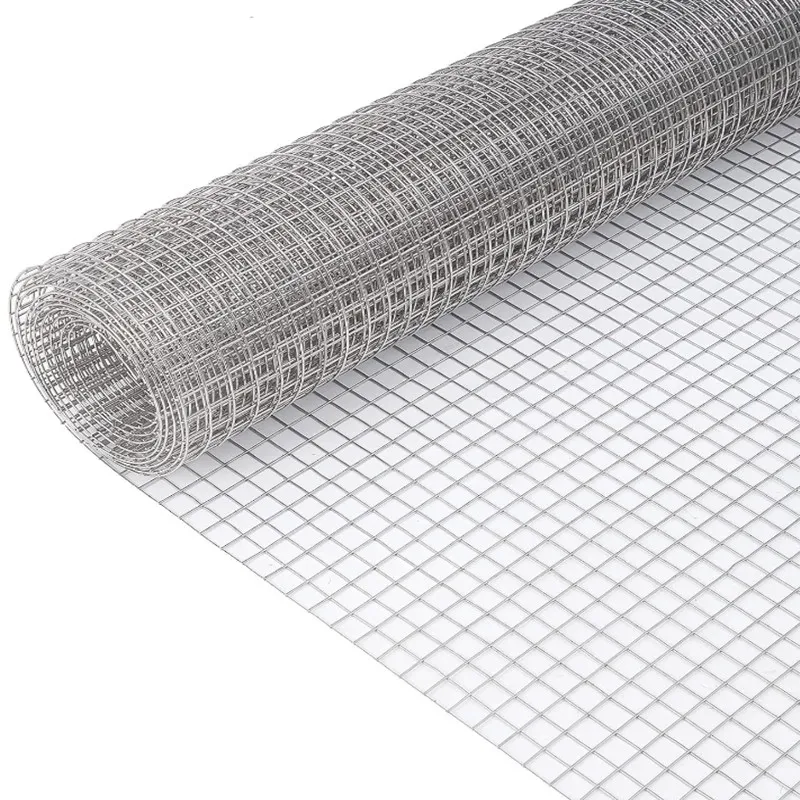
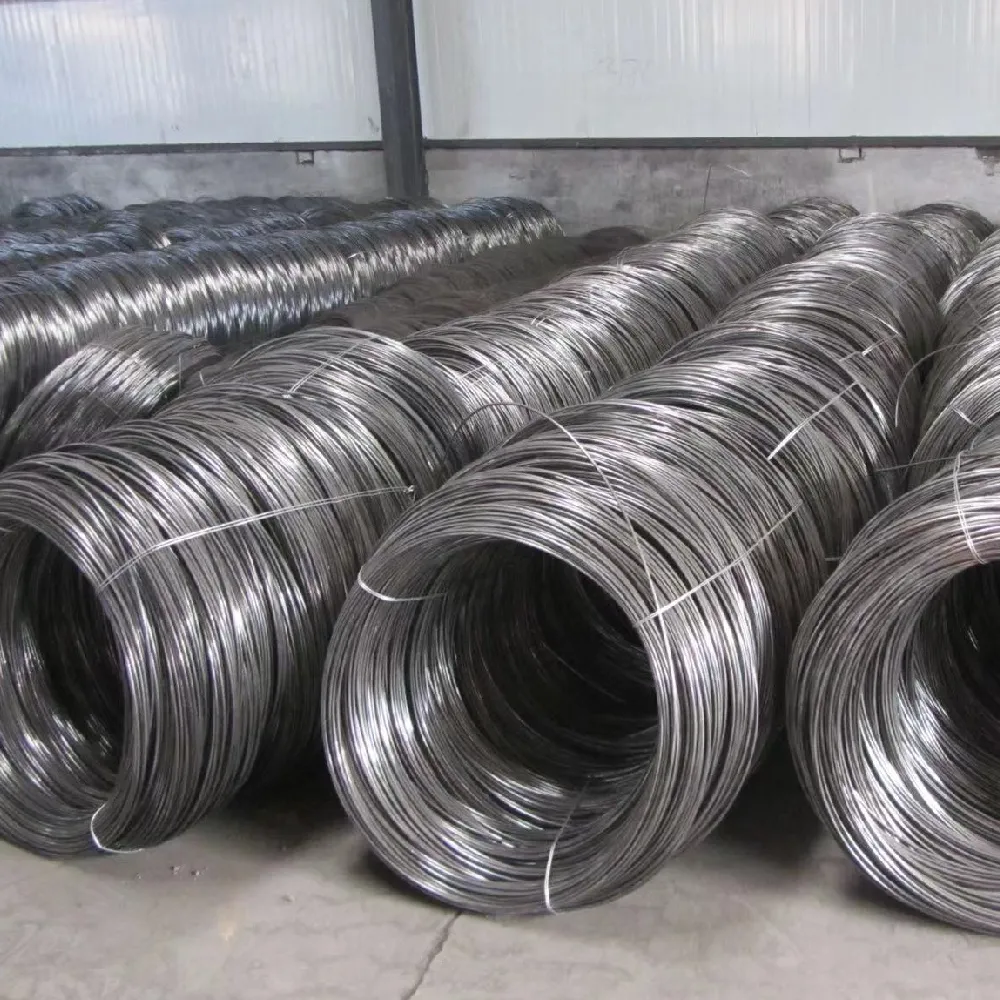
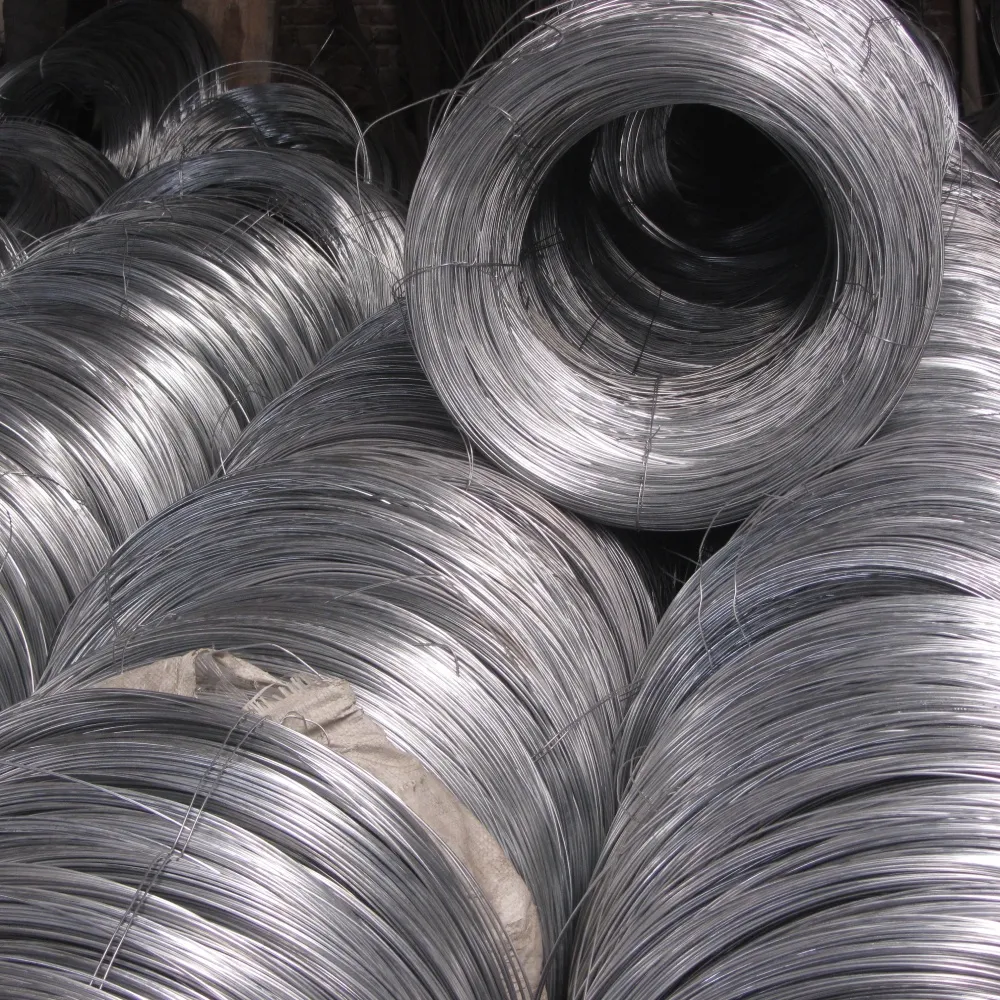
Materials matter a lot. High-quality galvanized wires resist corrosion, enhancing lifespan even in humid or salty environments. Without durability, repairs just become recurring headaches.
Successful fixing maintains the tension and frame stability. Loose mesh or weak connections negate the fence’s purpose — so methods that restore or improve this aspect are essential.
Since many fence repairs happen in budget-constrained settings, solutions balancing cost and longevity are preferred. Many professionals swear by modular repair kits that cut both time and expense.
In remote areas, sourcing parts or finding skilled labor can be a real challenge. That’s where DIY-friendly fixes or community training programs shine.
Sharp wire ends, unstable gates, or poorly fixed posts can cause injury. Proper fixing ensures fences remain safe to touch and approach — often overlooked, but crucial in places like schools and parks.
Mini takeaway: Understanding these core components is the key to tackling practical fence repairs reliably, without endless redo cycles or hidden costs.
Fixing chain link fences isn’t just a mundane chore; it’s a critical intervention in many contexts worldwide. For instance:
These examples illustrate the broad reach and importance of chain link fencing in safeguarding environments, people, and assets — and how fixing skills must be tailored to the situation’s urgency and scale.
There’s a surprisingly rich mix of benefits to effective chain link fence repairs:
Emotionally, there’s also something reassuring about a well-maintained fence — it signals care, order, and respect. It feels like a small but meaningful investment that protects people’s dignity and peace of mind.
| Material | Gauge | Coating | Finish | Typical Use |
|---|---|---|---|---|
| Galvanized Steel Wire | 9–11 | Zinc | Smooth & Rust Resistant | Mesh Replacement |
| Aluminum Ties | NA | Metallic | Flexible & Lightweight | Loop & Tie Repairs |
| Steel Posts | 2–3 mm thickness | Powder Coated | Strong & Weatherproof | Post Replacement |
Innovation is quietly sweeping this traditional niche. Among the upcoming trends are:
These advances could make fixing chain link fences faster, smarter, and more sustainable — not to mention more accessible worldwide.
Fixing chain link fences may seem straightforward but comes with hurdles. Common issues include:
Solutions? Well, pre-treated materials help with rust, while community-based training programs and accessible repair guides improve skills. Plus, centralized suppliers offering modular kits are helping to solve sourcing woes.
| Vendor | Product Range | Pricing Tier | Delivery Region | Special Features |
|---|---|---|---|---|
| WireWorks Inc. | Galvanized wire, posts, ties | Mid-range | North America, Europe | Custom cut services |
| FenceFix Solutions | Modular DIY kits, sensors | Higher-end | Global | Smart fencing tech |
| EcoFence Gear | Recycled wire, eco coatings | Budget Friendly | Asia, Africa | Sustainable materials focus |
A: Ideally, inspection every 6 to 12 months is recommended to catch corrosion, loose wires, or bent posts early, especially in climates with harsh weather or heavy use.
A: Common tools include pliers, wire cutters, tension bars, and fencing ties. A proper post driver or mallet may be necessary for post work.
A: Absolutely. By re-tensioning the mesh with a tension bar and securing it tightly with new ties, many homeowners successfully fix sagging sections without professional help.
A: Yes, using recycled wire materials and eco-friendly coatings reduces environmental impact. Also, repairing rather than replacing helps sustainable resource use.
A: Look for experience with your specific fence type, transparent pricing, references, and whether they offer warranty or follow-up support post-repair.
To sum it up, mastering the art and science of fixing chain link fences is more than just a maintenance task — it’s a safeguard for communities, industries, and environments worldwide. The right fix adds years of use, enhances safety, and even supports sustainability goals. If you want to dive deeper or need expert-grade components, don’t hesitate to visit our website at https://www.tikemetal.com and explore proven solutions.
Remember, while it might be “just a fence,” how and when you fix it makes a world of difference.
RELATED PRODUCTS





Top