If you've ever stopped to notice the fences bordering playgrounds, industrial yards, or even your local sports field, chances are you’ve seen a white vinyl chain link fence. Beyond just marking boundaries, these fences play a crucial role in durability, safety, and aesthetics in countless settings worldwide. Understanding why white vinyl chain link fences matter isn't just about fence enthusiasts; it’s about grasping a simple yet profound piece of modern infrastructure that intersects with security, sustainability, and design across the globe.
On a global scale, the demand for resilient, cost-effective fencing solutions has soared. The UN’s Sustainable Development Goals emphasize sustainable infrastructure and safe communities (1), and fencing — especially made from environmentally friendly materials — contributes silently but significantly.
Globally, security concerns in urban areas, protection of agricultural zones, and need for controlled industrial spaces drive the deployment of fencing systems. Yet, steel fences without protective coatings tend to rust and degrade, especially in humid or coastal regions. Here’s where white vinyl chain link fences come in — offering a weather-resistant, low-maintenance alternative that meets both security and aesthetic demands.
To put things in perspective, according to market research, the chain link fencing market is expected to grow steadily by roughly 5.5% annually in the next few years (2). Interesting, right? That growth speaks to evolving industrial needs, tighter security protocols, and a shift toward longer-lasting fencing solutions. Yet, the challenge remains: how do you combine durability with visual appeal and ease of installation?
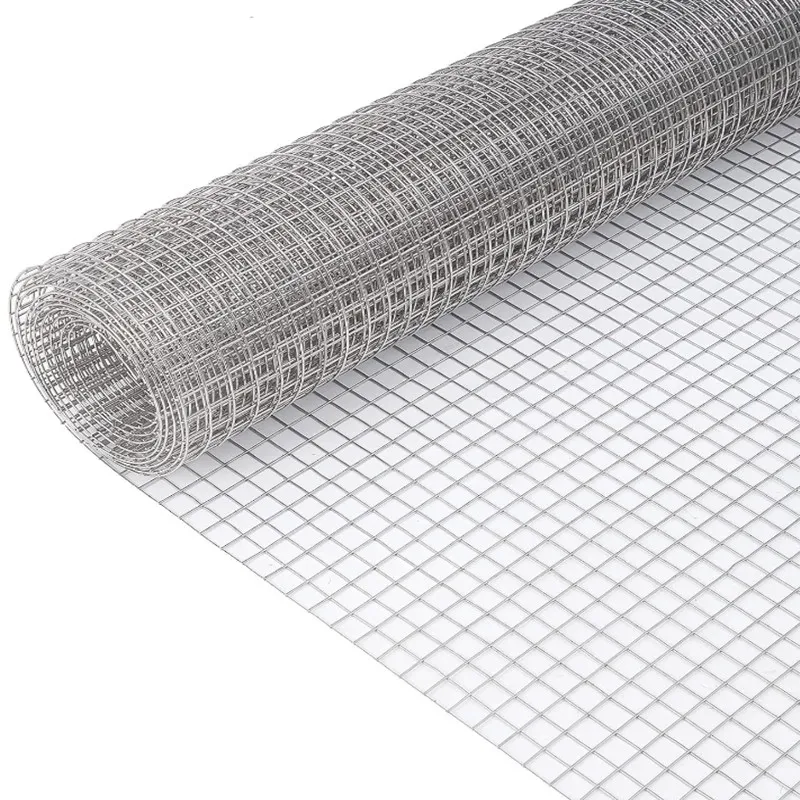
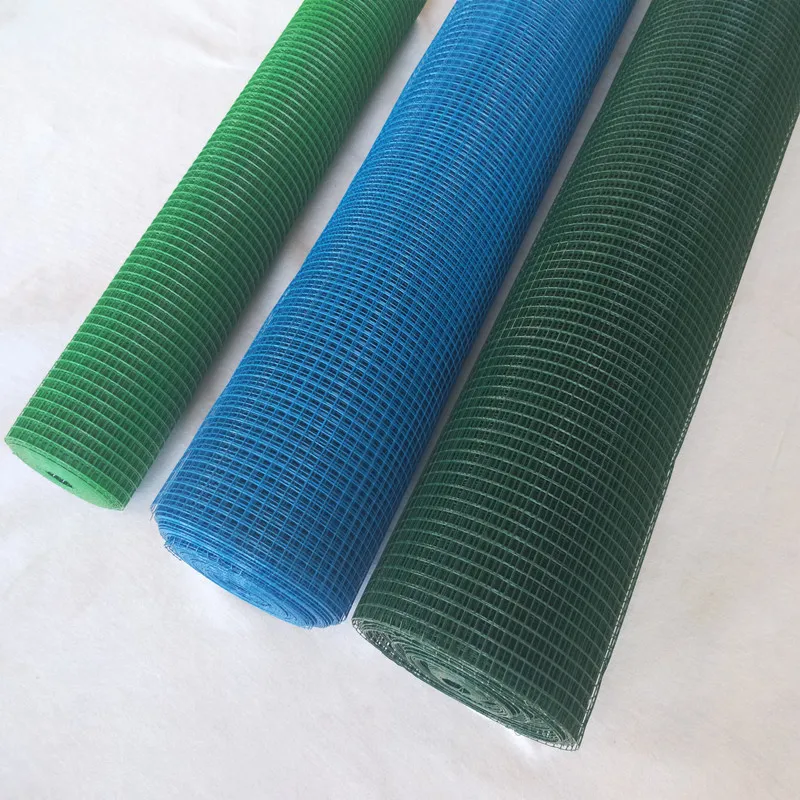
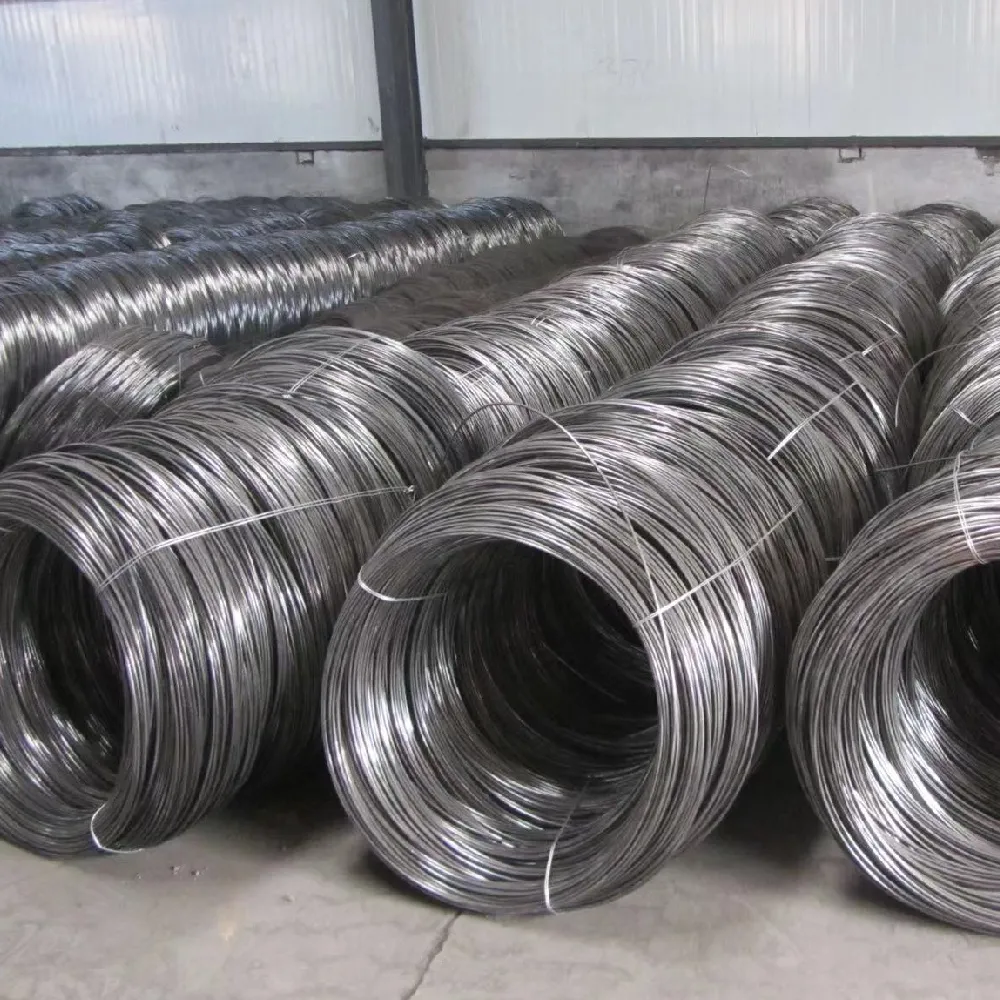
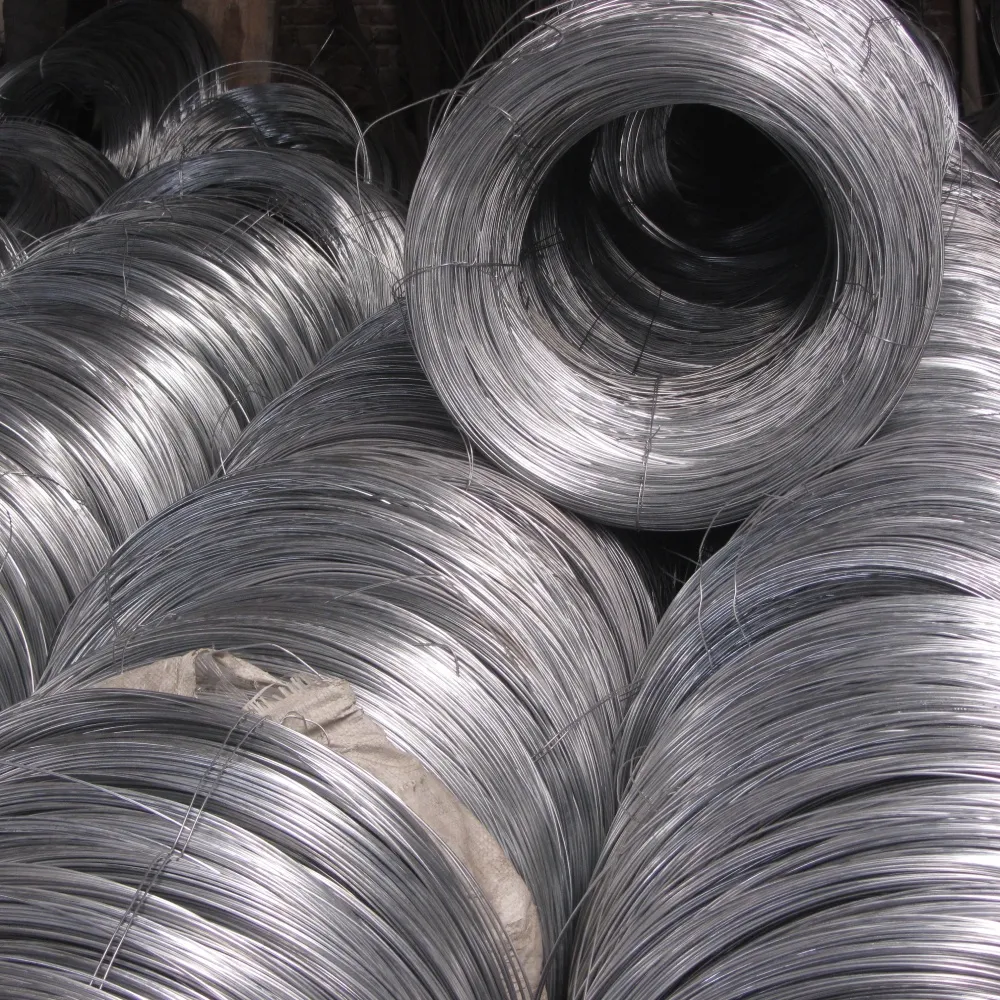
Simply put, a white vinyl chain link fence is a wire mesh fence, typically made from galvanized steel wire, coated with a thick layer of white polyvinyl chloride (PVC/vinyl). This coating not only gives it a clean, attractive appearance but also protects the metal underneath from corrosion, UV rays, and other environmental hazards.
Think of it as the classic chain link fence’s fancier cousin — still fundamentally the same in terms of security and mesh design, but dressed up for longevity and style.
This fencing type is widely used in urban planning, corporate facilities, recreational areas, and even humanitarian projects like refugee camps—where rapid deployment combined with reliability makes a critical difference.
The vinyl coating seals the steel wire against moisture and air, drastically reducing rust and extending fence life beyond 15 to 20 years — sometimes even longer in moderate climates.
No more headaches about repainting every few years or replacing sections due to rust. A quick wash with soap and water often does the trick, and that’s a big plus when budgets are tight.
The crisp white finish stands out, but not harshly. It blends well with gardens, schools, and even commercial properties, elevating the traditional chain link look with clean lines and a neat finish.
While the initial installation cost might be slightly higher than plain galvanized fencing, the lower maintenance and longer lifespans often balance the scales — especially in harsh environments.
Thanks to standard fabrication sizes, vinyl-coated chain link fences can be quickly deployed and expanded to meet changing needs, which is why NGOs and governments favor them for temporary or semi-permanent camps.
In some coastal regions, for example, vinyl-coated chain link fences have been preferred over bare steel due to salt spray’s corrosive impact. It’s a practical, localized solution that reflects how adaptable the product really is.
Mini takeaway: When it comes to fencing, function meets style, and vinyl-coated chain link fences keep pace with modern, global infrastructure demands.
There’s a confidence in knowing your perimeter fence won’t be a weekly worry. That’s the emotional benefit many users report — a trust factor based on reliability. But there are also tangible gains:
Soft-touch benefits like a visually pleasing barrier can improve the community feel, reduce vandalism risks, and signal that a property owner cares about both security and aesthetics.
Vinyl coatings continue to improve with advances in polymer science, making fences even more UV resistant and flexible. Some manufacturers are experimenting with anti-microbial additives to reduce mold and mildew buildup, especially in humid climates.
Beyond materials, we’re seeing some integration with smart technologies—imagine fences with embedded sensors for intrusion detection or lighting activation. While these aren’t standard yet, the convergence between traditional fencing and digital security is growing.
Sustainability-wise, manufacturers are exploring recyclable vinyl composites and lower carbon footprint production methods to answer rising environmental concerns and regulatory pushes globally.
Despite the many benefits, white vinyl chain link fences aren't perfect:
Experts recommend using premium vinyl formulations and pairing fences with routine gentle cleaning. Some projects mitigate costs by prioritizing vinyl fencing in higher-visibility or harsher environments, combining it with other fencing types elsewhere.
And here’s the kicker — ongoing R&D and customer feedback loops mean solutions only get better from here.
| Feature | Specification |
|---|---|
| Material | Galvanized Steel Wire with PVC Vinyl Coating |
| Wire Gauge | 9 to 12 Gauge (3.05 mm to 2.05 mm) |
| Mesh Size | 2" to 2.5" Diamond Mesh |
| Coating Thickness | 12 to 20 mils (0.3 to 0.5 mm) |
| Height Options | 3 ft, 4 ft, 5 ft, 6 ft, 8 ft |
| Lifespan | 15 - 25 years (depending on environment) |
| Vendor | Price Range | Customization Options | Delivery Time | Customer Support |
|---|---|---|---|---|
| FenceCo Solutions | $$$ | Color options, various heights | 2-3 weeks | 24/7 hotline, custom consulting |
| EcoSecure Fencing | $$ | Standard white, limited height range | 1-2 weeks | Email support, FAQ available |
| GlobalVinyl Fence | $$$$ | Full custom colors, UV coating upgrades | 3-4 weeks | Dedicated account managers |
A: Generally, these fences last between 15 to 25 years, depending on environmental exposure and maintenance practices. The vinyl coating provides excellent UV and corrosion resistance, especially protecting the steel core from rust, which extends lifespan compared to uncoated fences.
A: Initial costs are slightly higher due to the extra materials and coating processes. However, lower maintenance requirements and longer lifespan usually make it more cost-effective over the long run.
A: Absolutely. The PVC vinyl coating offers strong protection against salt spray and moisture, making it one of the better fencing options for coastal and marine environments.
A: Yes. Many vendors offer various height options, and while white is the most popular for aesthetics, other colors and enhanced UV-resistant coatings can be requested for specialized applications.
A: Cleaning is simple: a gentle wash with mild soap and water every six months or so prevents dirt buildup and maintains the crisp white appearance.
It’s clear white vinyl chain link fences aren’t just “fencing.” They symbolize a smart choice for modern infrastructure—balancing durability, cost, and style. In urban and rural settings alike, they make sure boundaries aren’t merely lines on the map but trusted, lasting barriers that contribute to safety, community pride, and sustainability.
Whether you’re planning a residential neighborhood, securing an industrial yard, or managing humanitarian aid sites, these fences offer a solution well worth considering. Their ability to adapt, protect, and even beautify is hard to beat.
If you want to explore more about white vinyl chain link fence options and find trusted suppliers, visit our partner site: white vinyl chain link fence. You’ll find detailed catalogs, expert advice, and customizable solutions tailored for your needs.
Mini takeaway: Vinyl-coated fences show how a simple innovation in coating technology can elevate everyday infrastructure — turning fences into assets for years.
RELATED PRODUCTS






Top