0%

Table of Contents

Fence panels represent a cornerstone of modern infrastructure, providing security, privacy, and aesthetic appeal to residential, commercial, and industrial properties. Globally, the demand for robust and versatile fencing solutions continues to rise, driven by factors like increasing urbanization, heightened security concerns, and a growing emphasis on property value. Understanding the nuances of fence panel construction, materials, and applications is crucial for architects, contractors, homeowners, and anyone involved in property development or management. A quality fence panel is an investment in lasting protection and enhanced property aesthetics.

The fence panel market is a substantial economic force, with billions of dollars exchanged annually. According to industry reports, North America and Europe currently hold the largest market share, but rapid growth is anticipated in emerging economies across Asia-Pacific and Latin America. This expansion is fueled by infrastructural development and increasing disposable incomes. However, challenges remain, including supply chain disruptions, fluctuating raw material costs, and the need for more sustainable manufacturing practices within the fence panel industry.

Ultimately, effective fencing is about more than just boundaries; it's about creating safe, secure, and visually appealing environments. The continued innovation in materials and designs ensures that fence panels remain a vital component of our built world, adapting to meet evolving needs and aesthetic preferences.
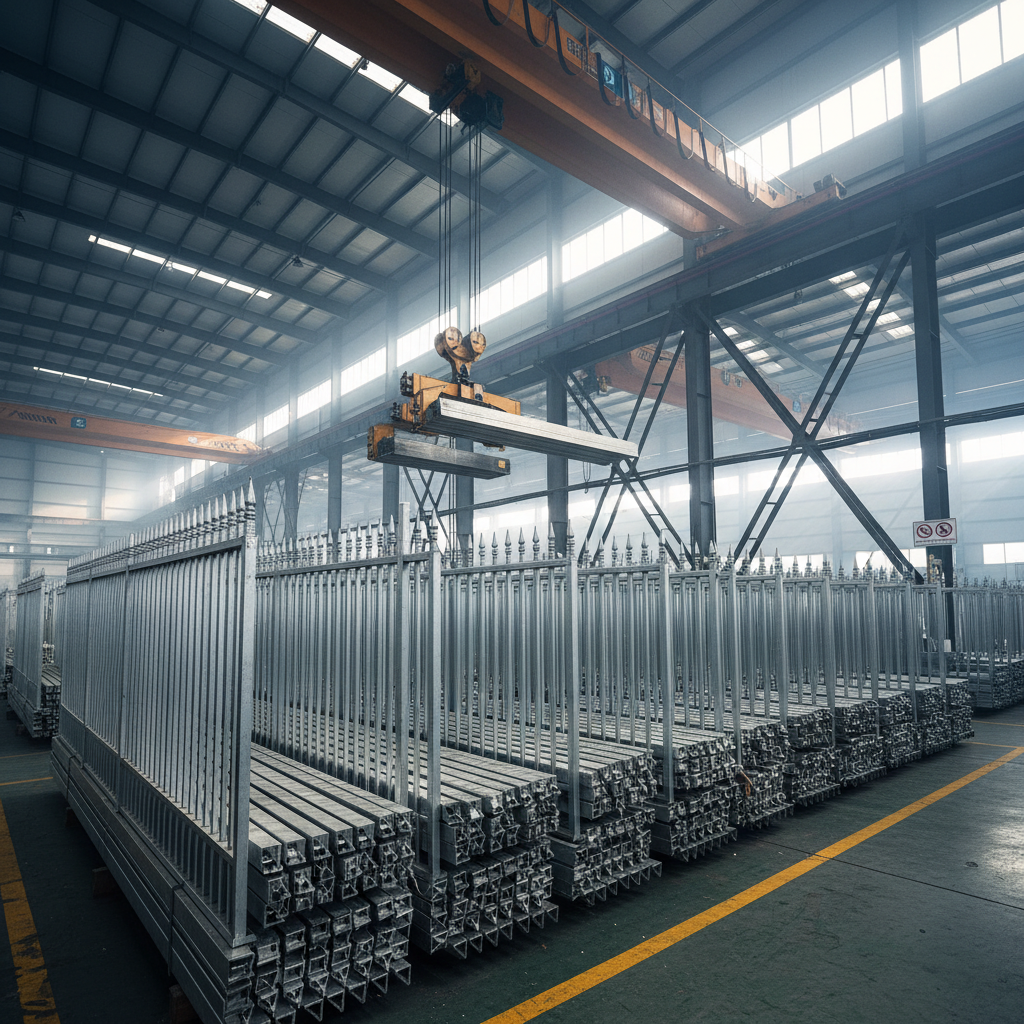
Exploring the Versatility and Importance of Modern Fence Panel Solutions

The Significance of Fence Panel

Exploring the Versatility and Importance of Modern Fence Panel Solutions

The proliferation of fence panels demonstrates their fundamental role in defining boundaries and securing properties across diverse environments. They are not merely functional elements but contribute significantly to the aesthetic appeal of landscapes and urban spaces. Selecting the appropriate fence panel requires careful consideration of factors like material durability, design compatibility, and local climate conditions.

Beyond residential applications, fence panels play a critical role in industrial security, livestock management, and crowd control, showcasing their adaptability and versatility. The ongoing development of innovative fencing materials and technologies continues to elevate the standards for performance and longevity.

Defining Fence Panel

A fence panel is a pre-assembled section of fencing, typically constructed from materials like wood, vinyl, metal, or composite materials. These panels are designed to be easily installed between posts, creating a continuous barrier. The term encompasses a wide range of styles, from traditional picket fences to modern privacy screens, each tailored to specific needs and aesthetic preferences.

In modern industry, fence panels represent a shift towards modular construction, offering faster installation times and reduced labor costs compared to traditional fencing methods. This approach aligns with the increasing demand for efficient and cost-effective building solutions. The use of durable materials ensures a long service life, minimizing the need for frequent repairs or replacements.

Essentially, a fence panel offers a standardized and convenient way to enclose and protect spaces, making it a critical component in both private and public sector projects.

Core Characteristics of Fence Panel

Durability is paramount for any fence panel, as it must withstand exposure to the elements and potential impacts. Materials like treated lumber, vinyl, and galvanized steel are chosen for their resistance to rot, corrosion, and weathering, extending the lifespan of the fence. Selecting a robust fence panel ensures long-term performance.

Aesthetics play a crucial role in the selection of fence panels. The style, color, and texture of the panel should complement the surrounding landscape and architectural design. Options range from classic wood grain finishes to sleek, modern designs, allowing for customization to meet individual preferences.

Maintainability is a significant factor, particularly for homeowners. Materials like vinyl require minimal upkeep, while wood panels may need periodic staining or sealing to prevent deterioration. Low-maintenance fence panels offer long-term cost savings and convenience.

Practical Applications of Fence Panel

Fence panels are extensively used in residential applications to define property boundaries, provide privacy, and enhance curb appeal. Different styles, such as picket fences and privacy fences, cater to varying needs and aesthetic preferences.

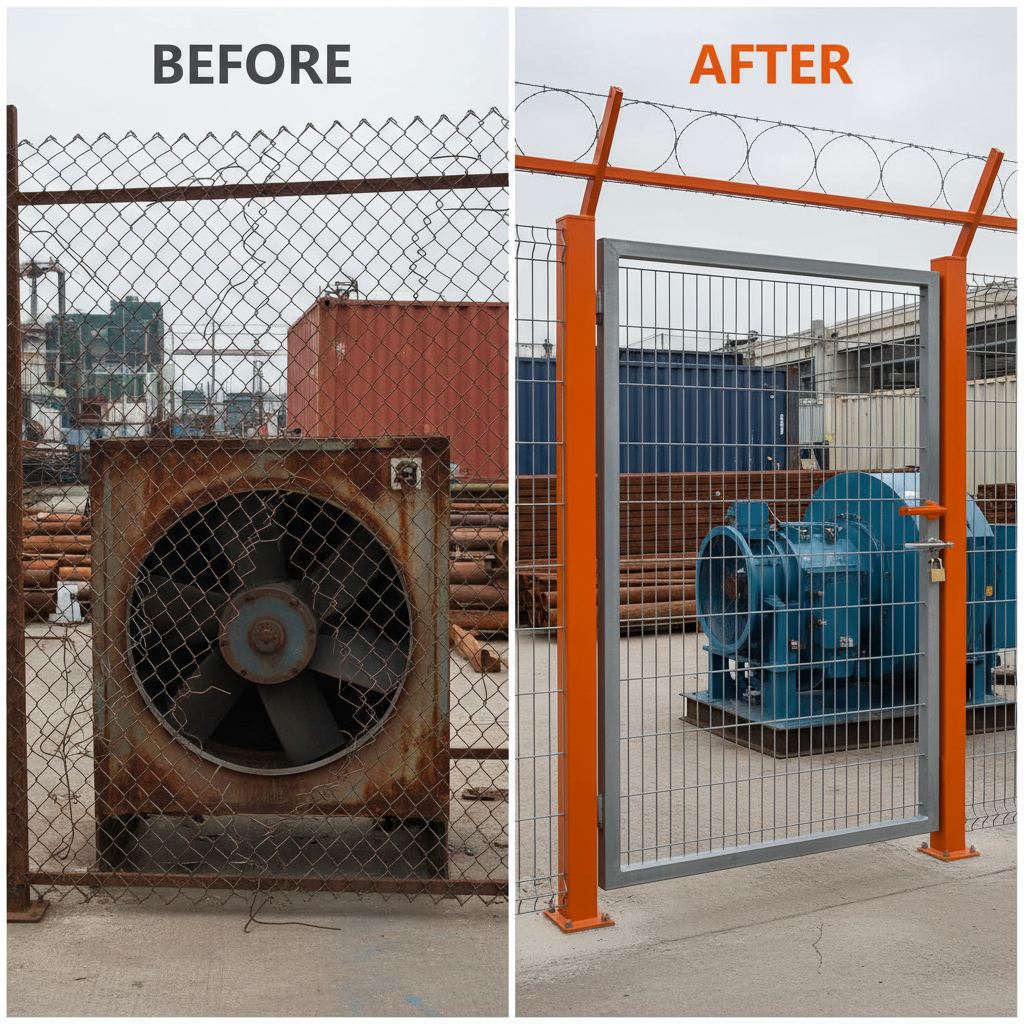
Commercial properties utilize fence panels for security purposes, perimeter control, and noise reduction. High-security fencing solutions are commonly employed around industrial facilities, storage yards, and critical infrastructure.

Fence Panel Performance Metrics


Global Use Cases and Applications

In agricultural settings, fence panels are vital for containing livestock, protecting crops, and delineating property lines. Robust and durable fencing solutions are essential to ensure the safety and security of animals and agricultural resources. A well-maintained fence panel system directly impacts operational efficiency.

Across numerous industrial zones, fence panels play a crucial role in perimeter security, restricting access to sensitive areas and preventing unauthorized entry. They also serve to mitigate noise pollution and provide a visual barrier for enhanced privacy.

Advantages and Long-Term Value

The cost-effectiveness of fence panels is a primary advantage, offering a relatively affordable way to secure and enhance property. Compared to masonry walls or other permanent barriers, fence panels provide a more budget-friendly solution with comparable security benefits.

From an environmental standpoint, materials like recycled vinyl and sustainably sourced wood contribute to a reduced carbon footprint. Choosing eco-friendly fence panels aligns with growing consumer demand for sustainable products.

The long-term value of a well-maintained fence panel system is significant, increasing property value, providing peace of mind, and enhancing the overall aesthetic appeal of the landscape.

Future Trends and Innovations

Smart fencing systems, integrating sensors and connectivity, are emerging as a key trend. These systems can provide real-time security alerts, monitor access points, and even automate gate control, enhancing safety and convenience.

The development of new composite materials, combining the benefits of wood, plastic, and other fibers, is leading to more durable, low-maintenance, and aesthetically pleasing fence panels. These advancements will further reduce the lifecycle costs and environmental impact of fencing solutions.

Furthermore, advancements in nanotechnology are being explored to create self-cleaning and anti-corrosion coatings for metal fence panels, extending their lifespan and reducing maintenance requirements.

Summary of Fence Panel Material Properties

Material Type Durability Score (1-10) Maintenance Level (Low-High) Cost Factor (Low-High)
Wood 6 Medium-High Low-Medium
Vinyl 8 Low Medium
Metal (Steel) 9 Medium Medium-High
Composite 7 Low-Medium Medium-High
Aluminum 7 Low Medium
Chain Link 5 Low Low

FAQS

What are the most durable materials for fence panels?

When considering durability, metal fence panels, particularly those constructed from galvanized steel or aluminum, consistently rank highest. They resist corrosion, weathering, and impact damage effectively. Vinyl panels also offer excellent durability, requiring minimal maintenance and exhibiting resistance to rot and decay. While wood is aesthetically pleasing, it generally requires more upkeep to maintain its structural integrity over time.

How do fence panel costs vary based on material?

Fence panel costs differ significantly depending on the material. Chain link is the most affordable option, followed by wood. Vinyl and aluminum panels typically fall in the mid-range, while steel and composite options tend to be the most expensive due to their increased durability and specialized manufacturing processes. Installation costs also contribute to the overall expense.

What maintenance is required for different fence panel types?

Maintenance needs vary widely. Wood requires regular staining, sealing, or painting to prevent rot and warping. Vinyl is incredibly low-maintenance, needing only occasional cleaning. Metal panels may require periodic repainting or rust treatment. Composite panels offer a balance, generally needing only washing to remove dirt and debris.

Are there environmentally friendly fence panel options?

Yes, several eco-friendly options are available. Recycled vinyl panels are an excellent choice, utilizing post-consumer materials. Sustainably sourced wood, certified by organizations like the Forest Stewardship Council (FSC), ensures responsible forestry practices. Composite materials, incorporating recycled plastic and wood fibers, also reduce environmental impact.

How long do fence panels typically last?

The lifespan of fence panels varies by material. Wood panels generally last 10-20 years with proper maintenance. Vinyl panels can last 20-30 years or more. Metal panels, especially galvanized steel or aluminum, can last 25-50 years. Composite panels typically have a lifespan of 20-25 years.

What considerations should be made when choosing a fence panel for security?

For enhanced security, choose a robust material like steel or a reinforced composite. Opt for taller panels to deter climbing, and consider adding security features like anti-climb paint or barbed wire (where legally permitted). Ensure the fence posts are securely anchored in concrete foundations to prevent forced entry. A properly installed fence panel is critical to security.

Conclusion

In conclusion, fence panels represent a versatile and essential element of modern infrastructure, offering a blend of security, privacy, aesthetics, and functionality. From residential boundaries to industrial perimeters, the appropriate fence panel solution contributes significantly to property value, safety, and overall quality of life. Understanding the diverse materials, applications, and future trends is crucial for making informed decisions.

As technology and material science continue to evolve, we can expect to see even more innovative and sustainable fencing solutions emerge. Prioritizing durability, maintainability, and environmental responsibility will be key to ensuring the long-term value and effectiveness of fence panels for generations to come. Visit our website today to explore our range of quality fence panels: www.tikemetal.com.

Michael Davis

Michael Davis

Michael Davis is a Quality Control Specialist at SHENZHOU TIKE METAL CO., LTD. Responsible for upholding our ISO9001 and ISO 14000 standards, Michael rigorously tests and inspects all products – from Welded Mesh Panels to Gabion Boxes – ensuring they meet the highest quality benchmarks. With a background in metallurgical
Previous The Growing Importance of Panel Fence Systems in Modern Infrastructure and Security
Next Exploring the Versatility and Innovation of Modern Mesh Panel Technology