Garden wire netting – it's more than just fencing, believe me. I've spent years on construction sites, seen it used for everything from securing perimeters to protecting young trees. It’s a simple thing, often overlooked, but a properly chosen and installed netting can save headaches, money, and even prevent injuries. We're talking about a fundamental component in landscaping, agriculture, and even temporary site security. Understanding the nuances of different gauges, mesh sizes, and materials is key to getting the job done right. It’s not glamorous, but it's essential, and a solid understanding of garden wire netting can make all the difference.
The global demand for robust and reliable fencing solutions is steadily increasing, driven by growth in agriculture, infrastructure development, and a rising focus on security. The UN projects continued population growth, particularly in urban areas, which fuels the need for secure land management and controlled access. Globally, the fencing market is a multi-billion dollar industry, and a significant portion of that demand is fulfilled by wire netting products. This isn’t just about keeping animals in or out; it’s about safeguarding crops, protecting property, and ensuring public safety. The challenge lies in balancing cost-effectiveness with durability and sustainability—something we wrestle with constantly on site.
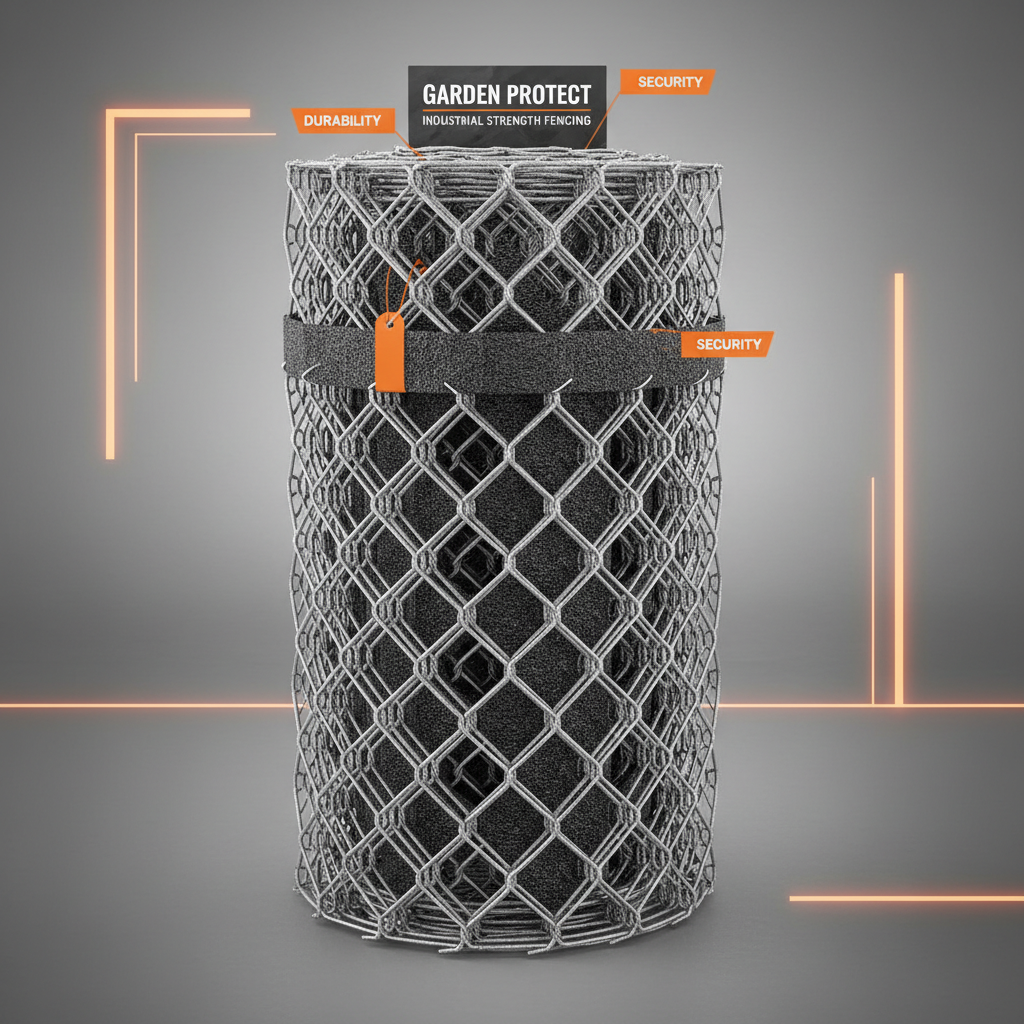
Simply put, garden wire netting is a woven or welded mesh made from wire, typically steel or galvanized steel, used to create a barrier. It's the workhorse of perimeter control. It’s readily available, relatively inexpensive, and surprisingly versatile. You'll find it protecting gardens from rabbits, securing construction sites from trespassers, supporting climbing plants, and even in industrial applications. Think of it as a foundational element, like concrete or steel beams – it doesn't grab the headlines, but without it, a lot of things fall apart. Its connection to modern industry isn't just about agriculture; it’s about creating secure and managed environments, whether that's a farm, a construction zone, or a public park.
Key Factors or Core Components
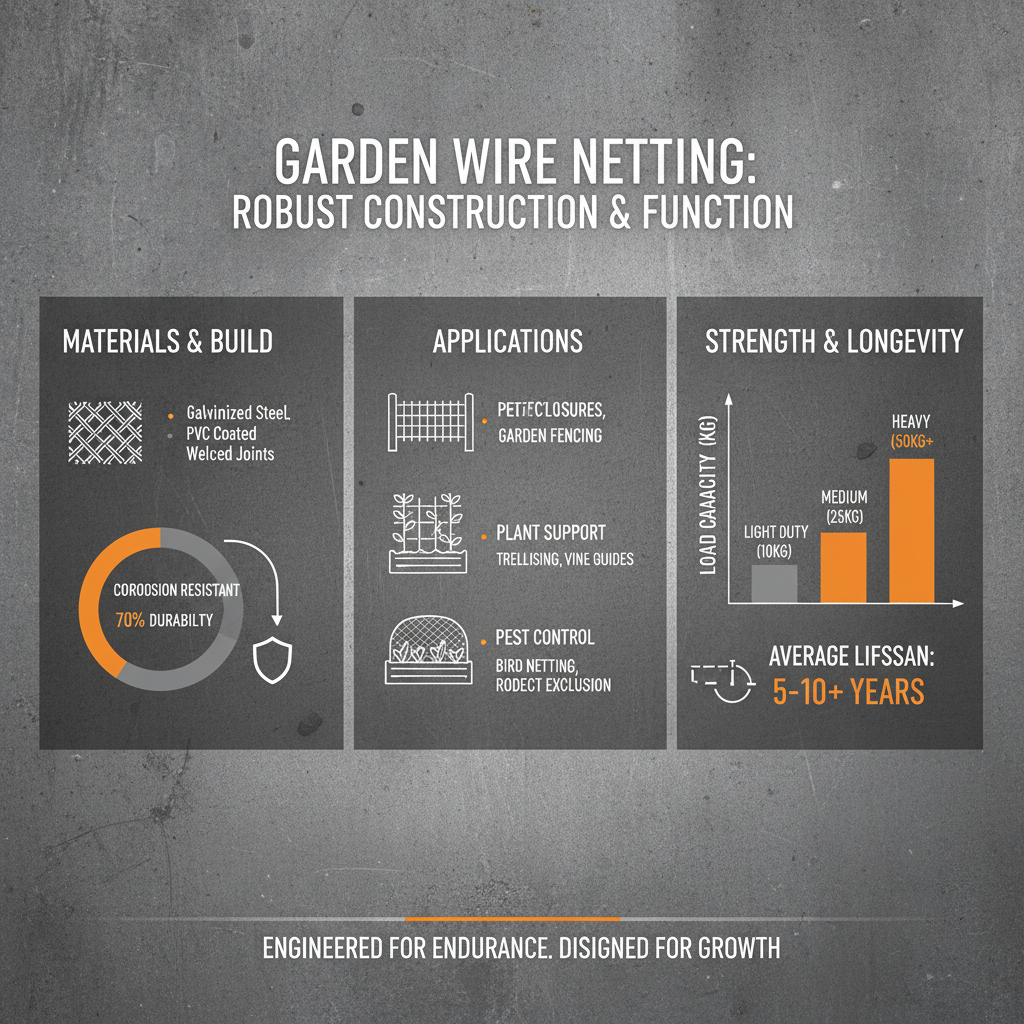
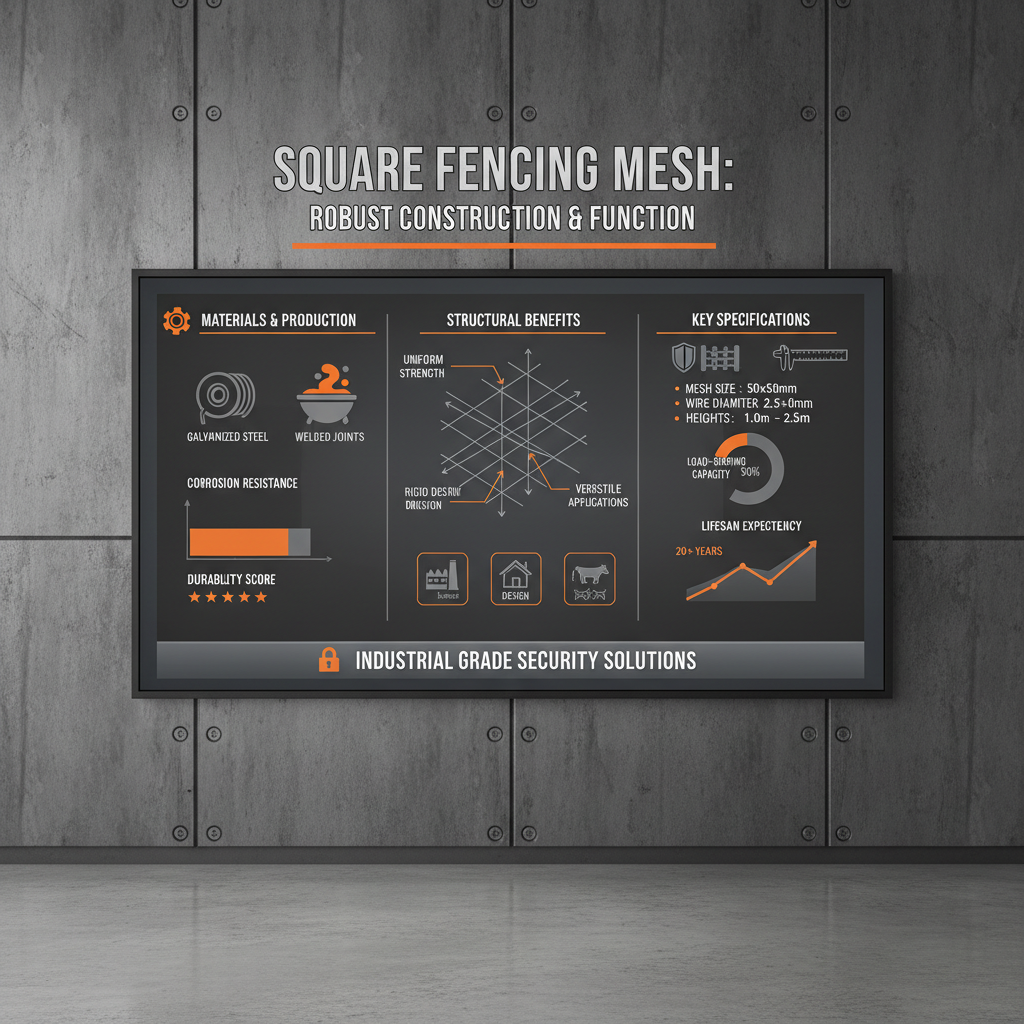
When I’m spec’ing out garden wire netting for a job, I’m looking at a few key things. First, the wire gauge – thicker wire means more strength and longevity, especially in harsh environments. Then there’s the mesh size; smaller mesh keeps out smaller pests, but can also be more expensive. The material is crucial too: galvanized steel offers good corrosion resistance, while PVC-coated netting provides even better protection, although at a premium. Finally, the weave – welded wire is generally stronger than woven wire, but also less flexible. It all comes down to the application and the budget, but knowing these factors is crucial.
Another component to consider is the knot type in woven netting. Different knots offer varying levels of security and flexibility. A square knot is common and relatively inexpensive, but a more complex knot like a twisted knot provides greater strength and prevents the netting from unraveling easily. Honestly, I've seen projects fail because someone skimped on the knot type. It’s those little details that make a difference out on the site.
Definition & Meaning
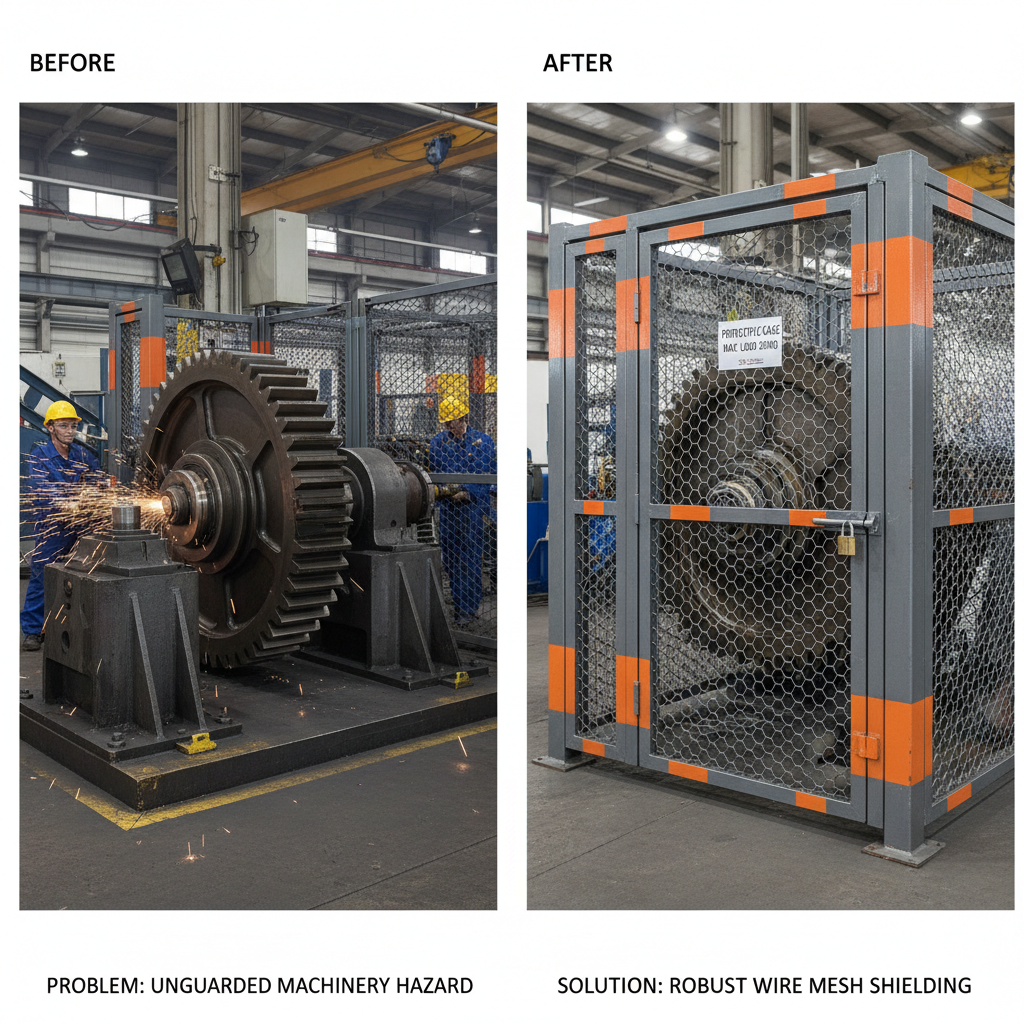
As I mentioned, garden wire netting is fundamentally a barrier. But it’s more than that. It's a means of defining space, controlling access, and protecting investments. In modern agriculture, it's essential for creating controlled growing environments, protecting crops from pests and the elements. In construction, it's a safety measure, preventing falls and securing materials. And increasingly, we're seeing it used in environmental restoration projects, stabilizing slopes and preventing erosion.
Its importance extends beyond the practical. Well-maintained netting enhances the aesthetic appeal of a property, providing a neat and organized appearance. It also contributes to a sense of security and peace of mind. A good fence, made with quality netting, can be the difference between a thriving garden and one ravaged by wildlife, or a secure worksite and one plagued by theft.
The need for effective barrier solutions is deeply rooted in human history. From the earliest use of natural materials to create enclosures, to the development of more sophisticated wire netting, the fundamental purpose remains the same: to protect and control. Today, garden wire netting continues that tradition, offering a cost-effective and versatile solution for a wide range of applications.
Global Applications & Use Cases
The applications are almost limitless. In post-disaster relief operations, wire netting is often used to create temporary shelters and secure perimeters. I've seen it used extensively in refugee camps, providing a basic level of security and privacy. In remote industrial zones, it protects valuable equipment and prevents unauthorized access. In agriculture, it's used to protect orchards, vineyards, and vegetable gardens from pests and wildlife.
I've worked on projects in Australia where netting is crucial for protecting vineyards from kangaroos and birds, ensuring a good harvest. In Europe, it's used extensively for protecting hop fields. And here in North America, it’s standard for securing construction sites and protecting agricultural lands. The specific type of netting used varies depending on the local conditions and the specific application, but the underlying principle remains the same.
Even in urban environments, garden wire netting plays a role, from securing parks and playgrounds to creating temporary barriers for events. The demand for sustainable and eco-friendly fencing solutions is also driving innovation in this sector, with a growing focus on recycled materials and environmentally friendly manufacturing processes.
Durability
Durability is king, especially when you're dealing with outdoor applications. You want something that can withstand the elements—sun, rain, snow, and wind—without corroding or breaking down. Galvanized steel is a good starting point, but even that can eventually rust, especially in coastal environments. PVC coating adds a layer of protection, extending the lifespan of the netting significantly.
However, even the best materials can fail if the netting isn't installed correctly. Proper tensioning and secure attachment points are crucial. A poorly installed net will sag, tear, and ultimately fail to provide the intended protection. That's why I always emphasize the importance of hiring experienced installers who understand the specific requirements of the application.
Durability Ratings of Different garden wire netting Methods
Cost Efficiency
Let’s be real, cost is always a factor. Garden wire netting shines here. Compared to solid fencing options like wood or concrete, it’s significantly more affordable. You get a lot of coverage for your money. But cheaping out can be a mistake. Investing in higher-quality netting with better corrosion resistance will save you money in the long run by reducing the need for frequent repairs or replacements.
The labor costs associated with installation are also relatively low. It’s quick and easy to install, which translates to savings on project timelines and labor expenses. That’s important on any job, big or small.
Advantages & Long-Term Value
Beyond the immediate cost savings, garden wire netting offers long-term value in several ways. It's a low-maintenance solution; unlike wood fences, it doesn't require painting or staining. It's also relatively easy to repair, with damaged sections easily replaced. And, increasingly, manufacturers are offering netting made from recycled materials, contributing to a more sustainable construction industry.
From a practical perspective, it provides peace of mind. Knowing that your property is secure, your crops are protected, or your construction site is safe is invaluable. It's a small investment that can prevent significant losses and headaches down the road.
And let's not forget the flexibility. garden wire netting can be adapted to a wide range of applications, making it a versatile and valuable asset for any project.
Future Trends & Innovations
We’re starting to see some interesting innovations in the wire netting space. The development of high-strength, lightweight alloys is leading to netting that is both more durable and easier to handle. Smart netting, incorporating sensors to detect intrusions or monitor environmental conditions, is also on the horizon.
Sustainability is a major driver of innovation. Manufacturers are increasingly focused on using recycled materials and developing more eco-friendly manufacturing processes. We're also seeing a growing demand for netting that is specifically designed to minimize harm to wildlife.
And with the rise of automation in construction and agriculture, we can expect to see more efficient and precise methods of installing wire netting, further reducing labor costs and improving project timelines.
Summary of Key Factors in the Evaluation of garden wire netting
| Material Composition |
Corrosion Resistance |
Tensile Strength |
Cost-Effectiveness |
| Galvanized Steel |
Moderate (7/10) |
Good (8/10) |
High (9/10) |
| Stainless Steel |
Excellent (10/10) |
Excellent (10/10) |
Low (4/10) |
| PVC Coated Steel |
Very High (9/10) |
Good (8/10) |
Moderate (7/10) |
| Aluminum |
Good (8/10) |
Moderate (6/10) |
Moderate (7/10) |
| High-Tensile Wire |
Variable (6-8/10) |
Excellent (10/10) |
Moderate (7/10) |
| Recycled Plastic |
High (9/10) |
Moderate (6/10) |
High (8/10) |
FAQS
For rabbits, you need a small mesh size – ideally ½ inch or smaller. Chicken wire is a common choice, but it's not the most durable. Galvanized steel wire netting with a small mesh is a better long-term investment, as it will withstand their persistent chewing. Make sure to bury the netting at least 6 inches deep and bend it outwards to prevent them from digging underneath.
The lifespan of galvanized steel netting depends on the environment. In dry climates, it can last 10-15 years or even longer. In coastal areas or environments with high humidity, the corrosion process will be faster, and you might start seeing rust after 5-7 years. Applying a protective coating, like PVC, can significantly extend its lifespan.
Not necessarily, but it requires some basic tools and a bit of effort. You’ll need wire cutters, tensioning tools, and staples or clips to secure the netting to posts. The key is to ensure proper tensioning to prevent sagging. If you’re doing a large area, or if you’re not comfortable with DIY projects, it’s best to hire a professional installer.
Woven wire netting is made by interlocking wires, creating a flexible mesh. Welded wire netting is made by fusing wires together at each intersection, resulting in a more rigid structure. Welded wire is generally stronger but less flexible, while woven wire is easier to handle and conform to uneven terrain.
Yes, steel wire netting is recyclable. Many scrap metal recyclers will accept it. However, PVC-coated netting is more difficult to recycle due to the plastic coating. Increasingly, manufacturers are offering netting made from recycled materials, which is a more sustainable option.
For construction site security, you want something substantial. A 12-gauge or 14-gauge galvanized steel wire netting is a good choice. It provides a good balance of strength, durability, and cost. Consider adding barbed wire to the top for extra security, and ensure the netting is securely attached to sturdy posts.
Conclusion
In conclusion, garden wire netting is a deceptively simple yet incredibly versatile solution for a wide range of applications. From protecting crops and securing construction sites to creating safe and controlled environments, it plays a vital role in modern life. Understanding the key factors – material composition, gauge, mesh size, and installation techniques – is essential for maximizing its effectiveness and longevity.
Looking ahead, the future of wire netting is likely to be driven by innovation in materials, sustainability, and smart technology. By embracing these advancements, we can continue to improve the performance and environmental impact of this essential product. If you're considering a fencing solution, don’t underestimate the power of a well-chosen and properly installed garden wire netting system. Visit our website at www.tikemetal.com to learn more and explore our range of high-quality products.