0%

Table of Contents

Wire garden fence solutions are increasingly vital for securing properties and delineating spaces, experiencing growing global demand due to urbanization, increased security concerns, and the need for cost-effective boundary solutions. From simple residential applications to large-scale agricultural and industrial enclosures, wire garden fence plays a crucial role in asset protection and land management. Understanding its various types, installation methods, and long-term maintenance is paramount for ensuring optimal performance and longevity.

The global market for fencing, including wire garden fence, is projected to continue its expansion, driven by infrastructure development in emerging economies and a rising emphasis on perimeter security. According to industry reports, the demand for wire fencing, specifically galvanized and PVC-coated varieties, is experiencing a significant upswing. This growth is not only fueled by new construction but also by replacement cycles as older fencing systems reach the end of their useful life. Addressing the challenges of material sourcing, installation expertise, and environmental sustainability will be key to unlocking further market potential.

Investing in a quality wire garden fence system provides long-term value through reduced maintenance, enhanced security, and improved property aesthetics. Choosing the right type of wire, gauge, and coating for your specific environment and needs is crucial for maximizing its lifespan and minimizing future repair costs. Understanding the different wire garden fence options allows for informed decisions that contribute to both immediate security and sustained property value.
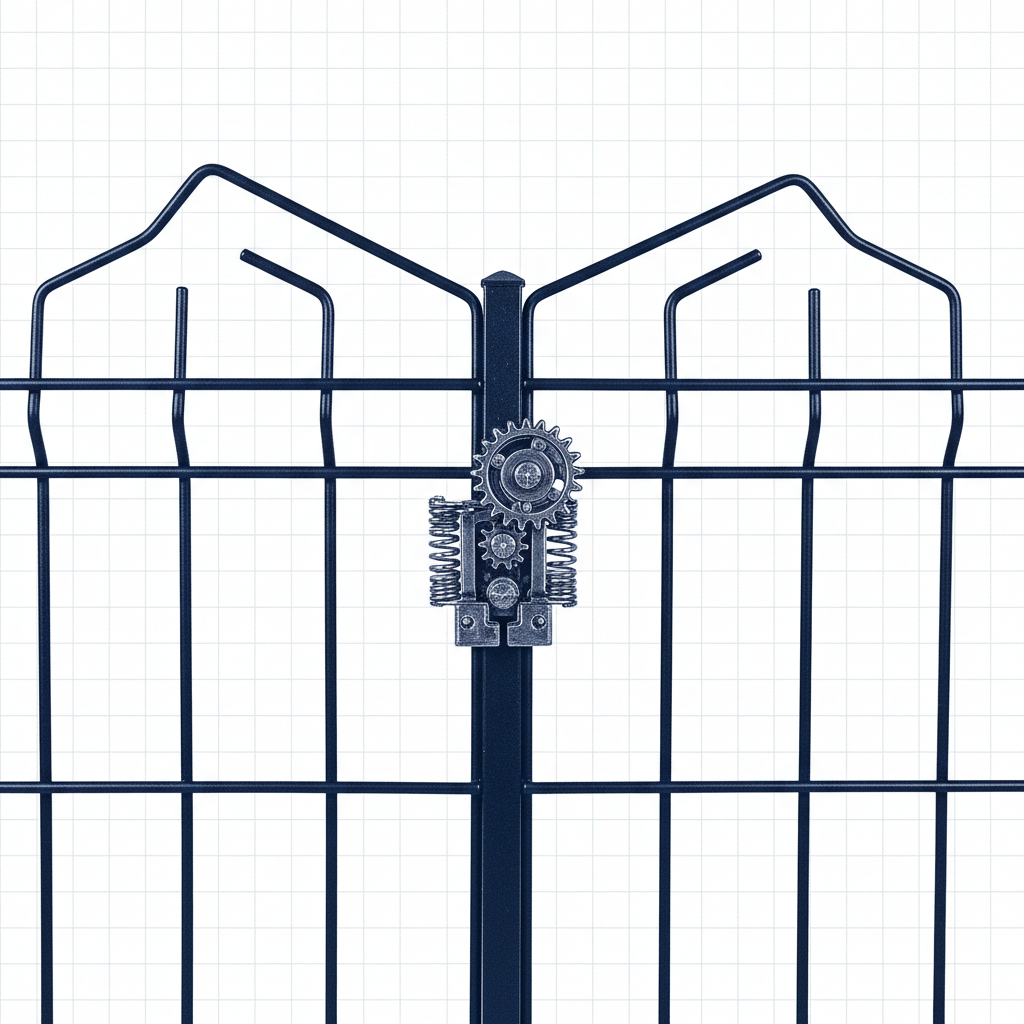
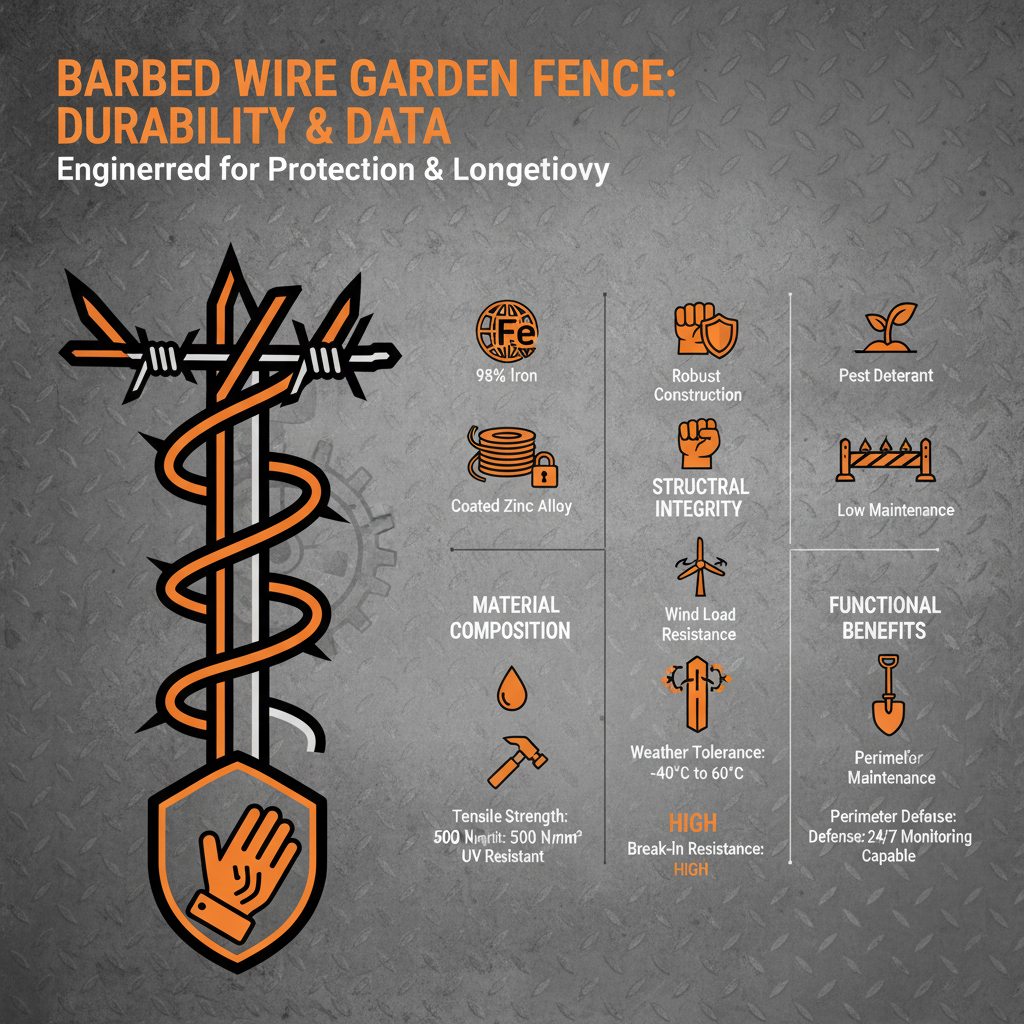
Comprehensive Guide to Wire Garden Fence Solutions and Applications

Introduction to wire garden fence

Comprehensive Guide to Wire Garden Fence Solutions and Applications

Wire garden fence is a versatile and widely used solution for creating boundaries, securing perimeters, and protecting gardens and properties. Its adaptability to various terrains and applications makes it a preferred choice for residential, agricultural, and commercial settings. The material composition and construction techniques directly impact the fence’s durability, longevity, and overall effectiveness.

The simplicity of design, combined with the inherent strength of the materials used, allows for quick and efficient installation, minimizing disruption and cost. Ongoing maintenance, such as regular inspection and the application of protective coatings, is essential for maximizing the lifespan of the wire garden fence and maintaining its integrity. Choosing the right wire gauge and coating for the specific environmental conditions are critical factors to consider during installation.

Defining wire garden fence

Wire garden fence refers to a fencing system constructed primarily from woven or welded metal wires, typically steel or iron. It’s designed to provide a physical barrier for security, containment, or aesthetic purposes. The wires are often galvanized or coated with PVC or other polymers to enhance corrosion resistance and extend the fence’s lifespan. The term "garden fence" specifically implies its use in residential landscapes, though the application extends far beyond domestic gardens.

Unlike solid fencing materials like wood or concrete, wire garden fence allows for visibility and airflow, making it suitable for applications where these factors are important. The mesh size and wire gauge determine the level of security and containment provided. Different weaving patterns and welding techniques create varying degrees of rigidity and flexibility.

Its connection to modern industry lies in its cost-effectiveness, ease of installation, and adaptability to mass production. It provides a crucial component in perimeter security for critical infrastructure, agricultural operations, and public spaces, contributing to both safety and operational efficiency.

Key Characteristics of wire garden fence

Durability is a defining characteristic of quality wire garden fence. Galvanization and polymer coatings protect against rust and corrosion, ensuring a long service life, even in harsh weather conditions. The strength of the wire itself, measured by its gauge, determines the fence’s resistance to physical impact and attempts at breaching.

Versatility is another key advantage. Wire garden fence can be adapted to various terrains and shapes, making it suitable for irregular property boundaries. Different mesh sizes and wire gauges allow customization to meet specific security or containment needs, ranging from keeping small pets contained to deterring larger intruders.

Cost-effectiveness makes wire garden fence an accessible option for a wide range of budgets. Compared to other fencing materials, it typically requires lower initial investment and ongoing maintenance costs. This affordability, coupled with its durability, delivers a strong return on investment over the fence’s lifespan.

Practical Applications of wire garden fence

Residential boundaries are a common application, providing security and defining property lines. It’s frequently used to enclose gardens, protect landscaping, and keep pets safely contained. The visibility offered by wire fencing is often preferred by homeowners who wish to maintain views and a sense of openness.

Agricultural fencing utilizes wire garden fence to contain livestock, protect crops from pests, and delineate pasture boundaries. The specific wire gauge and mesh size are chosen based on the type of animal being contained and the level of security required.

wire garden fence Performance Comparison


Global Use Cases of wire garden fence

In North America, wire garden fence is widely used for residential perimeter security, animal containment on farms, and industrial site enclosure. Its affordability and ease of installation make it a popular choice for homeowners and landowners alike.

Europe utilizes wire fencing extensively in agricultural settings, particularly for sheep and cattle farming. Stringent regulations regarding animal welfare and environmental protection often dictate the specific types of fencing used, with a focus on minimizing injury risk to animals and reducing environmental impact.

Benefits and Long-Term Value of wire garden fence

Cost savings are a significant benefit, as wire garden fence generally represents a lower initial investment compared to alternatives like wood or brick. Reduced maintenance requirements also contribute to long-term cost efficiency, minimizing the need for repairs or replacements.

Enhanced security provides peace of mind by deterring unauthorized access and protecting property. The visibility offered by wire fencing can also act as a deterrent, as potential intruders are more likely to be observed. Furthermore, the durability of galvanized and coated wire fencing ensures lasting protection against the elements and physical damage.

Environmentally sustainable options are available, with recycled wire content and eco-friendly coatings minimizing the environmental footprint. Choosing durable, long-lasting fencing reduces the need for frequent replacements, conserving resources and reducing waste.

Future Trends in wire garden fence Technology

Smart fencing systems, integrating sensors and wireless connectivity, are emerging to provide real-time security alerts and remote monitoring capabilities. These systems can detect breaches, trigger alarms, and even integrate with home automation systems.

Advanced coatings with self-healing properties and enhanced corrosion resistance are being developed to further extend the lifespan of wire garden fence. Nanotechnology and other innovative materials are being explored to create coatings that can automatically repair minor damage and prevent rust formation.

Sustainable materials and manufacturing processes are gaining traction, with a focus on using recycled wire and reducing the environmental impact of production. Manufacturers are increasingly adopting eco-friendly practices to meet growing demand for sustainable fencing solutions.

Analysis of Wire Garden Fence Performance Factors

Performance Category Material Type Environmental Resistance Cost Rating (1-10)
Security High-Tensile Steel Excellent 7
Containment Galvanized Wire Good 6
Aesthetics PVC-Coated Wire Moderate 5
Durability Stainless Steel Superior 9
Ease of Installation Light Gauge Wire Fair 8
Long-Term Cost Galvanized & Coated Very Good 7

FAQS

What is the typical lifespan of a galvanized wire garden fence?

The lifespan of a galvanized wire garden fence typically ranges from 10 to 20 years, depending on environmental factors like humidity, salt exposure, and the quality of the galvanization process. Regular maintenance, such as cleaning and applying protective coatings, can extend this lifespan significantly. Higher-quality galvanization and the addition of polymer coatings can offer up to 30 years of reliable performance.

How do I choose the right wire gauge for my needs?

The appropriate wire gauge depends on the intended use of the fence. For light-duty applications like garden borders, a lighter gauge wire (e.g., 14-16 gauge) may suffice. For security fencing or livestock containment, a heavier gauge wire (e.g., 12-10 gauge) is recommended. Consider the potential for impact or attempts to breach the fence when selecting the wire gauge.

Is wire garden fence suitable for sloped terrain?

Yes, wire garden fence is generally well-suited for sloped terrain due to its flexibility and ability to conform to the ground’s contours. However, proper installation techniques are crucial. Using heavier-duty posts and ensuring adequate tension on the wire are essential for maintaining stability and preventing sagging on steep slopes.

What are the advantages of PVC-coated wire garden fence?

PVC coating offers several advantages, including enhanced corrosion resistance, improved aesthetics, and a smoother surface that reduces the risk of injury to animals or people. PVC coatings are available in a variety of colors, allowing you to customize the look of your fence. They also provide an additional layer of protection against UV damage.

How can I prevent my wire garden fence from sagging over time?

To prevent sagging, ensure that posts are adequately spaced and securely anchored in the ground. Use tension bars or wire stretchers to tighten the wire during installation and periodically re-tension it as needed. Regularly inspect the fence for loose wires or damaged posts and make repairs promptly. Proper installation and maintenance are key to preventing sagging.

What is the environmental impact of wire garden fence production and disposal?

The environmental impact depends on the materials used and manufacturing processes. Choosing recycled wire and eco-friendly coatings can minimize the footprint. Proper disposal is also important; recycling metal fencing is preferable to landfilling. Consider the lifespan of the fence – a durable, long-lasting fence reduces the need for frequent replacements, conserving resources.

Conclusion

Wire garden fence remains a cost-effective, versatile, and reliable solution for a wide range of perimeter security and containment needs. Its adaptability to various terrains, ease of installation, and long-term durability make it a preferred choice for both residential and commercial applications. Continuous innovation in materials, coatings, and smart technology promises to further enhance its performance and sustainability.

Looking ahead, a continued focus on sustainable manufacturing practices, the integration of smart fencing features, and the development of advanced corrosion-resistant coatings will shape the future of wire garden fence technology. Choosing the right wire garden fence solution requires careful consideration of your specific needs, environmental conditions, and long-term goals. Visit our website at www.tikemetal.com to explore our comprehensive range of wire fencing products and find the perfect solution for your project.

Robert Chen

Robert Chen

Robert Chen is the Export Department Manager for North America at SHENZHOU TIKE METAL CO., LTD. He focuses on building and maintaining strong relationships with our partners across the US and Canada. Robert brings 10 years of international trade experience, with a specialized focus on the wire mesh and metal
Previous Comprehensive Guide to Metal Mesh Fence Systems and Applications
Next Exploring the Diverse Types of Fencing Wire Mesh and Their Applications