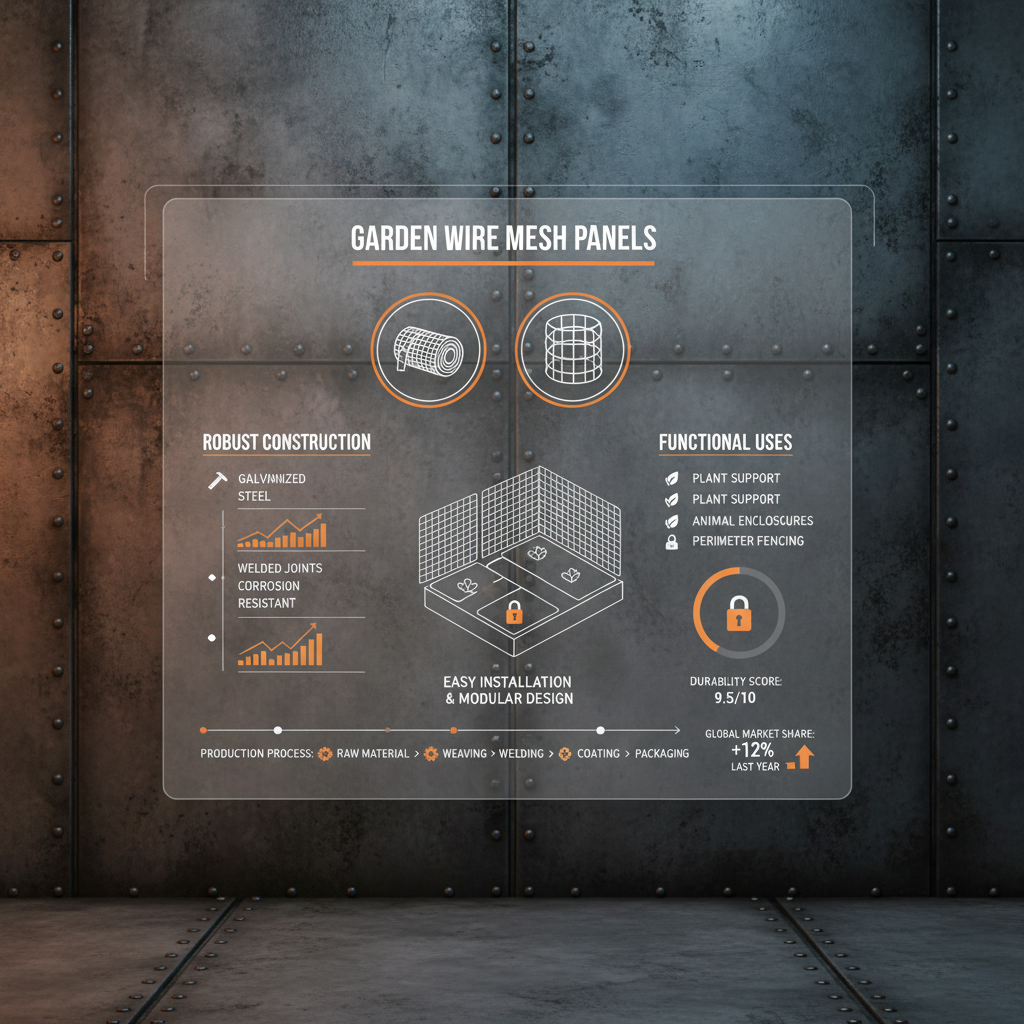
Understanding the specific wire mesh fence details is essential for any land manager or agricultural professional seeking to secure their perimeter. From the gauge of the steel to the spacing of the vertical and horizontal wires, these technical specifications determine how a fence performs under pressure and how long it lasts against the elements. Selecting the right configuration ensures that assets are protected without compromising the safety of the livestock.
Across the global agricultural sector, the shift toward high-tensile steel and specialized coatings has revolutionized how we approach boundary management. Whether it is for managing grazing in pastoral areas or securing a commercial ranch, the ability to analyze wire mesh fence details allows for a customized approach that balances cost-efficiency with structural integrity. This technical precision prevents grassland degradation and optimizes the use of natural resources.
By focusing on the precise wire mesh fence details, such as wire diameters ranging from 2.5mm to 3.4mm, farmers can implement fixed-point grazing and stall-based systems effectively. This strategic approach to fencing not only improves grazing efficiency but also provides a robust defense for forest nurseries, mountain afforestation projects, and construction site isolation.
Technical Specifications of Wire Mesh Fencing
The structural integrity of a fence begins with the raw materials and the precise geometry of the mesh. When examining the core wire mesh fence details, we see that wire diameters typically range from 2.5mm to 3.4mm, providing a necessary balance between flexibility during installation and rigidity once tensioned. This thickness ensures that the fence can withstand the physical impact of livestock without immediate deformation.
Furthermore, the spacing of the wires is critical for specific animal containment. Horizontal wire spacing is available in 7.5cm, 15cm, and 30cm intervals, while vertical spacing varies between 100mm, 200mm, and 300mm. These variations allow users to tailor the fence to the size of the animal, ensuring that calves or smaller livestock cannot slip through while maintaining an open view of the landscape.
The Role of Tensile Strength in Livestock Management
One of the primary challenges in modern farming is ensuring that cattle stay securely within designated areas. High-tensile cattle fence wire is engineered to address this by providing superior resistance to pressure. Unlike traditional wooden fences that crack under stress or plastic alternatives that degrade in UV light, professional-grade wire mesh maintains its structure even when subjected to repeated leaning or rubbing by large animals.
Beyond mere strength, the safety of the herd is a paramount concern. Smooth, high-tensile wire serves as a safer alternative to barbed wire, which often causes unnecessary cuts, scrapes, and infections in livestock. By reducing these injuries, farmers can significantly lower their veterinary costs and reduce the overall stress levels of the animals, leading to healthier and more productive herds.
Durability also extends to environmental resistance. Fences treated with anti-rust coatings and designed for compression resistance can withstand harsh weather, heavy winds, and unexpected wildlife encounters. For large-scale operations, this means a reduction in the frequency of repairs and a significant increase in the operational lifespan of the boundary system.
Global Applications and Use Cases for Mesh Fencing
The versatility of professional wire mesh fence details makes them applicable across a wide array of environments. In pastoral regions, these fences are used to implement planned grazing, which prevents the degradation of grasslands by rotating livestock through specific stalls. This method is essential for maintaining the ecological balance of the soil and promoting sustainable land use.
Beyond agriculture, these systems are deployed for the isolation of tourist areas, hunting zones, and the maintenance of construction sites. In mountain closures for afforestation, the strong mesh prevents wildlife from destroying young saplings, ensuring that reforestation efforts are successful. The ability to customize roll heights from 1.2m to 2.5m allows these fences to be adapted to any terrain.
Commercial ranches in regions like Mexico, New Zealand, and the USA rely on these robust wire mesh fence details to manage massive herds across thousands of hectares. By utilizing ISO-certified materials from manufacturers like SHENZHOU TIKE METAL CO., LTD, ranch owners ensure that their borders are secure against both internal livestock pressure and external environmental threats.
Performance Analysis of Different Mesh Configurations
Selecting the correct configuration depends entirely on the intended use of the perimeter. For instance, a tighter horizontal spacing of 7.5cm is ideal for smaller animals or high-security needs, whereas a 30cm spacing is more efficient for larger beef cattle. Each configuration offers a different balance of material cost and containment capability.
When evaluating the efficiency of these systems, the relationship between wire diameter and tensile strength becomes evident. A 3.4mm wire provides maximum resistance for heavy livestock, while a 2.5mm wire offers a more lightweight, cost-effective solution for boundary marking or smaller farm animals.
Performance Rating of Various Wire Mesh Fence Details
Long-Term Value and Sustainability Benefits
Investing in high-quality cattle fence wire provides long-term economic value by drastically reducing the need for constant repair and replacement. The use of anti-rust coatings and high-tensile steel means that the initial capital expenditure is offset by lower maintenance costs over the decade. For commercial ranchers, this translates to improved efficiency in herd management and more predictable operational budgets.
From a sustainability perspective, the use of durable wire mesh prevents the overgrazing of land. By creating secure, planned grazing divisions, farmers can ensure that grasslands have time to recover, thereby protecting the natural environment and preventing soil erosion. This symbiotic relationship between infrastructure and ecology is key to the future of sustainable animal husbandry.
Overcoming Installation Challenges on Commercial Ranches
Installing kilometers of fencing on a commercial ranch presents significant logistical challenges. Terrain variability, soil conditions, and livestock behavior must all be analyzed to avoid weak points in the fence line. Professional cattle fence builders bring the specialized tools and expertise necessary to ensure that the tension is uniform across the entire stretch, preventing sags that could be exploited by livestock.
Customization is another critical factor for success. Different herds—such as calves, dairy cows, or beef cattle—require different fence heights and wire spacings. Professional builders tailor the installation to the specific needs of the herd, integrating gates and loading areas that improve the daily workflow for ranch workers.
The speed and accuracy of a professional installation allow ranchers to focus on their core operations rather than struggling with infrastructure. Using high-quality products from SHENZHOU TIKE METAL CO., LTD ensures that the materials are consistent, making the installation process smoother and the end result more reliable.
Comparative Analysis of Fencing Materials
When comparing wire mesh to traditional fencing materials, the advantages of steel mesh are evident. Wooden fences are susceptible to rot, termites, and cracking, while plastic fencing often becomes brittle under intense sunlight. In contrast, galvanized steel mesh provides a permanent solution that maintains its structural integrity regardless of the climate.
The cost-benefit analysis also favors high-tensile wire when considering the labor required for maintenance. While the initial cost of professional-grade steel may be higher than basic timber, the lack of recurring replacement costs makes it the more economical choice over a five-to-ten-year horizon.
Ultimately, the choice of material defines the safety of the livestock. The smooth surface of cattle wire prevents the injuries associated with barbed wire, ensuring that the animals remain healthy and stress-free, which directly correlates to higher productivity in commercial farming operations.
Core Comparison of Wire Mesh Fence Specifications
|
Wire Diameter
|
Horizontal Spacing
|
Primary Application
|
Durability Rating
|
| 2.5mm |
30cm |
Boundary Marking |
7/10 |
| 3.0mm |
15cm |
General Cattle Grazing |
8/10 |
| 3.4mm |
7.5cm |
High-Pressure Containment |
10/10 |
| 3.0mm |
30cm |
Forestry / Afforestation |
8/10 |
| 2.5mm |
7.5cm |
Small Livestock/Calves |
7/10 |
| 3.4mm |
15cm |
Commercial Ranch Border |
9/10 |
FAQS
Cattle fence wire is specifically designed with high tensile strength to withstand the repeated leaning and rubbing of large animals. Unlike wooden or plastic options, it maintains its structure under pressure, ensuring livestock stay securely within their designated areas without the fence breaking or cracking.
Standard specifications typically include wire diameters between 2.5mm and 3.4mm. Horizontal spacing is often available in 7.5cm, 15cm, or 30cm, while vertical spacing ranges from 100mm to 300mm. Roll heights vary from 1.2m to 2.5m with lengths from 30m to 100m.
Yes, smooth high-tensile cattle wire is significantly safer. It provides the necessary containment without the risk of cuts or scrapes associated with barbed wire. This reduces veterinary costs and minimizes stress on the animals, leading to better overall herd health.
By using secure mesh fencing, farmers can implement "fixed-point grazing" or stall-based rotation. This allows specific areas of grassland to recover and regenerate while livestock are moved to different sections, effectively improving land utilization and protecting the natural environment.
Professional builders evaluate terrain and livestock behavior to design a fence that lasts. They use specialized tools for precise tensioning and can customize the height and spacing for different animal types, ensuring there are no weak points that could lead to costly breaches.
Anti-rust coatings protect the steel from oxidation caused by rain, humidity, and soil contact. This significantly extends the life of the fence in harsh weather conditions, reducing the frequency of replacements and lowering the total cost of ownership for the farm.
Conclusion
In summary, the technical wire mesh fence details—ranging from wire gauge and spacing to tensile strength and protective coatings—are the primary determinants of a fence's success. By selecting high-tensile, smooth-surface wire, farmers can ensure the safety of their livestock while implementing sustainable grazing practices that protect the environment. The integration of professional installation and ISO-certified materials creates a secure boundary that optimizes both productivity and land management.
Looking forward, the shift toward more durable and animal-friendly fencing materials will continue to drive efficiency in the global agricultural sector. For ranch owners and farmers, investing in professional-grade mesh is not just a security measure, but a strategic investment in the longevity of their land and the well-being of their herds. To explore high-quality solutions for your property, visit our website: www.tikemetal.com