0%

Table of Contents

Types of mesh wire fencing are crucial components in a wide range of applications, from agricultural containment and security perimeters to industrial safety and even specialized architectural designs. Understanding the nuances of different mesh types—their materials, weave patterns, and coatings—is essential for selecting the optimal fencing solution for specific needs. This knowledge empowers informed decision-making, leading to increased durability, cost-effectiveness, and overall project success.

Globally, the demand for robust and versatile fencing solutions is steadily increasing, driven by factors like population growth, urbanization, and heightened security concerns. The market is estimated to be worth billions, with significant regional variations in preference and application. From protecting livestock in rural areas to safeguarding critical infrastructure in urban centers, effective mesh wire fencing plays a vital role in countless settings.

Furthermore, advancements in materials and manufacturing techniques are continuously expanding the possibilities within the types of mesh wire fencing sector, creating innovative solutions for even the most challenging environments. These advancements contribute to enhanced performance, reduced maintenance, and a longer service life for fencing installations worldwide.
Exploring the Diverse Landscape of Types of Mesh Wire Fencing Solutions

Understanding the Core Types of Mesh Wire Fencing

Exploring the Diverse Landscape of Types of Mesh Wire Fencing Solutions

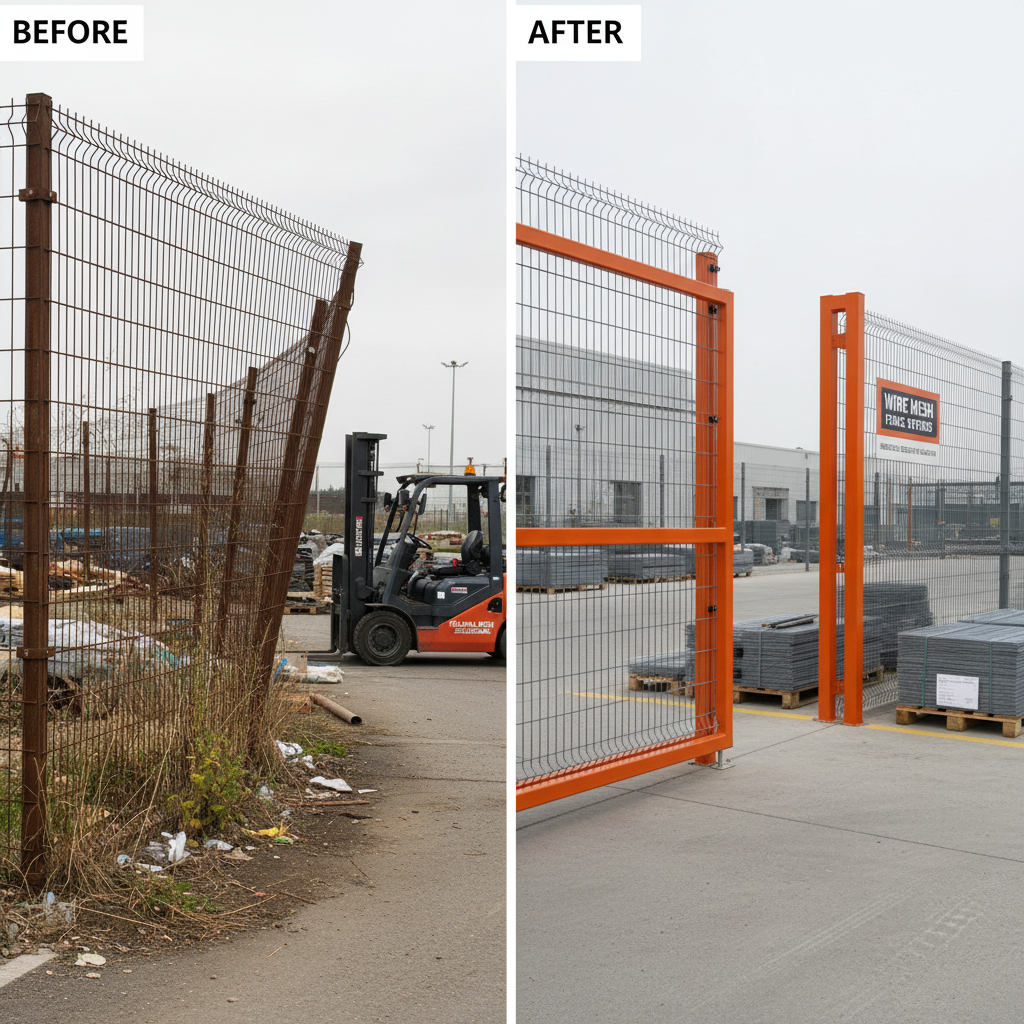
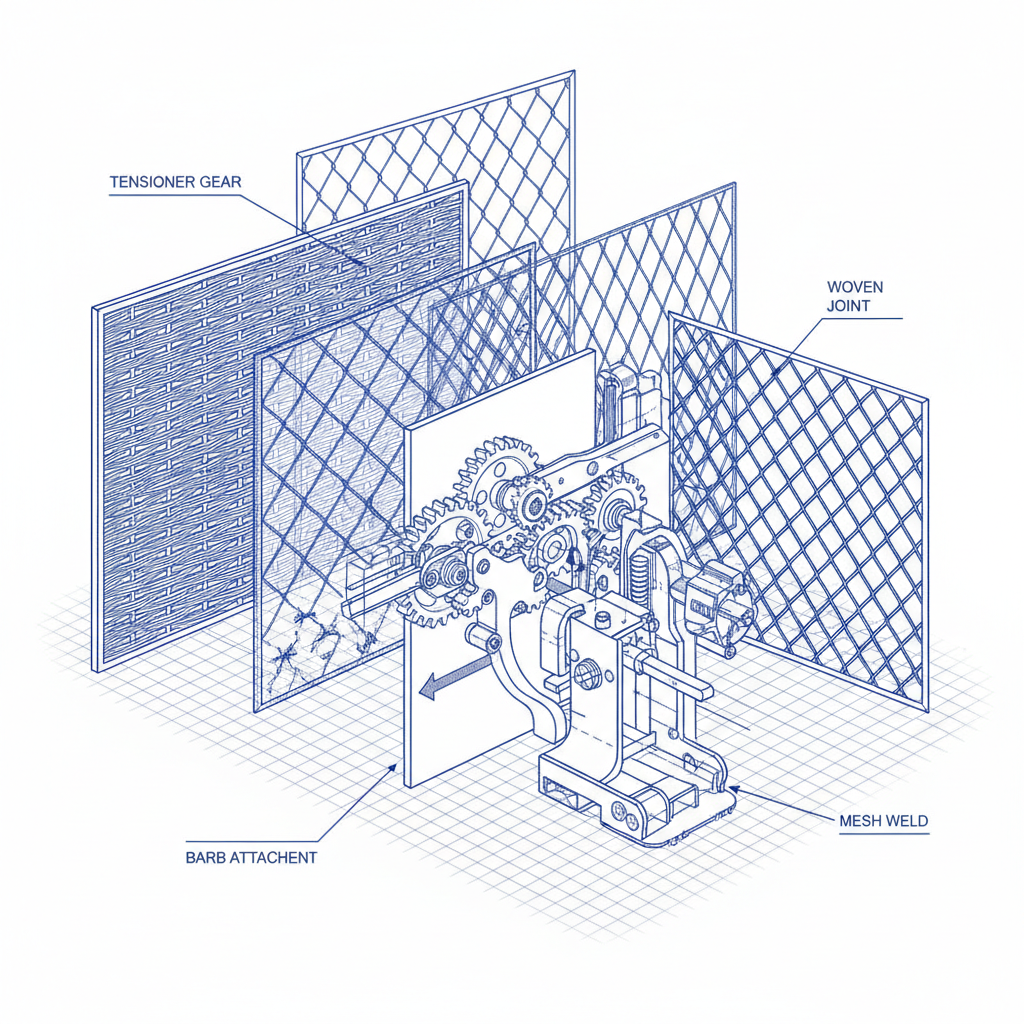
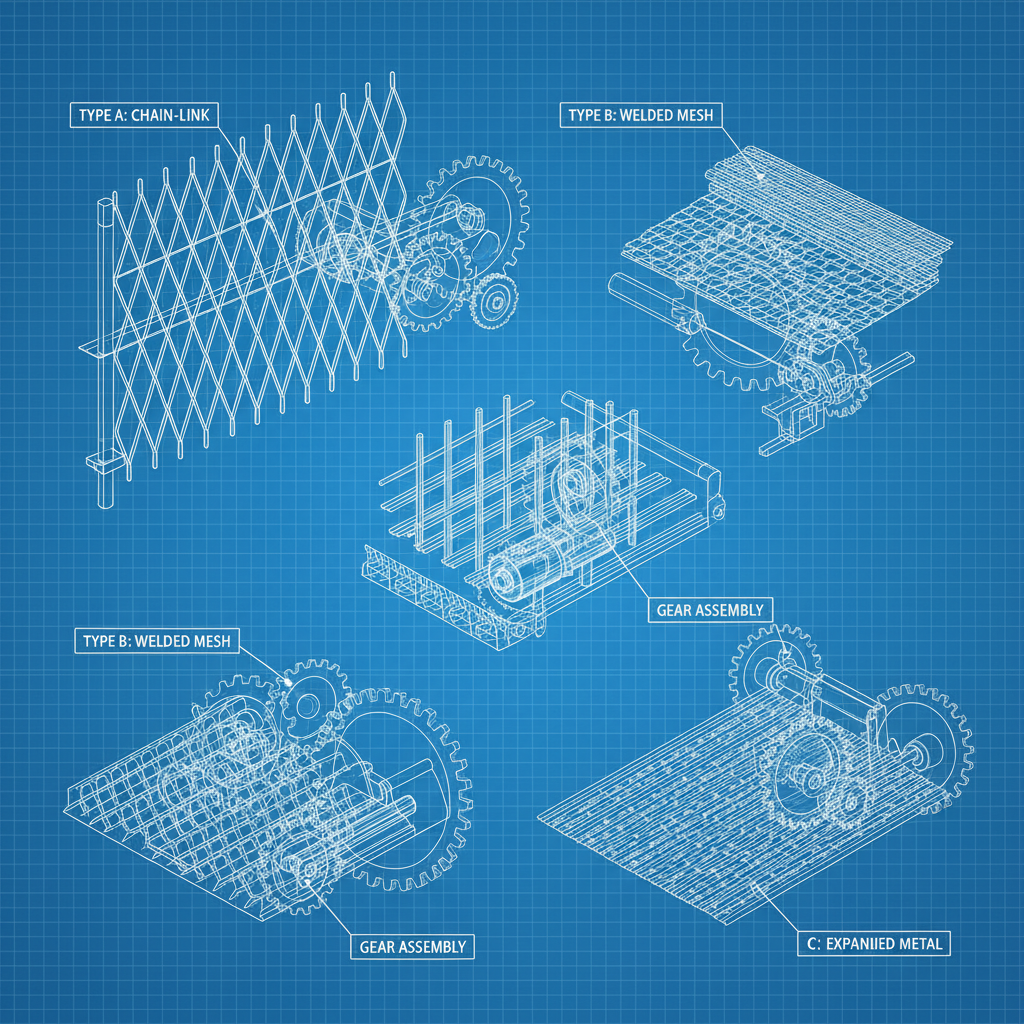
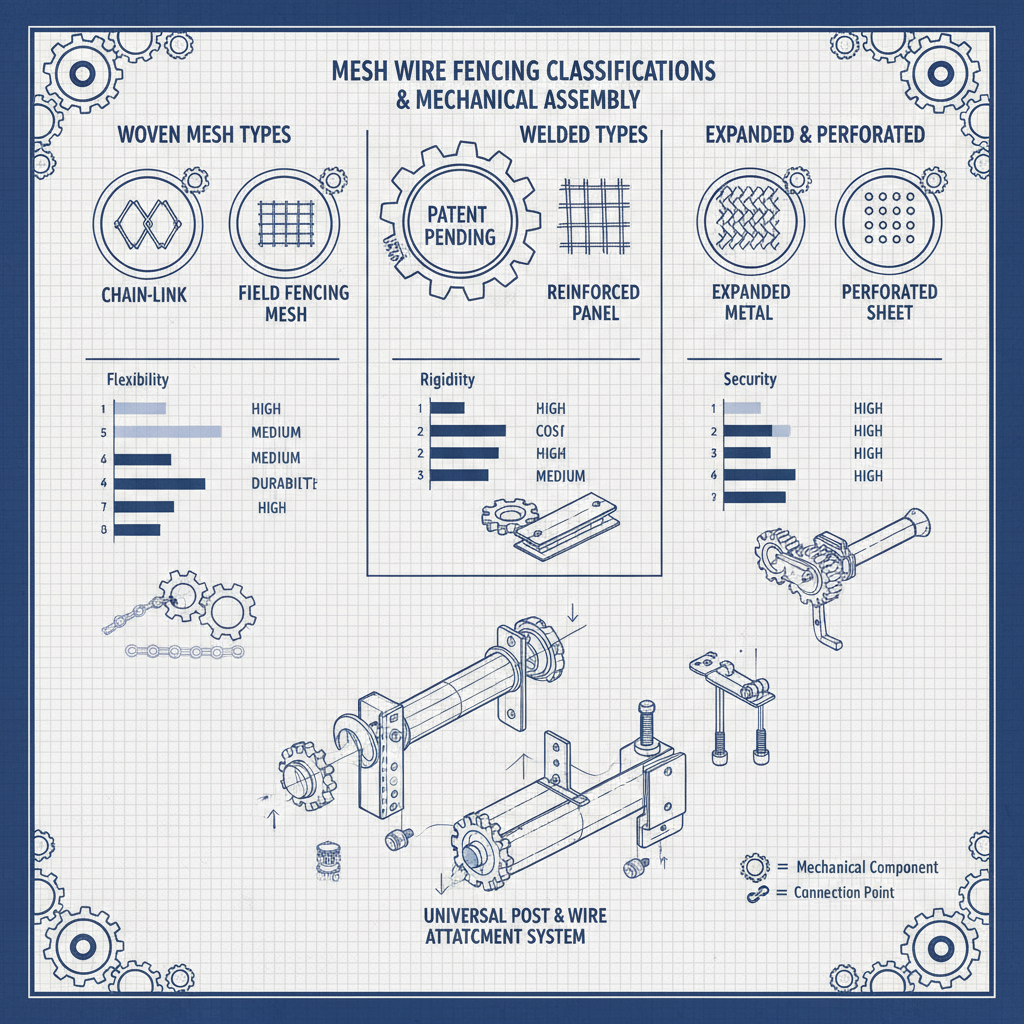
There's a diverse range of types of mesh wire fencing available, each tailored to specific applications. Woven wire fencing, characterized by its interlocking wires, offers excellent strength and durability. Welded wire fencing, created by fusing wires together, provides a more rigid structure suitable for security applications. Chain-link fencing, perhaps the most recognizable, is known for its affordability and versatility. types of mesh wire fencing vary greatly in gauge, aperture size, and overall construction.

Beyond these common types, specialized mesh fencing options cater to niche needs, such as hexagonal netting used in animal enclosures and crimped mesh for decorative or filtration purposes. The choice ultimately depends on factors like the required level of security, the type of animals to be contained, and the aesthetic considerations of the project.

Material Composition and its Impact

The material used in types of mesh wire fencing significantly impacts its performance and longevity. Galvanized steel is a common choice, offering excellent corrosion resistance, though it may eventually require maintenance. Stainless steel provides superior corrosion resistance, making it ideal for harsh environments like coastal areas or industrial sites.

Other materials, such as aluminum and PVC-coated wire, are used for specific applications. Aluminum is lightweight and rustproof, making it suitable for residential fencing, while PVC coating enhances durability and provides aesthetic appeal. Understanding the properties of each material is crucial for selecting the best option for a given environment.

The gauge, or thickness, of the wire is also a critical factor. A heavier gauge wire provides greater strength and resistance to damage, but also increases the cost. Selecting the appropriate gauge depends on the anticipated level of stress and the security requirements of the application.

Key Performance Characteristics

Several key characteristics determine the effectiveness of types of mesh wire fencing. Durability is paramount, as fencing is often exposed to harsh weather conditions and potential physical impact. A strong, well-constructed fence can withstand years of use with minimal maintenance.

Another important factor is security. The mesh size and wire gauge play a crucial role in preventing unauthorized access. Smaller mesh sizes and heavier gauges offer greater security, but may also be more expensive. Furthermore, the height of the fence and the type of support posts contribute to its overall security level.

Aperture size, or the openings in the mesh, affects both security and the ability to contain animals. Smaller apertures prevent smaller animals from escaping, while larger apertures may be more suitable for containing livestock. Finally, the ease of installation and maintenance should also be considered when evaluating different types of mesh wire fencing.

Applications Across Industries

The applications of types of mesh wire fencing are remarkably diverse. In agriculture, it's used to contain livestock, protect crops from pests, and create temporary fencing for rotational grazing. In the construction industry, it serves as temporary security fencing and debris netting.

Performance Comparison of Different types of mesh wire fencing


The Advantages of Utilizing Mesh Wire Fencing

One of the primary advantages of types of mesh wire fencing is its cost-effectiveness. Compared to solid fencing materials like wood or concrete, mesh fencing offers a significantly lower initial investment. Furthermore, it requires minimal maintenance, reducing long-term costs.

Mesh fencing is also relatively easy to install, requiring less specialized labor and equipment. Its lightweight nature simplifies transportation and handling, making it a practical choice for remote or challenging locations. types of mesh wire fencing offer diverse options.

Emerging Trends and Innovations

The types of mesh wire fencing sector is witnessing several exciting innovations. The development of high-strength steel alloys is leading to lighter, more durable fencing solutions. Furthermore, advancements in coating technologies are providing enhanced corrosion resistance and aesthetic appeal.

Smart fencing systems, incorporating sensors and IoT technology, are also gaining traction. These systems can detect breaches in security, monitor environmental conditions, and provide real-time alerts. These innovations represent a significant step forward in enhancing the functionality and effectiveness of mesh wire fencing.

Sustainability is another key trend, with manufacturers increasingly focusing on using recycled materials and developing eco-friendly production processes.

Challenges and Future Outlook

Despite its many advantages, types of mesh wire fencing faces certain challenges. Corrosion remains a concern, particularly in harsh environments. The potential for damage from vandalism or extreme weather events also needs to be addressed.

To overcome these challenges, ongoing research and development are focused on improving materials, coatings, and installation techniques. The future outlook for the types of mesh wire fencing industry is positive, driven by the increasing demand for secure, cost-effective, and sustainable fencing solutions.

The integration of smart technologies and the adoption of eco-friendly practices will further solidify the role of mesh wire fencing as a vital component in a wide range of applications.

Key Factors Influencing the Selection of Suitable types of mesh wire fencing

Application Area Material Durability Security Level Cost Effectiveness
Agricultural Containment Moderate (Galvanized Steel) Low-Medium High
Residential Security Good (Aluminum or PVC-Coated) Medium Medium
Industrial Perimeter Excellent (Stainless Steel) High Medium-Low
Construction Site Security Moderate (Galvanized Steel) Medium High
Animal Enclosures (Small Animals) Good (Welded Wire with Small Apertures) Medium-High Medium
Decorative Garden Fencing Moderate (Aluminum or PVC-Coated) Low Medium

FAQS

What are the primary differences between woven and welded wire fencing?

Woven wire fencing features interlocking wires, creating a flexible yet strong barrier, making it ideal for livestock containment. Welded wire fencing consists of wires fused together, providing a more rigid structure better suited for security or applications where a firm barrier is needed. The choice depends on the specific requirements of the application.

How can I prevent corrosion in galvanized steel mesh fencing?

Corrosion can be minimized through regular inspection and maintenance. Applying a protective coating, such as paint or a specialized anti-corrosion spray, can extend the lifespan of the fencing. Avoid contact with highly corrosive materials like saltwater or certain chemicals. Proper installation, ensuring adequate drainage, also helps prevent corrosion.

What mesh size is best for containing small animals like rabbits?

For containing small animals like rabbits, a mesh size of 1 inch or less is recommended. This prevents them from squeezing through the openings. Using a heavier gauge wire is also advisable to prevent damage from chewing or digging. Consider burying the bottom of the fence to further deter digging attempts.

Is chain-link fencing a secure option for high-security applications?

While chain-link fencing offers a degree of security, it’s generally not considered ideal for high-security applications on its own. It can be breached with relatively simple tools. For enhanced security, consider using a heavier gauge chain-link, adding top rail extensions, or incorporating security features like razor wire or anti-climb paint.

What is the lifespan of a PVC-coated wire fence?

A properly installed and maintained PVC-coated wire fence can have a lifespan of 20-30 years or even longer. The PVC coating provides excellent protection against corrosion and UV damage. However, the underlying wire gauge and environmental factors will influence the overall lifespan. Regular inspections for damage to the coating are recommended.

What factors influence the cost of different types of mesh wire fencing?

Several factors influence cost, including the material used (steel, aluminum, stainless steel), the wire gauge, mesh size, height and length of the fence, coating type, and installation costs. Stainless steel is typically the most expensive, while galvanized steel is more affordable. Larger projects often qualify for volume discounts.

Conclusion

In conclusion, understanding the various types of mesh wire fencing, their materials, performance characteristics, and applications is crucial for making informed decisions. From agricultural containment to industrial security, selecting the right fencing solution can significantly impact cost-effectiveness, durability, and overall project success. Embracing innovations in materials and technology will continue to enhance the functionality and sustainability of mesh wire fencing solutions.

As demand for secure and reliable fencing continues to grow, prioritizing quality materials, proper installation, and regular maintenance will be essential. Continued research and development will drive further advancements, leading to even more efficient and sustainable types of mesh wire fencing for a wide range of applications. For more information and to explore our comprehensive range of mesh wire fencing products, visit our website: www.tikemetal.com.
Michael Davis

Michael Davis

Michael Davis is a Quality Control Specialist at SHENZHOU TIKE METAL CO., LTD. Responsible for upholding our ISO9001 and ISO 14000 standards, Michael rigorously tests and inspects all products – from Welded Mesh Panels to Gabion Boxes – ensuring they meet the highest quality benchmarks. With a background in metallurgical
Previous Exploring the Diverse Types of Fencing Wire Mesh and Their Applications
Next Comprehensive Guide to Wholesale Wire Fencing Solutions and Market Trends