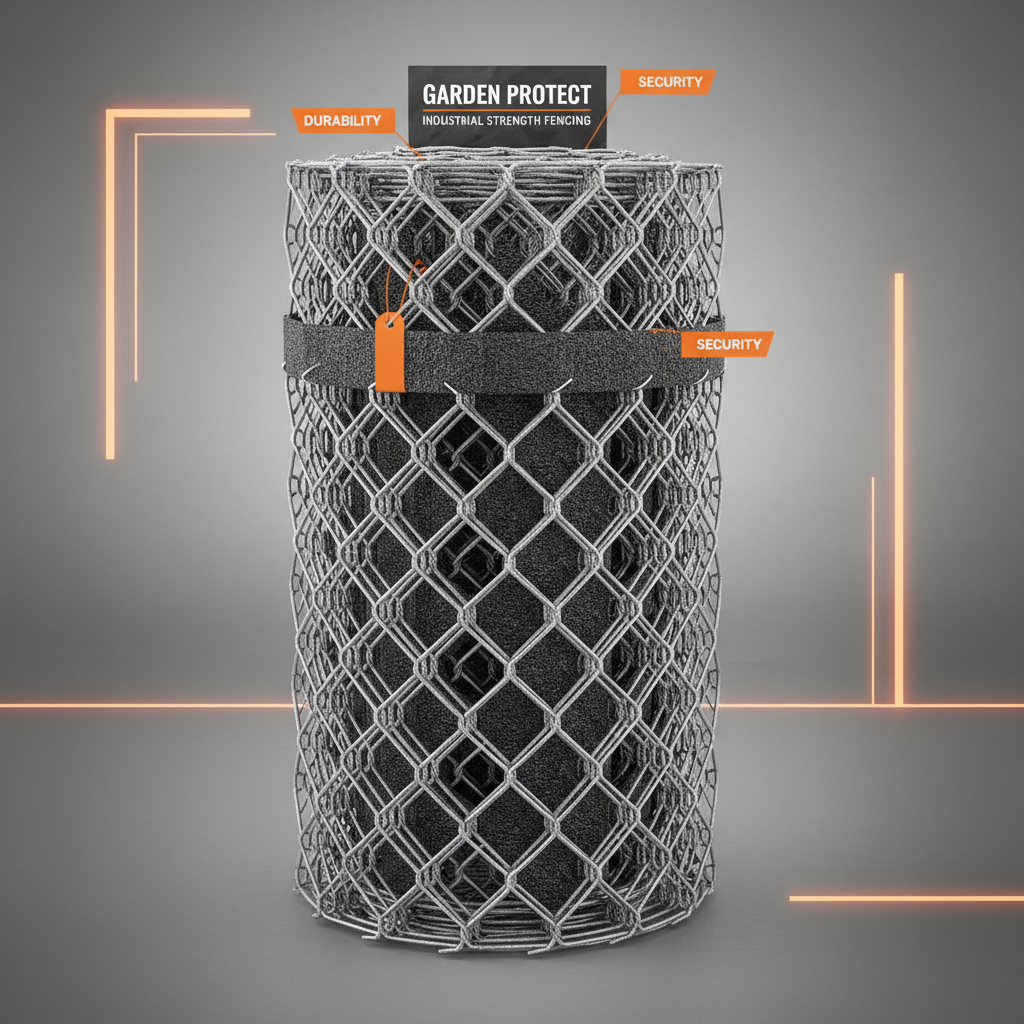
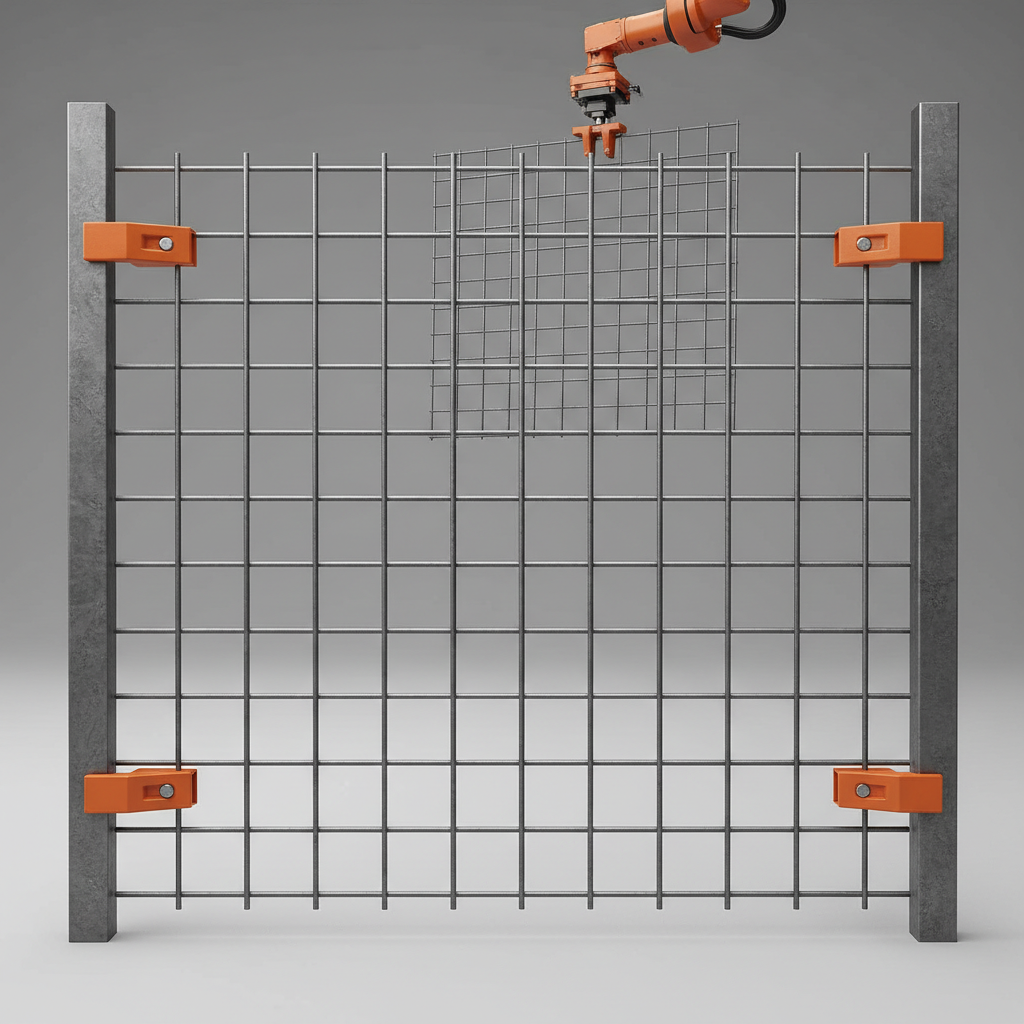
In the modern landscape of industrial security and perimeter protection, pvc wire mesh fencing has emerged as a cornerstone solution for those seeking a balance between robust physical strength and long-term environmental resistance. By integrating high-grade steel with a protective polymer layer, these fencing systems provide a critical barrier that resists corrosion while maintaining structural integrity in the harshest climates.
The global demand for advanced fencing solutions is driven by the need to secure critical infrastructure, agricultural assets, and residential boundaries. Understanding the technical nuances of pvc wire mesh fencing—from wire diameter specifications to the chemistry of the coating—allows project managers to optimize their investment, ensuring that the chosen barrier is not only secure but also cost-effective over its entire lifecycle.
Whether utilized in coastal regions where salt spray accelerates oxidation or in industrial zones exposed to chemical pollutants, this type of fencing offers a versatile alternative to traditional untreated steel. This comprehensive guide explores the technical specifications, global applications, and the long-term value proposition of integrating high-quality PVC-coated mesh into modern security frameworks.
Global Context of PVC Wire Mesh Fencing
On a global scale, the security of physical assets is increasingly threatened by environmental degradation and sophisticated trespassing attempts. According to international standards like ISO, the longevity of metal barriers is heavily dependent on the quality of surface treatment. Traditional galvanized steel, while strong, often falls short in high-humidity or high-salinity environments, leading to premature rust and structural failure.
This is where pvc wire mesh fencing becomes an essential industrial solution. By adding a layer of Polyvinyl Chloride (PVC) over electro-galvanized or hot-dipped galvanized wire, manufacturers create a dual-defense system. This not only prevents the underlying steel from reacting with oxygen and moisture but also provides a visual deterrent and aesthetic flexibility that is highly valued in urban and commercial developments worldwide.
Defining PVC Wire Mesh Fencing Systems
In simple technical terms, pvc wire mesh fencing is a specialized perimeter barrier constructed from steel wire that has been coated with a thermoplastic polymer. The "mesh" refers to the interlaced pattern of wires, which can be welded or woven, creating a rigid yet flexible grid. The PVC coating serves as a non-permeable shield, effectively isolating the metal core from external corrosive agents.
Beyond simple boundary marking, these systems are engineered to meet specific security levels. Depending on the wire diameter—ranging from 3mm to 6mm—and the mesh size (such as 50x50mm or 75x200mm), the fencing can be tailored for different needs, from keeping livestock contained to preventing unauthorized entry into high-security industrial zones.
In the context of modern humanitarian and industrial needs, this fencing is often chosen for its ability to be deployed quickly across various terrains. Its resistance to weather extremes makes it a reliable choice for temporary security installations in disaster-relief zones as well as permanent installations in remote mining or agricultural sites where maintenance access is limited.
Core Technical Components and Specifications
The effectiveness of pvc wire mesh fencing is rooted in its precise specifications. Panel heights are highly customizable, typically ranging from 1.03m for low-profile boundaries to 2.4m for high-security perimeters. The structural integrity is further enhanced by the option of "folds," which add rigidity to the panel and prevent sagging over long spans.
Surface treatment is the most critical component for durability. Options include Electro GI + PVC coated for standard use, and Hot-dipped GI + PVC coated for maximum corrosion resistance. The hot-dipped process ensures the zinc layer is thicker and more bonded to the steel, which, when combined with the PVC outer shell, creates an almost impenetrable barrier against rust.
Mesh sizing also plays a pivotal role in functionality. Smaller apertures like 50x50mm are ideal for high-security applications to prevent climbing or the passage of small objects, while larger openings such as 75x200mm are better suited for agricultural use where visibility and airflow are prioritized over absolute restriction.
Practical Performance Factors
When evaluating the performance of pvc wire mesh fencing, one must consider the interplay between wire diameter and mesh aperture. A thicker wire (6mm) combined with a tight mesh significantly increases the "anti-climb" capability of the fence, making it a preferred choice for industrial warehouses and correctional facilities.
Furthermore, the impact resistance of the PVC coating ensures that the fence can withstand minor collisions or debris impact without the underlying steel being exposed. This resilience reduces the frequency of required repairs, shifting the cost-benefit analysis in favor of PVC-coated systems over traditional painted fences.
Performance Comparison of Fencing Coating Methods
Global Applications and Use Cases
In real-world contexts, pvc wire mesh fencing is deployed across a vast array of sectors. In coastal regions of Southeast Asia and Northern Europe, the PVC coating is essential to combat salt-air corrosion that would otherwise destroy standard steel fences within a few years. Here, these fences are used for port security and shoreline protection.
In agricultural sectors, particularly in Australia and North America, these fences are used for livestock containment. The smooth PVC surface prevents animals from getting snagged or injured on jagged wire ends, while the various mesh sizes allow farmers to customize the fence based on the size of the livestock, ensuring a secure and humane enclosure.
Long-Term Value and Sustainability
The long-term value of investing in pvc wire mesh fencing is primarily found in its reduced maintenance cycle. While the initial procurement cost may be slightly higher than untreated wire, the elimination of annual painting and the drastic reduction in rust-related replacements result in a lower Total Cost of Ownership (TCO) over a 10-to-20-year period.
Sustainability is another key driver. By extending the lifespan of the steel core, the need for frequent replacement is reduced, which in turn lowers the carbon footprint associated with the manufacturing and transport of new steel. Furthermore, high-quality PVC coatings are designed to be stable, reducing the leaching of chemicals into the surrounding soil compared to some older industrial painting methods.
Beyond logic and cost, there is an emotional component of trust and safety. For a facility manager, knowing that the perimeter is secure and visually well-maintained provides peace of mind. The professional appearance of a clean, PVC-coated fence signals to the public and potential intruders that the property is managed with care and precision.
Future Trends in Fencing Technology
The future of pvc wire mesh fencing is moving toward the integration of "smart" materials and enhanced sustainability. We are seeing a shift toward UV-stabilized polymers that can withstand intense solar radiation without fading or cracking, which is critical for installations in desert regions like the Middle East.
Additionally, there is a growing trend toward hybrid systems where PVC-coated mesh is integrated with electronic sensors. These "intelligent fences" can detect vibrations or cutting attempts, sending real-time alerts to security hubs while maintaining the physical durability of the PVC-coated steel.
Automation in the manufacturing process is also allowing for tighter tolerances in mesh size and more uniform coating thickness. This ensures that every panel delivered to a job site is identical, facilitating faster installation and ensuring there are no "weak spots" in the perimeter due to coating gaps.
Comparison of PVC Wire Mesh Fencing Configurations for Different Environments
|
Environment Type
|
Recommended Coating
|
Ideal Wire Dia/Mesh
|
Expected Lifespan
|
| Coastal/Marine |
Hot-dipped GI + PVC |
4mm / 50x50mm |
15-25 Years |
| Industrial Zone |
Electro GI + PVC |
5mm / 50x100mm |
10-15 Years |
| Agricultural/Livestock |
Electro GI + PVC |
3mm / 75x200mm |
10-20 Years |
| High-Security Perimeter |
Hot-dipped GI + PVC |
6mm / 50x50mm |
20+ Years |
| Residential/Garden |
Painting or PVC |
3mm / 50x150mm |
8-12 Years |
| Remote Mining Site |
Hot-dipped GI + PVC |
4mm / 50x100mm |
15-20 Years |
FAQS
The primary difference lies in the thickness and bonding of the zinc layer beneath the PVC. Hot-dipped galvanizing involves immersing the wire in molten zinc, creating a much thicker, more durable metallurgical bond. Electro galvanizing uses an electric current to apply a thinner zinc layer. For pvc wire mesh fencing intended for harsh outdoor environments or coastal areas, Hot-dipped GI + PVC is strongly recommended for maximum longevity.
Yes, minor scratches in the PVC coating can be repaired using specialized PVC touch-up paint or heat-shrinkable PVC sleeves. However, the goal of high-quality manufacturing is to ensure a uniform coating that resists such damage. If the scratch is deep enough to expose the galvanized steel, immediate repair is suggested to prevent localized oxidation from spreading beneath the polymer layer.
For high-security applications, smaller apertures are far more effective. A mesh size of 50x50mm is generally considered the standard for anti-climb properties, as it provides fewer footholds and handholds for intruders. When combined with a thicker wire diameter (e.g., 5mm or 6mm), the pvc wire mesh fencing becomes significantly harder to breach or deform.
As panel height increases (from 1.03m up to 2.4m), the leverage exerted by wind or physical pressure also increases. To counter this, taller panels typically require more "folds" (V-shaped bends in the panel) to increase structural rigidity. Our specifications indicate that panels above 1.8m generally require 3 to 4 folds to ensure they remain straight and secure over time.
Initially, PVC-coated welded mesh is often more expensive than basic galvanized chain link due to the additional polymer coating and welding process. However, the value is found in the maintenance. Because it does not require regular painting and has a much higher resistance to rust, the long-term costs are significantly lower, making it a more economical choice for permanent installations.
Yes, one of the greatest advantages of the PVC coating process is the ability to integrate pigments. While green is the most common for agricultural and industrial blends to blend with nature, other colors can be produced to meet architectural requirements or company branding. This allows the security barrier to be functional without sacrificing the visual appeal of the property.
Conclusion
In summary, pvc wire mesh fencing represents the ideal intersection of strength, durability, and versatility. By utilizing a high-grade steel core protected by a robust PVC layer, these systems solve the perennial problem of metal corrosion while providing customizable security levels through varied wire diameters and mesh sizes. From the technical precision of Hot-dipped GI coatings to the practical application in coastal and agricultural zones, this fencing solution ensures a long-term, low-maintenance perimeter that protects assets effectively.
Looking forward, as industries move toward smarter and more sustainable infrastructure, the adoption of UV-stabilized and sensor-integrated PVC fencing will likely become the standard. For those planning a new installation or upgrading an existing boundary, the focus should remain on selecting the correct surface treatment and mesh specifications to match the environmental challenges of the site. Investing in quality today prevents the costly failures of tomorrow. Visit our website for more professional solutions: www.tikemetal.com