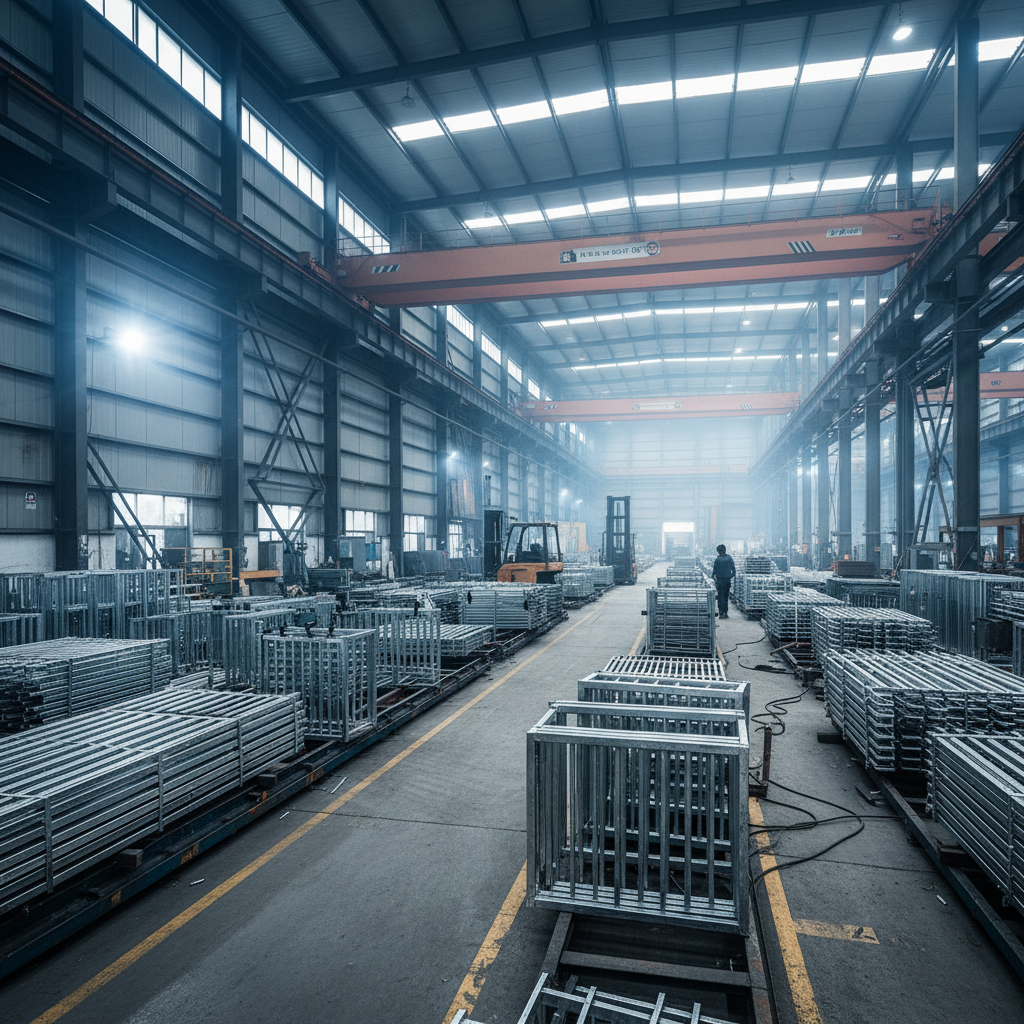
In the modern landscape of industrial fencing and protective barriers, pvc wire netting has emerged as a critical solution for balancing structural strength with environmental resilience. By combining the rigidity of steel with the protective qualities of Polyvinyl Chloride (PVC), this material provides a versatile answer to the challenges of corrosion and wear in demanding environments.
Understanding the technical nuances of pvc wire netting is essential for professionals in construction and agriculture who require long-term stability without the constant need for maintenance. Its ability to withstand diverse weather conditions makes it a global preference for securing perimeters and creating specialized enclosures.
From urban infrastructure projects to expansive livestock farming, the adoption of high-quality coated netting ensures that safety standards are met while reducing the total cost of ownership. This article explores the multifaceted utility, technical advantages, and future trajectory of this indispensable industrial component.
Global Industrial Relevance of PVC Wire Netting
Across the globe, the demand for corrosion-resistant materials has skyrocketed, particularly in regions with high humidity or saline coastal air. pvc wire netting addresses a primary pain point in the metal products industry: the rapid degradation of untreated steel. By integrating a polymer shield, manufacturers can offer a product that complies with international ISO standards for durability and environmental safety.
In sectors like agriculture and construction, the failure of a fence or mesh can lead to significant economic losses or safety hazards. The global shift toward sustainable and low-maintenance infrastructure has positioned PVC-coated solutions as the gold standard for those seeking a balance between initial investment and life-cycle longevity.
Technical Definition and Core Composition
At its core, pvc wire netting is a composite material consisting of a high-strength metal wire core—typically galvanized steel—which is then encapsulated in a layer of Polyvinyl Chloride. This dual-layer approach ensures that the product retains the tensile strength of metal while gaining the chemical resistance of plastic.
The process involves a precise extrusion or dipping method where the PVC is bonded to the wire. This prevents moisture and oxygen from reaching the steel surface, effectively halting the oxidation process that leads to rust. This makes the netting ideal for humanitarian needs, such as creating secure enclosures in disaster-prone areas where resources for maintenance are scarce.
Modern industry utilizes various grades of PVC to customize the netting for specific environments, such as adding UV stabilizers to prevent the coating from cracking under intense sunlight. This technical evolution transforms a simple wire mesh into a specialized engineering tool capable of operating in the harshest climates.
Key Factors Driving Performance and Durability
One of the most critical aspects of pvc wire netting is its exceptional corrosion resistance. Unlike standard galvanized wire, which can eventually succumb to acid rain or salt spray, the PVC layer acts as an impermeable barrier, significantly extending the service life of the installation in coastal or industrial zones.
Furthermore, the scalability and versatility of pvc wire netting allow it to be adapted for various mesh sizes and wire gauges. Whether the requirement is a fine mesh for insect control or a heavy-duty grid for industrial containment, the coating process remains consistent, ensuring uniform protection across all product dimensions.
Finally, the cost-efficiency of this material is realized through reduced maintenance. By eliminating the need for periodic repainting or chemical treatments, users experience a lower total cost of ownership. This logical economic advantage, paired with the safety provided by a smooth, non-abrasive surface, makes it a preferred choice for public infrastructure.
Global Applications and Real-World Use Cases
In real-world contexts, pvc wire netting is deployed across a vast spectrum of industries. In the agricultural sector, it is extensively used for livestock fencing and poultry cages, where it must withstand the corrosive nature of animal waste and outdoor exposure without compromising the safety of the animals.
In urban construction, this netting is often utilized for safety barriers and architectural accents. For instance, in remote industrial zones or post-disaster relief operations, the rapid deployment of PVC-coated mesh provides immediate security and organization, offering a level of dignity and order to temporary settlements through reliable containment solutions.
Performance Comparison of PVC Wire Netting Types
Long-Term Value and Economic Advantages
The adoption of pvc wire netting provides a tangible increase in reliability and sustainability. By preventing the rust-and-replace cycle common with untreated metals, companies can allocate their budgets toward expansion rather than repair. This reliability creates a foundation of trust between the provider and the end-user, especially in critical security applications.
From an emotional and social angle, the use of high-quality coated netting contributes to a safer environment. The smooth finish of the PVC coating reduces the risk of injury from jagged metal edges, which is particularly important in public spaces, schools, and animal shelters, where safety and care are the highest priorities.
Future Trends in Coated Wire Technology
The future of pvc wire netting is closely tied to the movement toward green energy and sustainable manufacturing. We are seeing a shift toward the use of eco-friendly PVC alternatives and lead-free stabilizers, ensuring that the products are not only durable during their use but also manageable during their end-of-life recycling process.
Digital transformation is also playing a role, with the implementation of precision automation in the coating process. This ensures a perfectly uniform thickness of the PVC layer, eliminating weak points and further increasing the lifespan of the netting. Smart sensors are also being integrated into some industrial fences to monitor tension and integrity.
As global policies tighten regarding environmental protection, the demand for materials that do not leach harmful chemicals into the soil—such as high-grade, certified pvc wire netting—will continue to grow, making it a cornerstone of modern, responsible engineering.
Overcoming Challenges in Netting Implementation
Despite its advantages, the implementation of pvc wire netting is not without challenges. One common limitation is the susceptibility of low-quality PVC to UV degradation, which can cause the coating to peel or fade over time. However, this is easily overcome by specifying UV-stabilized polymers during the procurement process.
Another challenge is the potential for the coating to be punctured during rough installation. Expert insight suggests using specialized installation tools and providing staff training to ensure the integrity of the PVC layer is maintained. Once a puncture occurs, the underlying metal is exposed, which can lead to localized corrosion.
To maximize the effectiveness of these solutions, it is recommended to perform periodic visual inspections and use touch-up kits for minor abrasions. By adopting a proactive maintenance strategy, the inherent strengths of the netting can be fully leveraged for decades.
Analysis of PVC Wire Netting Implementation Factors
|
Application Zone
|
Primary Challenge
|
Solution Strategy
|
Efficiency Score (1-10)
|
| Coastal Areas |
Salt spray corrosion |
High-thickness PVC coating |
9.5 |
| Livestock Farms |
Animal abrasion |
Reinforced core wire |
8.0 |
| Industrial Plants |
Chemical exposure |
Chemical-resistant PVC grade |
9.0 |
| Urban Parks |
UV Sunlight fade |
UV-stabilized pigments |
8.5 |
| Construction Sites |
Physical impact |
Heavy-duty galvanized base |
7.5 |
| Aquaculture |
Submerged oxidation |
Seamless extrusion coating |
9.8 |
FAQS
The primary difference lies in the protective layer. While galvanized wire relies on a zinc coating to prevent rust, PVC wire netting adds a thick polymer layer over the metal. This provides a secondary, more robust barrier against moisture, chemicals, and physical abrasion, significantly extending the product's life in corrosive environments.
Yes, provided that the netting is manufactured with UV stabilizers. Standard PVC can degrade under intense sunlight, but professional-grade industrial netting includes additives that prevent the polymer from becoming brittle or fading, making it ideal for outdoor use in sunny regions.
Absolutely. PVC wire netting is widely used in agriculture because the coating prevents the metal from rusting due to animal waste and provides a smoother surface that is less likely to cause scrapes or injuries to animals compared to raw wire mesh.
Depending on the environment and the quality of the coating, PVC wire netting can last significantly longer than untreated steel. In moderate conditions, it can maintain its integrity for decades, while in highly corrosive coastal areas, it can double the lifespan of standard galvanized alternatives.
If a puncture occurs, the underlying metal is exposed to the elements. We recommend using a PVC-compatible touch-up paint or a specialized repair sealant to cover the gap. This prevents moisture from seeping under the remaining coating and causing hidden corrosion.
Modern manufacturers are increasingly using lead-free stabilizers and recyclable PVC compounds to reduce environmental impact. Because it lasts longer and requires fewer chemical treatments over its lifetime, it is often a more sustainable choice than products that need frequent replacement.
Conclusion
In summary, pvc wire netting represents the ideal synergy between the strength of metal and the resilience of polymers. By addressing the critical issue of corrosion and offering a versatile, low-maintenance solution, it provides immense value across the construction, agricultural, and manufacturing sectors. Its ability to adapt to diverse environmental challenges while maintaining safety and structural integrity makes it an indispensable tool for modern infrastructure.
As we look toward the future, the integration of eco-friendly materials and precision automation will only further enhance the performance of coated netting. For those seeking a long-term, reliable, and cost-effective fencing or enclosure solution, investing in high-quality PVC-coated mesh is a strategic decision that ensures both safety and sustainability. Visit our website for more professional solutions: www.tikemetal.com