Square wire fencing represents a significant advancement in barrier technology, offering a robust and adaptable solution for a wide range of applications. Its unique construction, utilizing heavier gauge wires welded at every intersection, results in a more rigid and durable fence compared to traditional woven wire options. This makes it increasingly vital in securing critical infrastructure, containing livestock, and providing perimeter security in diverse environments, globally.
The demand for effective and long-lasting fencing solutions is constantly growing, driven by factors like increasing security concerns, expanding agricultural operations, and a growing need for animal welfare. Square wire fencing addresses these needs by providing a superior alternative that minimizes maintenance, resists sagging, and provides a higher level of containment. Understanding its benefits is crucial for informed decision-making across various industries.
The global market for fencing materials is substantial, with projections indicating continued growth in the coming years. According to a report by the Freedonia Group, the global fencing market is expected to reach \$28.8 billion by 2027. This growth is fueled by infrastructure development in emerging economies and a rising focus on perimeter security in developed nations.
Introduction to Square Wire Fencing
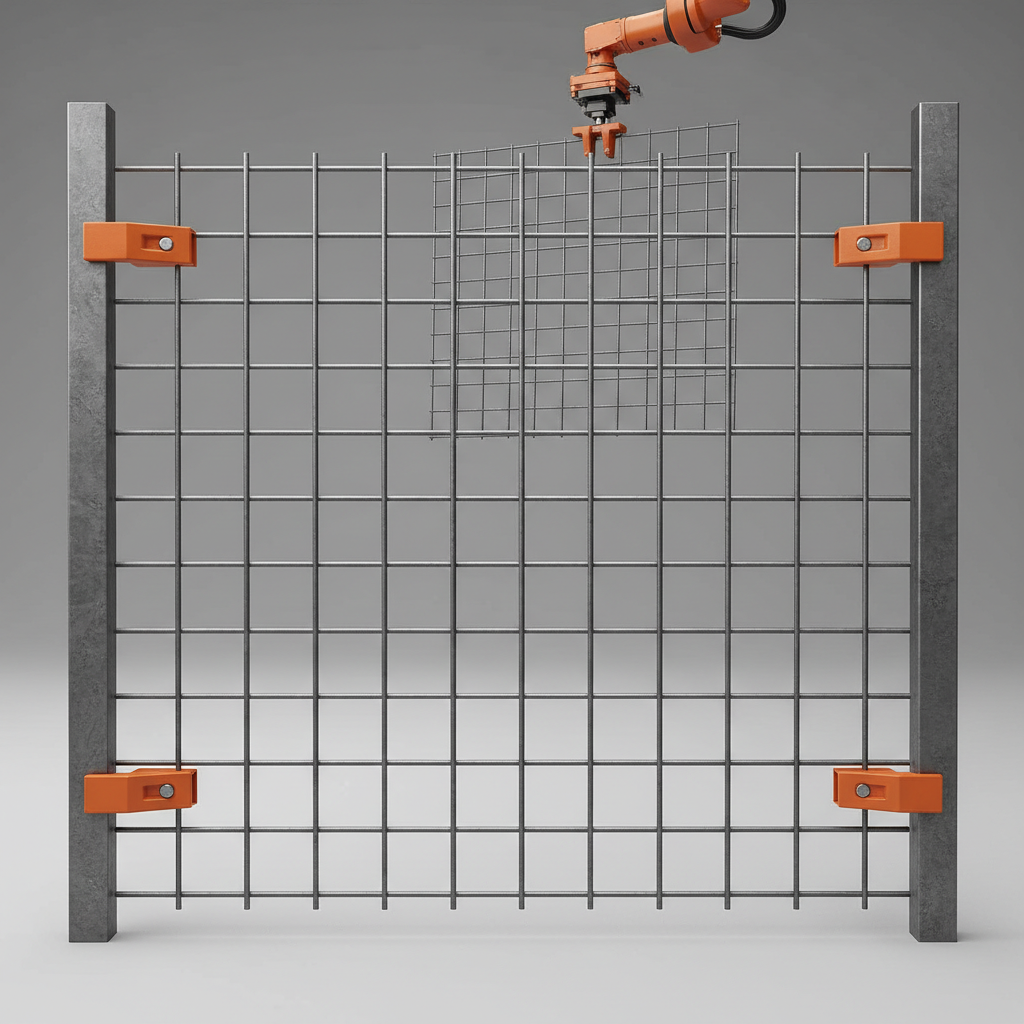
Square wire fencing stands out due to its distinct construction, employing square or rectangular wires welded together, forming a remarkably strong and rigid barrier. Unlike traditional woven wire, the welded connections provide superior integrity, preventing the fence from stretching or sagging, even under significant strain. This characteristic is particularly beneficial in applications requiring robust containment and long-term durability.
The applications of square wire fencing are incredibly diverse, spanning agricultural, industrial, and residential sectors. From containing livestock in challenging terrains to securing sensitive industrial sites, its reliability and longevity make it a favored choice for professionals seeking a secure and cost-effective fencing solution.
Defining Square Wire Fencing
Square wire fencing is a type of welded wire mesh characterized by its use of square or rectangular wires, which are welded at each intersection. This creates a strong, rigid panel that resists deformation and provides excellent containment. It's a departure from traditional woven wire fencing, which relies on a weaving pattern to hold its shape, often leading to sagging and reduced effectiveness over time.
Its connection to modern industry stems from a demand for more durable and reliable fencing solutions. As businesses and individuals seek to protect their assets and ensure the safety of their operations, square wire fencing provides a superior alternative that minimizes maintenance and maximizes security. The inherent strength of the welded connections ensures long-term performance.
This fencing isn't merely about physical barriers; it’s about providing peace of mind. Whether it's safeguarding livestock investment, protecting valuable equipment, or securing a property, square wire fencing contributes to a sense of security and control, essential in today's world.
Core Components & Characteristics
The defining characteristic of square wire fencing is, of course, the square wire itself. Typically made from galvanized steel, stainless steel, or powder-coated materials, the wire provides exceptional tensile strength and corrosion resistance. The welding process, typically using resistance welding, fuses the wires together, creating a permanent and robust connection.
Beyond the wire and welding, the mesh opening size is a critical factor. Different applications require different opening sizes – smaller openings for containing smaller animals or providing heightened security, and larger openings for livestock or general perimeter control. The wire gauge (thickness) also plays a significant role, with heavier gauges offering greater strength and durability.
Furthermore, the post system is integral to the overall performance. Strong, appropriately spaced posts are essential to support the weight of the fencing and maintain its structural integrity. Common post materials include steel, wood, and composite materials, each with its own advantages and disadvantages regarding cost, durability, and installation.
Key Performance Indicators of Square Wire Fencing
Evaluating the effectiveness of square wire fencing involves considering several key performance indicators. Tensile strength, measured in pounds per square inch (PSI), is a primary indicator of the fencing's ability to withstand stress and prevent breakage. Another crucial factor is its resistance to corrosion, particularly in harsh environmental conditions.
The longevity of the fencing also needs consideration. Assessing its lifespan based on material quality, coating protection, and installation practices is essential. Square wire fencing often outperforms traditional fencing in these areas due to its robust construction and resistance to deformation.
Comparison of Square Wire Fencing Performance Attributes
Global Applications of Square Wire Fencing
Square wire fencing finds applications across a multitude of industries and geographic regions. In agriculture, it is widely used for containing livestock, including cattle, sheep, goats, and horses, particularly in challenging terrains where traditional fencing struggles to maintain its integrity. Australia and New Zealand, with their vast grazing lands and rugged landscapes, represent significant markets for this type of fencing.
In industrial settings, it’s employed to secure perimeters, protect equipment, and enhance safety. This is particularly relevant in locations such as power plants, waste treatment facilities, and construction sites. The United States and Europe are key markets for industrial-grade square wire fencing. In post-disaster relief operations, its rapid deployment capability makes it a valuable asset for establishing temporary secure zones and managing displaced populations.
Long-Term Benefits & Value Proposition
The long-term benefits of investing in square wire fencing extend beyond its initial cost. Its exceptional durability translates to reduced maintenance and replacement costs over its lifespan. The robust construction minimizes the risk of damage from impacts, weather, or animal activity, contributing to long-term savings. The lower life cycle cost often offsets the higher upfront investment compared to cheaper fencing alternatives.
Furthermore, square wire fencing contributes to enhanced security and peace of mind. Knowing that assets are reliably protected fosters a sense of trust and allows individuals and businesses to focus on their core operations. From a sustainability perspective, its longevity reduces the need for frequent replacements, minimizing waste and environmental impact.
Future Trends in Square Wire Fencing Technology
The future of square wire fencing is likely to be shaped by advancements in materials science, manufacturing processes, and smart technologies. The development of more corrosion-resistant coatings and alloys will further enhance its durability and lifespan. Automation in the welding process will increase production efficiency and reduce costs.
Integration with smart sensors and monitoring systems is another emerging trend. Sensors embedded within the fencing can detect breaches, monitor tension, and provide real-time alerts, enhancing security and preventative maintenance. The incorporation of sustainable materials and manufacturing practices will also become increasingly important, aligning with growing environmental concerns.
We can expect to see greater customization options in the future, tailoring fencing solutions to specific application requirements. This includes variations in wire gauge, mesh opening size, coating types, and post systems, optimized for different environments and security levels.
Key Comparative Metrics of Square Wire Fencing Options
| Fencing Type |
Initial Cost (per meter) |
Lifespan (years) |
Maintenance Frequency |
| Galvanized Square Wire |
\$8 - \$12 |
15 - 20 |
Low (periodic inspection) |
| Powder-Coated Square Wire |
\$10 - \$15 |
20 - 25 |
Very Low |
| Stainless Steel Square Wire |
\$18 - \$25 |
30+ |
Minimal |
| Woven Wire (Standard) |
\$5 - \$8 |
8 - 12 |
Moderate - High |
| Chain Link (Galvanized) |
\$6 - \$10 |
10 - 15 |
Moderate |
| PVC-Coated Chain Link |
\$9 - \$14 |
15 - 20 |
Low |
FAQS
Square wire fencing offers several key advantages over woven wire. Its welded construction provides significantly greater strength and rigidity, minimizing sagging and deformation. This results in a more secure and long-lasting barrier. Additionally, square wire fencing tends to offer better resistance to impacts and animal damage, reducing the need for frequent repairs or replacements. This, in turn, leads to lower long-term maintenance costs.
Square wire fencing can be used in saltwater environments, but careful material selection is crucial. Standard galvanized steel is susceptible to corrosion in saltwater. However, utilizing stainless steel or a specialized marine-grade coating will significantly improve its resistance to corrosion. Regular inspection and maintenance, including cleaning to remove salt buildup, are also recommended to prolong its lifespan in these demanding environments.
Installation typically involves setting posts at appropriate intervals, attaching the square wire mesh panels to the posts using tension wires, hog rings, or clips, and ensuring proper tensioning. The post spacing will depend on the height of the fence and the expected load. Proper grounding is also important for galvanized or steel fencing to prevent corrosion. Professional installation is recommended for optimal results, ensuring the fence is securely and correctly installed.
The cost of square wire fencing installation varies depending on factors such as the height and length of the fence, the terrain, the material used (galvanized, stainless steel, etc.), and labor costs. As a general estimate, expect to pay between \$8 and \$20 per linear foot installed. Obtaining quotes from multiple contractors is recommended to ensure competitive pricing.
Regular maintenance is key to maximizing the lifespan of square wire fencing. This includes periodic inspections for damage, such as broken wires or loose connections. Repairing any damage promptly will prevent further deterioration. Cleaning the fencing to remove dirt, debris, and vegetation will also help prevent corrosion. Applying a protective coating periodically can further enhance its durability.
Yes, square wire fencing is an excellent option for animal containment, particularly for livestock. Its rigidity and strength prevent animals from pushing through or damaging the fence. Selecting the appropriate mesh opening size is crucial to prevent smaller animals from escaping. The square wire design also minimizes the risk of animal injury compared to traditional wire fencing with sharp edges.
Conclusion
In conclusion, square wire fencing represents a significant advancement in barrier technology, offering superior strength, durability, and longevity compared to traditional fencing options. Its versatility makes it suitable for a wide range of applications, from agricultural containment to industrial security. Investing in square wire fencing is a proactive step towards protecting assets, enhancing safety, and minimizing long-term maintenance costs.
As technology continues to evolve, we anticipate further innovations in square wire fencing, including the integration of smart sensors and sustainable materials. Choosing square wire fencing isn’t merely selecting a barrier; it’s investing in a robust, reliable, and future-proof solution for your perimeter security needs.