Having spent more than a decade working hands-on in the industrial equipment sector, I can honestly say there’s something reliably reassuring about expanded metal security mesh. It’s one of those unsung heroes in industrial safety— robust but flexible, simple but incredibly effective. You know, some products promise a lot but underdeliver; this mesh actually delivers where it counts.
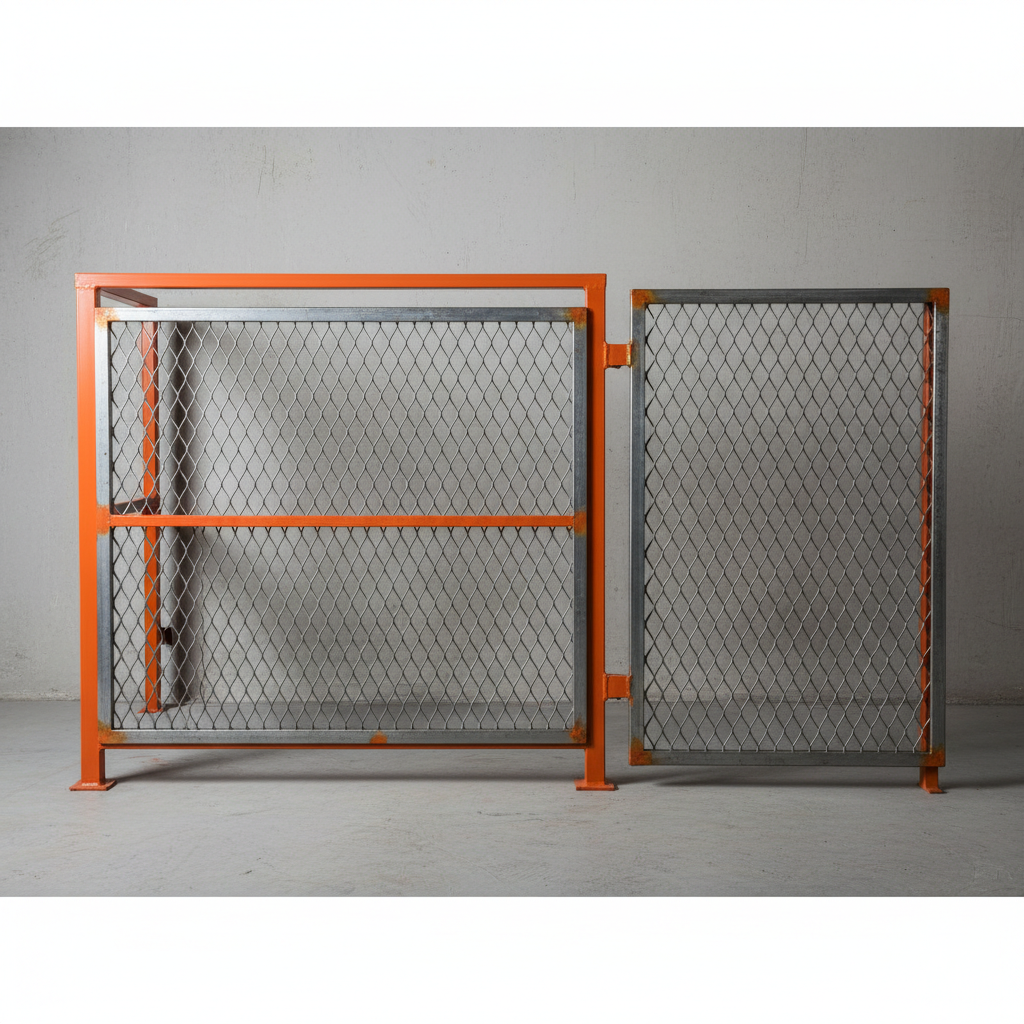
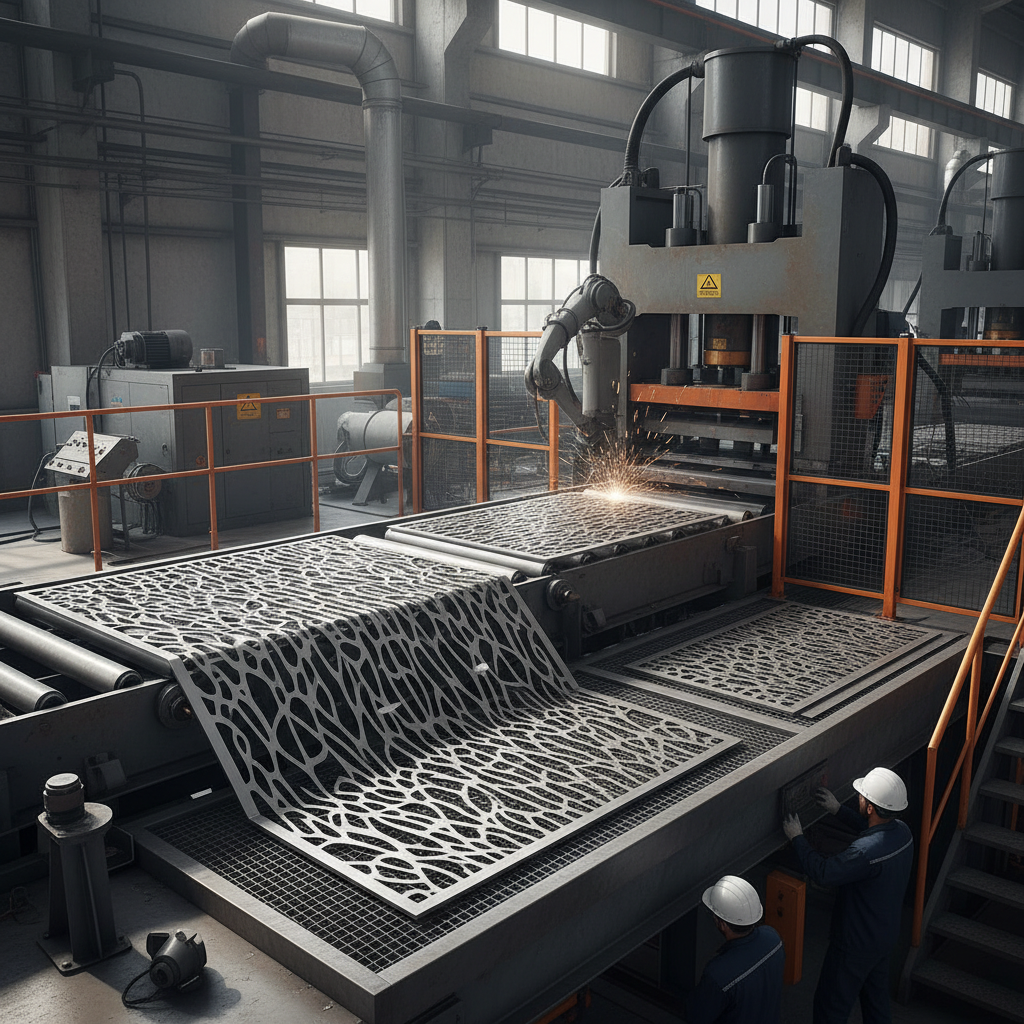
Now, expanded metal security mesh isn’t just a generic barrier—it’s a thoughtfully engineered material. By slitting and stretching metal sheets into diamond-shaped patterns, manufacturers create a grid that’s both tough and lightweight. Oddly enough, this simple manufacturing technique yields a product that excels in high-security applications, from perimeter fencing to machine guarding.
In the field, I've noticed how versatile it is. You can find it protecting everything from industrial HVAC units to secure enclosures in warehouses. Frankly, it strikes a great balance – it lets air and light flow through, so you don’t get that claustrophobic shut-in feeling, yet it’s formidable enough to curb unauthorized access.
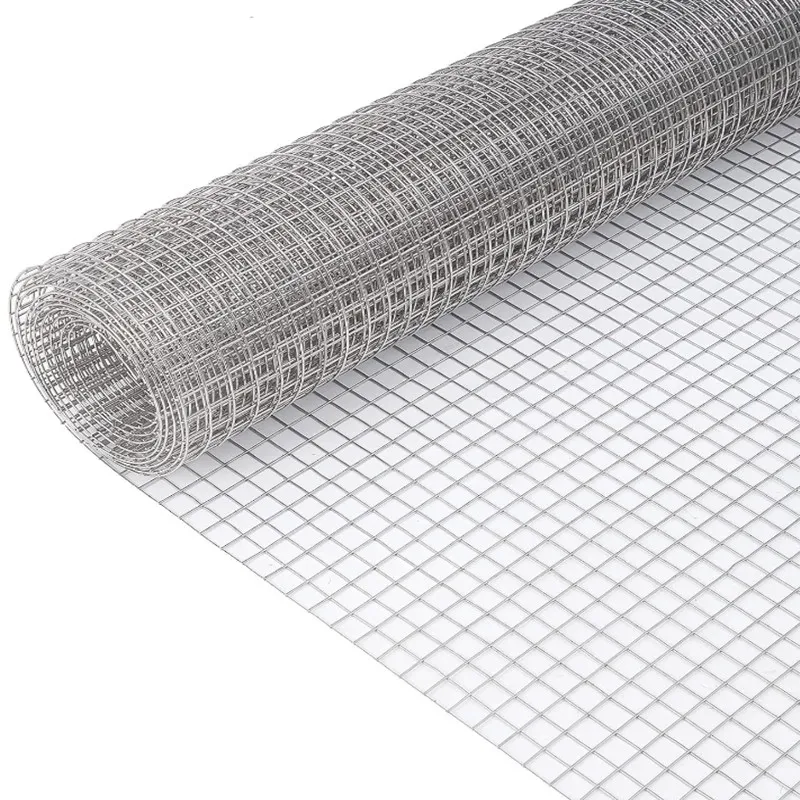
Speaking of materials, most expanded metal security mesh is made from steel—galvanized or stainless. Galvanized mesh gives you that corrosion resistance you want around the clock, especially in outdoor or harsh environments. Stainless steel, on the other hand, steps up the game if you need something a little more chemical resistant or aesthetically sleek. I’ve seen engineers opting for stainless in food processing plants because it combines durability with hygiene standards.
Testing standards are also important. Many vendors ensure their expanded metal meets ASTM and ISO certifications, guaranteeing tensile strength and durability. I remember a site visit where we watched a mesh panel withstand an intense impact test—it was pretty impressive and reaffirmed why this stuff is my go-to recommendation for security barriers.
Let’s talk specs. Here’s a quick snapshot of typical expanded metal security mesh properties:
| Property | Typical Range/Value | Notes |
|---|---|---|
| Material | Galvanized / Stainless Steel | Depends on environment needs |
| Mesh Size | 12mm to 75mm diamond openings | Customizable depending on security level |
| Sheet Thickness | 0.8 mm to 4 mm | Thicker sheets for high-impact resistance |
| Weight | 1.5 to 7 kg/m² | Depends on gauge and mesh size |
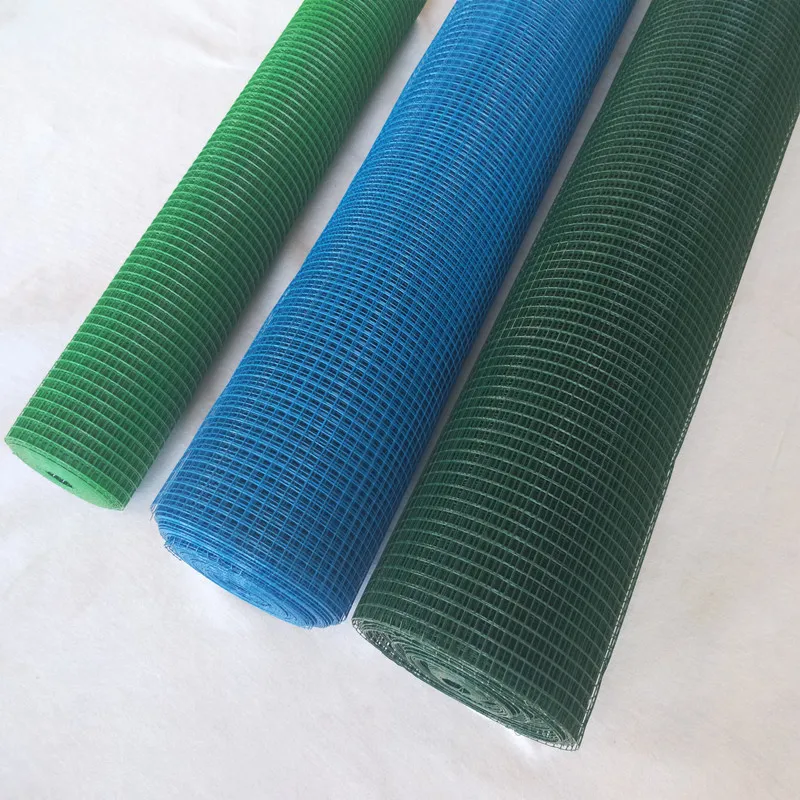
| Finish | Hot-dip galvanized, Powder-coated | Enhances longevity and appearance |
But of course, not all mesh products are created equal. This is where your choice of vendor really matters—and I’ve had my share of lessons here. To help, I put together a quick comparison of typical industry suppliers that repeatedly pop up in professional conversations:
| Vendor | Material Quality | Customization | Lead Time | Price Level |
|---|---|---|---|---|
| Tike Metal | High (ASTM-certified) | Wide range | 2-3 weeks | Moderate |
| Vendor B | Medium | Limited | 1-2 weeks | Low |
| Vendor C | High | Moderate | 4-6 weeks | High |
One little story worth sharing: a local facility once came back to me praising the expanded metal security mesh they installed. They'd faced repeated vandalism, and switching to this mesh drastically reduced break-ins. It’s always good to see firsthand how a material can make a difference—not just in specs but in real-world peace of mind.
Customization options are quite interesting too. You can specify mesh opening sizes to balance visibility and security or choose coatings that match your environment. Some companies even offer colored powder coatings, which I guess is a nice touch if you want functionality to meet design.
Honestly, exploring expanded metal security mesh has been one of those journeys where you realize how something so straightforward can have wide-ranging impacts. It’s industrial-grade protection that’s as much about usability as it is about security.
So, if you ask me, whether you’re retrofitting an old plant or designing a new secure area, expanded metal security mesh is absolutely worth considering. And yes, picking the right supplier makes a big difference; it’s the kind of choice you’ll appreciate a few years down the line.
Thanks for reading — I suppose that’s my two cents based on years of boots-on-the-ground work.
— a seasoned industrial equipment practitioner
References:
RELATED PRODUCTS





Top