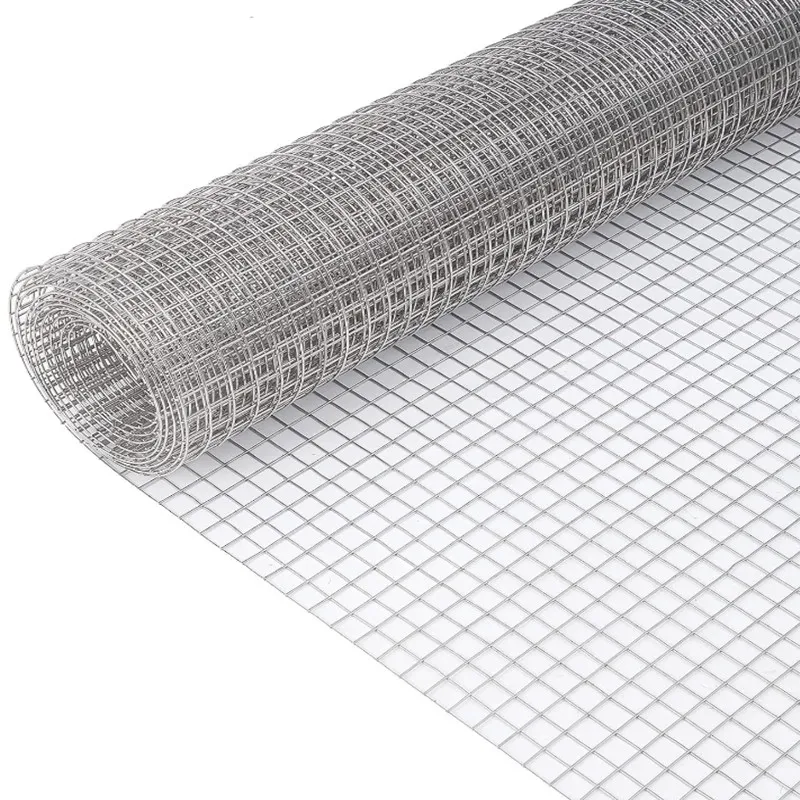
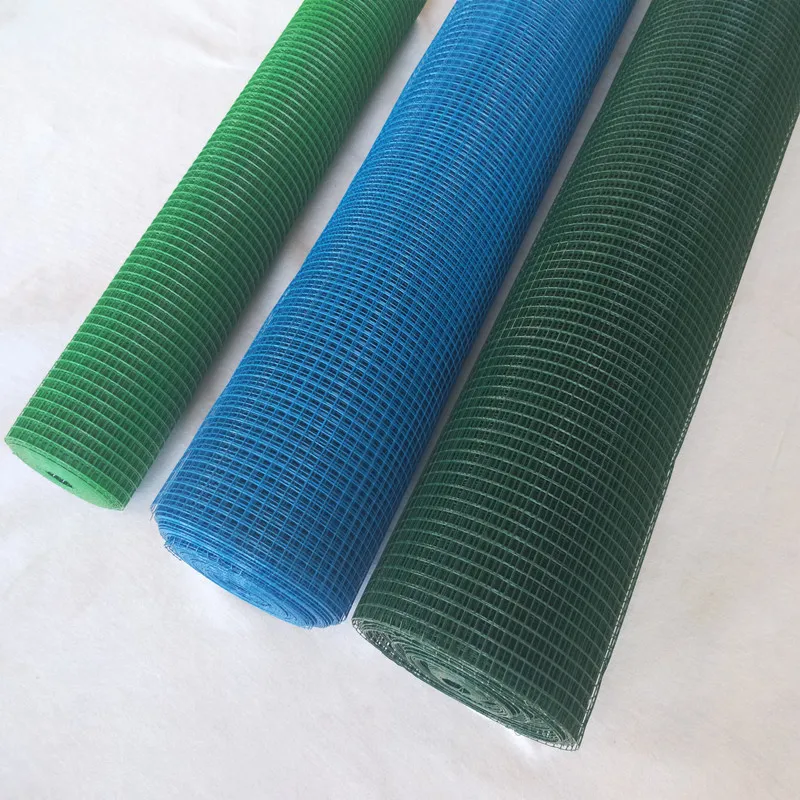
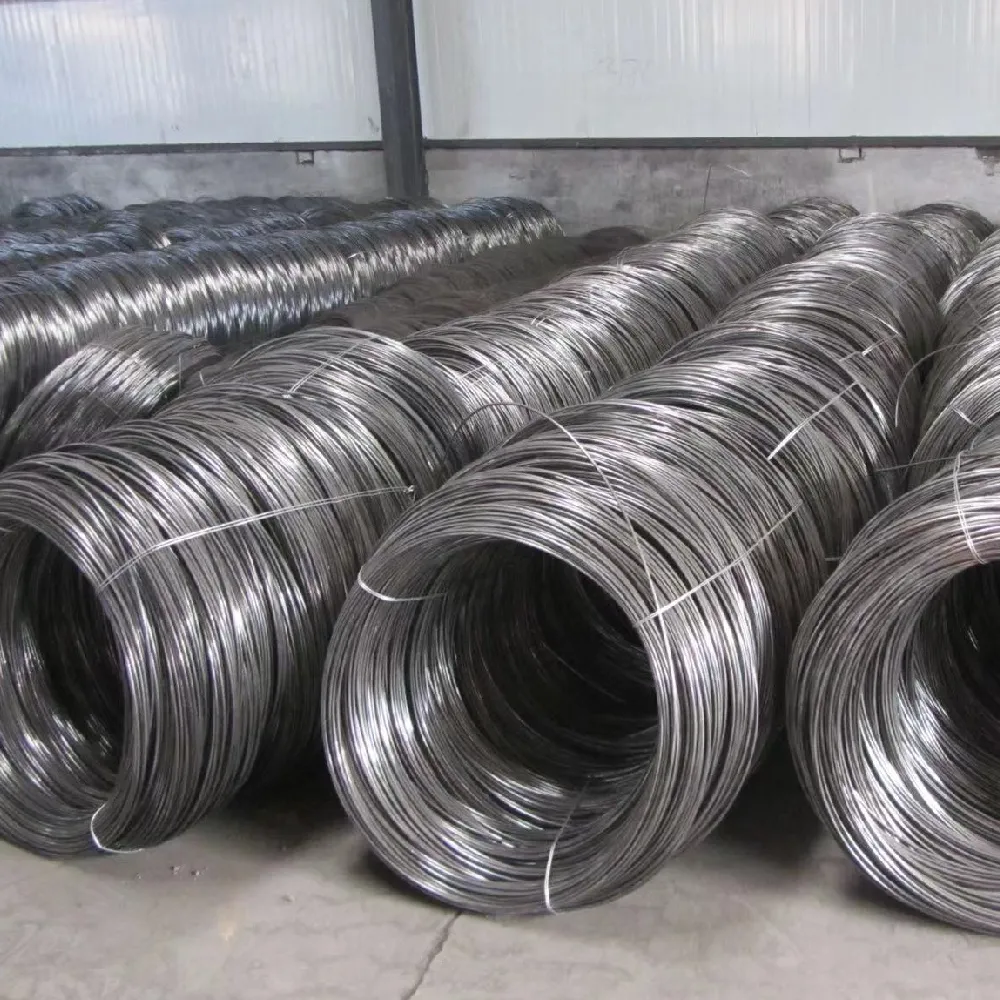
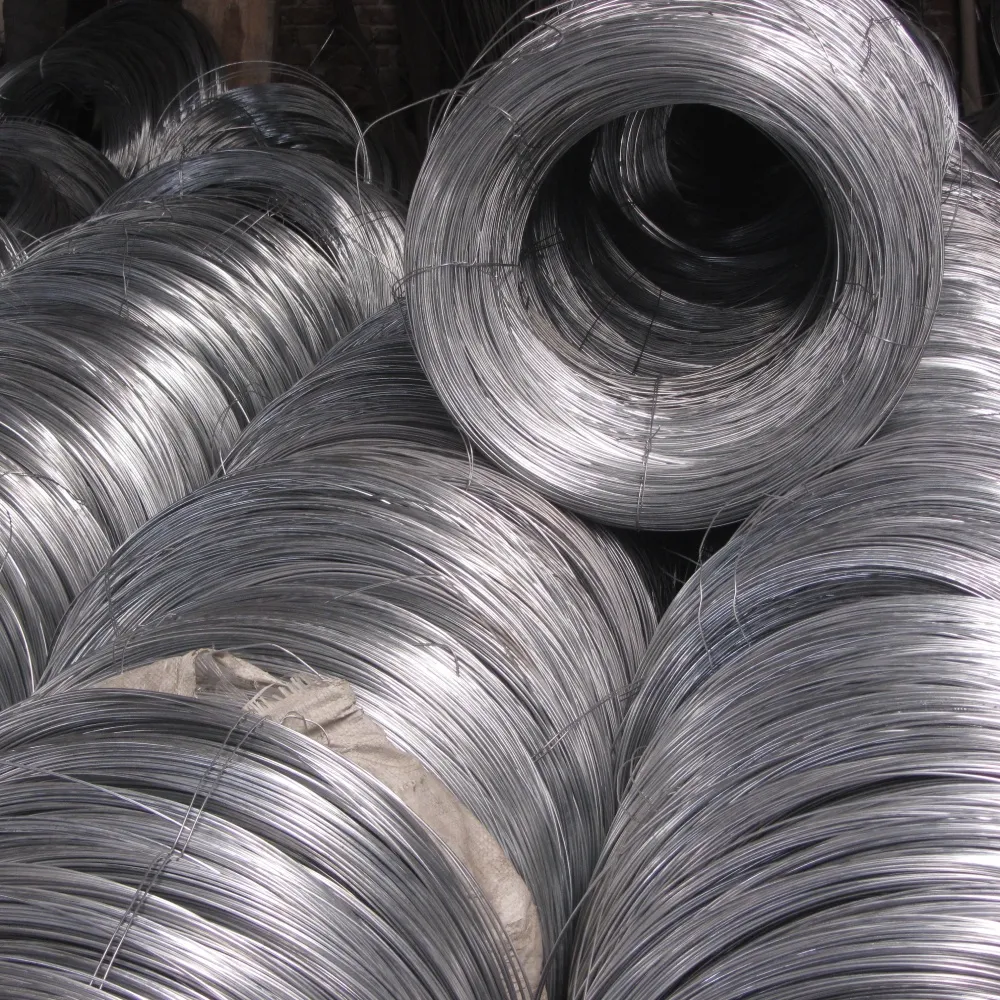
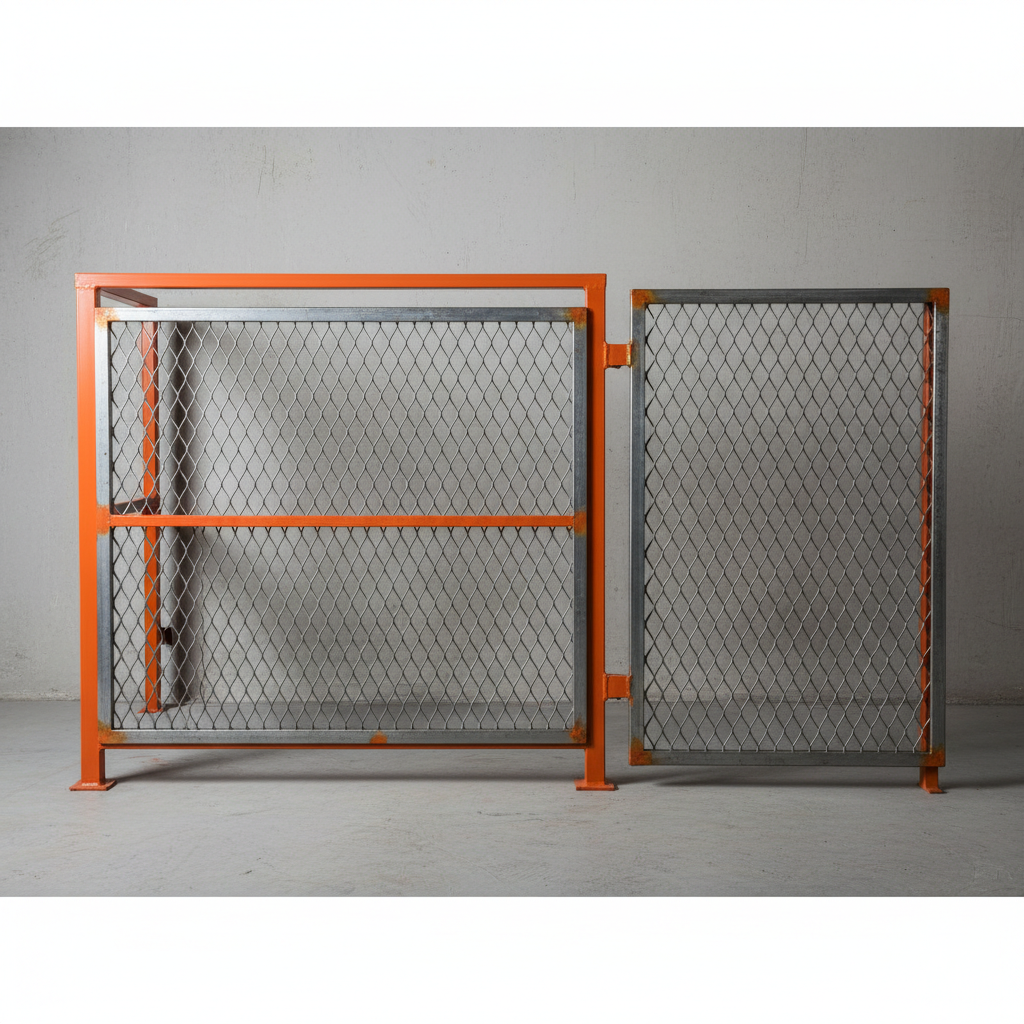
Having spent more than a decade in the industrial equipment sector, I've seen quite a few materials come and go—but expanded wire mesh panels truly stand out as a reliable workhorse. In factories, warehouses, safety enclosures, or even architectural facades, these panels bring a mix of strength, flexibility, and ventilation that’s hard to beat. Frankly, if your project calls for robust screening or partitioning, they’re nearly always on my shortlist.
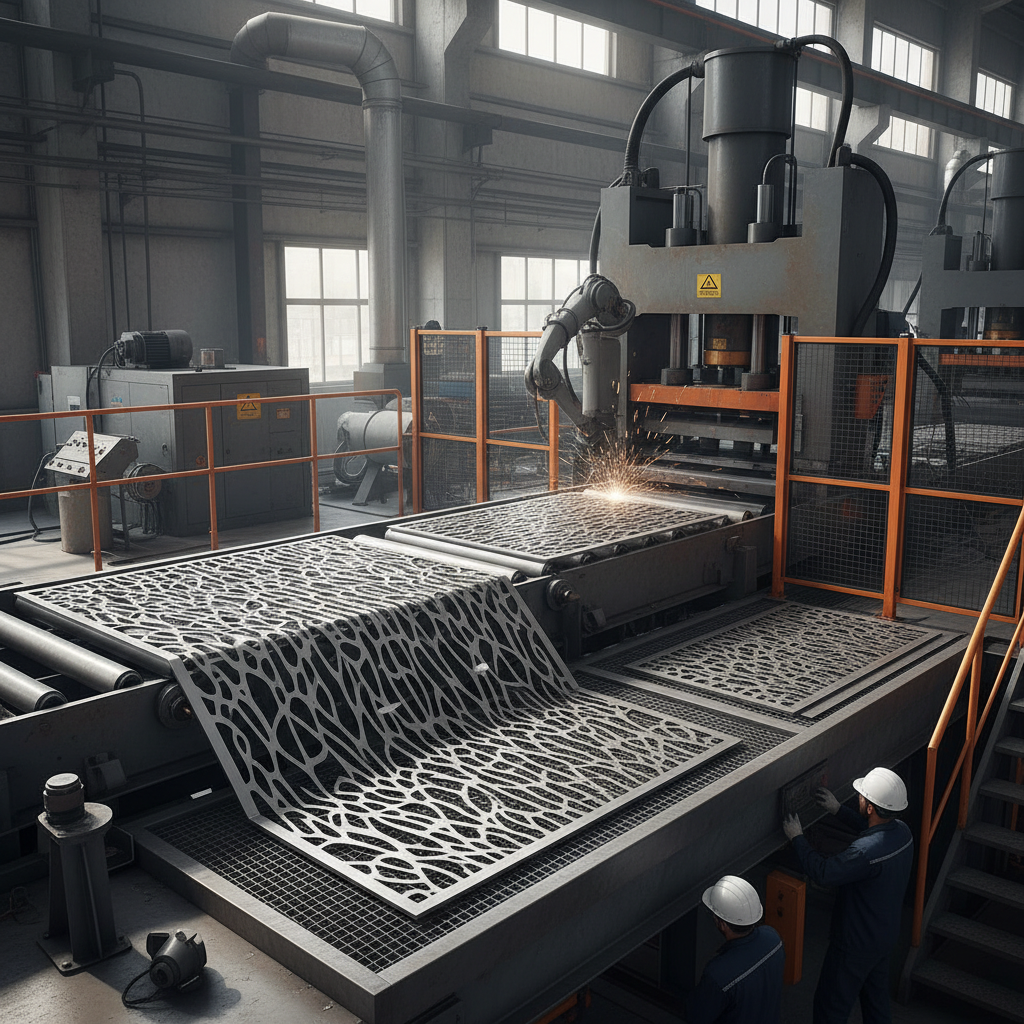
So, why expanded wire mesh? Well, it starts with its manufacturing process, which is fairly straightforward but clever: sheets of metal are slit and stretched to create a diamond-shaped mesh with integral ties, meaning no welding or joining is required. This makes them stronger and lighter compared to traditional welded wire grids—plus, you get uniform openings that allow air, light, and visibility without sacrificing structural integrity. It’s a bit like turning a solid sheet into a living, breathable surface.
Most panels are made from mild steel, galvanized steel, stainless steel, or aluminum depending on the use case. I tend to recommend galvanized or stainless steel for their corrosion resistance, especially in harsher industrial environments. Over time, I’ve noticed clients who skimped on coatings often end up paying more in maintenance and replacements—so that upfront choice matters a lot.
One advantage I can’t stress enough is customization. Expanded wire mesh panels come in a variety of thicknesses, mesh sizes, and sheet dimensions. Whether you need heavy-duty security fences or lightweight machine guards, specs can be dialed in fairly precisely to customer requirements. We had one customer, a chemical plant operator, who needed panels that balanced chemical resistance with ventilation and access control; a stainless steel mesh with narrower openings did the trick perfectly. It’s the kind of fit-for-purpose design that often separates a good product from a great one.
Testing and certification are another dimension worth mentioning. Most reputable suppliers submit their meshes to load-bearing and impact tests to ensure compliance with safety standards—which, as a safety-conscious engineer, I always look for. Oddly enough, despite their utilitarian use, these panels can also be remarkably aesthetic and are beginning to find their place in architectural applications where design and function merge.
| Specification | Details |
|---|---|
| Material | Galvanized Steel, Stainless Steel, Aluminum |
| Thickness | From 1.0 mm to 5.0 mm |
| Mesh Opening | 10 mm to 100 mm (diamond shaped) |
| Standard Panel Size | 1m x 2m, 1.2m x 2.4m (custom sizes on demand) |
| Finishes | Hot-dip galvanizing, powder coating, electroplating |
Now, if you’re shopping around for vendors, the landscape is oddly varied. Some suppliers offer specialized steel grades but have limited size options. Others excel at volume and supply chain efficiency but don’t provide tough finishes or technical consultation. I put together a quick snapshot comparing three well-known vendors I’ve worked with over the years:
| Vendor | Material Options | Customization | Lead Time | Certifications |
|---|---|---|---|---|
| Tike Metal | Galv. Steel, Stainless Steel, Aluminum | High – tailored thickness and mesh | 2–4 weeks | ISO 9001, ASTM testing |
| WireTech Co. | Galv. Steel only | Medium – some size variation | 3–5 weeks | CE Mark |
| Mesh Solutions Ltd. | Stainless Steel only | Low – standard panels only | 1–2 weeks | ISO 14001 |
In real terms, choosing the right expanded wire mesh panel and vendor boils down to your project’s demands. If longevity and tailored specs matter most, spending a little more time upfront with a vendor like Tike Metal pays dividends. I recall a case where a large logistics center needed heavy-duty ventilation barriers that resisted rust and physical damage. The custom stainless steel mesh from Tike Metal performed like a champ, with barely any maintenance over two years—something the client appreciated given their tight uptime requirements.
Of course, no solution is perfect. Expanded wire mesh can be tricky to handle for extremely fine filtration tasks, where woven wire fabrics might be better. And, oddly enough, some say the aesthetics can be industrial and cold, though I’ve seen creative coatings and colors that break that mold nicely.
All told, expanded wire mesh panels are one of those “unsung heroes” in industrial design: practical, versatile, and quietly effective. If you ever get the chance to tour a large manufacturing site, you’ll likely spot them guarding machines, dividing work zones, or even forming walkways and stair treads. It feels like a small detail, but such details build the backbone of industrial safety and efficiency.
Anyway, if you want my honest advice: keep an eye on quality finishes, material grade, and certified testing. They’ll keep your panels standing up to the tough environments where they’re needed most.
A takeaway? Sometimes, it’s the simplest steel shapes stretched just right that do the hardest jobs.
References:
RELATED PRODUCTS





Top