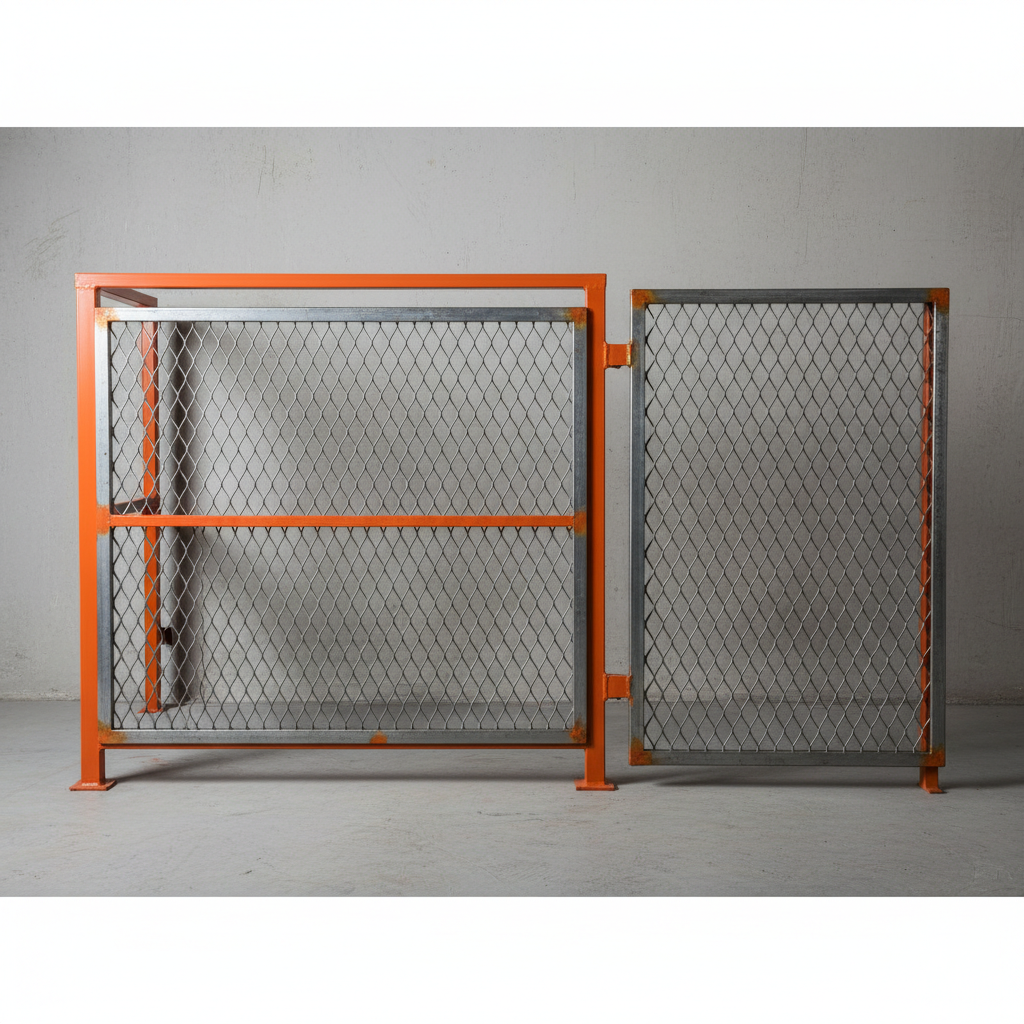
If you’ve spent any time around contemporary industrial or urban design, you may have noticed those rusty, reddish fences that look like they've been there forever — that’s often a corten steel fence. This isn’t just an aesthetic choice or a nod to industrial chic. It’s a practical innovation that’s quietly shaping infrastructure worldwide, especially where durability, sustainability, and low maintenance matter most.
Globally, fencing serves more than just security functions; it’s about defining boundaries in harsh environments, supporting humanitarian projects, and reducing environmental footprints. Grasping the benefits and nuances of corten steel fencing means tapping into a material that aligns with emerging global priorities — from climate adaptation to cost efficiency. Even international bodies, from construction standards organizations to environmental groups, have started recognizing its value.
With urban populations exploding and infrastructure needing upgrade or protection, fencing solutions have to keep up. According to the United Nations’ World Urbanization Prospects (2022), over 56% of the world’s population lives in cities, rising steadily. And infrastructure there requires materials that last, especially outdoors.
Corten steel fencing fits this challenge neatly. It combats corrosion without heavy maintenance or toxic coatings — a big plus in ecologically sensitive projects. Industrial zones, ports, and even refugee camps benefit from it because it reduces replacement cycles and environmental impact.
However, traditional steel fences often suffer from rust, frequent repairs, and generate waste. Meanwhile, the push for green infrastructure compliance under ISO 14001 and growing cost pressures mean materials like corten steel become frontrunners for modern fence design.
So, what exactly is a corten steel fence? Quite simply, it’s a fence made from corten steel — a special weathering steel alloy designed to form a stable, rust-like protective layer after exposure to weather. Unlike regular steel, it doesn’t crumble away but instead resists further corrosion by the protective patina.
Corten steel fences are popular in industries ranging from transportation and energy infrastructure to humanitarian relief — wherever robust, low-maintenance boundary solutions are essential. The steel’s unique chemistry balances copper, chrome, and nickel to achieve this weathering effect, hence the name “weathering steel.”
Corten steel forms a protective oxide layer that prevents further rusting, allowing fences to bear harsh weather, salty air near coasts, and even industrial pollutants. Many engineers report lifespan improvements 2–3 times longer than traditional galvanized steel fences.
Though the initial investment may be slightly higher than standard steel, corten fences save substantial sums on painting, repairs, and replacements. In real terms, reduced downtime and maintenance crews add to overall savings.
The fact corten steel requires no protective coatings means zero toxic paint chemicals or flakes seeping into the soil — which is great news for eco-sensitive sites. Plus, corten steel fences are 100% recyclable, aligning well with circular economy standards.
Oddly enough, the rusty patina is an aesthetic selling point. Architects and landscapers love how it blends naturally into various settings, from urban plazas to rugged rural landscapes.
Corten steel fences can be fabricated into diverse sizes and panel styles, supporting modular installation — crucial for large-scale projects or rapid deployment needs, say in emergency relief zones.
The utility of corten steel fences spans continents and sectors. For example:
These examples show how corten steel fences adapt to needs from fast deployment to permanent protective barriers.
| Specification | Typical Value | Notes |
|---|---|---|
| Material Alloy | Corten A or B (SAE ASTM standard) | Depends on corrosion resistance required |
| Thickness | 1.5–3 mm | Varies by panel size/strength needed |
| Corrosion Resistance | High (weathering effect) | No paint or coating required |
| Weight | ~7.85 g/cm³ | Typical steel density |
| Typical Lifespan | 25–50+ years | Depending on exposure conditions |
| Vendor | Product Range | Customization | Lead Time | Price Range |
|---|---|---|---|---|
| Tike Metal | Standard & Custom Panels | High (sizes, finishes) | 2–4 weeks | Mid-Range |
| SteelWorks Ltd. | Industrial Fencing Only | Limited | 4–6 weeks | Budget |
| WeatherGuard Solutions | Wide architectural range | Medium | 3–5 weeks | Premium |
When you drill down, the real value lies in the combination of pragmatic features and intangible merits:
For engineers I've chatted with, “once you go corten, you rarely go back” comes up — and odd as that sounds, it does hold water.
The future is anything but rusty! Some emerging trends to watch:
No material is perfect. The main critique on corten steel fences? The initial rust runoff can temporarily stain surrounding concrete or stone — which can unsettle some architects or installers. Also, in very humid or saline areas, the protective layer forms slower, meaning some early maintenance may be needed.
However, these downsides are well understood, and many projects use design tweaks like drainage planning or sacrificial coatings on adjacent surfaces to mitigate. Plus, vendors like Tike Metal provide expert consultancy to tailor solutions per environment.
A: Typically, a corten steel fence can last anywhere from 25 to 50+ years, depending on exposure to moisture, pollutants, and climate. Its unique oxidation layer protects it from deeper corrosion, unlike regular steel.
A: Initially, yes. The rust runoff can cause orange staining on concrete or stone, but this usually stops after the protective patina stabilizes. Proper site planning and installation techniques minimize this issue significantly.
A: Definitely. It requires no paints or chemicals, has a long service life, and is fully recyclable. These traits greatly reduce environmental impact compared to conventional options.
A: Yes, many suppliers offer custom sizes, panel designs, and finishes. This makes it ideal for uses from industrial zones to architectural landscaping.
A: Absolutely. Beyond initial weathering, they usually require minimal upkeep — typically just inspections. No repainting or rust treatment is necessary.
In the grand scheme, the humble corten steel fence quietly addresses pressing global needs: durability in harsh environments, sustainable design, cost-effectiveness, and aesthetic versatility. Its growing adoption worldwide—from urban parks to emergency camps—speaks to a material solution that’s both intelligent and grounded.
If you’re considering fencing options that will weather time, climate, and budget scrutiny, explore the range of corten steel fence solutions. There’s something reassuringly solid about a fence built to last, with a story to tell.
Visit Tike Metal’s website for more detailed product info and expert guidance on how to specify the right corten steel fence for your project.
RELATED PRODUCTS





Top