At a glance, a galvanized steel fence might just seem like a sturdy barrier around a property, but dig a little deeper and you'll find it’s a backbone of modern security, sustainability, and industrial design worldwide. Globally, the demand for reliable, cost-effective fencing solutions ties closely to urban expansion, environmental challenges, and safety regulations. Understanding the ins and outs of galvanized steel fences offers not just a peek into current infrastructure trends but also a clearer vision for the future of durable construction.
Why should we really care about galvanized steel fencing? Well, consider this: according to the International Organization for Standardization (ISO), the steel industry contributes massively to construction and Infrastructure development worldwide. About 1.8 billion tons of steel are produced annually, much of which ends up protecting, dividing, or defining space — especially in urban and industrial zones. Galvanized steel fences help address two big headaches — weather-induced corrosion and escalating security threats — both of which are pretty global in nature.
Data from the UN Office for Disaster Risk Reduction highlights how climate disasters often disrupt public security measures. A galvanized fence, resistant to rust and decay, holds up when storms rage or when saltwater air attacks coastal infrastructures. Thus, it’s not just fence; it’s a reliable safeguard that keeps communities protected and businesses operational under rough conditions.
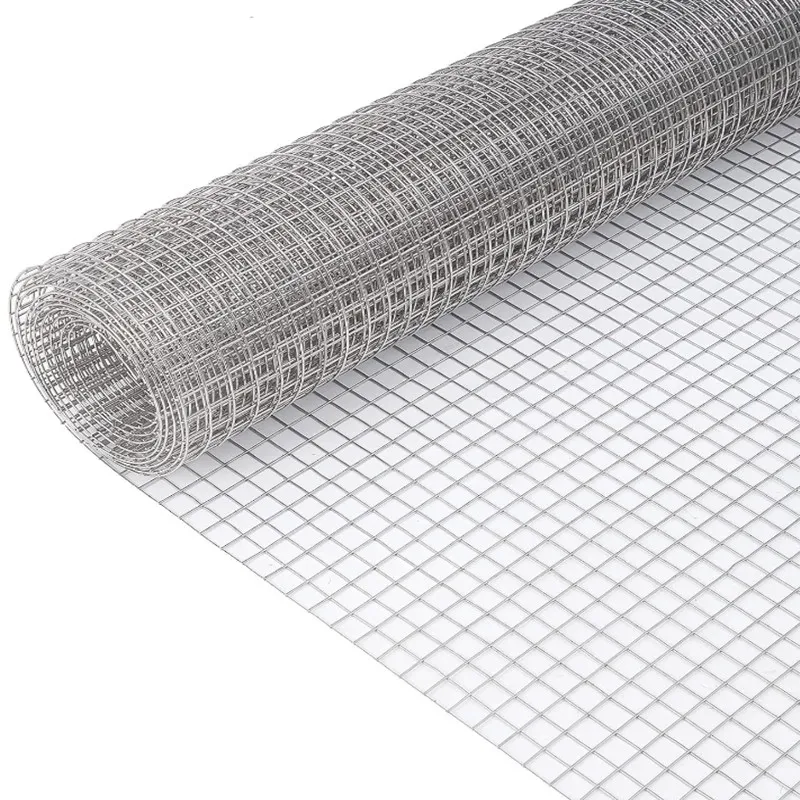
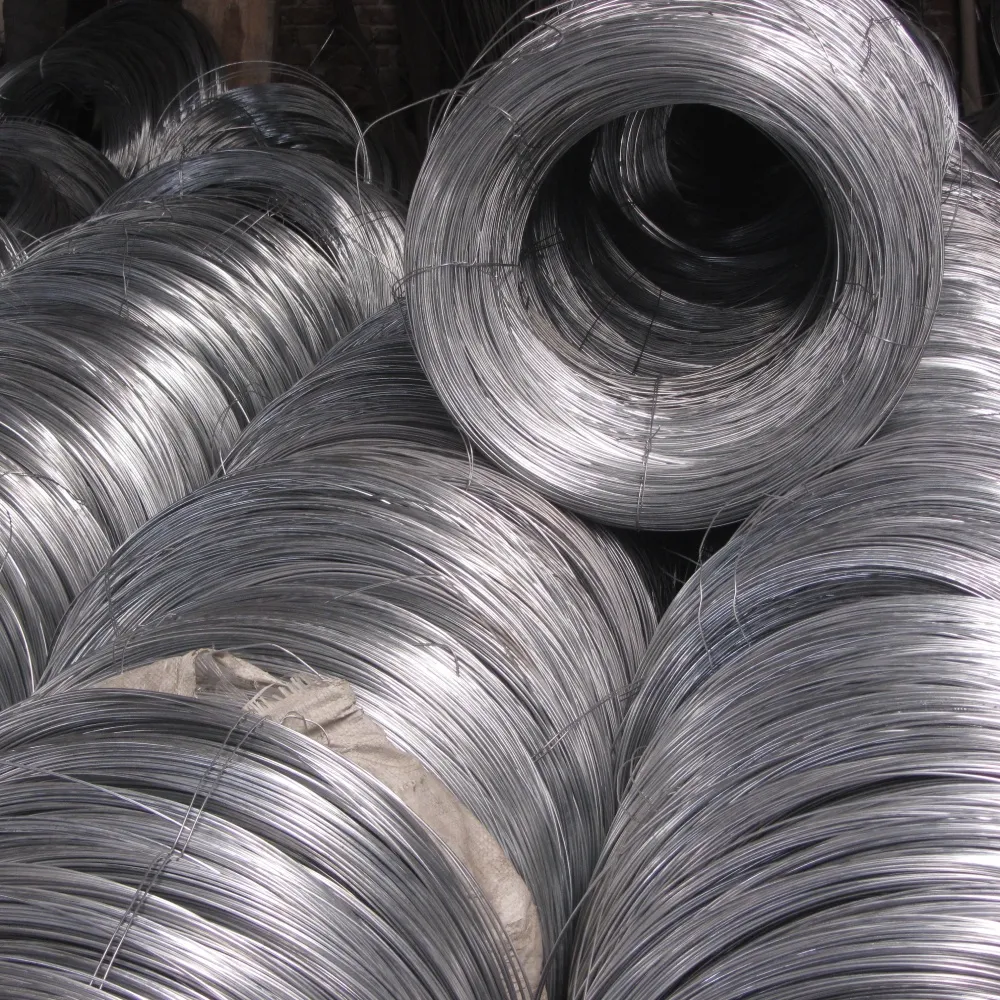
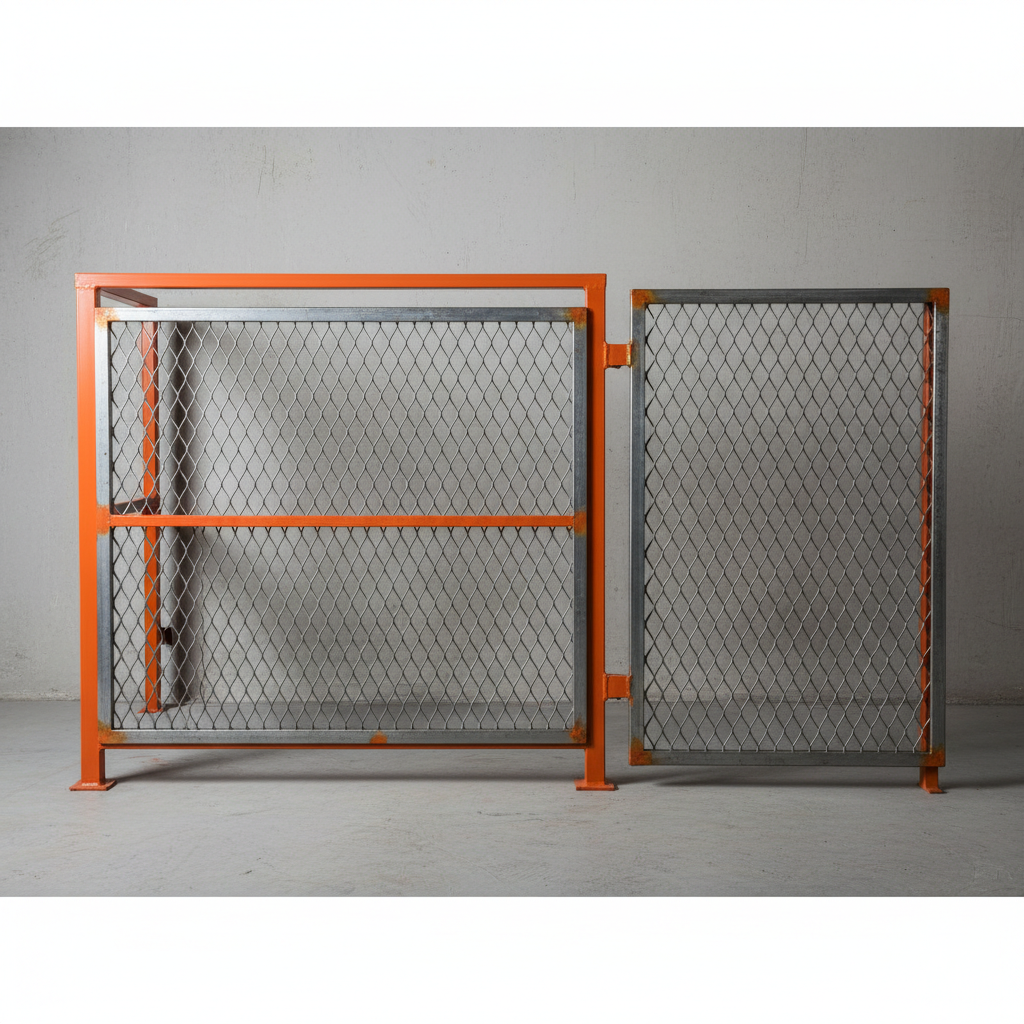
Let's strip it down: a galvanized steel fence is basically steel coated in a thin layer of zinc. This zinc coating shields the steel from rust and corrosion, extending its life significantly — sometimes decades longer than untreated steel. This process, known as hot-dip galvanization, involves dipping pre-made steel fence components into molten zinc, which bonds metallurgically to the steel.
The fencing comes in various styles, from chain-link to privacy panels, often fitted around construction sites, industrial complexes, or even in humanitarian zones where rapid deployment and durability are critical. It’s this blend of strength and resilience that makes galvanized steel fences indispensable.
First off, the zinc coating itself acts like a sacrificial skin. You might be surprised to hear that, given how rough environments can be, galvanized steel fences can last up to 50 years with minimal maintenance. This longevity is vital for projects in remote or hard-to-access areas.
While initial costs may seem higher than wood or plastic fencing, the low maintenance and long lifespan drastically reduce lifetime expenses. Many facilities note cutbacks in yearly repair budgets when shifting to galvanized steel options.
Whether securing a small backyard or a sprawling industrial zone, galvanized steel fences adapt easily. You can increase height, integrate electronics, or customize panels to meet safety regulations or aesthetic desires.
Beyond just rust, these fences shrug off UV damage, salt spray, and even chemical pollutants—a crucial factor for coastal or industrial enterprises.
The magic here is in smart material science meeting practical needs. The galvanized steel fence offers a pipe dream of "set & forget" fencing with a substantial return on durability and cost.
From sprawling airports in Europe to emergency shelters in parts of Africa and Asia, galvanized steel fences hold strong. I’ve noticed companies in the mining sector particularly favor them because they resist the often corrosive dust and chemicals flying around. Similarly, municipal projects in flood-prone areas bank on these fences to keep areas secure after high water subsides.
Take, for example, a post-hurricane relief operation in the Caribbean: using quick-assembly galvanized steel fencing helped cordon off aid distribution sites, maintaining order and safety where chaos could otherwise have ensued.
Even inside urban centers, the fence supports everything from playground safety to public transit infrastructure. In construction zones, it’s often a mandatory component, not simply for safety, but regulatory compliance.
It’s not just a fence—it’s a long-lasting promise of safety and smart spending, which, frankly, every project appreciates.
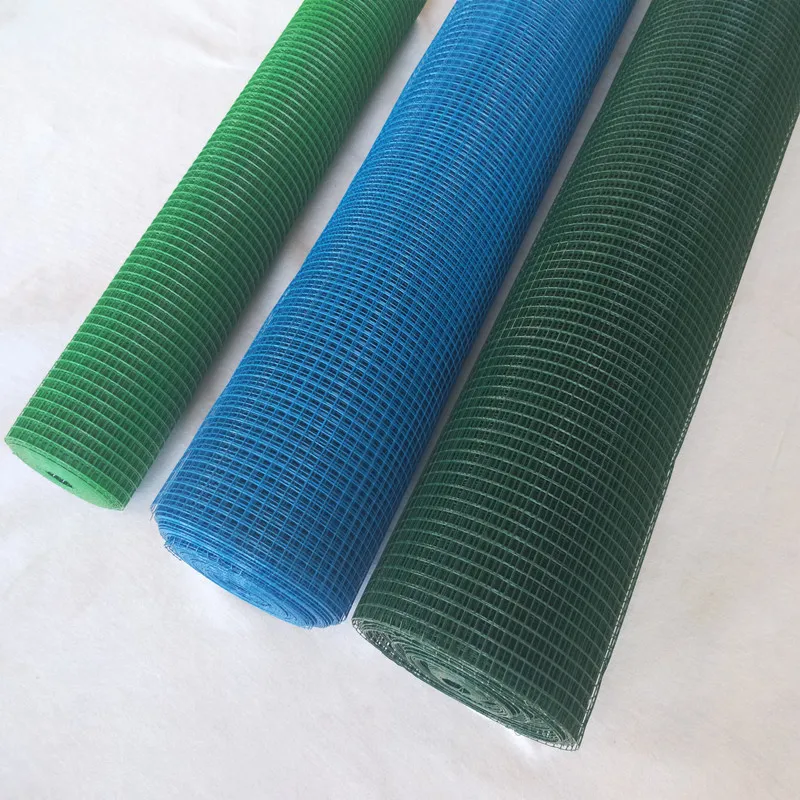
Believe it or not, tech is creeping into fencing. Innovations like sensor integrations paired with galvanized steel frames enable smart fences, alerting companies to breaches in real time. Sustainability also drives improvements with eco-friendlier zinc and steel sourcing. Research is ongoing to combine galvanized coatings with powder paints that further boost corrosion resistance.
Automation in manufacturing is reducing costs and speeding delivery, making it easier for even small vendors to supply galvanized steel fencing globally. Green infrastructure is key — thinking about fences not just as borders but as eco-conscious components integral to sustainable development.
Oddly enough, one common challenge is the misconception about upfront cost. Some customers balk at the initial investment despite long-term savings. There’s also the issue of surface damage during transport or installation, which can threaten the coating’s integrity.
Experts suggest thorough training for installers and quality checks pre-delivery. Some firms now offer fencing panels with factory-applied powder coating over the galvanization for extra protection—an emerging best practice.
| Specification | Details |
|---|---|
| Material | Carbon Steel, Hot-Dip Galvanized |
| Coating Thickness | 85-275 g/m² zinc layer |
| Panel Height | 1.2m - 2.4m (custom available) |
| Panel Width | 2.4m standard |
| Warranty | 10-20 years depending on environment |
| Customization | Available with powder coating, electrification, branding |
| Supplier | Lead Time | Custom Options | Price Range | Global Reach |
|---|---|---|---|---|
| SteelGuard Inc. | 2-3 weeks | Powder coating, branding | $$$ | Europe, Asia |
| Tike Metal Solutions | 1-2 weeks | Electrification, digital monitoring | $$ | Global (incl. Africa, Americas) |
| Durafence Corp. | 3-4 weeks | Heavy-duty, anti-climb meshes | $$$ | North America, Europe |
Typically, these fences last anywhere from 20 to 50 years depending on environmental exposure. Coastal or industrial regions might reduce lifespan due to salt or chemical exposure. Routine inspection and minor repairs keep the fence functioning for decades.
Absolutely. Many security firms and industrial sites choose galvanized steel fences because they combine durability with customization options like anti-climb mesh or electrified panels.
Yes! The steel used is commonly recycled, making these fences a green choice. When fences reach end of service, the metal can be melted down and reused with minimal material loss.
Maintenance is minimal. Regular washing to remove dirt, checking for scratches or damage to coating, and timely repainting or touch-ups when necessary usually suffice.
Most suppliers offer options ranging from powder-coated colors to integrated lighting and even sensor installations. It’s best to discuss specifics with your vendor.
When it comes to fencing solutions that tick boxes for durability, cost, sustainability, and security, galvanized steel fences still rule the roost. Whether you’re securing a high-security warehouse or setting up a temporary humanitarian site, their long-term reliability makes them a practical, smart investment.
Don’t just take my word for it — check out galvanized steel fence providers and see what fits your project needs. The right fence today means fewer headaches tomorrow.
Galvanized steel fences might sound ordinary, but they quietly support some of the toughest environments on Earth. And looking ahead, they're only getting smarter, greener, and more adaptable.
RELATED PRODUCTS





Top