It's funny how something as simple as a corrugated steel fence can play a quiet yet pivotal role in our modern world. At first glance, it seems mundane—just a barrier that marks boundaries. But dig a little deeper, and you realize how crucial these fences are for construction, security, and even humanitarian aid efforts worldwide. With the increasing need for durable, cost-effective, and scalable fencing solutions, especially in rapidly evolving urban and industrial landscapes, understanding the corrugated steel fence is a must. These fences offer tangible benefits like robustness, longevity, and adaptability, making them the go-to choice for many applications.
Mini takeaways: Corrugated steel fences are not just barriers; they're vital tools that combine durability and efficiency, addressing global infrastructure needs.
According to the International Organization for Standardization (ISO), industrial materials that ensure long life and resilience reduce waste and promote sustainability. Corrugated steel fencing fits right into that framework. With global industrial growth expected to surge by nearly 4% annually (World Bank, 2023), the demand for protective, reliable fencing solutions has never been higher.
The challenge? Traditional fencing materials often fall short when you look at factors like weather resistance, maintenance, and cost-efficiency. For regions experiencing rapid industrial expansion or post-disaster reconstruction, a robust and quickly deployable fencing system is essential. Enter the corrugated steel fence, addressing these challenges head-on.
Mini takeaways: As industries grow and climate demands intensify, corrugated steel fencing emerges as an economically sensible and environmentally conscious choice worldwide.
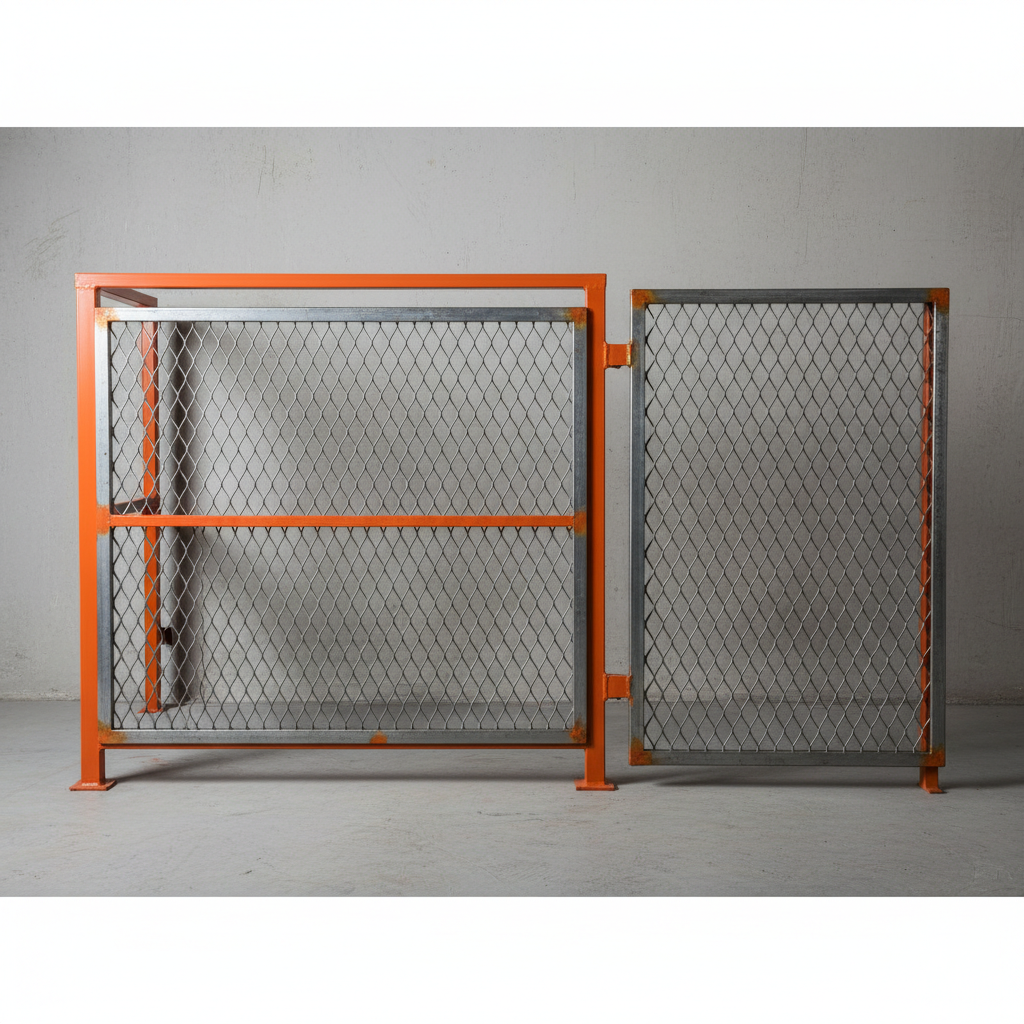
Simply put, a corrugated steel fence consists of steel panels shaped into regular ridges and grooves—those “waves” in the metal you often see. These ridges provide extra stiffness and strength, which means thinner steel can perform just as well as heavier sheets. It's kind of like architecture’s version of a honeycomb—an elegant way to bulk up while saving weight.
These fences serve dual purposes: physical barriers to secure premises and structural components in temporary or fast-deployment setups. Whether installed around factories, farms, or emergency shelters, their modular design and ease of installation make them indispensable in many sectors.
Mini takeaways: Corrugated steel fences marry simplicity with engineering smarts, offering strength without bulk, which is why industries and relief agencies alike favor them.
One of the biggest draws is steel's natural resistance to impact and weather extremes. When coated (usually galvanization), these fences shrug off rust and corrosion, often outlasting wooden or PVC counterparts by years.
Thanks to modular panels, you can easily adjust fence lengths or repair sections without fuss. For sprawling industrial sites, this adaptability is a lifesaver.
It's not just the upfront price. Lower maintenance and long lifespans mean corrugated steel fences often come out cheaper over a decade or two — a fact that many project managers appreciate.
The rigid, high panels deter intruders while providing a clear visual boundary. Sometimes adding anti-climb designs or extra coatings upgrades security further.
Steel is recyclable, and modern production methods are cleaner than decades ago. When fences reach end-of-life, much of the material can be recovered instead of landfill-bound.
While function rules, these fences can be painted or finished for different looks, fitting into urban or rural settings without appearing intrusive.
Mini takeaways: From endurance to eco-friendliness, corrugated steel fences pack a punch in versatility and responsibility.
This fencing isn’t just a Western construction site staple. In Southeast Asia, they're common around expanding manufacturing hubs; in Australia, they fence off mining operations miles from the nearest town. NGOs use corrugated steel fences in refugee camps, providing quick, sturdy, and affordable boundaries that can withstand harsh climates.
Consider the aftermath of the 2020 Cyclone Amphan in India and Bangladesh. Relief teams quickly set up corrugated steel fences around temporary shelters to establish secure zones, helping maintain order amidst chaos.
Or think of remote energy exploration sites in Siberia, where tough weather demands fencing that lasts. Conventional wooden or plastic fences wouldn’t stand a chance for more than a season.
Mini takeaways: From emergency zones to industrial frontiers, corrugated steel fencing is a global solution to diverse security and infrastructure challenges.
There’s also an emotional side. In disaster zones or remote sites, seeing a secure, well-maintained fence can bring a sense of peace and normality. It’s a small but powerful symbol of order and protection—something many take for granted until it’s gone.
| Specification | Detail |
|---|---|
| Panel Material | Galvanized Steel (G90 coating) |
| Thickness | 0.5 mm – 1.0 mm |
| Panel Size | 2.5 m length x 1.2 m height (customizable) |
| Corrugation Profile | Trapezoidal, 18 mm pitch |
| Finish | Galvanized, Optional Powder Coating |
| Lifespan | 15-25 years depending on maintenance |
| Vendor | Product Range | Customization | Price Level | Global Availability |
|---|---|---|---|---|
| Tike Metal | Corrugated Steel Panels, Modular Fencing | High (sizes, coatings, colors) | Competitive | Worldwide |
| SteelGuard | Heavy-Duty Fencing Solutions | Medium | Premium | North America, Europe |
| EcoFence Co. | Sustainable Steel Panels | Limited | Mid-Range | Asia Pacific, Europe |
Steel fencing technology is evolving surprisingly fast. Recent advances include integrating solar-powered lighting into fence posts, enhancing security without wiring complexities. Then, the rise of smart coatings—self-healing or rust-resistant layers—promises to push lifespan further. Add to that digital tracking for fence panels in huge projects, making inventory and maintenance easier.
There's a growing push toward sustainability, with mills experimenting with recycled steel and reducing carbon emissions during production. I find it comforting to know that even a fence panel carries the potential to reduce environmental footprints, in its own small way.
Of course, no product is perfect. Corrugated steel fences can suffer dents or scratches if hit hard enough, and their metal nature means they conduct heat, which might be uncomfortable in hot climates.
However, modern designs counter these with reinforced frames, and powder coatings that reduce heat absorption. Experts also suggest combining steel fences with natural vegetation or insulating layers to moderate temperature impacts. Remember, the key often lies in customizing solutions for the specific site rather than off-the-shelf installations.
All in all, the corrugated steel fence feels like one of those unsung heroes in infrastructure that rarely get told. Durable, flexible, and increasingly eco-friendly, they offer both practical and emotional assurances—security, dignity, and peace of mind. Whether you're securing an industrial compound, marking boundaries in emerging urban zones, or protecting vulnerable populations in crisis, these fences bring long-term value.
Interested in exploring what corrugated steel fencing could do for your project? Visit our website at https://www.tikemetal.com to learn more.
RELATED PRODUCTS





Top