Steel fence panels might seem humble at first glance—just rows of metal rods or sheets lined up to keep something in or out. But in a world increasingly focused on security, durability, and sustainability, these panels have quietly become a crucial part of industrial, commercial, and even humanitarian applications worldwide.
Why does this matter globally? Steel fence panels provide a cost-effective, reliable solution that aligns perfectly with modern challenges such as urban expansion, infrastructure protection, and even emergency response. Understanding their value and how they are evolving can save time, money, and ensure safety in many sectors.
The World Bank estimates that urban populations will grow from 4.4 billion in 2020 to nearly 7 billion by 2050, and with that growth comes increased pressure on boundaries and property protection. Steel fence panels serve as a scalable and robust solution to these urban challenges. Furthermore, ISO standards on steel manufacturing (ISO 9001, ISO 1461 for galvanization) have pushed the industry towards consistent quality, helping global trade and deployment.
Moreover, the global security market, valued at over $120 billion in recent reports, increasingly relies on physical barriers alongside digital measures. Here, steel fence panels help address the old but still critical question—how to efficiently secure sites without excessive cost or environmental impact.
Oddly enough, this simple product cuts across more sectors than one might expect, from industrial plants in Southeast Asia to refugee camps in Africa. Yet challenges like corrosion resistance, installation speed, and customization still spur innovation.
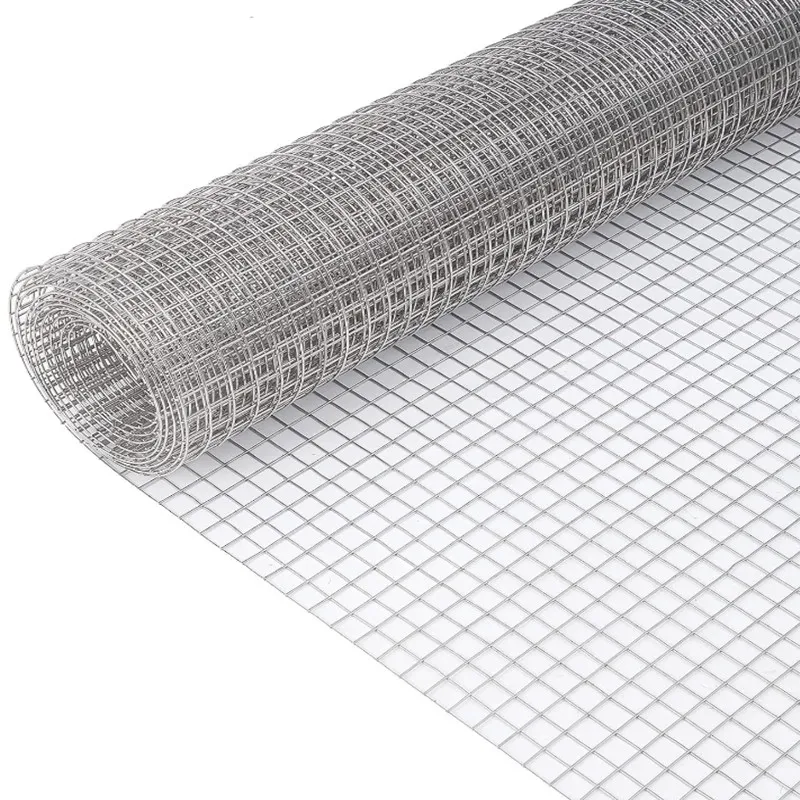
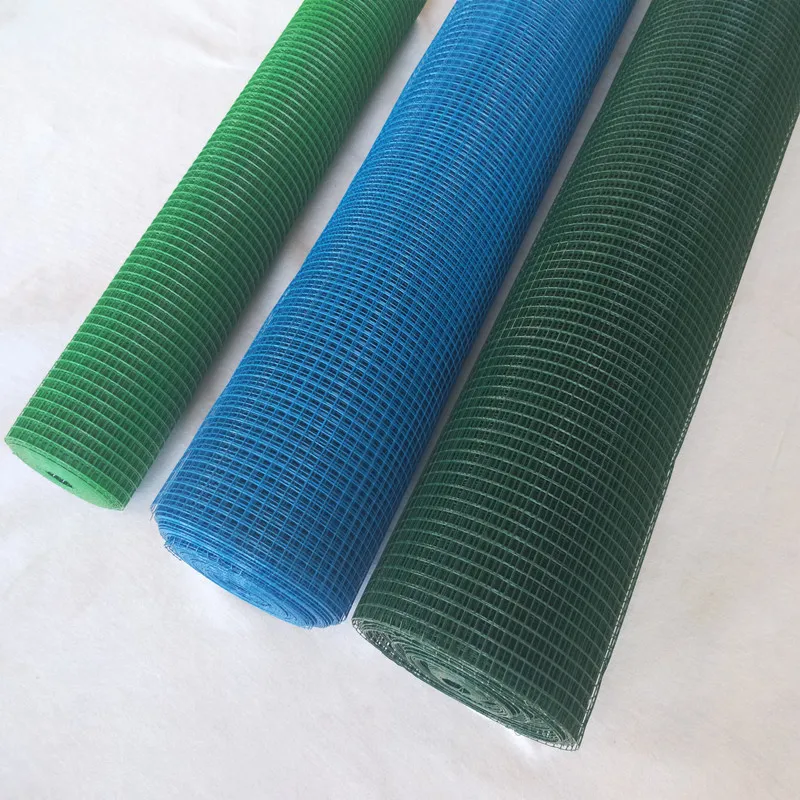
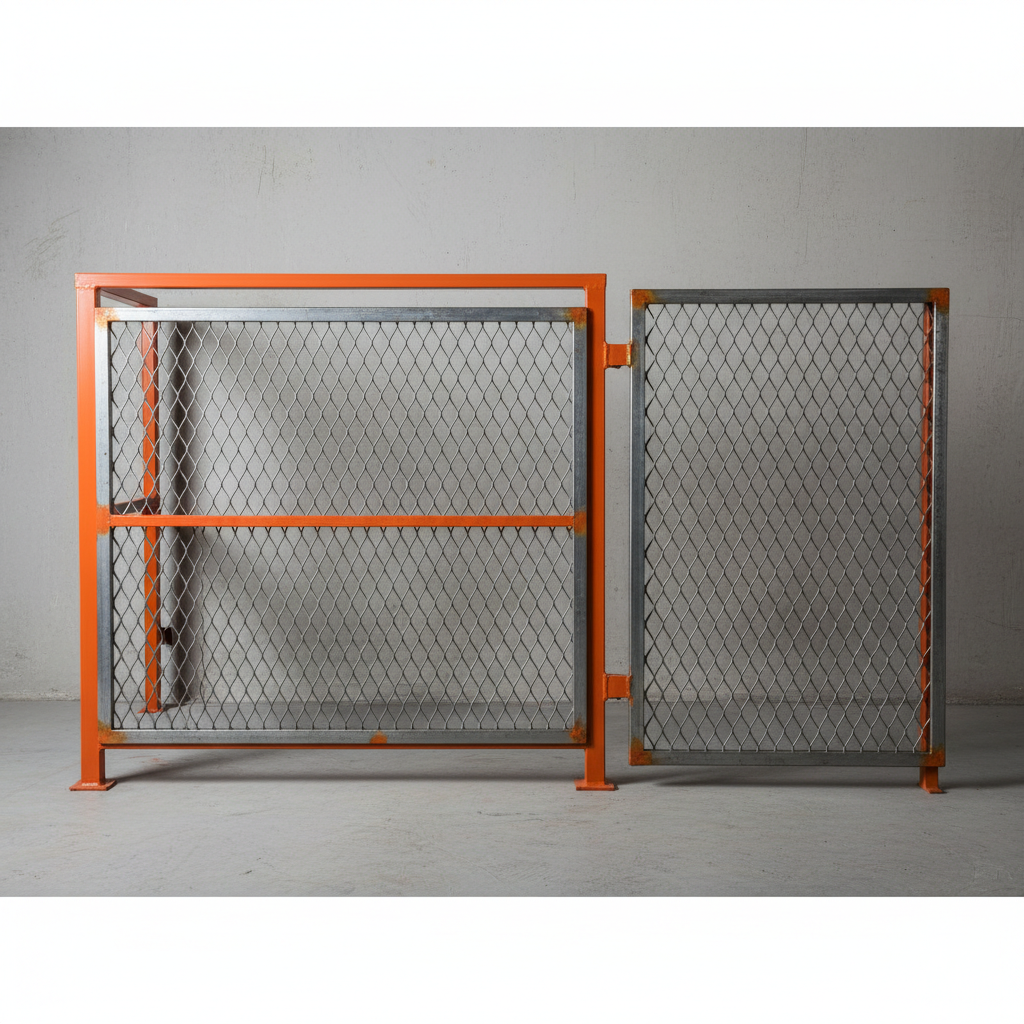
At its core, a steel fence panel is a prefabricated segment consisting of vertical and horizontal steel bars manufactured through welding or riveting. Typically coated with galvanized zinc or powder paint, these panels resist corrosion and can be adapted in size and thickness depending on use.
Think of them as modular ‘walls’—easy to ship, assemble, and customize. They're a staple in securing perimeters, protecting assets, and defining property lines. In humanitarian contexts, their rapid deployment aids in delineating safe zones and controlling access during crisis relief operations.
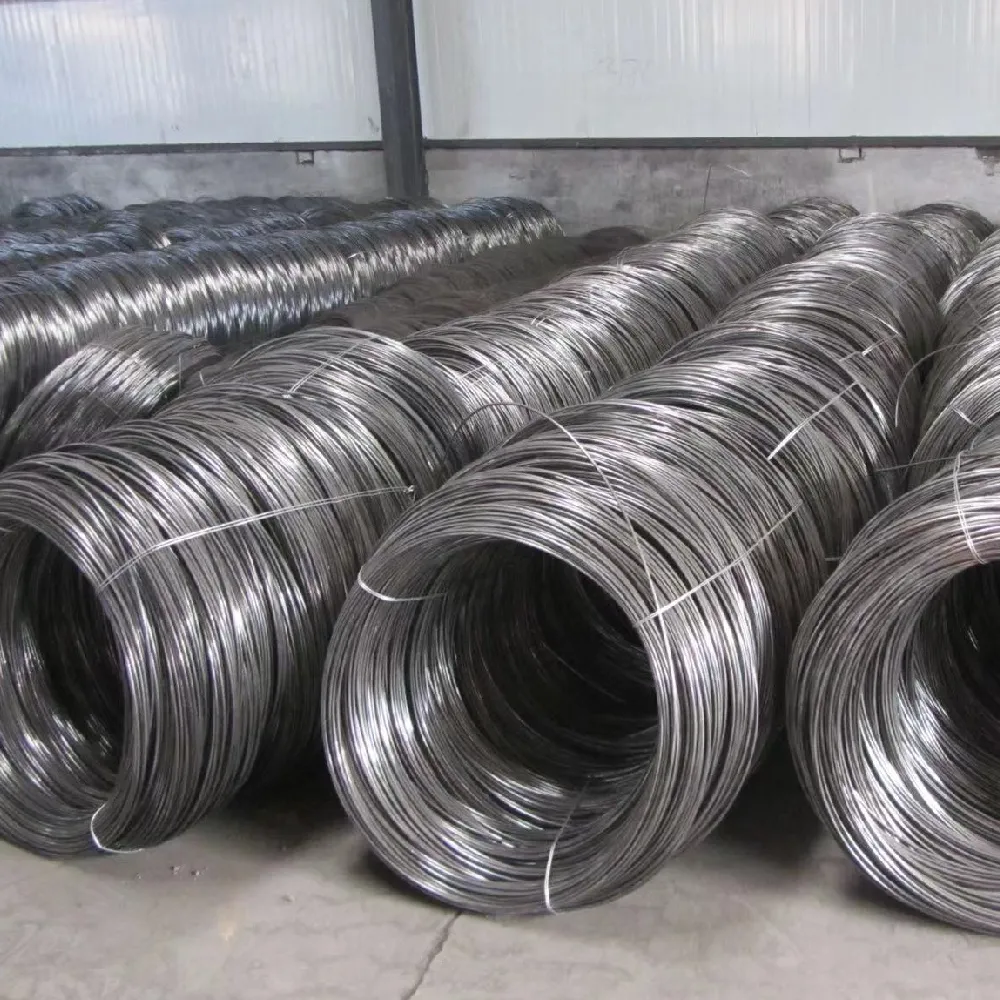
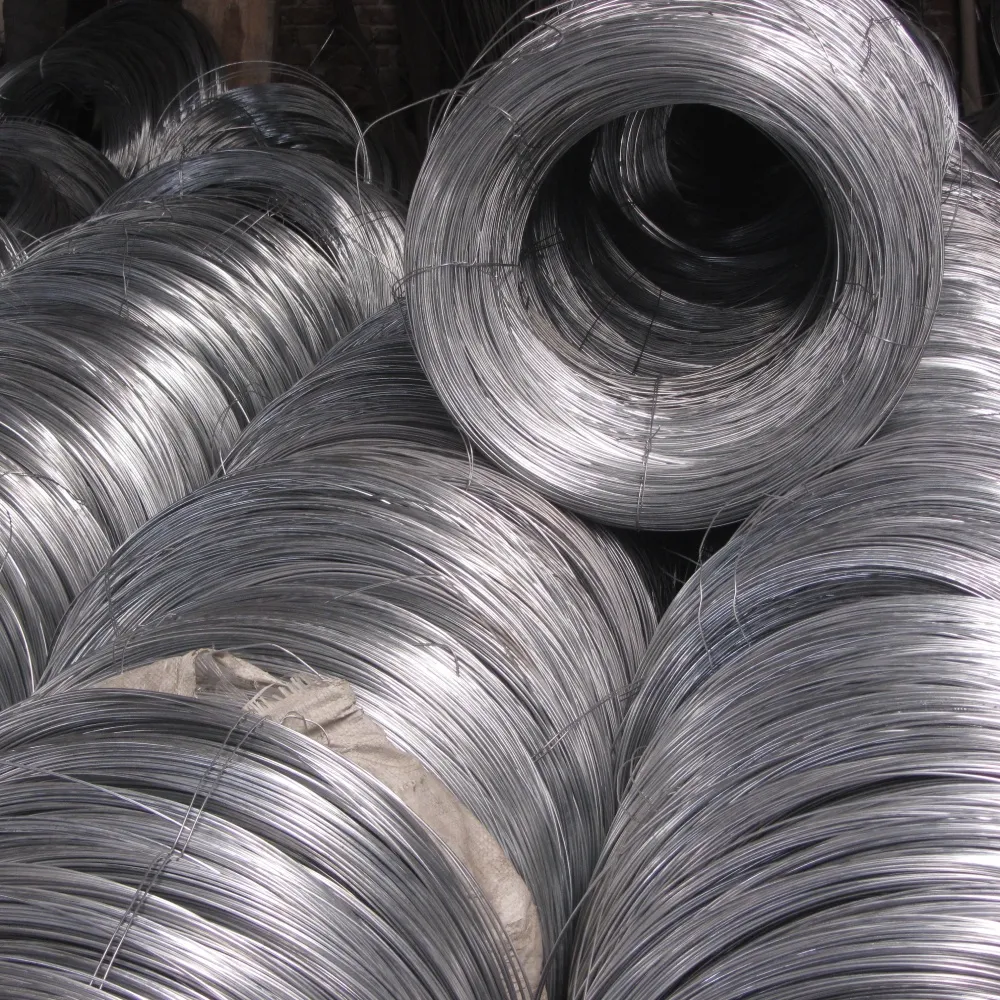
Steel’s inherent strength, combined with surface treatments like galvanization, gives fence panels a lifespan often exceeding 20 years in harsh conditions. This is critical where replacing fencing frequently is impractical or costly.
Compared to alternatives like brick walls or timber fencing, steel panels provide the best combination of upfront price and low maintenance. The ease of installation—often done within hours—further reduces labor expenses.
Manufacturers can tailor widths, heights, and gate apertures. This allows easy adaptation for different environments, from sprawling industrial facilities to tight urban corners.
Choices such as anti-climb designs, pointed tops, or mesh styles increase protection levels without significant cost spikes. CCTV and sensor mounts can also integrate smoothly.
Steel is highly recyclable, supporting circular economies. Many panels are made from recycled steel, decreasing environmental impact—something increasingly important to both suppliers and buyers alike.
Surface coatings require minimal upkeep. Occasional inspections and touch-ups suffice, and panels withstand weather and vandalism better than many competing materials.
Mini takeaway: Steel fence panels are practical, versatile, and globally relevant thanks to their blend of strength, affordability, and adaptability.
These panels are everywhere—from the high-security perimeters of data centers in Europe to remote mining camps in Australia. In fact, in post-disaster scenarios such as after hurricanes or earthquakes, agencies deploy steel fence panels quickly to secure aid distribution points and sanitize zones.
Urban developers in Asia use them to safely separate construction sites. Agricultural operations across the Americas rely on steel fencing to protect livestock without bulky barriers that could harm animals. Even schools and hospitals increasingly choose these panels for their unobtrusiveness and durability.
Notably, several large NGOs incorporate steel fencing post-disaster, combining it with steel fence panel solutions for safe, easy setup that empowers communities while respecting their dignity.
Emotionally, having a sturdy fence brings peace of mind—protecting people’s livelihoods and infrastructure alike. There's something quietly reassuring in that metallic boundary, like a watchful guardian standing silently.
Looking ahead, smart fence panels embedded with IoT sensors will become commonplace, enabling remote monitoring, intrusion detection, and predictive maintenance. Lightweight composite coatings infused with nanomaterials promise improved corrosion resistance without heavier steel gauges.
Green manufacturing processes, including lower-carbon steel production and local fabrication initiatives, will reduce overall environmental footprints. Plus, integration with renewable energy fencing—solar-powered gates or lights—is gaining traction.
Corrosion remains a perennial concern, especially in coastal or industrial zones with aggressive atmospheres. A common solution is multi-layer coating strategies and applying regular maintenance schedules.
Another challenge is balancing security with aesthetics. To address this, some vendors are developing modular panels with decorative yet durable overlays. These innovations help urban planners meet community standards without sacrificing function.
Finally, rapid deployment in emergency zones demands lightweight yet strong panels. Advances in alloy steel blends and faster locking mechanisms have begun to answer that call.
| Specification | Typical Value | Notes |
|---|---|---|
| Material | Hot-dip galvanized steel (ASTM A123) | Commonly used for corrosion resistance |
| Panel Height | 1.2m to 2.4m (4ft to 8ft) | Standard sizes for most applications |
| Panel Width | 2.4m to 3m (8ft to 10ft) | Wide enough for quick installation |
| Wire Diameter | 4mm to 10mm | Thicker wires for high security |
| Surface Finish | Powder coated or paint | Optional for aesthetic/custom use |
| Installation Method | Post and bracket or clamp | Varies by terrain and security need |
| Feature | Vendor A | Vendor B | Vendor C |
|---|---|---|---|
| Customization Options | High (sizes, colors) | Medium | Low |
| Lead Time | 2-3 weeks | 4-5 weeks | 1-2 weeks |
| Price Level | $$$ | $$ | $ |
| Corrosion Resistance | Excellent (multi-layer coating) | Good (galvanized) | Fair (galvanized only) |
| Warranty | 10 years | 5 years | 3 years |
A1: With proper coating like hot-dip galvanization and occasional maintenance, steel fence panels can last 20 years or more outdoors. Environmental conditions affect longevity, so coastal areas may require more frequent upkeep.
A2: Absolutely. Panels come in various thicknesses, heights, and designs, including anti-climb features, mesh density, and pointed tops. Vendors often tailor products to your security requirements.
A3: Yes. Modular designs and adjustable brackets make installation feasible even on uneven ground, although specialized mounting accessories might be necessary.
A4: Steel is one of the most recycled materials globally. Using recycled steel and durable coating reduces waste over time, supporting sustainability goals.
A5: Consider factors like customization options, lead times, warranty, and corrosion resistance. Balancing cost with quality and service is key to lasting satisfaction.
Steel fence panels provide an indispensable solution balancing cost, strength, and sustainability, forming the backbone of security and boundary needs worldwide. As industries and communities evolve, these panels adapt too—getting smarter, greener, and more user-friendly.
Want to explore your next project? Visit https://www.tikemetal.com for high-quality steel fence panel options tailored to your needs.
References:
RELATED PRODUCTS





Top