When it comes to industrial and commercial flooring, steel safety grating offers a robust and versatile solution. Providing excellent slip resistance, ventilation, and load-bearing capacity, it's a critical component in numerous applications. This article will delve into the benefits, types, applications, and considerations for selecting the right steel safety grating for your needs. Understanding the intricacies of steel grating will ensure a safe and efficient working environment. Tikemetal specializes in providing high-quality steel grating solutions for diverse industries.
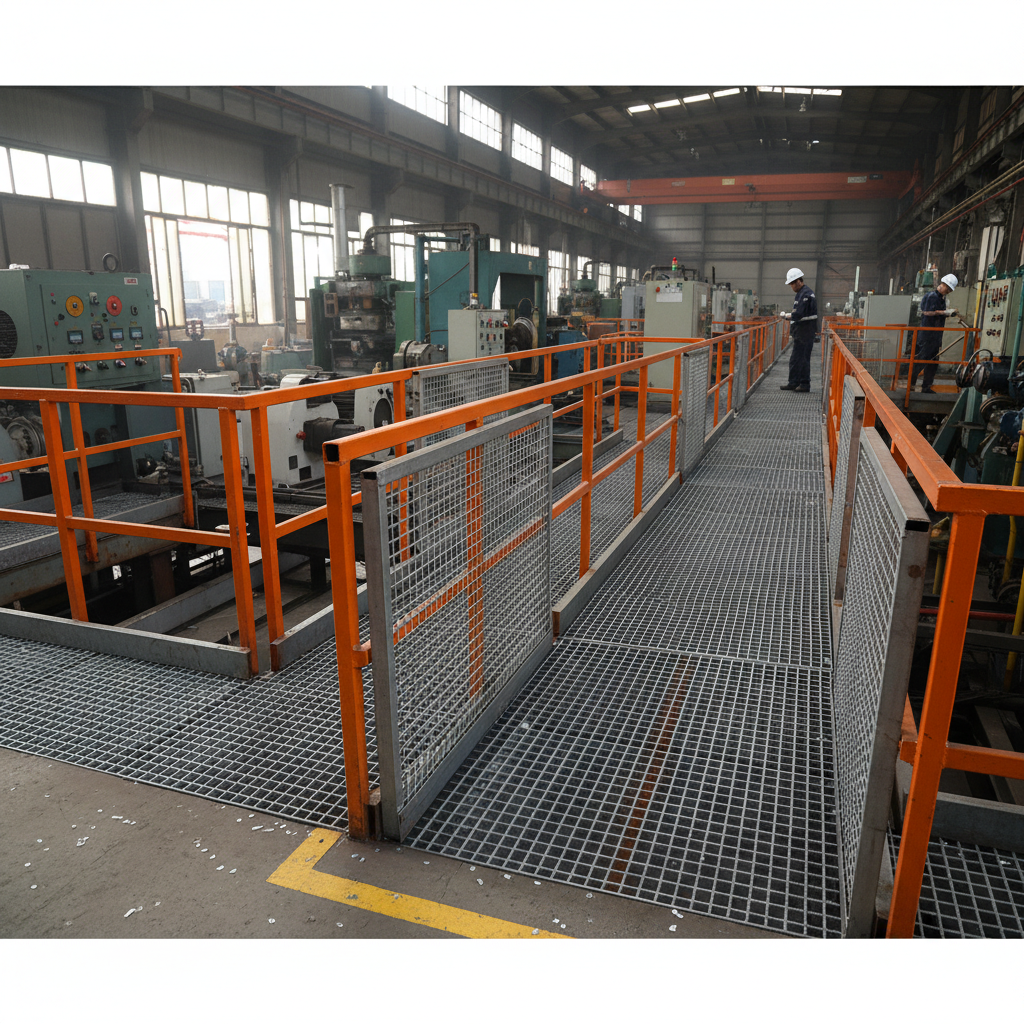
Steel safety grating provides a multitude of advantages over traditional flooring options. Its open grid design allows for the passage of light, air, and fluids, contributing to a safer and more comfortable work environment. This is particularly crucial in areas with potential for spills or fumes. Furthermore, steel grating offers exceptional strength and durability, capable of withstanding heavy loads and harsh conditions. The slip-resistant surface minimizes the risk of accidents, making it ideal for industrial settings. Tikemetal's steel grating products are engineered to meet and exceed industry standards for safety and performance.
Key Highlights: Excellent slip resistance, exceptional strength, durability, and allows for the passage of light, air, and fluids.
There are several types of steel safety grating available, each designed for specific applications. Welded steel grating is the most common type, offering a strong and cost-effective solution. Riveted steel grating provides increased stability and is suitable for heavy-duty applications. Swaged steel grating features cross bars pressed into the bearing bars, offering a sleek and streamlined appearance. Pressed steel grating is another option with a similar aesthetic. Choosing the right type depends on factors such as load requirements, aesthetic preferences, and budget constraints. Tikemetal offers a complete range of steel grating types to meet diverse project needs.
Steel Grating Types:
• Welded Steel Grating
• Riveted Steel Grating
• Swaged Steel Grating
• Pressed Steel Grating
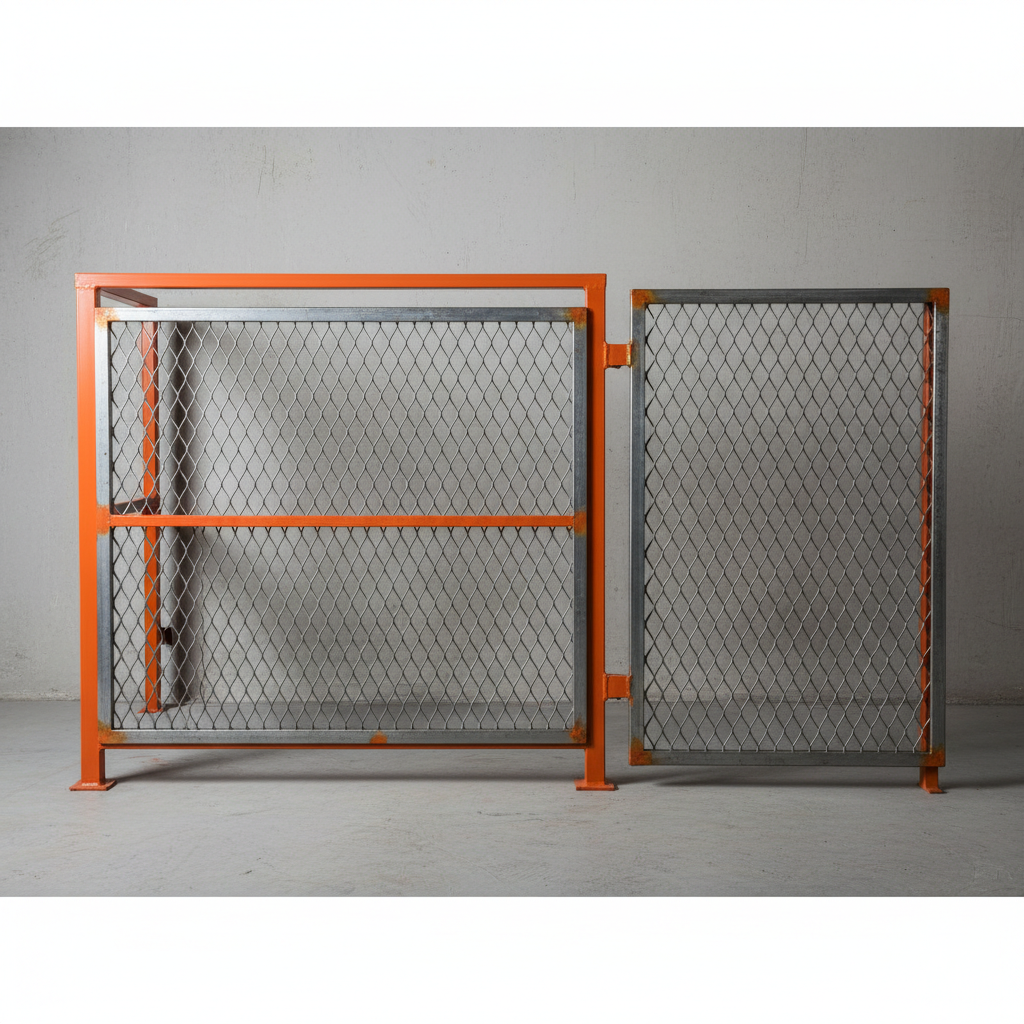
The applications for steel safety grating are widespread across various industries. Common uses include: walkways, platforms, stair treads, mezzanines, drainage systems, ventilation covers, and security fences. Industries utilizing steel grating include: manufacturing, oil and gas, chemical processing, wastewater treatment, power generation, and construction. Its durability and resistance to corrosion make it suitable for both indoor and outdoor environments. Tikemetal provides customized grating solutions for a broad spectrum of industrial and commercial projects.
Selecting the appropriate steel safety grating requires careful consideration of several factors. These include: load capacity, span length, material grade (typically carbon steel, stainless steel, or aluminum), corrosion resistance, and code compliance. It's crucial to understand the anticipated loads and environmental conditions to ensure the grating can withstand the demands of its application. Proper surface treatment, such as galvanizing or powder coating, can enhance corrosion resistance and extend the lifespan of the grating. Tikemetal's expert team can assist you in selecting the optimal grating solution for your specific requirements.
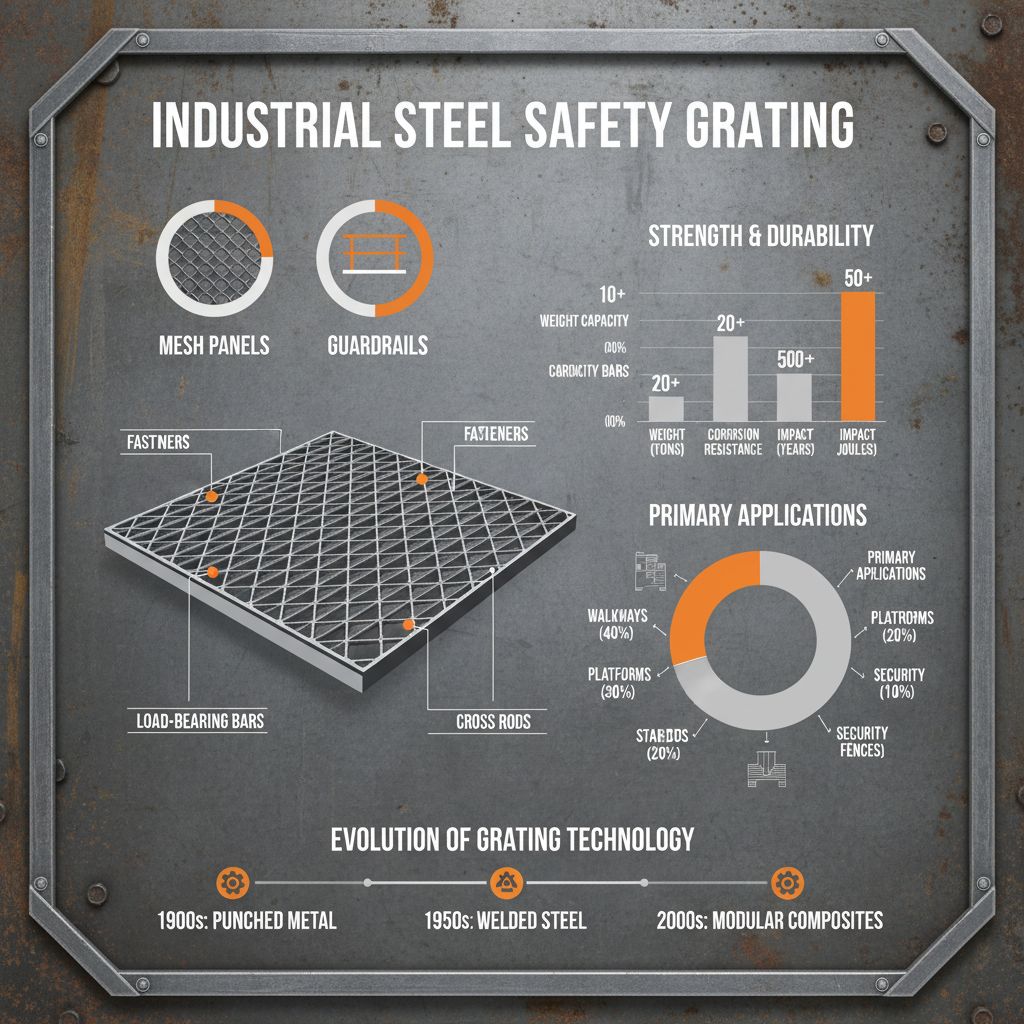
Regular inspection and maintenance are essential for ensuring the longevity and safety of steel safety grating. Inspections should include checking for signs of corrosion, damage, or loose fasteners. Cleaning the grating periodically to remove dirt, debris, and corrosive substances is also important. Any damaged or corroded grating should be repaired or replaced promptly. Proper maintenance extends the lifespan of the grating and minimizes the risk of accidents. Tikemetal offers guidance on proper maintenance practices for our steel grating products.
Choosing the right steel safety grating is a critical decision for ensuring workplace safety and efficiency. By understanding the different types, applications, and maintenance requirements, you can select a solution that meets your specific needs. Tikemetal is your trusted partner for high-quality steel grating solutions and expert guidance.
The lifespan of steel safety grating varies depending on factors like the grade of steel, environmental conditions, and maintenance practices. With proper care, galvanized steel grating can last 25-30 years or more. Stainless steel grating offers even greater longevity, potentially exceeding 50 years. Regular inspections and cleaning are crucial to identifying and addressing corrosion or damage that could shorten the lifespan. Protecting the grating from harsh chemicals and abrasive materials also extends its life.
Common surface treatments for steel safety grating include hot-dip galvanizing, powder coating, and painting. Hot-dip galvanizing provides excellent corrosion resistance and is a cost-effective option. Powder coating offers a durable, attractive finish and is available in a wide range of colors. Painting is a less expensive option but may require more frequent reapplication. The choice of surface treatment depends on the environment and the desired level of protection.
Calculating the load capacity of steel safety grating involves considering factors such as the bearing bar size, spacing, and material grade. Online load capacity calculators and engineering guidelines are available to assist with this process. It’s always best to consult with a qualified engineer to ensure the grating is suitable for the intended application and load requirements. Tikemetal can provide load capacity calculations and engineering assistance.
Yes, steel safety grating is well-suited for outdoor use, particularly when it’s properly treated for corrosion resistance. Galvanizing and powder coating are commonly used to protect the steel from the elements. Stainless steel grating offers even greater resistance to corrosion and is ideal for harsh environments. Regular maintenance, such as cleaning and inspection, is essential to ensure long-term performance in outdoor applications.
RELATED PRODUCTS





Top