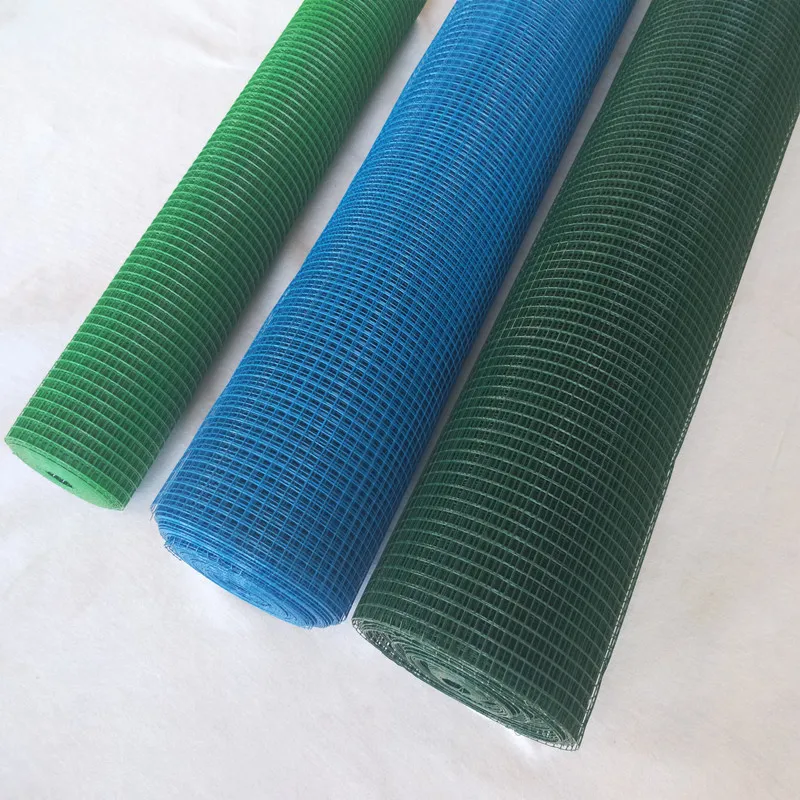
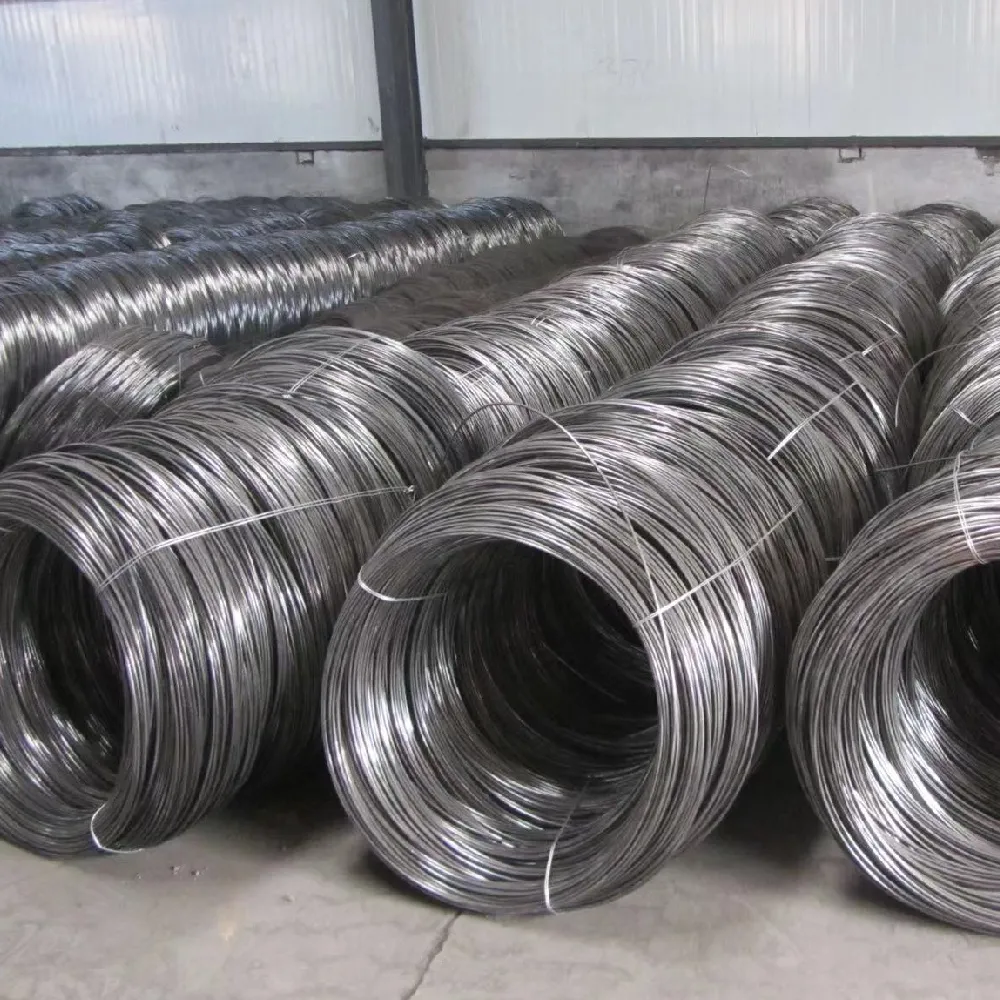
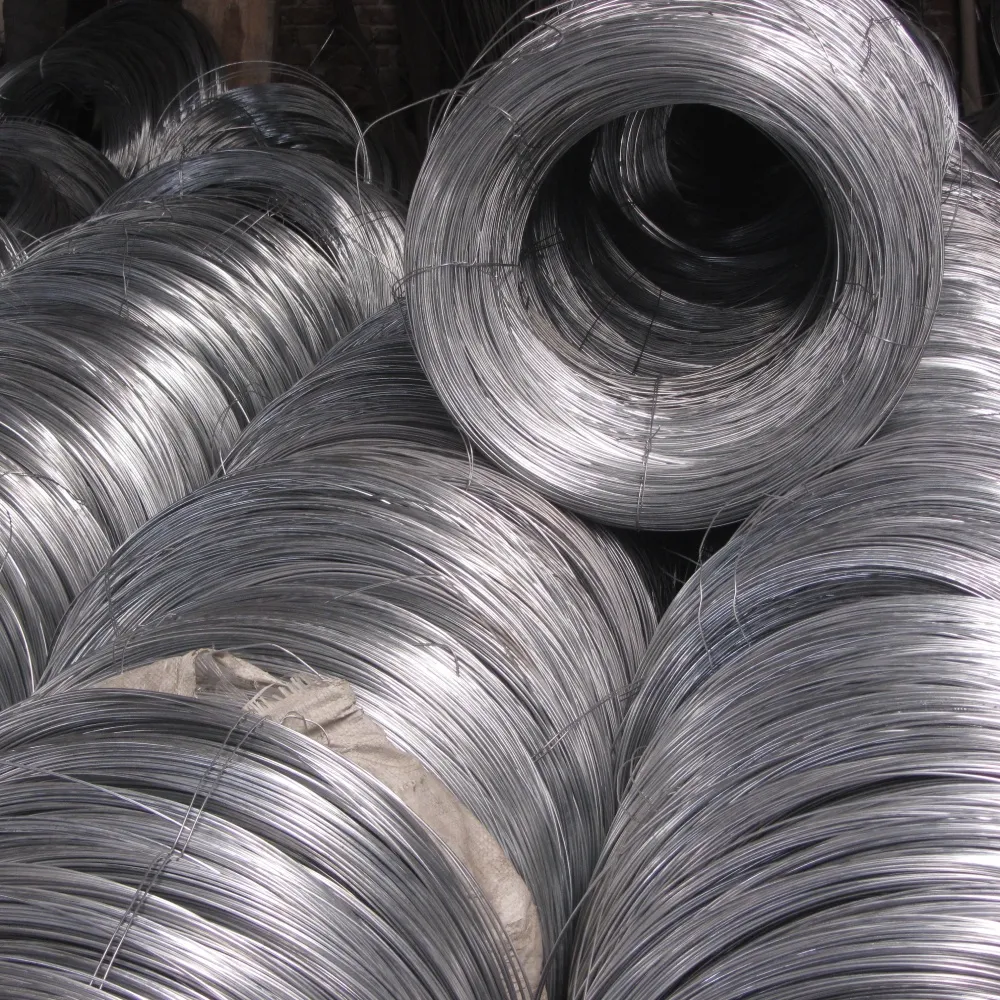
Stainless steel netting might sound specialized, even niche, but its global importance is surprisingly broad. From architecture to industrial safety, this robust material helps solve challenges related to durability, corrosion, and flexibility. Grasping what stainless steel netting offers isn’t just about knowing a product; it’s about appreciating a far-reaching solution that bridges safety, longevity, and sustainability in diverse sectors worldwide.
It's often overlooked how pivotal materials like stainless steel netting are in many critical applications. According to ISO, stainless steel materials form the backbone of infrastructure projects that demand resilience against harsh environments. Globally, construction and industrial sectors face relentless challenges due to corrosion and wear—a problem stainless steel netting directly addresses.
Oddly enough, the rise in urbanization and renewed focus on sustainable building practices only heighten this need. The World Bank estimates that infrastructure investment in developing regions is projected to grow 30% in the next decade, which means the demand for materials that can "stand the test of time"—including stainless steel netting—is on the up.
In practical terms, stainless steel netting resolves issues like structural reinforcement, pest control, and safety barriers, which all contribute to safer living and working environments.
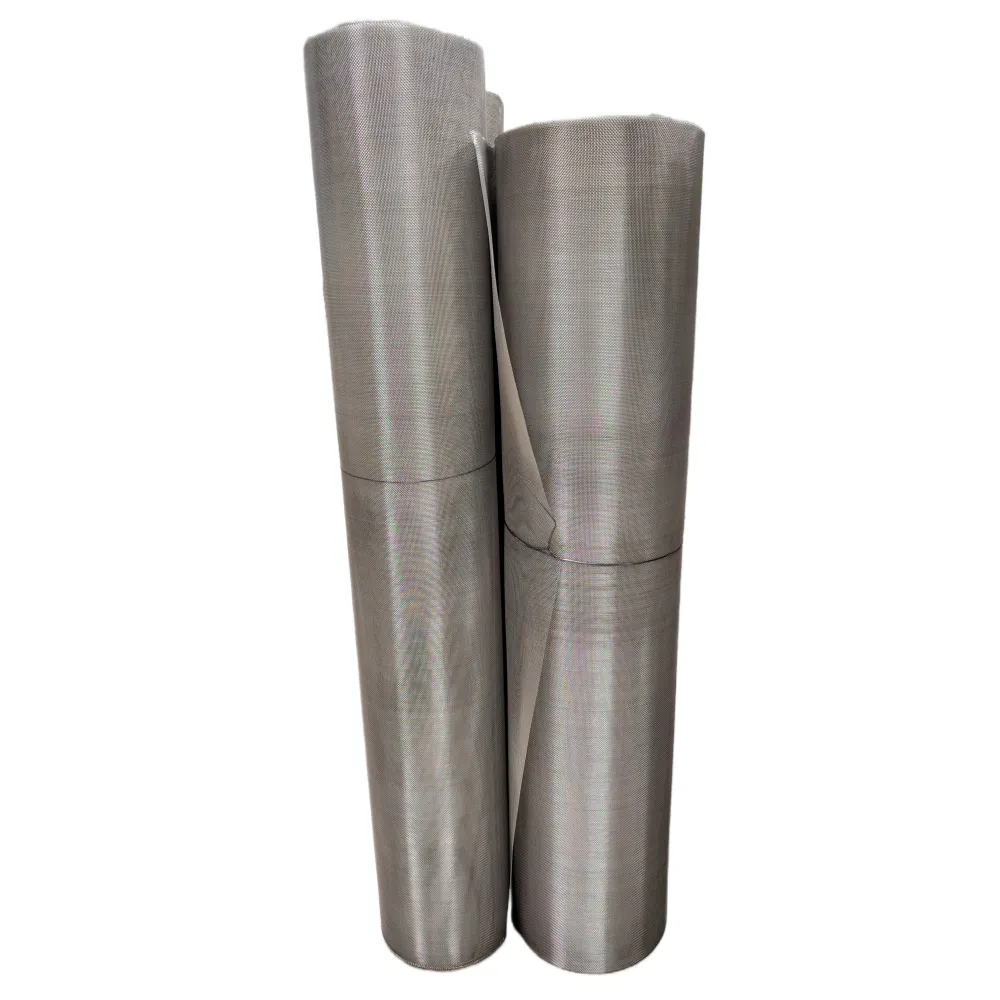
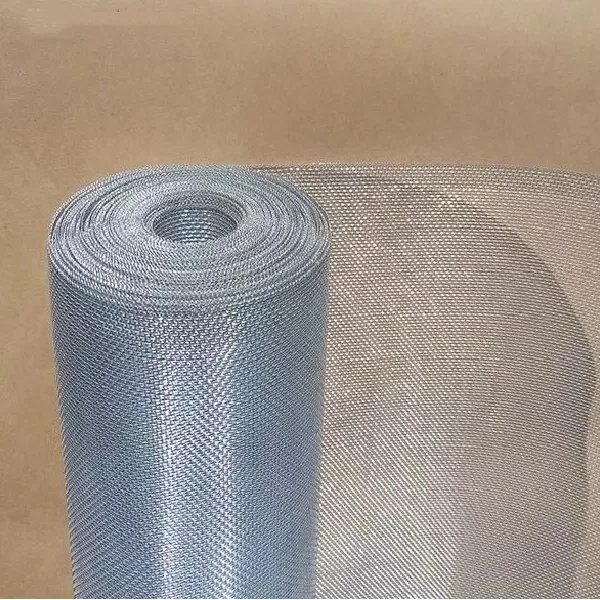
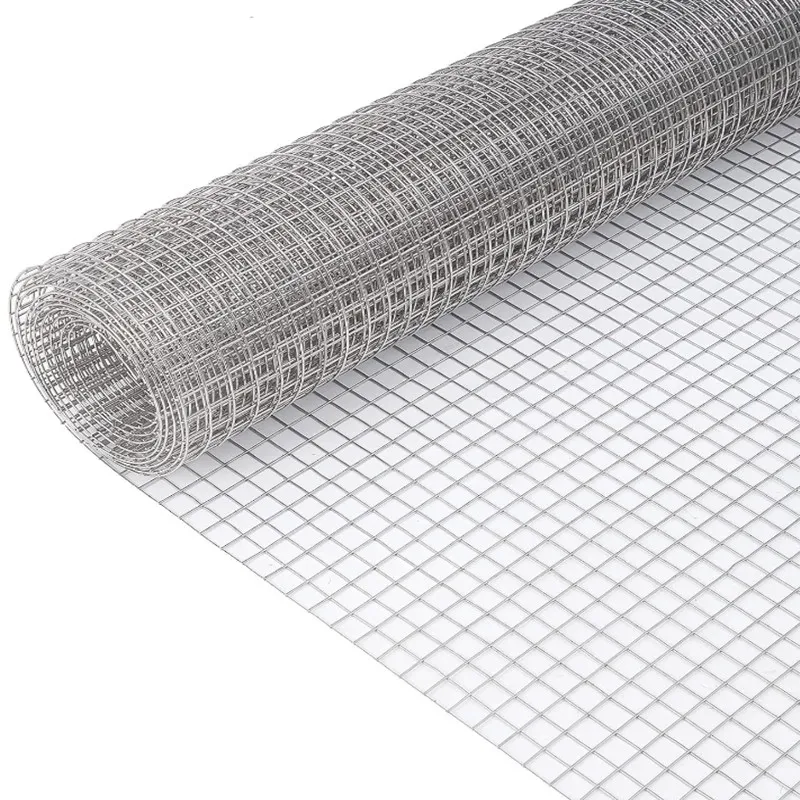
At its core, stainless steel netting is a woven or knitted mesh made entirely from corrosion-resistant stainless steel wires. Compared to traditional wire mesh, the stainless steel variant offers superior strength and endurance under extreme conditions—think coastal environments, chemical plants, or even wildlife protection enclosures.
This versatility means stainless steel netting isn’t simply “mesh”; it’s a solution tailored to prevent rusting while maintaining flexibility and breathability. The humanitarian and industrial worlds alike rely on it for projects requiring durability plus ease of installation.
This is the headline feature. Stainless steel netting is famed for resisting rust, chemical exposure, and temperature fluctuations. That's why industries such as maritime, mining, and even agriculture trust it for long-term usage without constant replacement hassles.
Whether you need a tiny mesh for fine filtration or vast netting spans for construction scaffolding, manufacturers offer a range of mesh sizes and weaving patterns. This scalability keeps stainless steel netting in tune with both small-scale artisan jobs and massive infrastructure projects.
Though the initial outlay may seem higher than plastic or galvanized steel alternatives, the reduced maintenance and extended lifespan often translate into lower total ownership costs.
Materials that hold up without toxic breakdown products or frequent replacement also promote safer work environments and minimize environmental impact — important considerations for industrial compliance and social responsibility.
Stainless steel netting’s flexibility in shape and size means it can often be customized onsite, reducing lead times and logistics complexity.
| Specification | Typical Range | Notes |
|---|---|---|
| Material Grade | 304, 316, 316L | 316 preferred for higher corrosion resistance |
| Mesh Opening Size | 0.5 mm to 50 mm | Varies by application |
| Wire Diameter | 0.1 mm to 2 mm | Thicker wire increases strength |
| Finish | Mill finish, brushed, or polished | Surface treatment enhances aesthetics |
| Weight per m² | 1 kg to 15 kg | Dependent on mesh and wire size |
| Vendor | Material Grade | Customization | Typical Lead Time | Global Reach |
|---|---|---|---|---|
| Tike Metal | 304, 316, 316L | High (custom mesh & finishes) | 2-4 weeks | Asia, Europe, Americas |
| Global Wire Mesh Corp. | 316 only | Moderate (limited sizes) | 3-6 weeks | North America, Europe |
| SteelNet Industries | 304, 316 | Low (standard products) | 1-2 weeks | Asia only |
Stainless steel netting finds a home in diverse environments around the globe. In Europe and North America, architects incorporate it as a design element—balustrades, façades, and sunshades mainly—appreciating its blend of form and function. Meanwhile, stainless steel netting is growing in importance in Africa and Asia for wildlife conservation projects, where it prevents poaching without harming the environment.
In post-disaster zones, stable and reusable netting supports temporary shelters and perimeter security. I recall reading about remote offshore oil platforms relying on stainless steel netting barriers that can endure salt spray and storms for years. Oddly enough, hospitals use it for sterilization cages—a reminder that its relevance spans industrial to humanitarian spaces.
In real terms, it feels like stainless steel netting is more than just a product—it’s a long-term partner in building safer, greener futures.
As sustainability takes center stage, manufacturers now experiment with lower-carbon stainless steel grades and eco-friendly production methods. Automation in weaving and knitting technologies is speeding up customization—so you’re no longer waiting months for tailored meshes.
Plus, there's rising interest in integrating stainless steel netting with smart sensors for high-risk industrial setups, reflecting the digital transformation sweeping manufacturing.
One common hurdle is the upfront cost compared to alternatives, though as mentioned, value over time usually wins out. Another challenge is correct specification—getting mesh size, wire diameter, and finish exactly right for each unique application. Vendors like Tike Metal provide expert consultation to help clients navigate this.
Finally, issues with welding or joining stainless steel meshes demand precise techniques to maintain corrosion resistance—a technical detail that seasoned fabricators handle but shouldn’t be underestimated.
Q1: How does stainless steel netting compare to galvanized steel mesh?
A1: Stainless steel netting resists corrosion much better than galvanized mesh, especially in humid or salty environments, resulting in a longer useful life and less maintenance. However, galvanized mesh is sometimes more affordable upfront.
Q2: Can stainless steel netting be customized for architectural projects?
A2: Absolutely. It comes in various mesh sizes, wire gauges, and finishes (like brushed or polished) that lend both aesthetic appeal and functional performance for facades, balustrades, and sunshades.
Q3: Is stainless steel netting suitable for offshore or marine applications?
A3: Yes, particularly grades 316 and 316L are highly resistant to saltwater corrosion, making it a go-to choice for marine barriers, cages, and protective screens.
Q4: How do I determine the right stainless steel grade for my application?
A4: This depends on environmental exposure, mechanical stresses, and budget constraints. Consulting with vendors like Tike Metal, who offer technical guidance, is often the most efficient approach.
Q5: Is stainless steel netting recyclable?
A5: Yes. Stainless steel is 100% recyclable without loss of quality, supporting circular economy principles in construction and manufacturing.
In the end, stainless steel netting isn’t just a physical barrier; it’s a symbol of reliability, longevity, and thoughtful design. Its global applications—from industrial uses to humanitarian projects—underscore its versatility and value. For businesses and planners aiming at smart, sustainable outcomes, stainless steel netting offers peace of mind and proven performance.
If you’re curious to explore specific products or need tailored solutions, visit https://www.tikemetal.com. They offer an extensive range with expert support, ensuring the right fit for your needs.
Quick Takeaway: Stainless steel netting combines durability, sustainability, and adaptability—qualities that increasingly define smart infrastructure worldwide.
References:
1. International Organization for Standardization (ISO)
2. World Bank Infrastructure Data
3. Wikipedia: Stainless Steel
RELATED PRODUCTS





Top