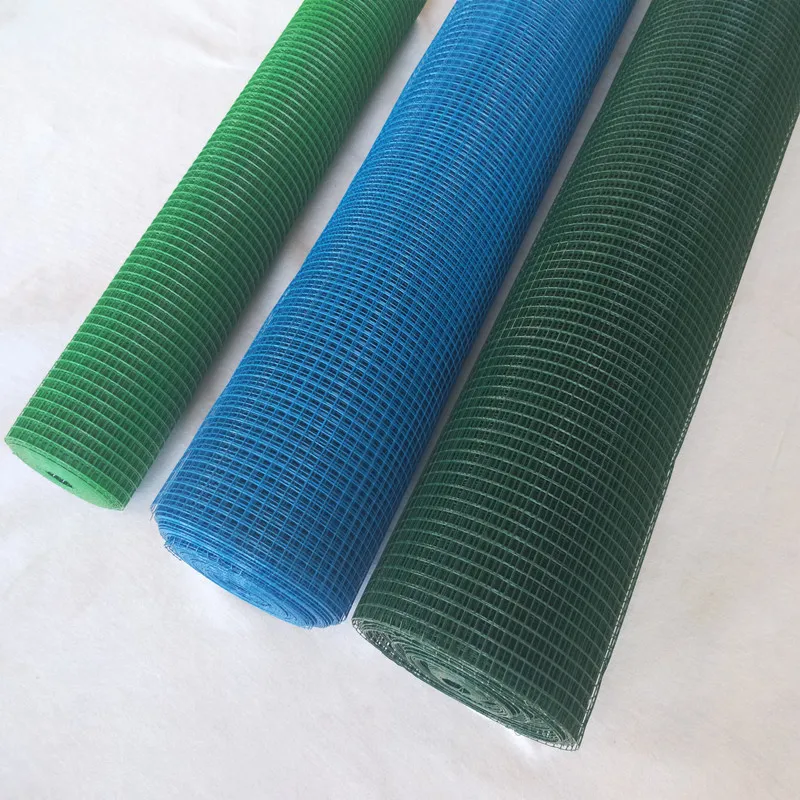
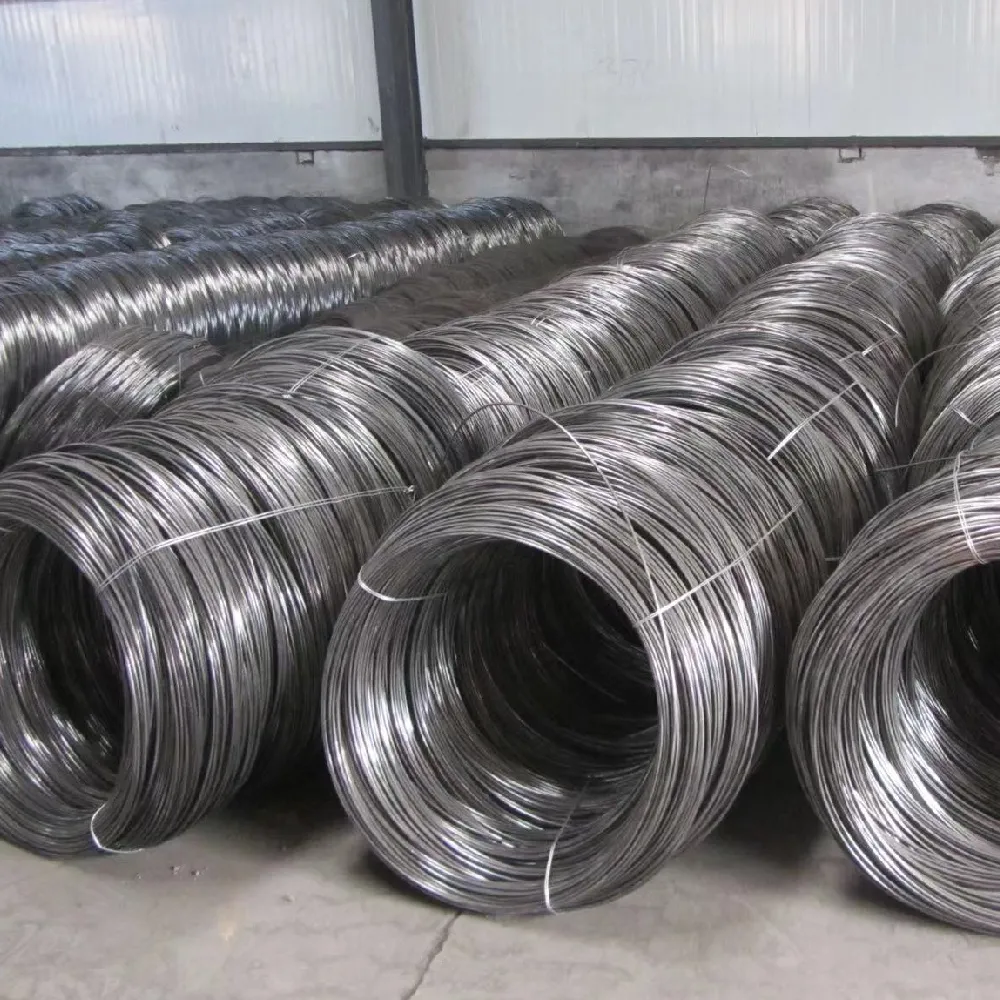
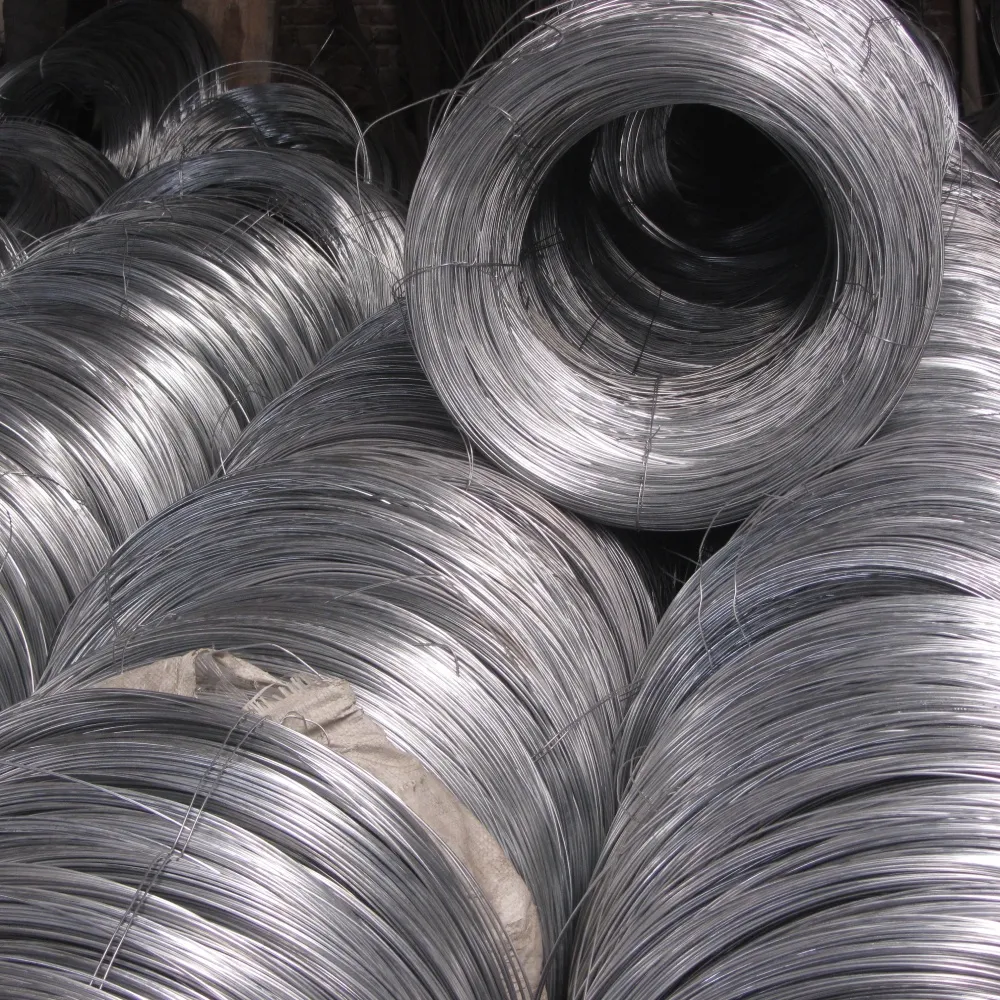
Brass Mesh Screen is a key solution in the industry, specifically within sectors like filtration, ventilation, and industrial separation. This article explores how https://www.tikemetal.com supports professionals with durable, high-performance products, and explains why this product is an ideal choice for businesses in these sectors.
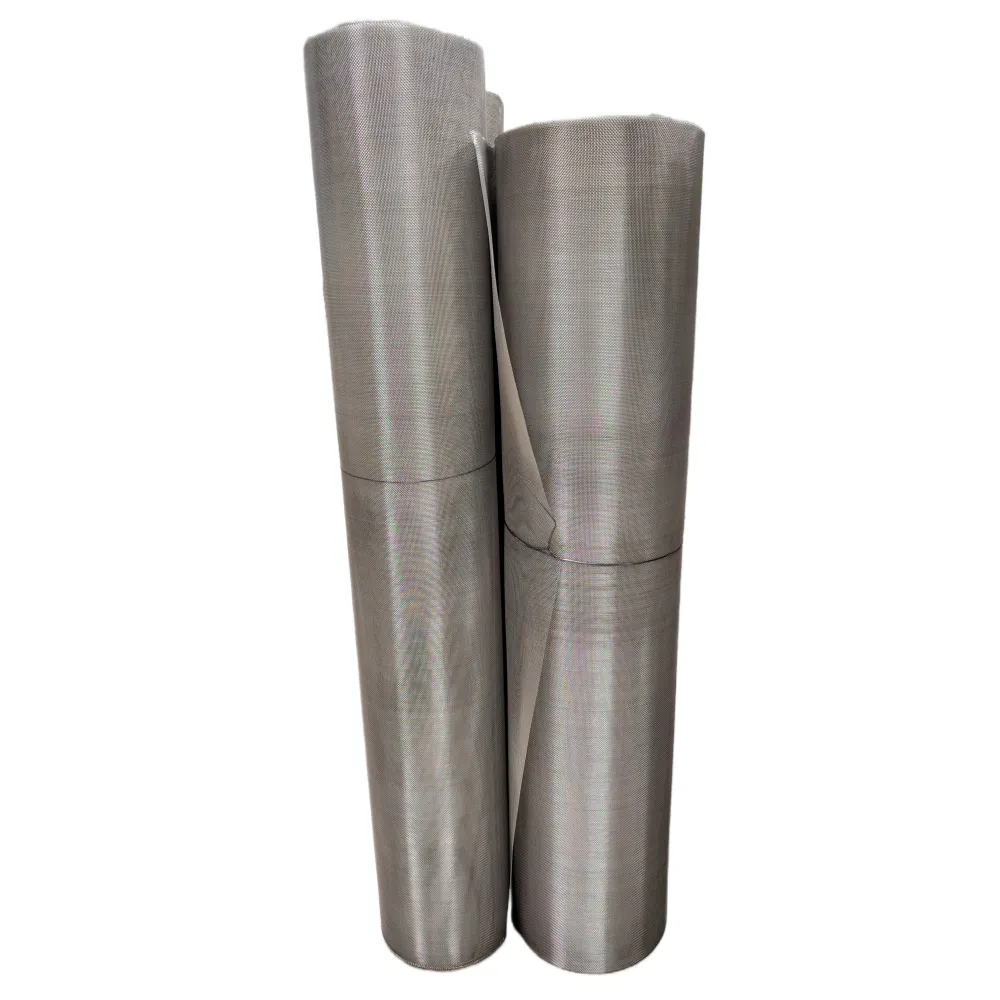
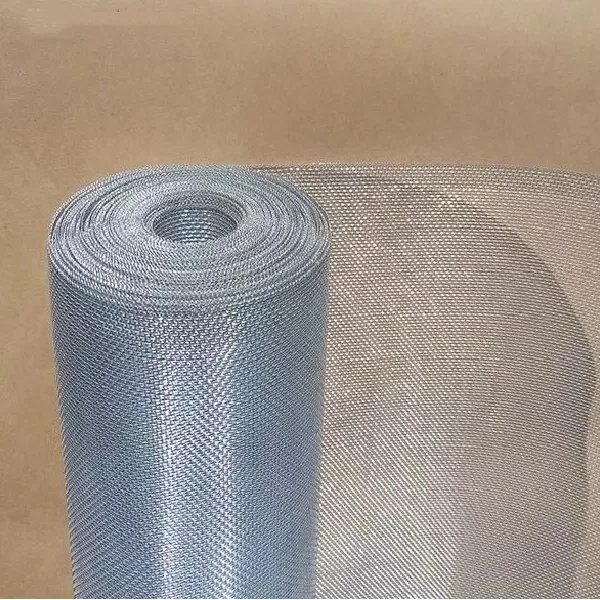
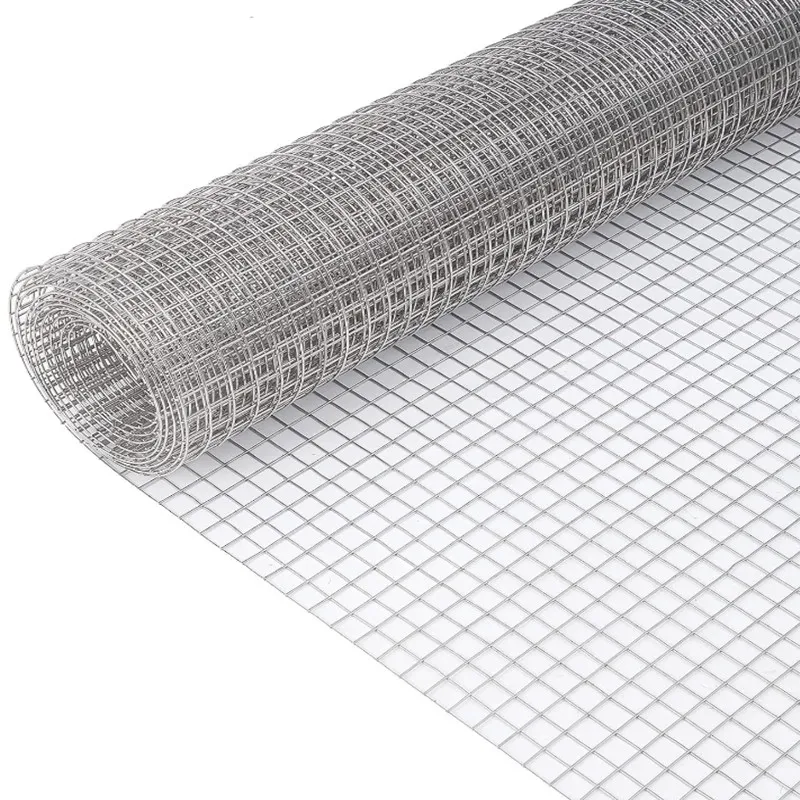
Brass mesh screen might sound straightforward but it’s a surprisingly versatile industrial material. In simple terms, it’s a mesh made from brass wires woven or welded to form a grid that offers strength, corrosion resistance, and a certain malleability that many metals just don’t match. It’s widely used in filtration systems, shielding, and decorative but functional panels. In fact, many engineers find brass meshes ideal for chemical plants and HVAC systems where durability and long-term reliability are essential.
Technically, brass mesh screens combine copper and zinc to create an alloy that balances conductivity and toughness—often forged with wire diameters ranging from 0.1mm up to several millimeters, and aperture sizes customized according to filtration or protective needs. We’ve seen cases where Tike Metal’s brass mesh screen served in industrial oil filtration, operating flawlessly for months without clogging or corrosion. It’s really no surprise their product demonstrates consistent quality under heavy use.
| Specification | Details |
|---|---|
| Material | High-grade brass alloy (Cu-Zn composition) |
| Wire Diameter | 0.1 mm – 2.0 mm |
| Mesh Count (opening size) | 10 – 400 mesh |
| Tensile Strength | Approximately 350 MPa |
| Corrosion Resistance | Excellent, especially against chemical & salt environments |
There’s a reason the brass mesh screen finds its way into so many industrial applications. First off, it offers fantastic corrosion resistance—oddly enough, brass can tolerate many harsh chemicals better than stainless steel—which makes it excellent in filtration systems for water treatment plants or chemical processing. Plus, it’s relatively easy to shape and cut, which is a big deal when you need precise fits for custom machinery.
In ventilation, brass mesh screens protect against insects and debris while allowing airflow, all without rusting or degradation. A few manufacturers report that using brass mesh screens in HVAC systems reduced maintenance times dramatically because the mesh remained intact thanks to its strength and finish. Oddly enough, these qualities also make brass mesh an appealing choice in architectural uses—like sunshades or decorative panels—where you want function without compromise on aesthetics.
| Feature / Vendor | Tike Metal | Competitor A | Competitor B |
|---|---|---|---|
| Mesh Range | 10–400 mesh | 20–300 mesh | 15–350 mesh |
| Customization | High (wire diameter & mesh size) | Medium | Low |
| Delivery Time | 1–3 weeks | 3–5 weeks | 2–4 weeks |
| Pricing | Competitive | Higher | Mid-range |
Cost-wise, brass mesh screen isn’t the cheapest metal mesh out there. However, if you factor in durability and minimal maintenance needs, the total cost of ownership gets more reasonable. Many customers note an improved return on investment because replacements and downtime reduce considerably. Once installed, brass mesh screens tend to keep their shape and surface quality for years, even in aggressive environments, which frankly is a huge plus.
User feedback from sectors like water filtration and electrical shielding often praises how easy it is to clean brass mesh compared with alternatives. It doesn’t rust or flake, so maintenance crews can simply rinse and reuse without worrying about corrosion particles contaminating systems. One client reported cutting scheduled maintenance downtime almost in half after switching to brass mesh screens from inferior meshes. You’d think such real-world benefits would be headline material, but it’s oddly quiet out there.
Sustainability has become an unavoidable topic in metal manufacturing, and brass mesh screens are no exception. The industry is shifting toward eco-friendlier production processes, and Tike Metal has been investing in reducing waste and improving recycling of copper and brass scrap. The longevity of brass mesh itself lends well to sustainability goals—long-lasting products mean fewer replacements, less resource consumption, and lower landfill contributions.
Market trends also suggest rising demand in specialty filtration and architectural cladding sectors, driven by more stringent environmental regulations across Europe and North America. This regulatory push encourages industries to adopt materials that reduce contamination risks and improve system efficiency. Furthermore, brass’s inherent antimicrobial properties open new opportunities in medical and food processing fields that are just beginning to tap into mesh tech innovations.
To sum up, the Brass Mesh Screen offers a compelling blend of durability, resistance, and adaptability that makes it a solid investment for many industrial applications. Its strength coupled with design flexibility supports processes that require consistent filtration and protection over long periods. For B2B decision makers scouting dependable, proven materials, Tike Metal’s offerings deserve a closer look. Visit our website: https://www.tikemetal.com to explore detailed product options and get in touch for custom solutions.
In all, brass mesh screens feel like the quietly dependable workhorses that many businesses overlook until they really need it — it’s kind of like that reliable colleague who never misses a beat.
RELATED PRODUCTS





Top