Stainless steel walkway grating is a robust and versatile flooring solution widely used across various industries. Offering exceptional strength, corrosion resistance, and slip resistance, it’s an ideal choice for platforms, walkways, stairs, and drainage systems. This article will delve into the benefits, applications, types, and considerations for selecting the right stainless steel walkway grating for your project. Understanding these factors will ensure a safe, durable, and cost-effective solution.
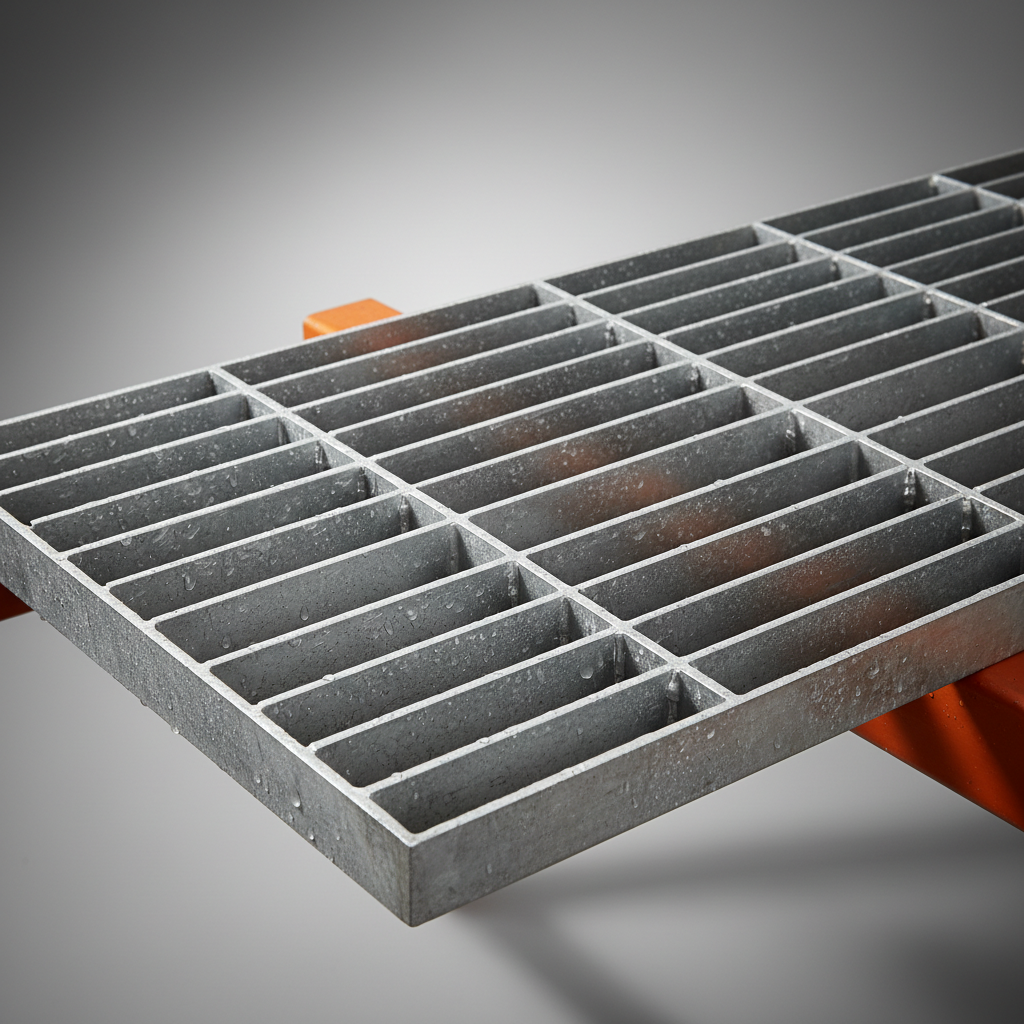
Stainless steel grating offers numerous advantages over traditional materials like carbon steel or aluminum. Firstly, its inherent corrosion resistance eliminates the need for frequent painting or coating, resulting in long-term cost savings. Secondly, it boasts an excellent strength-to-weight ratio, making it lightweight yet incredibly durable. This characteristic simplifies installation and reduces structural support requirements. Furthermore, the open grid design allows for efficient drainage of liquids and debris, enhancing safety and minimizing slip hazards. The aesthetic appeal of stainless steel also contributes to a clean and modern look.
Key Highlights: Exceptional corrosion resistance, high strength-to-weight ratio, excellent drainage, and a sleek, modern appearance.
Stainless steel walkway grating is available in several different types, each suited for specific applications. The most common types include welded stainless steel grating, swaged stainless steel grating, and riveted stainless steel grating. Welded grating provides a robust and cost-effective solution for general purpose applications. Swaged grating, created by pressure-locking crossbars into bearing bars, offers a clean and streamlined appearance with no weld points. Riveted grating uses rivets to secure the crossbars, providing a high strength and durable option. Understanding the differences is crucial for selecting the most appropriate grating for your specific project requirements.
Grating Type Benefits:
• Welded: Cost-effective, strong, suitable for general use.
• Swaged: Clean appearance, no weld points, durable.
• Riveted: High strength, long-lasting, robust.
Comparing stainless steel walkway grating to other materials reveals its distinct advantages. While carbon steel is initially cheaper, it requires regular maintenance to prevent corrosion. Aluminum is lightweight but lacks the strength and durability of stainless steel. Fiberglass is corrosion-resistant but can be brittle and prone to damage. Stainless steel grating offers the optimal balance of strength, corrosion resistance, durability, and long-term cost-effectiveness. Choosing the right material is critical for ensuring a safe and reliable flooring solution.
The versatility of stainless steel grating leads to its widespread use across numerous industries. Common applications include: chemical plants, food processing facilities, wastewater treatment plants, offshore platforms, pharmaceutical manufacturing, and architectural features. It is ideal for walkways, stair treads, platforms, ventilation covers, and drainage systems. The robust nature and corrosion resistance of stainless steel ensure longevity and safety in even the harshest environments.
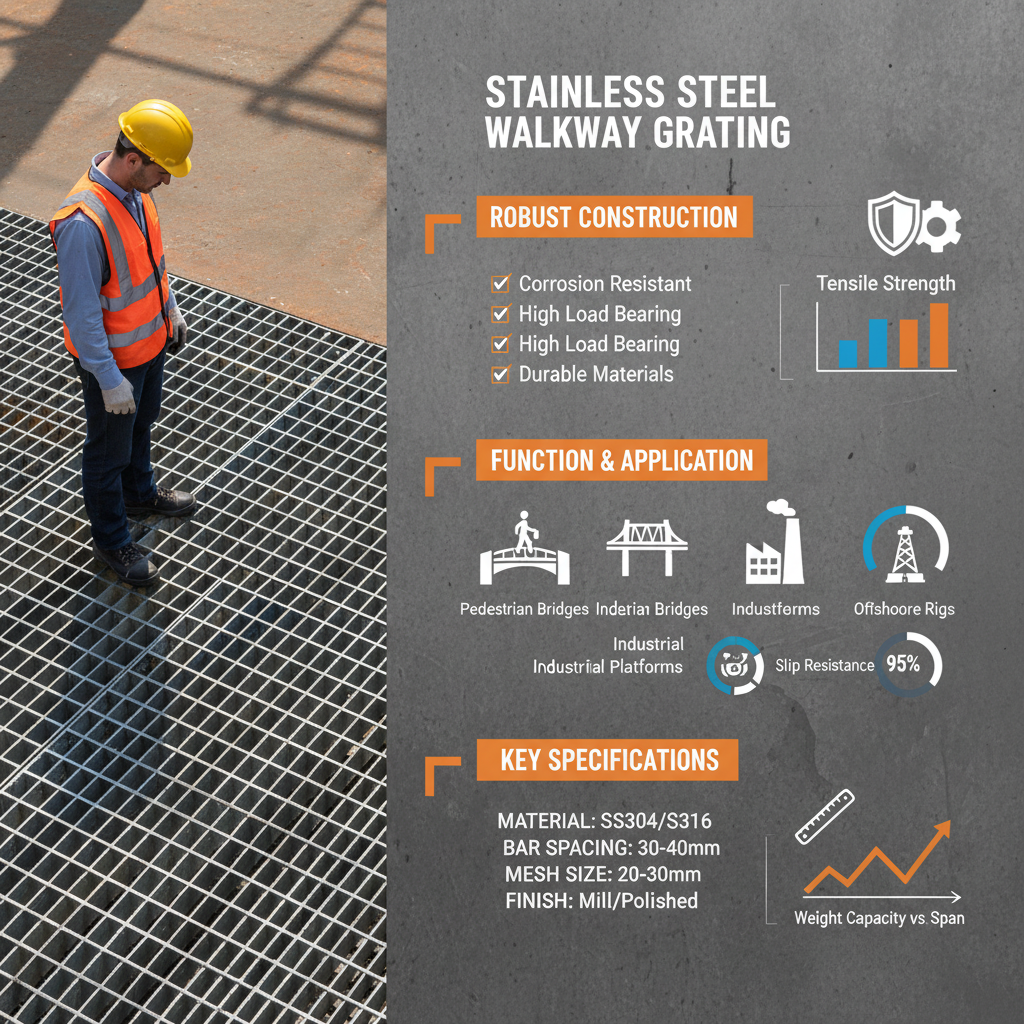
Choosing the right stainless steel walkway grating requires careful consideration of several factors. These include the intended application, load requirements, environmental conditions, and budget. Selecting the appropriate grade of stainless steel (e.g., 304, 316) is crucial for ensuring adequate corrosion resistance. Consider the grating’s mesh size and bearing bar spacing to optimize drainage and slip resistance. Working with a reputable supplier like Tikemetal can provide expert guidance and ensure you receive a high-quality product tailored to your specific needs.
Choosing stainless steel walkway grating is an investment in long-term durability, safety, and cost-effectiveness. Its superior properties make it the ideal choice for a wide range of applications. Prioritize quality, consider your specific needs, and partner with a trusted supplier to ensure a successful outcome.
The most common grades for walkway grating are 304 and 316 stainless steel. 304 offers excellent corrosion resistance in general environments, while 316 provides superior resistance in chloride-rich environments such as coastal areas or chemical processing plants. The choice depends on the specific exposure conditions and desired longevity. Consider consulting with a materials specialist to determine the optimal grade for your application.
The load capacity is determined by factors such as the bearing bar size, spacing, and the grating’s overall design. Manufacturers typically provide load tables based on standardized testing methods. It's crucial to select a grating with a load capacity that exceeds the anticipated maximum load, including static and dynamic loads. Ensuring adequate load support is critical for safety and preventing structural failure.
Proper installation is crucial for ensuring the safety and performance of stainless steel grating. Ensure the supporting structure is adequately designed and capable of handling the anticipated loads. Use appropriate fasteners and installation methods recommended by the manufacturer. Consider adding tactile warning strips or edge protection to prevent slips and falls. Always adhere to relevant safety regulations and guidelines during installation.
Yes, stainless steel grating is exceptionally well-suited for outdoor use due to its excellent corrosion resistance. However, selecting the appropriate grade (typically 316) is vital in harsh environments, such as those exposed to saltwater or de-icing salts. Regular cleaning and maintenance can further enhance its longevity and appearance.
RELATED PRODUCTS






Top