Corten steel grating is a highly durable and aesthetically pleasing material increasingly popular in various applications, from architectural features to industrial walkways. Its unique weathering properties and robust construction make it an excellent choice for projects demanding longevity and low maintenance. This article will delve into the benefits, applications, specifications, and considerations when choosing corten steel grating, providing a thorough overview for architects, engineers, and construction professionals. Understanding its properties and proper implementation is key to maximizing its lifespan and visual appeal.
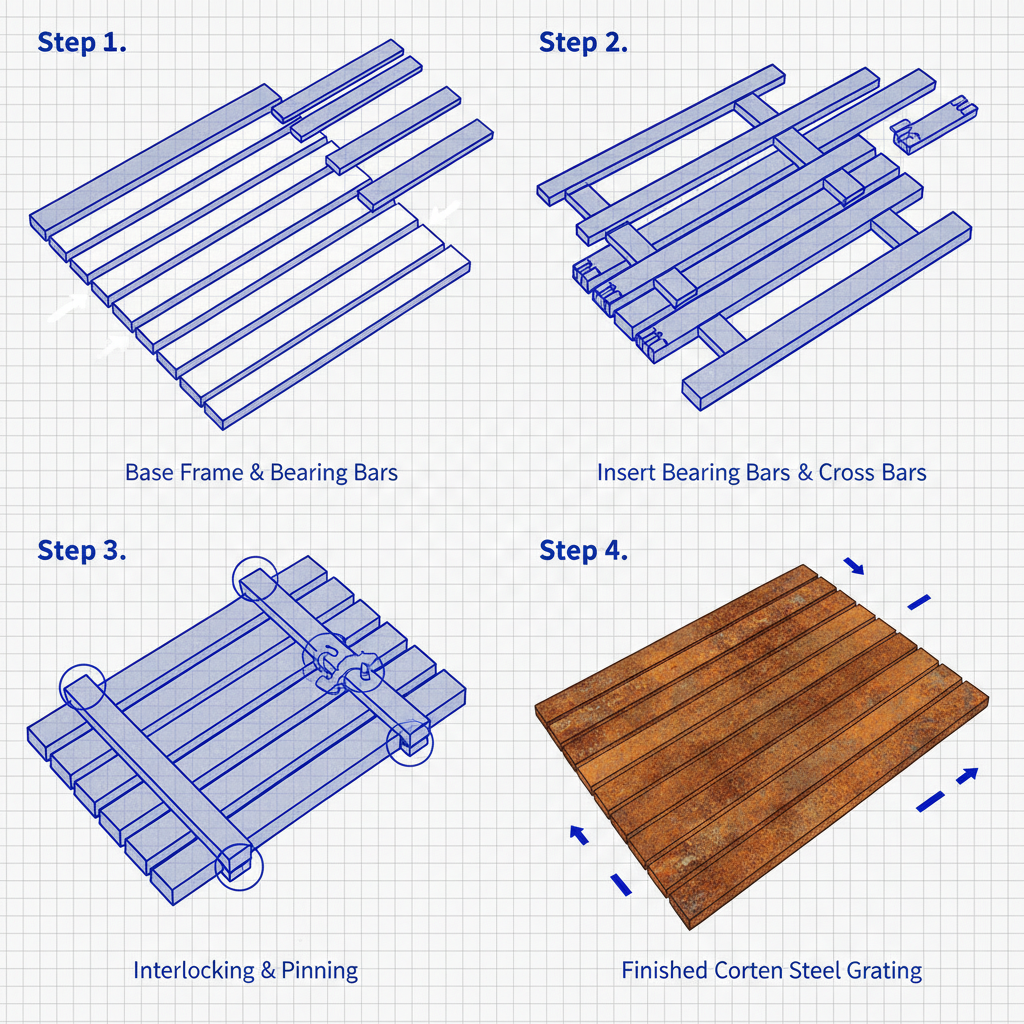
Corten steel, also known as weathering steel, is a high-strength, low-alloy steel designed to eliminate the need for painting. It forms a stable rust layer when exposed to the elements, protecting the steel underneath from further corrosion. This “patina” is what gives corten steel its distinctive reddish-brown appearance. The rusting process is self-limiting, meaning it slows down and eventually stops once a protective layer has formed. This inherent corrosion resistance significantly reduces maintenance costs and extends the lifespan of structures built with corten steel. The process is accelerated by cycles of wetting and drying, leading to a more even and aesthetically pleasing finish.
Key Benefits: Exceptional corrosion resistance, reduced maintenance, long lifespan, unique aesthetic appeal, high strength and durability.
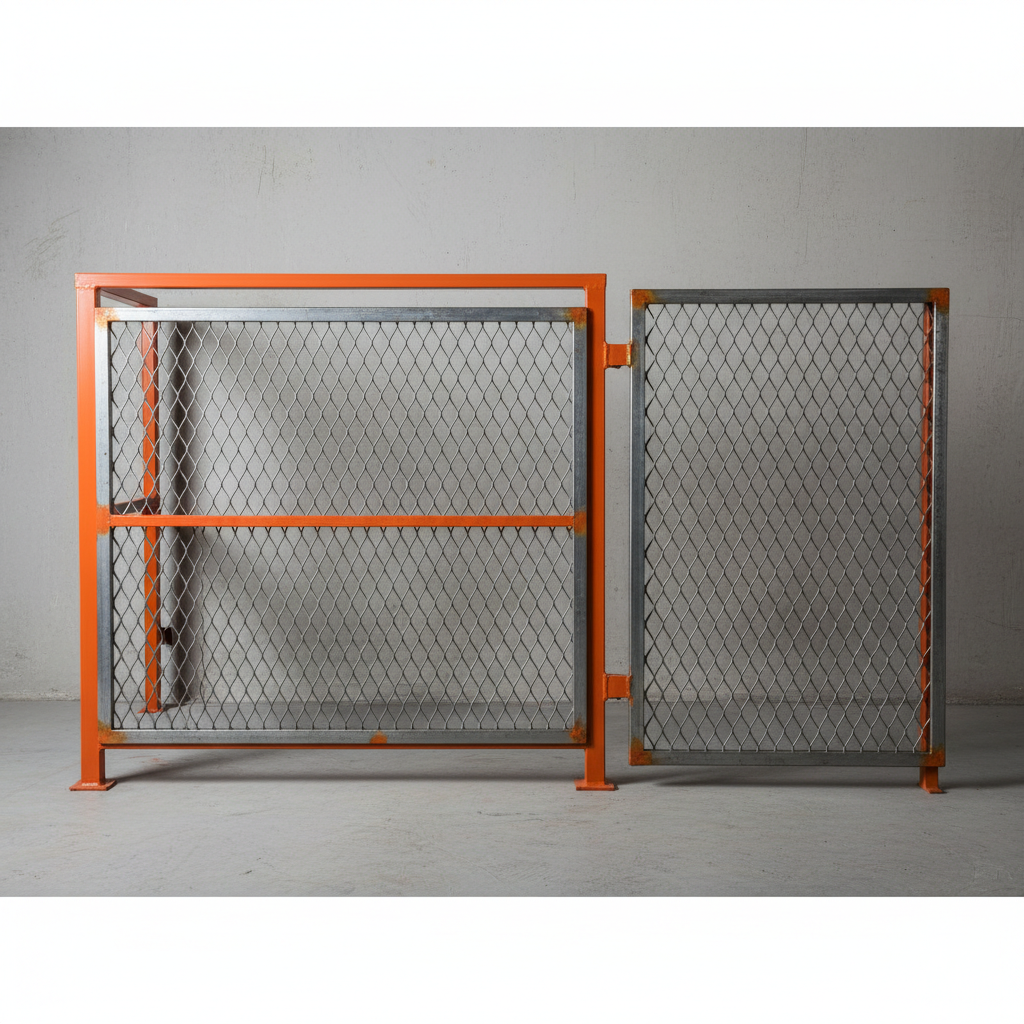
Corten steel grating is incredibly versatile and can be found in a wide range of applications. Common uses include: pedestrian walkways, bridge decking, stair treads, drainage systems, platforms, security fencing, architectural facades, and landscaping features. Its robust nature makes it ideal for heavy-duty industrial environments, while its attractive appearance makes it a popular choice for architectural projects. The open grid design allows for efficient drainage and light transmission, enhancing functionality and aesthetics. It’s also frequently used in areas prone to harsh weather conditions due to its corrosion resistance.
Key Application Areas:
• Industrial Walkways & Platforms
• Architectural Facades
• Drainage Systems
• Landscape Design
Corten steel grating comes in various types, including welded, swaged, and riveted. Welded grating is the most common type and offers high strength and load-bearing capacity. Swaged grating features bars that are mechanically joined, creating a smooth, flush surface. Riveted grating is a more traditional method, using rivets to connect the bars. The choice of grating type depends on the specific application and load requirements. Tike Metal offers a wide range of corten steel grating options to meet diverse project needs.
The weathering process of corten steel grating is influenced by several factors. Exposure to alternating wet and dry conditions is crucial for the formation of the protective patina. Saltwater environments can accelerate the rusting process, but the resulting patina will still provide corrosion resistance. The climate, air quality, and the presence of pollutants can also affect the rate and appearance of weathering. Proper design considerations, such as ensuring adequate ventilation, can help optimize the weathering process.
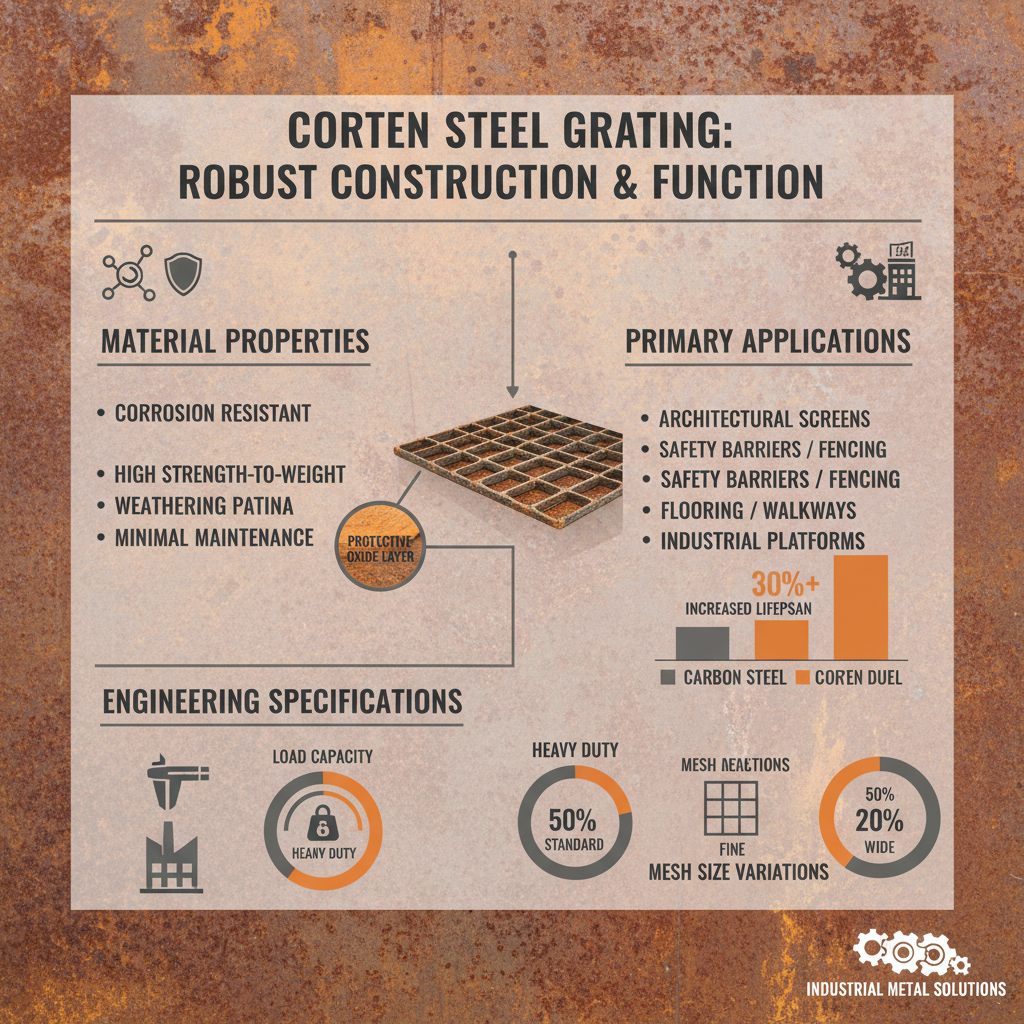
While corten steel is known for its low maintenance, occasional cleaning may be required to remove debris and ensure optimal drainage. Avoid applying coatings or paints to corten steel, as these can hinder the natural weathering process and potentially accelerate corrosion. Regular inspections can help identify any areas of concern and ensure the grating remains in good condition. With proper installation and minimal maintenance, corten steel grating can provide decades of reliable service.
Corten steel grating offers a compelling combination of durability, aesthetics, and low maintenance, making it an ideal material for a wide range of applications. Its unique weathering properties ensure a long lifespan and a distinctive appearance. By understanding its characteristics and proper installation techniques, you can leverage the full benefits of this versatile material.
The time it takes for corten steel to develop its full patina varies depending on environmental factors such as humidity, exposure to rain, and air quality. Typically, the initial rust formation begins within a few weeks, but it can take several months to a year or more for the patina to stabilize and achieve its characteristic reddish-brown color. Coastal environments, with higher salt content, tend to accelerate the weathering process. You can also use accelerated weathering solutions to speed up the process if a specific aesthetic is desired quickly.
Yes, corten steel is highly suitable for marine environments due to its excellent corrosion resistance. The patina formed by corten steel protects the underlying steel from saltwater corrosion. However, it’s important to note that saltwater can accelerate the weathering process, leading to a more rapid formation of the patina. Proper design and installation, ensuring adequate drainage and ventilation, are crucial to maximize the lifespan of corten steel in marine applications.
Corten A and Corten B are both weathering steels with similar properties, but they differ in their chemical composition and mechanical strengths. Corten B generally has a higher tensile strength and better weldability compared to Corten A. Corten A is often preferred for architectural applications due to its more consistent and aesthetically pleasing patina development. The choice between Corten A and Corten B depends on the specific requirements of the project.
Yes, a small amount of staining can occur as the corten steel weathers, particularly in the initial stages. This staining is caused by iron oxide particles released during the rusting process. To minimize staining, it's recommended to provide a sufficient gap between the corten steel and any sensitive surfaces, like concrete or light-colored materials. Alternatively, a clear sealant can be applied to adjacent surfaces to protect them from staining. However, bear in mind that the patina is part of the material’s aesthetic, and some staining is considered normal.
RELATED PRODUCTS





Top