Black steel grating is a versatile and robust material widely used in various industrial, commercial, and architectural applications. Known for its strength, durability, and cost-effectiveness, it offers a reliable solution for flooring, walkways, security barriers, and more. This article will delve into the properties, manufacturing processes, applications, and benefits of black steel grating, providing a comprehensive overview for engineers, architects, and anyone seeking a high-performance grating solution. Understanding its characteristics is key to making informed decisions for your project.
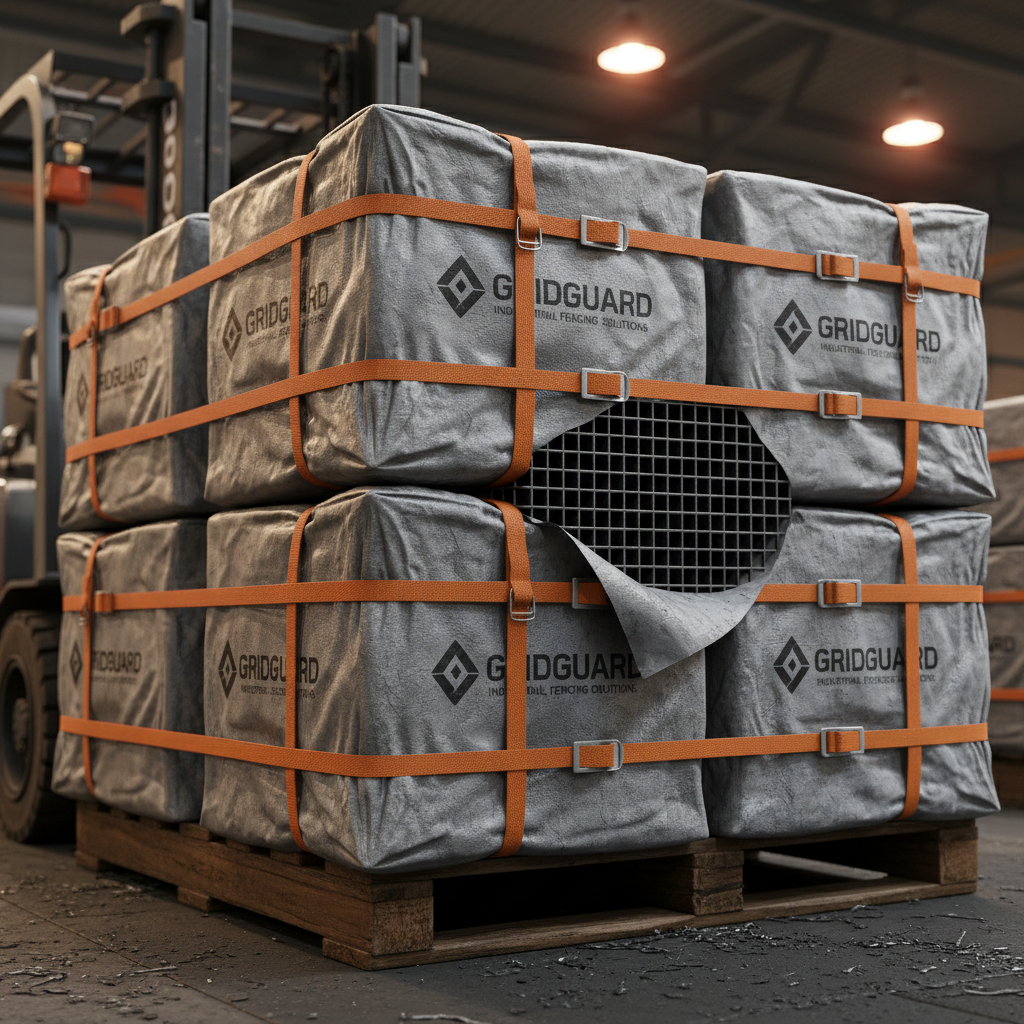
Black steel grating is typically manufactured from low-carbon steel that has undergone a black oxide finishing process. This process creates a protective coating that enhances corrosion resistance and provides a sleek, black aesthetic. The grating is created by joining metal bars in a grid-like pattern, using welding, press-locking, or swaging methods. Choosing black steel grating offers several advantages, including high load-bearing capacity, excellent slip resistance (especially with serrated surfaces), and minimal maintenance requirements. Its open design allows for the passage of light, air, and liquids, making it ideal for a wide range of applications.
Key Benefits: High load capacity, excellent slip resistance, minimal maintenance, allows light/air/liquid passage, cost-effective.
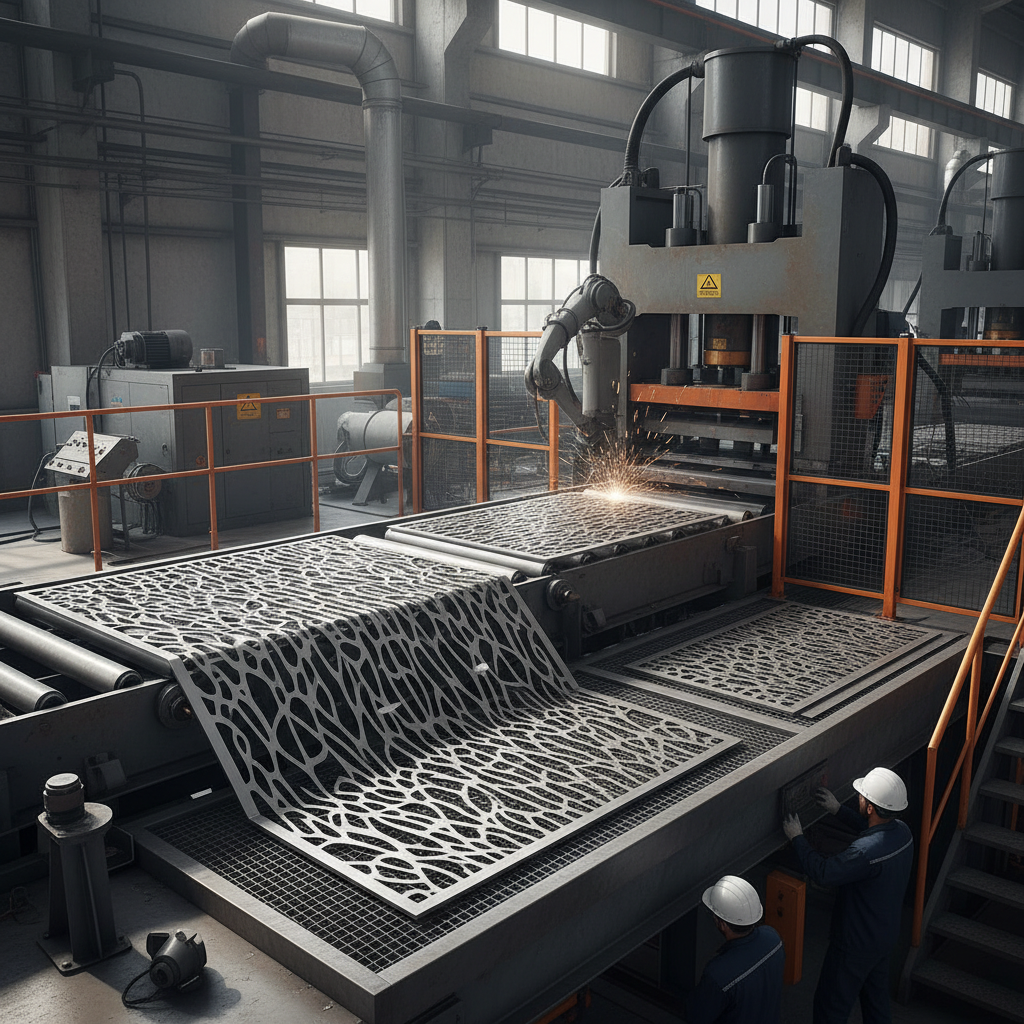
There are several primary methods used to manufacture black steel grating, each resulting in slightly different characteristics. Welded steel grating is created by resistance welding bearing bars and cross bars together, providing exceptional strength and durability. Press-locked grating uses a mechanical interlocking process, eliminating the need for welding and offering a clean, consistent appearance. Swaged grating involves forcing cross bars into pre-punched holes in the bearing bars, providing a secure and robust connection. The choice of manufacturing process depends on the intended application and load requirements. Tike Metal specializes in all of these production methods to ensure a perfect fit for any project.
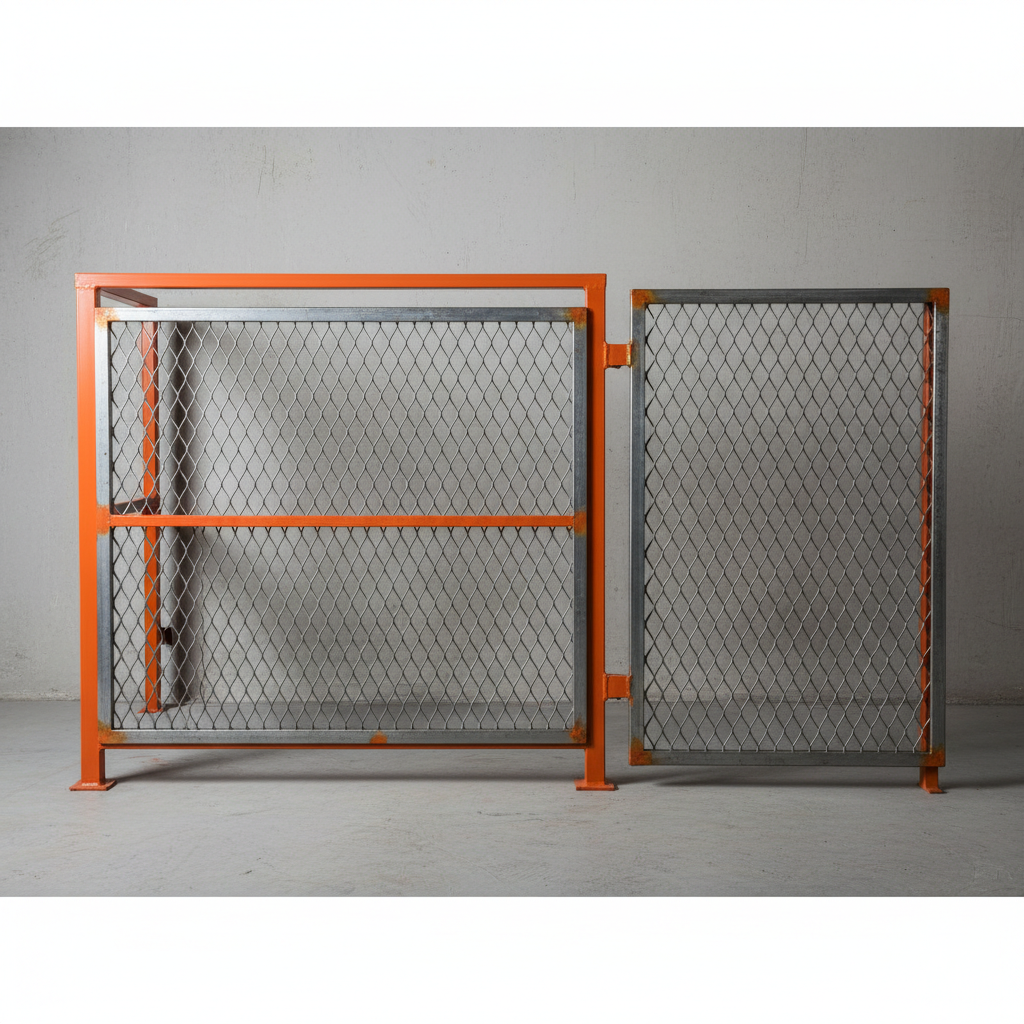
The versatility of black steel grating makes it suitable for a vast array of applications. Common uses include: Walkways and Platforms: Providing safe and durable walking surfaces in industrial facilities. Stair Treads: Offering excellent slip resistance and structural support. Floor Grating: Allowing drainage and ventilation in areas prone to moisture. Security Fencing: Creating robust and visually appealing barriers. Drainage Covers: Protecting drains while allowing water flow. Catwalks: Providing access for maintenance in factories and processing plants.
While various materials can be used for grating, black steel offers unique advantages. Compared to aluminum, steel provides higher strength and load-bearing capacity, although it's heavier and may require more maintenance in corrosive environments. Compared to fiberglass, steel is significantly more durable and resistant to physical impact. Compared to wood, steel is non-combustible, requires less maintenance, and offers a longer lifespan. The initial cost of steel grating can be higher than some alternatives, but its durability and longevity often result in lower long-term costs.
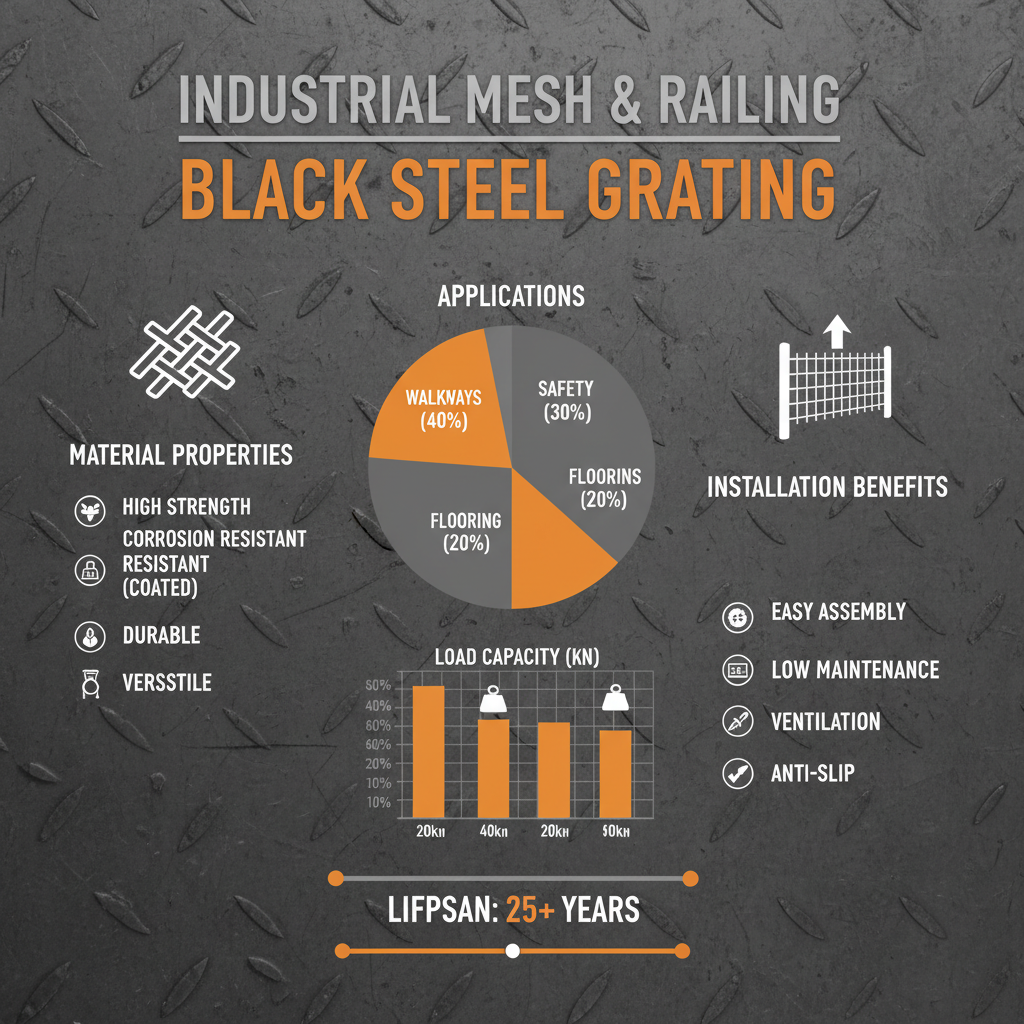
Choosing the appropriate black steel grating requires careful consideration of several factors. These include the intended load capacity, span requirements, environmental conditions, and desired aesthetic. The size and spacing of the bearing bars, as well as the type of cross bars, will influence the grating's strength and slip resistance. For corrosive environments, consider a thicker black oxide coating or alternative finishes like hot-dip galvanization. Consulting with a qualified grating supplier like Tike Metal is crucial to ensure you select the optimal grating solution for your specific needs.
Black steel grating remains a premier choice for a vast range of applications due to its strength, durability, and cost-effectiveness. By understanding its properties, manufacturing processes, and application considerations, you can make an informed decision to ensure a safe, reliable, and long-lasting grating solution. Tike Metal is your trusted partner for high-quality black steel grating, providing expert guidance and customized solutions to meet your project's specific demands.
The lifespan of black steel grating depends heavily on the environment it's exposed to. In relatively benign environments, with minimal exposure to corrosive substances, properly maintained black steel grating can last for 20-30 years or more. However, in harsh environments (coastal areas, chemical plants), the lifespan may be reduced. Regular inspection and maintenance, including re-application of protective coatings, are essential to maximize its longevity. The quality of the steel and the manufacturing process also play a significant role.
The black oxide finish, also known as blackening, is a chemical conversion coating that creates a protective layer on the steel's surface. This layer slows down the oxidation process (rusting) by forming a magnetite (Fe3O4) layer. While not as robust as galvanization, the black oxide finish provides a degree of corrosion resistance, particularly in indoor or mildly corrosive environments. It also offers a sleek aesthetic and serves as a base for paint or other protective coatings.
Load capacities for black steel grating vary significantly depending on factors such as the bearing bar size, spacing, and support structure. Generally, grating can be designed to handle loads ranging from pedestrian traffic to heavy industrial equipment. Common load ratings range from 300 lbs/sq ft to over 1000 lbs/sq ft. It's crucial to consult with a qualified engineer or grating supplier, such as Tike Metal, to determine the appropriate load rating for your specific application.
RELATED PRODUCTS





Top