Chain link fences have long been a staple in securing residential, commercial, and industrial properties worldwide. Yet, as with many essential infrastructure elements, the need for chain link fence replacement inevitably emerges over time. But it's more than just swapping out rusted metal or torn mesh—understanding when and why to replace your fencing can save considerable costs, improve safety, and even strengthen community relations. Globally, as urban areas expand and security concerns evolve, chain link fencing remains an accessible yet adaptable solution offered in various specifications to suit distinct needs.
Whether you’re managing a school playground, a warehouse yard, or a public park, knowing the nuances of chain link fence replacement is a key piece of property management. Plus, in humanitarian and industrial settings, the stakes are often higher than aesthetics—safety and durability can mean everything.
From bustling cities in North America to industrial hubs in Southeast Asia, chain link fences help define secure perimeters. According to the United Nations Environment Programme, infrastructure deterioration is a global challenge, especially in developing regions where replacement cycles may lag due to budget constraints. Chain link fence replacement isn’t just an isolated maintenance task; it ties into larger trends of urbanization, environmental wear, and evolving security standards.
Take, for instance, reports from the International Organization for Standardization (ISO) emphasizing quality management systems in construction and maintenance. Increasingly, property managers and governments are asked to demonstrate that infrastructure like fencing meets certain safety and environmental criteria — pushing the need for regular upgrades or outright replacements.
Of course, old fences rust, get damaged, or simply don’t meet modern security needs, which poses a significant risk. So, the question is no longer “if” but “when” and “how” replacement should be done to optimize resources and results.
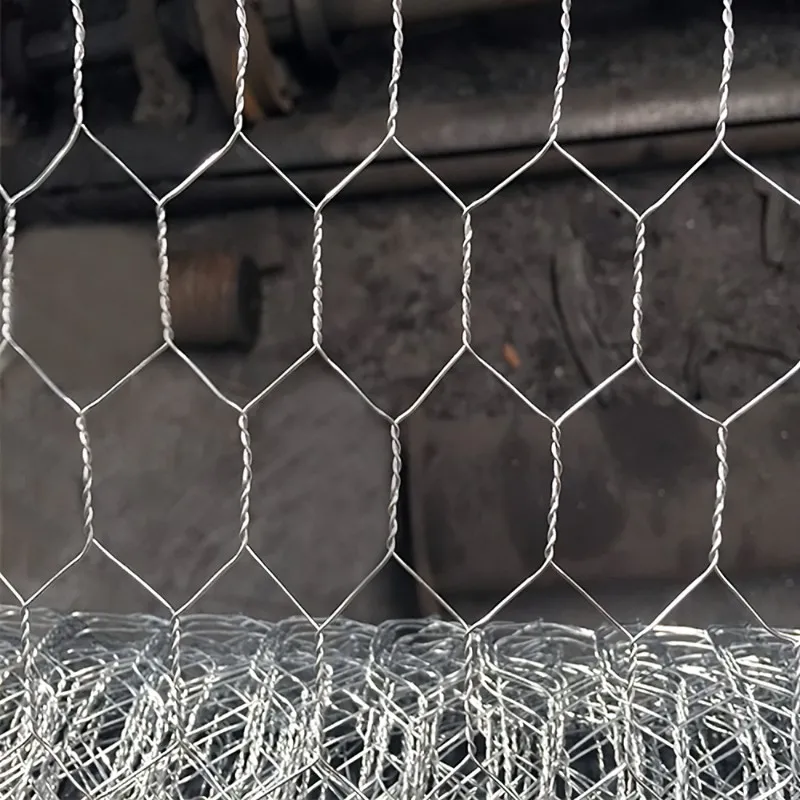
In straightforward terms, chain link fence replacement involves removing an existing fence—often degraded, damaged, or obsolete— and installing a new chain link fence system. This process includes dismantling old posts, clearing away mesh or wire fabric, and erecting fresh fencing that meets modern standards and user requirements.
Why chain link specifically? It’s one of the most cost-effective, durable, and quickly installed fencing types globally. The mesh design allows visibility and airflow while providing an effective barrier. In industries ranging from agriculture to education and penitentiaries, upgrading or replacing chain link fences can mean improved durability, enhanced security, or conformance with updated regulations.
Chain link fence replacement isn’t just upkeep — it’s about upgrading security, compliance, and even appearance to serve evolving needs.
One major factor is the material. Rust-resistant, galvanized steel wire is the standard, but modern fences also incorporate vinyl coatings or aluminum for enhanced corrosion resistance. Depending on your environment—coastal salty air, industrial pollution, or just plain rains—materials make a huge difference in lifespan.
Posts are the backbone of any fence. Concrete-set metal posts resist wind and accidental impacts better, reducing future maintenance costs. The gauge and shape of these posts determine overall rigidity. Many engineers say opting for thicker gauge posts is worth the upfront cost, especially in high-security zones.
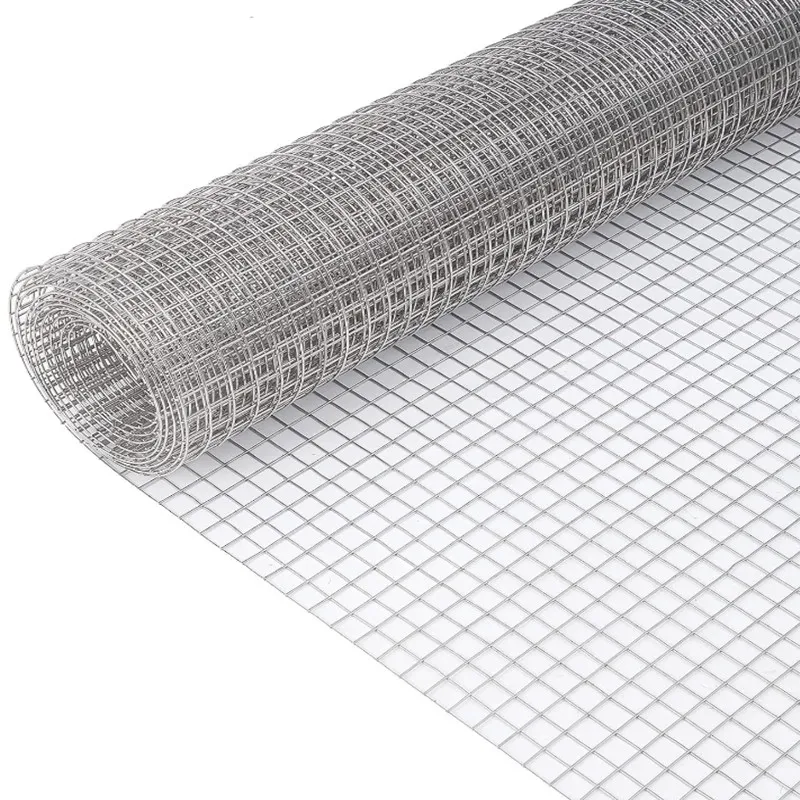
Sometimes, speed matters—especially in temporary or emergency setups. Prefabricated panels or mesh rolls allow quick installation and easy scalability. Facilities expanding their perimeters will appreciate how replacement solutions can grow modularly without full reinvestment.
Choosing the cheapest replacement isn’t always smart. Factoring in lifespan, maintenance, color fading, and potential vandalism protection paints a clearer financial picture. Oddly enough, sometimes a pricier vinyl-coated fence can outlast and outperform bare galvanized steel, dropping total ownership costs.
While generally functional, fences today come with options: different mesh sizes, slats for privacy, various heights, and even color schemes. This matters in public spaces and commercial settings where brand image or community feedback is a consideration.
| Specification | Standard Value | Notes |
|---|---|---|
| Mesh Gauge | 9 to 11 gauge steel wire | Heavier gauge for high security |
| Mesh Size | 2" x 2" or 2" x 4" | Common sizes for visibility & airflow |
| Post Diameter | 1.9 to 2.5 inches | Thicker sets for windy or high use zones |
| Coating | Galvanized or vinyl coated | Vinyl adds aesthetic options and longevity |
| Height | 3 to 12 feet typical | Depends on security needs |
The right materials and thoughtful design make your chain link fence replacement serve you better — saving headaches down the line.
Chain link fence replacement is pivotal in scattered sectors worldwide. Consider:
Oddly enough, in remote mining camps across Australia and Canada, engineers often prioritize heavy-gauge chain link fence replacement due to theft risks and intense weather exposure. It turns out the basics of fence tech translate from urban to wilderness quite nicely.
Replacing an outdated chain link fence offers more than fresh looks:
Ultimately, it offers peace of mind — and for businesses or communities, that’s huge.
The fence industry is quietly embracing innovations that blend tradition with technology:
So if you thought fence replacement is “old hat,” think again — the future's actually pretty interesting.
One challenge is downtime — you don’t want your property exposed during replacement, especially if it’s high security.
Solution? Modular panel systems allow partial replacements with minimal gaps. Another issue is environmental compliance—some regions require strict disposal of old materials or limits on chemical coatings. Partnering with certified vendors helps you stay compliant.
| Vendor | Material Quality | Installation Speed | Customization Options | Eco-Friendly Practices |
|---|---|---|---|---|
| FenceCo Solutions | High (galvanized + vinyl options) | 7 days avg per 100m | Multiple colors & heights | Recyclable materials focus |
| QuickFence Installers | Standard galvanized only | 4 days avg per 100m | Limited customization | Basic disposal compliance |
| EcoFence Co. | Medium (recycled metals) | 6 days avg per 100m | Standard heights, natural colors | Strong green credentials |
Generally, chain link fences last 15-20 years before major replacement is necessary. However, environmental factors like humidity, salt air, or vandalism can shorten this. Regular inspections help identify when patches won’t cut it anymore.
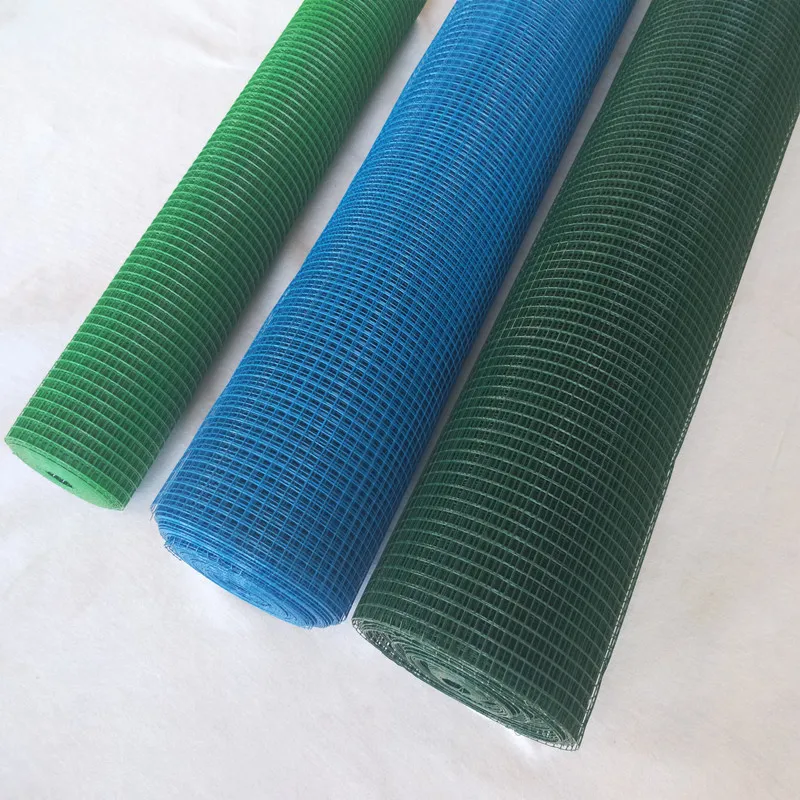
Absolutely. Modern replacement fences come in varying heights from 3 up to 12 feet and often include vinyl coatings in colors like green, black, or tan to blend with surroundings or meet branding needs.
It can be, but many providers offer phased installations using modular sections. This minimizes exposure and downtime, which is crucial for schools or sensitive facilities.
Old fencing must be properly disposed or recycled to avoid environmental harm. Opting for vinyl coatings with non-toxic materials and choosing suppliers with sustainable practices help reduce ecological footprints.
Smart fences are gaining traction, especially in high-security sites, often integrated with traditional chain link frameworks. However, costs and maintenance keep them reserved for specialized applications rather than general replacements.
At the end of the day, chain link fence replacement isn’t just about fixing worn-out perimeter mesh—it’s about ensuring safety, compliance, and long-term value for properties of all kinds. With advancing materials and installation techniques, today’s replacements stand up better and last longer than ever before.
If your property’s fencing is due for an upgrade, consider your options carefully and choose a supplier who balances quality, eco-consciousness, and cost-effectiveness. For a trusted partner in this domain, visit our website and explore tailored solutions that meet your fencing needs.
Replacing your chain link fence isn’t just maintenance — it’s future-proofing your security with smarter, longer-lasting materials and methods.
RELATED PRODUCTS





Top