In a world where security, boundary management, and cost efficiency play vital roles, the concept of purchasing a chain link fence by the foot has garnered global attention across industries and humanitarian efforts alike. Why? Because it’s a flexible, scalable way to customize fencing solutions without overspending or overcommitting to large batches of material.
Whether you’re a contractor in a sprawling urban development, a warehouse manager, or an NGO coordinating post-disaster relief, understanding this approach means better resource allocation and adaptability — two things that often make or break projects on the ground.
Fencing is no longer just about marking property lines; it’s about security, safety, and sometimes quick deployment amid changing landscapes. According to the World Bank, rapid urbanization and infrastructural expansion are increasing global demand for fencing solutions, particularly in the Americas and Asia-Pacific regions.
The challenge? Traditional fence purchases come in fixed sizes and large lots — which isn’t always practical or economical. Buying chain-link fence in bulk can mean excess materials — and waste, both economically and environmentally. This is where ordering chain link fence by the foot rises as a smart alternative, allowing buyers to pay only for what they really need.
It might sound small, but in large projects or emergency scenarios, that flexibility can lead to significant savings and faster installation times.
Simply put, buying chain link fence by the foot means purchasing fencing material in exact lengths rather than in pre-cut rolls or fixed panels. Instead of committing to 50 or 100-foot rolls, buyers can specify exactly how many linear feet they want.
This modular approach aligns perfectly with modern industry needs — think tailoring fencing for irregular plot sizes, or adjusting barriers in refugee camps, where infrastructure changes overnight. The concept syncs well with contemporary manufacturing practices, offering variety in gauge thickness, mesh sizes, and coating finishes.
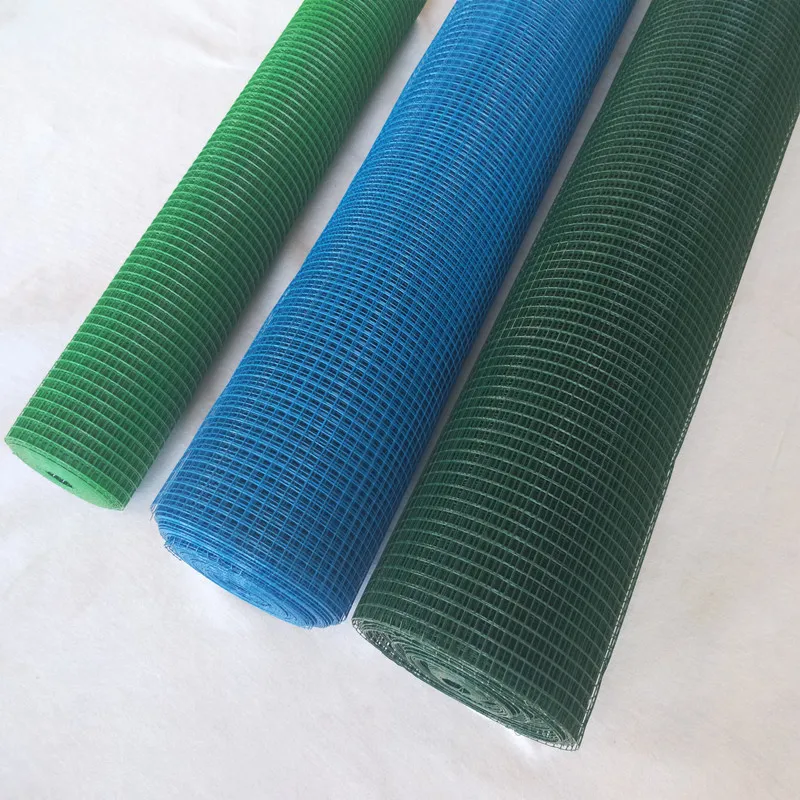
Chain link fences usually come galvanized or vinyl coated for corrosion resistance. Buying by the foot means you’re often able to specify coatings that suit your environment, be it salty coastal winds or dry deserts.
The option to order specific lengths lets you scale projects on demand — kind of like Lego blocks but with steel mesh. For sprawling industrial sites or temporary barriers, this means quicker, less wasteful setups.
Paying exactly for what you need avoids surplus inventory and reduces storage hassles. Plus, it’s easier for smaller businesses or NGOs to budget fencing without large upfront investments.
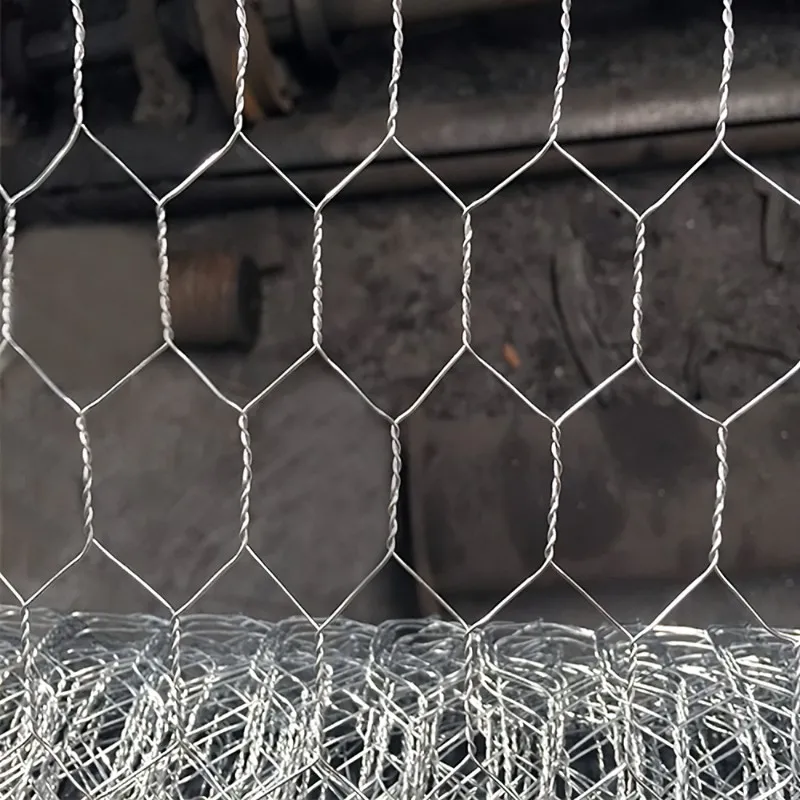
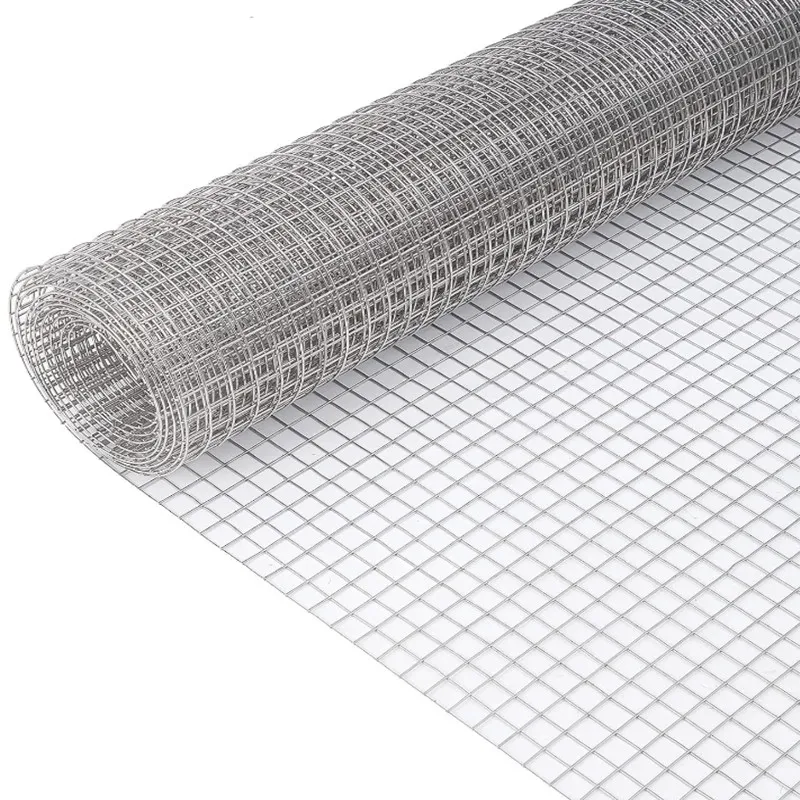
Chain link fence by the foot often comes with options for different wire gauges, mesh sizes (from 2-inch squares to 1/2 inch), and finishes. This means better fit-for-purpose installations.
Shorter, tailored lengths mean easier transport, especially in remote or disaster-affected regions where trucks can’t haul bulky rolls — which sometimes feel like hauling a sleeping bear.
The freedom to pick chain link fence by the foot lets projects stay nimble, reduce waste, and manage costs — a trifecta increasingly critical in today’s fast-evolving environments.
From industrial complexes in the U.S. Midwest to refugee camps in sub-Saharan Africa, the ability to acquire fencing by the foot unlocks versatility. For instance:
Local authorities have noticed that ordering chain link fencing in tailored lengths leads to faster installation timelines and less fencing waste — a small step for private users but a giant leap for sustainability.
There’s a nice blend of logical and emotional perks here:
| Specification | Options | Typical Use Case |
|---|---|---|
| Wire Gauge | 9, 11, 11.5, 12 | Durability & Security Levels |
| Mesh Size | 2 inch, 1.5 inch, 1 inch | Animal Control, Security |
| Height | 3, 4, 5, 6, 8 feet | Perimeter Safety |
| Finish | Galvanized, Vinyl Coated | Corrosion Resistance |
| Length | By the foot (customizable) | Exact Project Fit |
| Vendor | Range of Lengths | Material Quality | Customization Options | Delivery Speed |
|---|---|---|---|---|
| Tike Metal | 1 foot to 100+ feet | High – Galvanized & Vinyl Available | Wire gauge, mesh size, coating | 3–5 business days |
| FenceCo Supplies | 5 feet minimum | Medium – Primarily Galvanized | Limited mesh options | 7–10 days |
| ProFence Mart | 10 feet minimum | High – Special Coatings Offered | Full range, including colors | 5–7 days |
Oddly enough, the humble chain link fence is entering a somewhat tech-savvy renaissance. Materials science is pushing coated wires that resist UV degradation better, while environmentally conscious manufacturers use recycled steel.
On the digital front, integrated sensors for security monitoring are increasingly grafted onto fences — meaning tomorrow’s chain link fences by the foot might come pre-wired or sensor-ready! For environmentally-focused projects, solar-powered lighting attached to fences is also catching steam.
We might be a bit far off from “smart fences” everywhere, but industry insiders predict a turn toward sustainability, modularity, and digital integration in even the most basic fencing.
Looking solely at chain link fence by the foot does reveal a couple of tricky bits:
Working with reputable suppliers who guide you on installation and handle custom cuttings is usually the best fix.
Not necessarily. While the per-foot cost might be slightly higher due to handling, the overall project cost often drops owing to less waste and more precise budgeting. Plus, many vendors offer price breaks at higher footages.
Absolutely. Vendors typically allow you to choose from common mesh sizes (1”, 1.5”, 2”) depending on your security and aesthetic needs.
Installation complexity remains mostly the same whether you buy in rolls or custom lengths, but shorter sections can be easier to handle on-site. Having the right tools and some fencing know-how helps a lot.
Provided the material specs (wire gauge, coating) remain consistent, yes. You're simply paying for a shorter segment.
Trusted suppliers like Tike Metal specialize in customizable chain link fencing and provide guidance for all scales of projects.
At the end of the day, purchasing chain link fence by the foot offers a balanced approach to cost efficiency, adaptability, and sustainability. It reflects today's needs for smart material management—especially as projects grow more complex, budgets tighter, and timelines shorter.
If you’re considering fencing solutions with precision and flexibility, I highly recommend checking out options like the ones offered by Tike Metal. The ability to get exactly what you need, when you need it, feels like a small luxury but delivers big peace of mind.
After all, isn’t that what good fencing is really about? More than metal — it’s about safety, boundaries, and sometimes, a little dignity.
RELATED PRODUCTS





Top