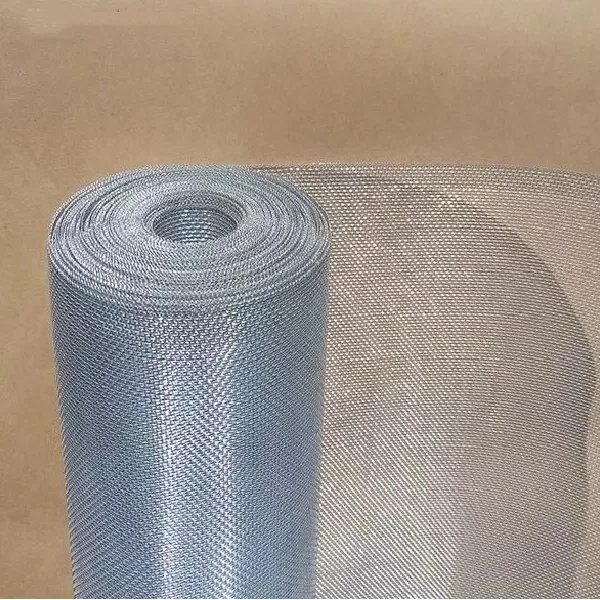
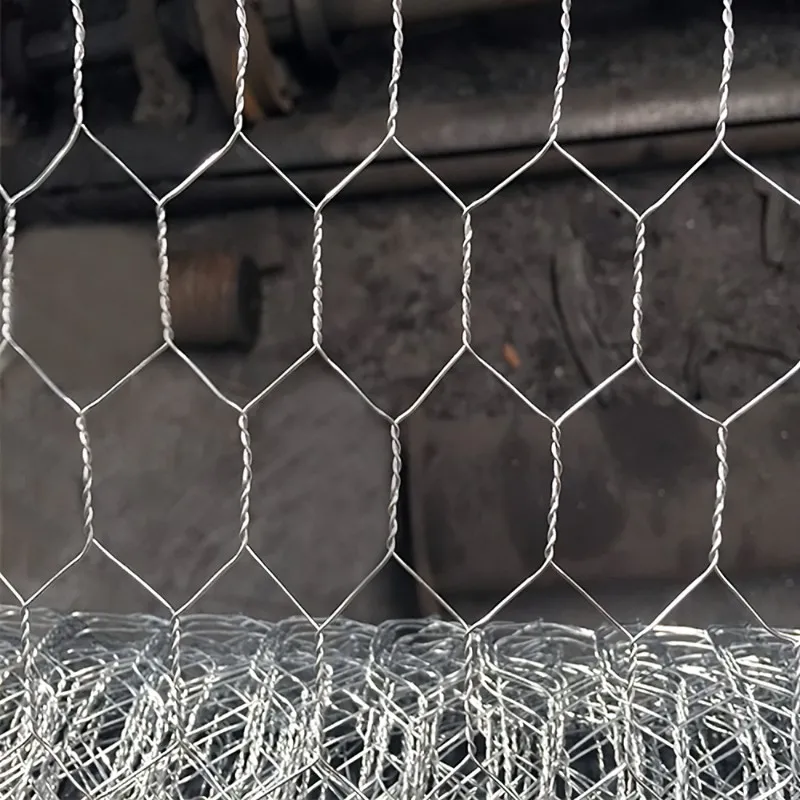
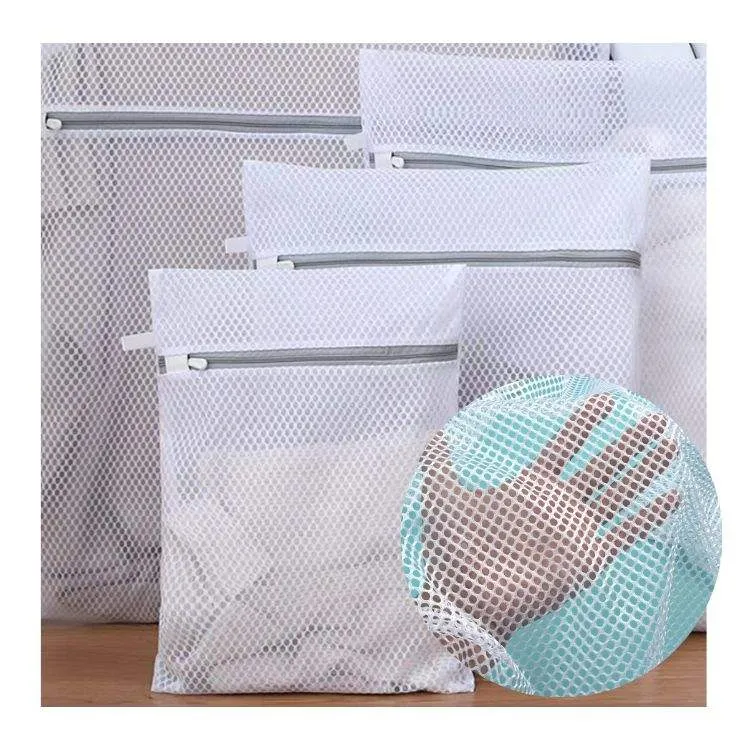
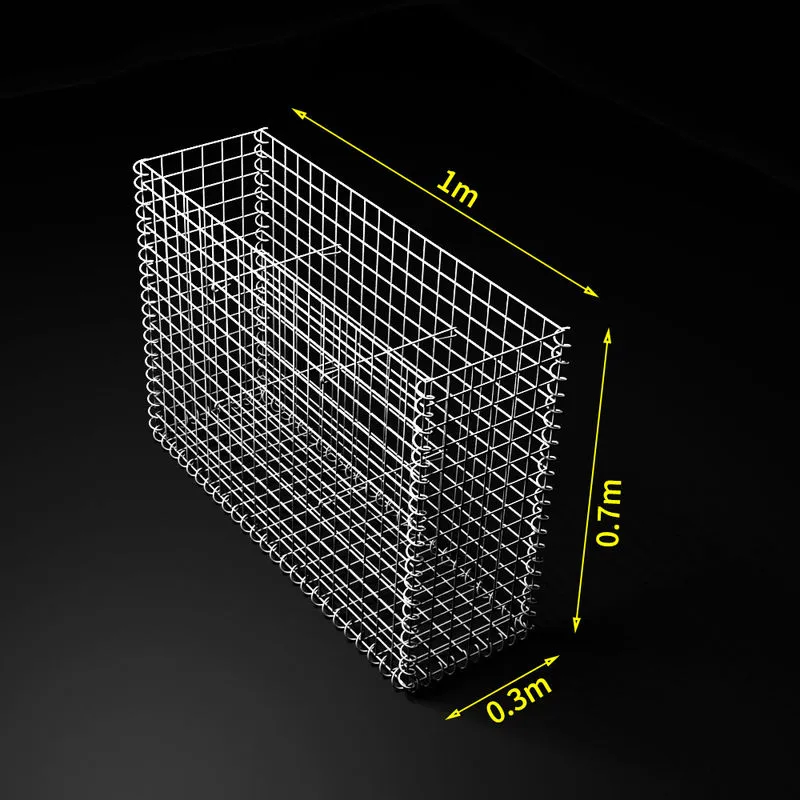
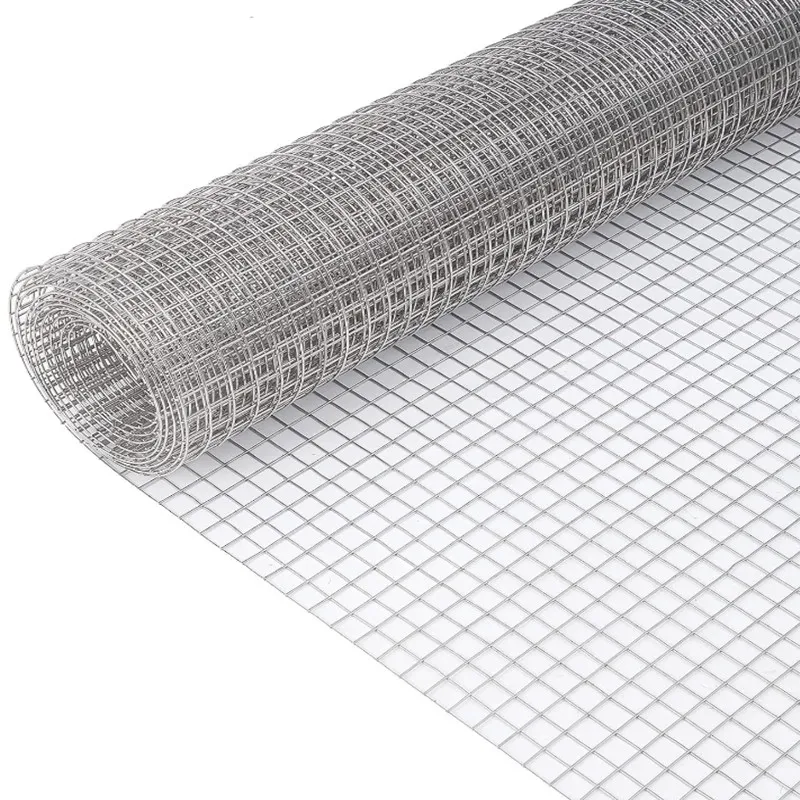
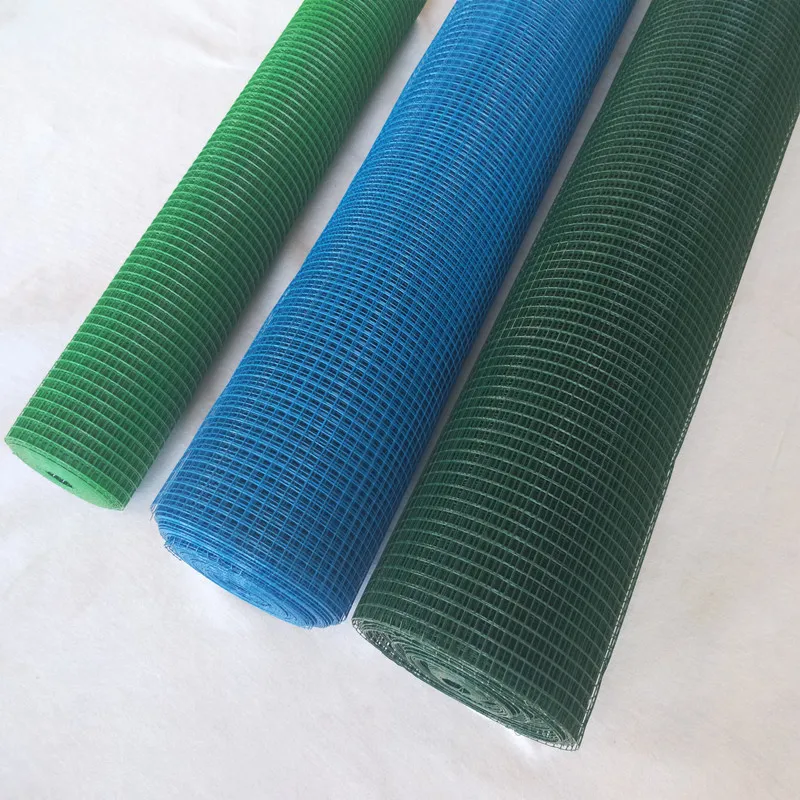
White mesh metal might sound like a niche or even obscure term at first glance, but its impact spans continents and industries. In simple terms, white mesh metal refers to metallic mesh materials often coated or naturally light-colored, which are prized for their strength, durability, and versatility in settings ranging from construction to humanitarian projects. Globally, recognizing the benefits and applications of white mesh metal is crucial because these materials support infrastructure resilience, environmental sustainability, and innovative design.
So why does the world really care about white mesh metal? Well, in an age when infrastructure must be more adaptable and sustainable, and when industries seek cost-effective, reliable materials, white mesh metal offers a compelling solution. Understanding it opens doors to smarter engineering and improved humanitarian relief efforts — all of which touches millions of lives every year.
The World Bank estimates that infrastructure investment needs to reach $94 trillion globally by 2040 to support urbanization and climate resilience. Within that massive figure, materials like white mesh metal play an outsized role. It provides cost-effective reinforcement in projects from modern architecture to water treatment plants, especially in regions where climate challenges and resource scarcity call for innovative material solutions.
Oddly enough, despite the surging demand, many developing regions still face challenges in sourcing reliable mesh metals that meet quality and sustainability standards. This is precisely the gap white mesh metal aims to bridge, offering a high-performance option that’s both affordable and scalable.
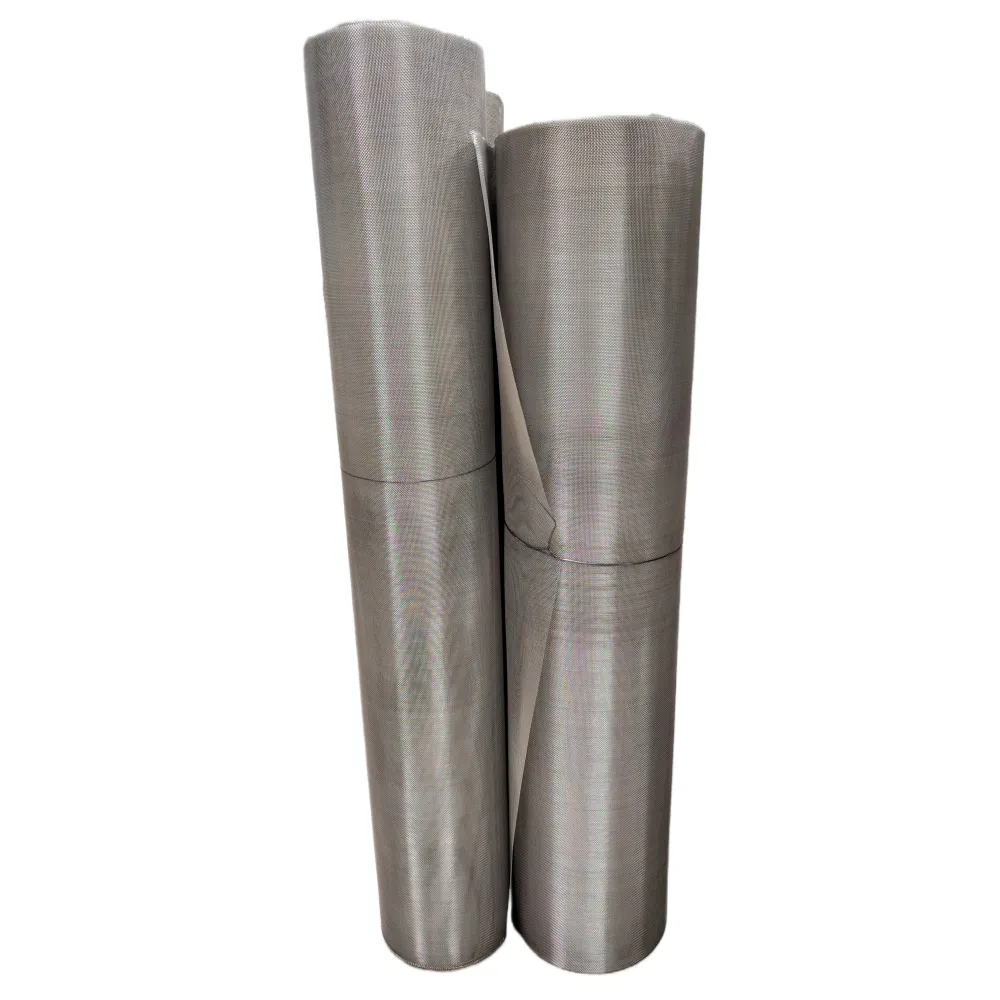
White mesh metal is essentially a metallic mesh product characterized either by its light metal composition (like aluminum) or by a white coating such as powder coating or galvanization. This coating not only gives it the striking white appearance but also protects against corrosion, making it highly desirable in environments exposed to moisture and chemicals.
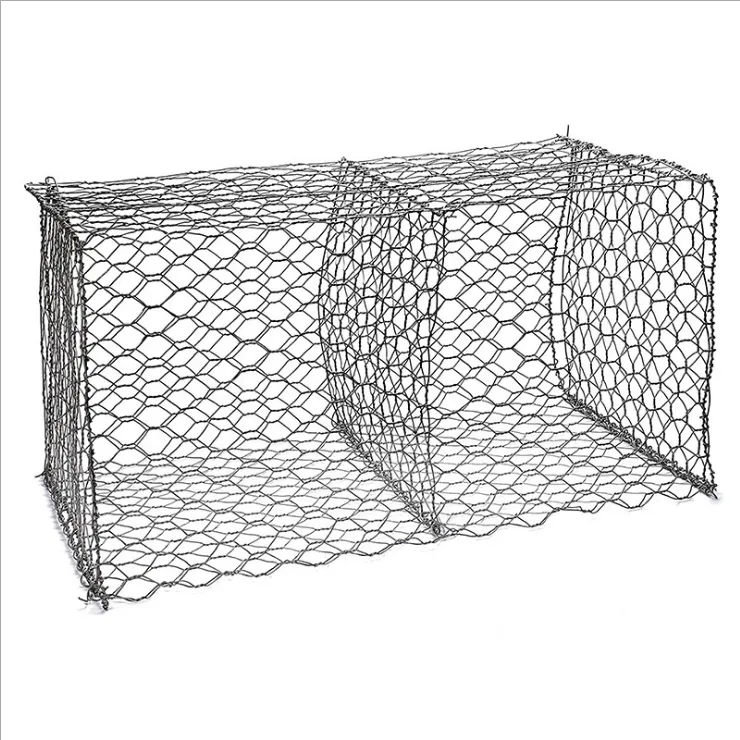
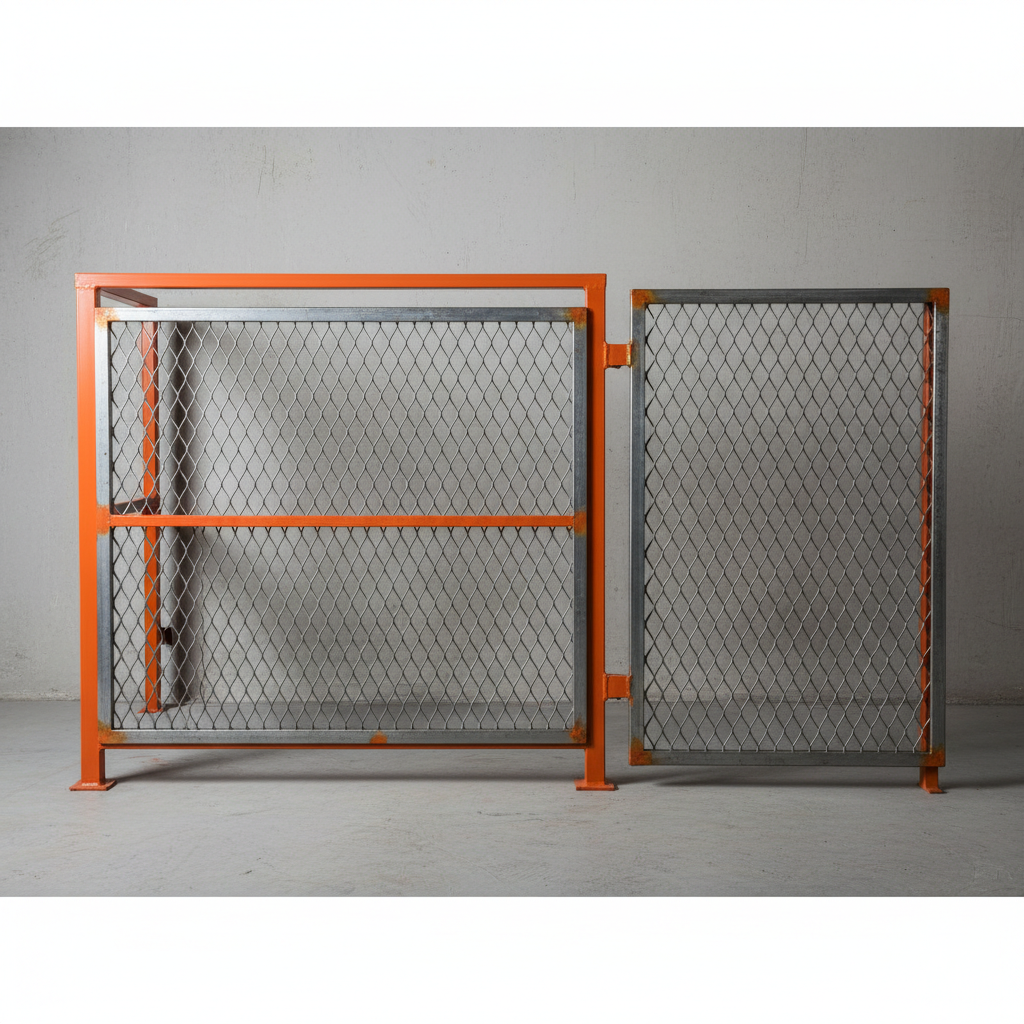
Industries use white mesh metal in applications such as filtration, architectural facades, and protective barriers. Meanwhile, humanitarian agencies rely on its durability and ease of installation in temporary shelters or perimeter fencing — where rapid deployment and reliability matter most.
Thanks to corrosion-resistant coatings and the inherent toughness of metals like aluminum or stainless steel, white mesh metal endures harsh climates. This durability ensures that structures remain safe and maintain integrity over long periods, even where maintenance might be infrequent.
Compared to traditional solid panels or concrete reinforcements, mesh metal uses less material and is lighter — a boon for transportation and installation expenses. For organizations working under tight budgets, such as NGOs, this can be the difference between success and failure.
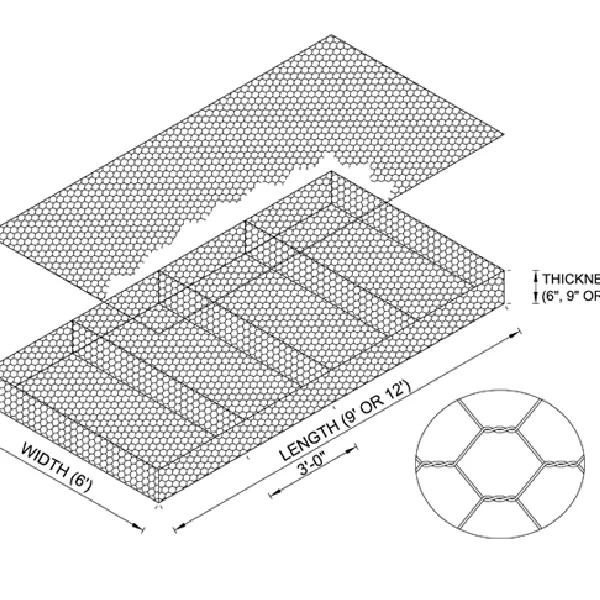
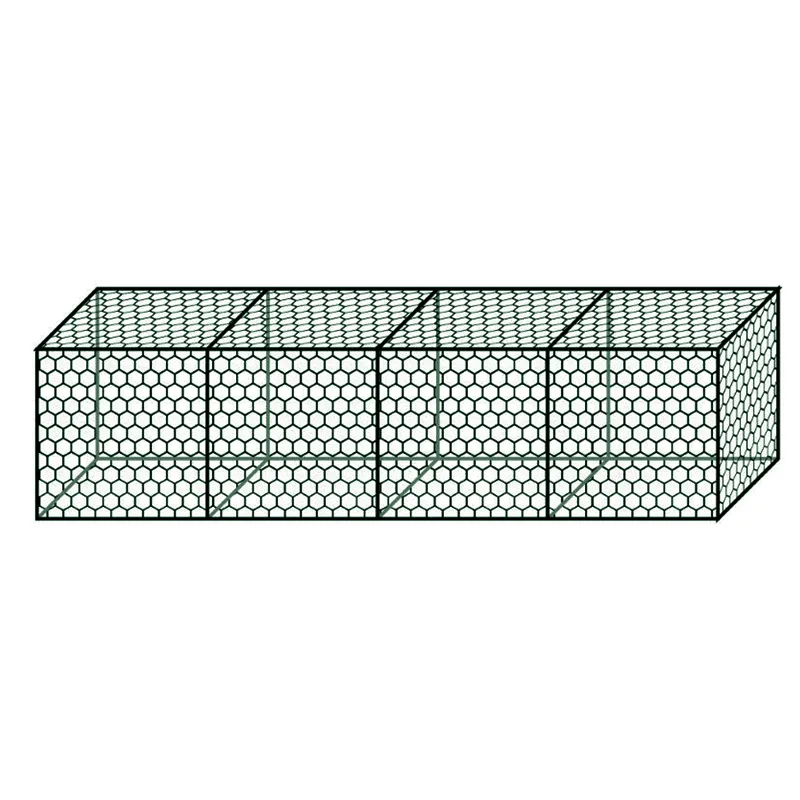
White mesh metals come in various weave patterns and thicknesses, allowing engineers and architects to adapt mesh density and strength to project-specific needs — from fine filtration meshes to wide, structural grids.
The metals used can often be recycled, and coatings applied are increasingly environmentally friendly. This aligns white mesh metal with global trends demanding greener building materials.
White mesh metal has made its mark across continents. In Southeast Asia, it is commonly used in flood-prone urban areas to reinforce drainage covers and protective screens — reducing debris blockages and preventing accidents. Meanwhile, humanitarian organizations operating in the Horn of Africa have used lightweight white mesh barriers to create safe zones in refugee camps, balancing security with airflow and visibility.
Industrial zones in Europe incorporate coated white mesh panels into factory ventilation systems, fostering energy efficiency without compromising safety. Oddly enough, the architectural world also loves white mesh metal — think contemporary building facades that combine aesthetics with sun-shading properties.
| Property | Specification | Units |
|---|---|---|
| Material Thickness | 0.5 – 3.0 | mm |
| Mesh Aperture Size | 1 – 25 | mm |
| Coating Type | Powder/Galvanized | N/A |
| Tensile Strength | 300 – 600 | MPa |
On a personal note, I’ve seen how NGOs struggling with limited budgets but high on urgency praise the ease with which white mesh metal can be deployed—and just how much time it saves compared to other materials.
Looking ahead, the field of white mesh metal isn’t standing still. Advances in nanotechnology are enabling coatings that self-clean or resist biofouling—huge wins for filtration and industrial uses. Moreover, researchers are exploring more sustainable alloys and bio-based coatings to reduce dependency on critical raw materials.
The rise of digital manufacturing, including 3D metal printing, promises customization on the fly, tailoring white mesh metal to incredibly specific industrial or architectural needs. Plus, integration with smart sensors could see mesh panels monitoring structural integrity in real time.
Of course, white mesh metal isn’t perfect. Sometimes it’s underestimated for heavy-load applications or misconceived due to unfamiliarity—leading to specification mismatches. Transporting lighter metals can also pose challenges in windy or exposed environments. Yet, engineers address these by combining mesh panels with complementary materials or using modular assembly techniques to improve resilience.
Moreover, circular economy initiatives encourage suppliers to recycle scrap metal and reuse coatings, offsetting some environmental costs associated with production.
| Vendor | Coating Options | Max Panel Size (m) | Special Features | Price Level |
|---|---|---|---|---|
| Titan Metals | Powder, Galvanized | 2.4 x 1.2 | Custom Mesh Patterns | $$ |
| AluNet Solutions | Anodized White | 3.0 x 1.5 | Lightweight Mesh | $$$ |
| EcoMesh Co. | Eco-friendly Powder Coat | 2.0 x 1.0 | Recycled Materials | $ |
White mesh metal may seem like a small piece of the industrial puzzle, but frankly, its ripple effects are enormous. From reducing costs and environmental impacts to enabling innovative designs and saving lives during crises, it’s a material worth knowing about and investing in. Whether you’re an engineer, architect, or humanitarian planner, white mesh metal offers a toolkit of strengths worth exploring.
If you want to learn more or source high-quality materials, do check out white mesh metal vendors for proven products and expert guidance.
Takeaway: White mesh metal embodies a blend of practicality and innovation, quietly holding up the global infrastructure of tomorrow.
RELATED PRODUCTS





Top