In a world that constantly balances security with sustainability, the welded steel fence emerges as a cornerstone for industries, municipalities, and humanitarian efforts alike. From protecting critical infrastructure in urban landscapes to fencing around remote industrial zones, understanding this product—and why it matters globally—brings clarity to its role in enhancing safety while promoting long-term value.
Globally, fencing solutions are integral to securing property, people, and ecosystems. According to data from the International Organization for Standardization (ISO), infrastructural protection standards increasingly emphasize materials that combine strength with sustainability. Welded steel fencing fits this niche perfectly—it offers robustness and resistance to environmental wear, crucial for everything from urban safety to border protection.
Yet, the challenge remains: how can communities and industries deploy fencing solutions that withstand harsh conditions, are cost-effective, and remain scalable for varying needs?
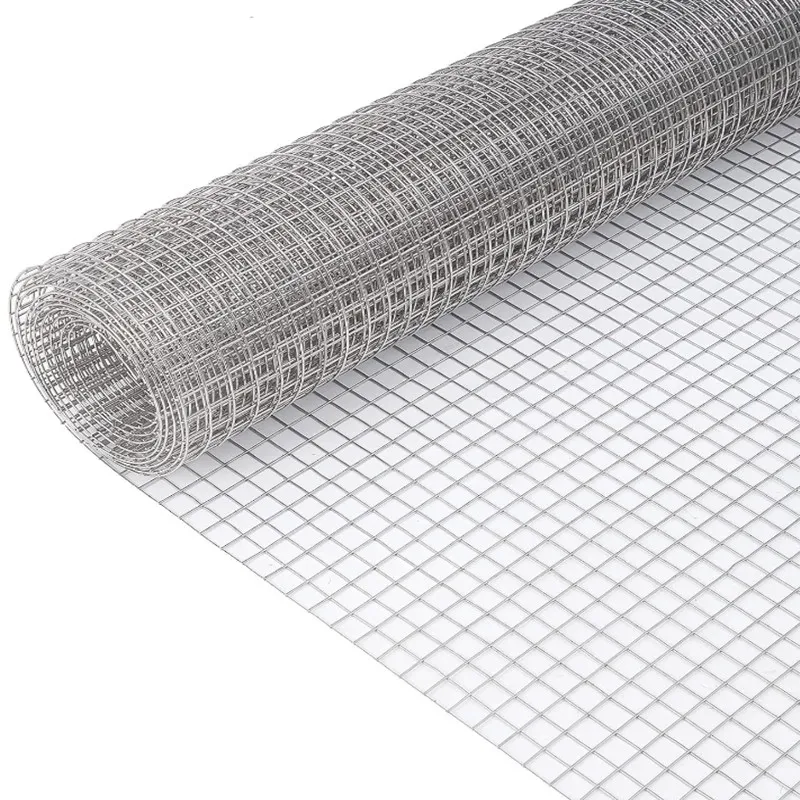
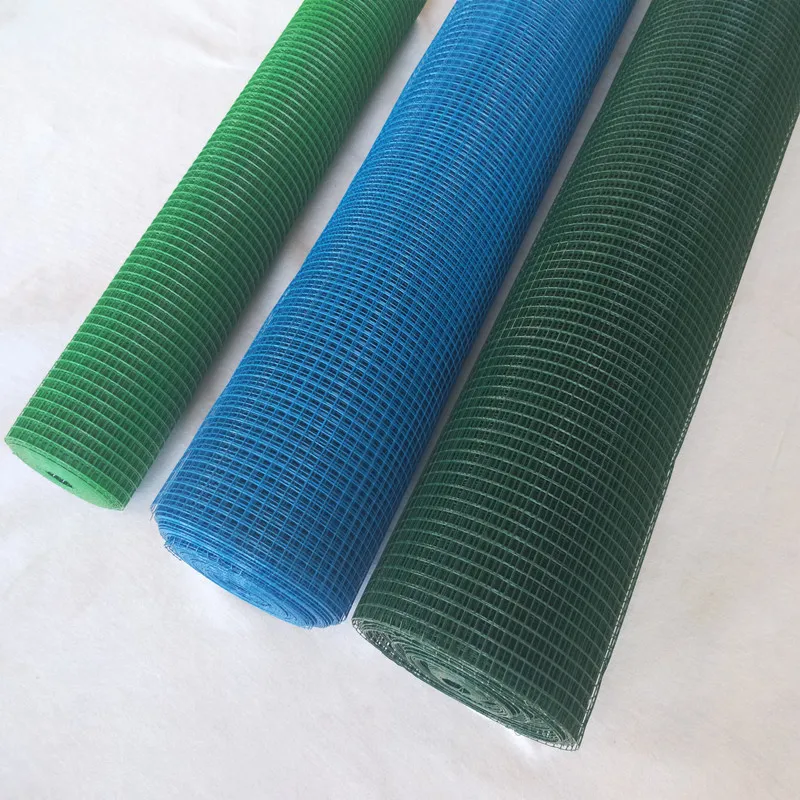
Put simply, a welded steel fence consists of steel wires joined by spot welding at intersections, forming durable mesh panels. This distinguishes it from chain-link or woven wire fences, which rely on interlocking rather than welding. Due to the welding process, these fences exhibit exceptional rigidity and longevity.
Beyond their structural benefits, welded steel fences meet a growing humanitarian need for rapid, secure perimeter solutions—think refugee camps or disaster recovery sites—where both speed and durability are paramount.
Welded steel fences resist corrosion, impact, and deformation, especially when galvanized or coated with protective layers. This durability translates to lower maintenance and replacement costs, making them a favorite in harsh environments.
One of the practical perks is modularity. Panels are easy to install, replace, and expand—even on uneven terrain. For large projects like airports or industrial parks, this scalability is invaluable.
While upfront costs might be slightly higher compared to some fencing types, the long-term value through durability and minimal upkeep levels the playing field.
The rigid mesh design prevents intrusions and climbing attempts, providing a reliable deterrent for secure sites. Plus, welded joints reduce the risk of mesh tampering, a tricky issue with woven designs.
| Parameter | Typical Values |
|---|---|
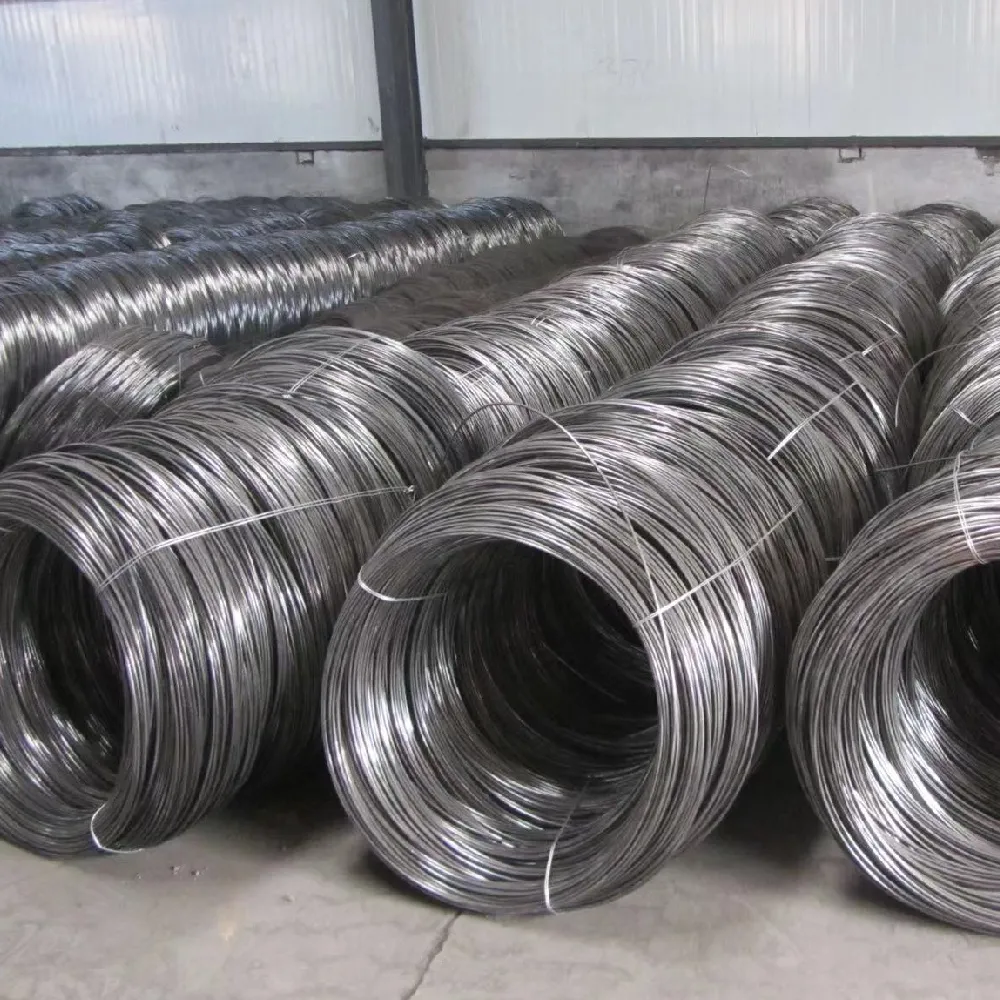
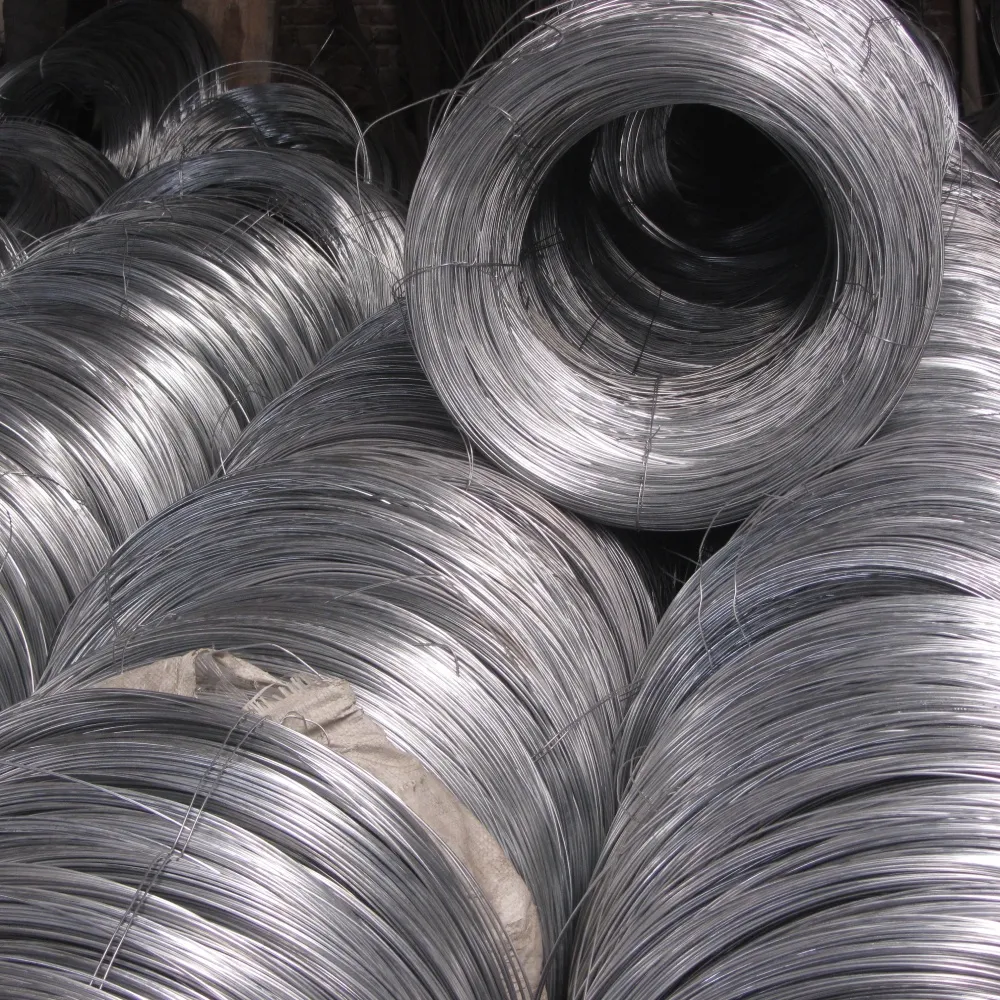
| Material | Galvanized steel wire (wire diameter 4-8mm) |
| Panel Size | 2.5m height × 3m width (custom options available) |
| Mesh Opening | 50mm × 50mm or 100mm × 100mm |
| Coating | Hot-dip galvanization and optional PVC coating |
| Finish | Powder-coated color options available |
Welded steel fences are everywhere—from securing high-security prisons to safeguarding wildlife preserves. Oddly enough, they're also vital in humanitarian contexts, providing a safe boundary for temporary settlements after natural disasters.
For example, in parts of Southeast Asia prone to flooding, governments utilize welded steel fences to protect critical infrastructure like water treatment plants. Similarly, industrial zones across Europe choose these fences to secure equipment without compromising aesthetics.
If you’re curious about industry-specific needs, [welded steel fence] solutions are tailored for removing vulnerabilities across various geographies.
| Feature | Vendor A | Vendor B | Vendor C |
|---|---|---|---|
| Wire Diameter | 5mm | 6mm | 4.5mm |
| Panel Size | 2.5×3 m | 2×2.5 m | 2.8×3 m |
| Coating | Galvanized + PVC | Hot-dip galvanized only | Powder-coated |
| Lead Time | 2 weeks | 3 weeks | 1.5 weeks |
| Custom Sizes | Available | Limited | Available |
The future of welded steel fencing intersects with green energy and smart technology. Imagine fences integrated with solar-powered lighting or IoT-enabled sensors to detect breaches in real-time. Meanwhile, new alloys and eco-friendly coatings are under research to further minimize environmental footprints.
This emerging digital transformation also answers a pressing need: quicker deployment combined with smarter management, making welded steel fences an even more vital asset.
No solution is without its challenges. Welded steel fencing can be heavier and more expensive upfront than alternatives. Transporting large panels to remote sites adds complexity. Corrosion remains a concern in high-salinity environments if proper coatings aren’t applied.
Experts recommend a customized approach: combining protective finishes tailored to local climate with modular design for easier logistics. Testing standards, like those from ISO, ensure product longevity and safety.
All in all, the welded steel fence represents a smart investment for those seeking a balance of durability, security, and long-term value. Its broad applicability, from industrial zones to humanitarian aid settings, makes it indispensable. If you’re looking to explore products or solutions tailored for your needs, visit our website, where quality meets experience.
Small takeaway: welded steel fences aren't just metal barriers; they're enduring protectors shaping safer environments around the world.
RELATED PRODUCTS





Top