Look, I've been running around construction sites for fifteen years, handling materials, and talking to engineers. Honestly, the biggest shift I've seen lately is everyone wanting… well, everything pre-fab. Modular this, container that. It's all about speed to market, right? But people forget, just because you can build something fast doesn’t mean you should. Especially when it comes to welded wire mesh for sale. It seems simple enough, but there’s a lot that can go wrong.
And it’s not just about speed, it's about getting the right stuff. You wouldn't believe the amount of 'welded wire mesh for sale' that’s out there that's just… flimsy. I saw a shipment come in from overseas last month, you could practically bend it with your hands. Waste of money, wasted time. It’s a race to the bottom sometimes, but you get what you pay for.
Anyway, I think people underestimate the importance of quality welded wire mesh for sale. It's the backbone of so many things, from security fencing to concrete reinforcement. It’s not glamorous, but it has to work.
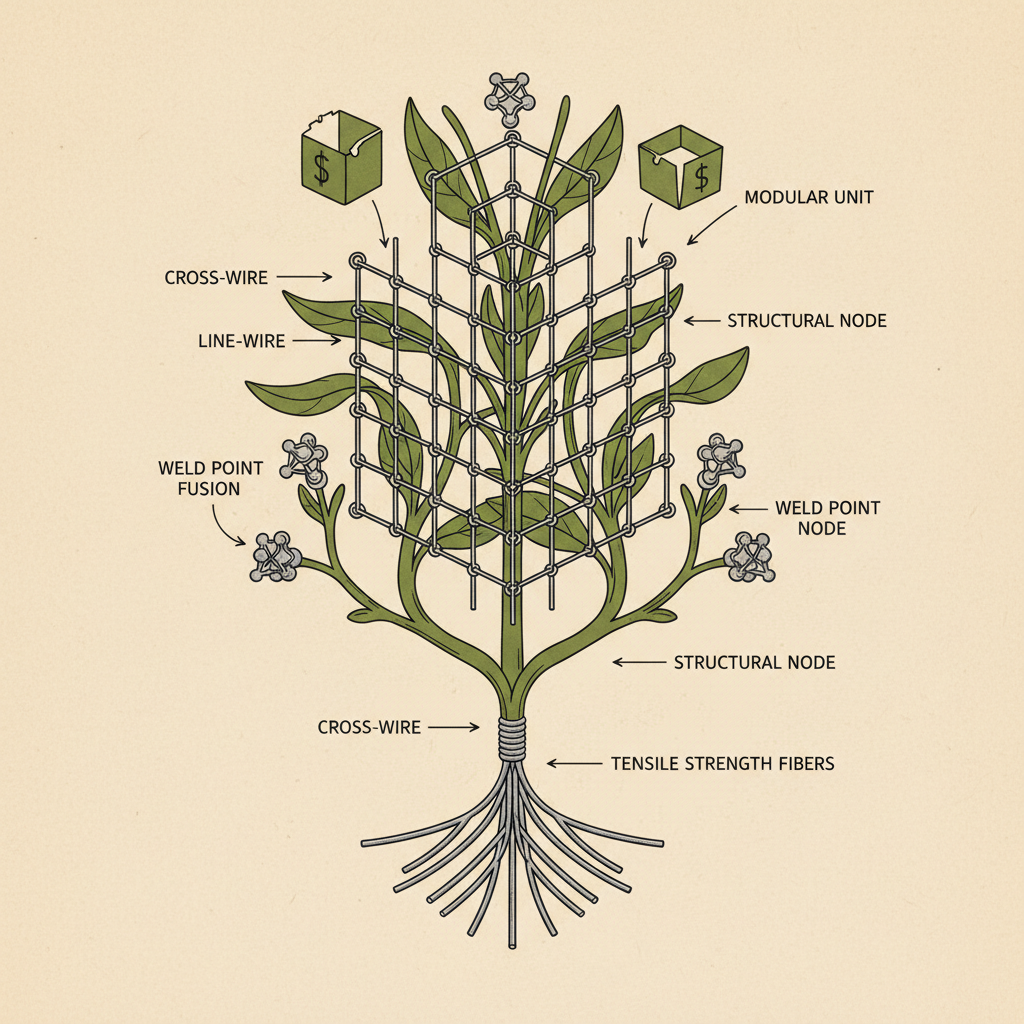
To be honest, the market's changed a lot. There's a huge demand, driven by infrastructure projects and, like I said, this whole pre-fab thing. But with that demand comes a lot of… let's call it 'compromise' on quality. Everyone's chasing the lowest price, and that often means thinner wire, weaker welds. I encountered this at a factory in Tianjin last time, they were passing off stuff that wouldn't even hold up to a moderate breeze. It's a problem.
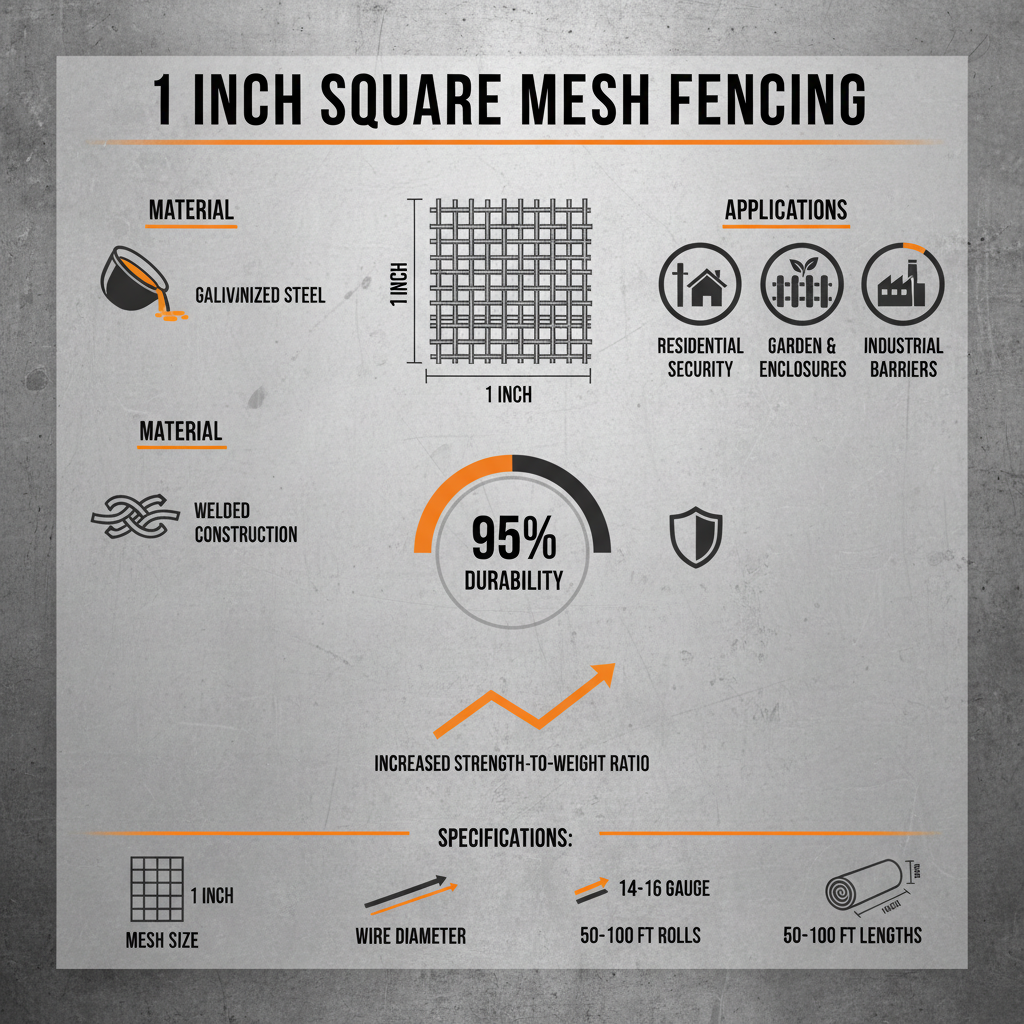
The demand for different coatings is up too - galvanized, PVC coated, even stainless steel in some cases. People are realizing they need something that’ll last, especially in coastal areas or harsh environments. And they’re starting to ask for specific mesh sizes, tighter tolerances… it’s getting more complicated.
Galvanized is coated in zinc, offering good corrosion resistance at a lower cost. Stainless steel is inherently corrosion-resistant but more expensive. For most applications, galvanized is sufficient, but if you're in a highly corrosive environment, like near saltwater, stainless steel is worth the investment. It's also a matter of aesthetics, really. Stainless looks fancier.
Measure the perimeter of the area you want to fence. Then, factor in the height of the fence. Add some extra for overlap and posts. It's always better to overestimate slightly than to run short. A good rule of thumb is to add 10% to your initial calculation. Don't forget to account for gate openings!
For small animals like rabbits or rodents, you'll want a mesh size of 1/2 inch or smaller. The smaller the mesh, the better the protection. But remember, a smaller mesh also means a higher cost. So, it’s a trade-off between cost and effectiveness. Consider the specific animal you're trying to keep out.
The lifespan of a galvanized fence depends on the environment. In a mild climate, it could last 10-15 years. In a harsh, coastal environment, it might only last 5-7 years. Regular maintenance, like cleaning and re-coating, can extend its lifespan. Keep an eye out for rust spots.
Yes, absolutely. You can use wire cutters or bolt cutters to cut it. Wear gloves and eye protection, though – the wire can be sharp. It’s easier to cut before you unroll it, if possible. Cutting it on site allows for adjustments to fit the specific contours of your project.
You can use hog rings, wire ties, or even zip ties, depending on the application. Hog rings are the most secure, but they require a special tool. Wire ties are easier to use, but not as strong. For temporary connections, zip ties will do. Just make sure to use UV-resistant zip ties if it's going to be exposed to sunlight.
So, there you have it. Welded wire mesh for sale isn’t glamorous, but it's a vital component in a huge range of projects. From the quality of the steel to the strength of the welds, it's all about the details. Knowing what to look for, understanding the potential pitfalls, and choosing the right material for the job can save you a lot of headaches down the road.
Ultimately, whether this thing works or not, the worker will know the moment he tightens the screw. That's what matters. And if you need good quality welded wire mesh for sale, you know where to find us. Check out our website at www.tikemetal.com






Top