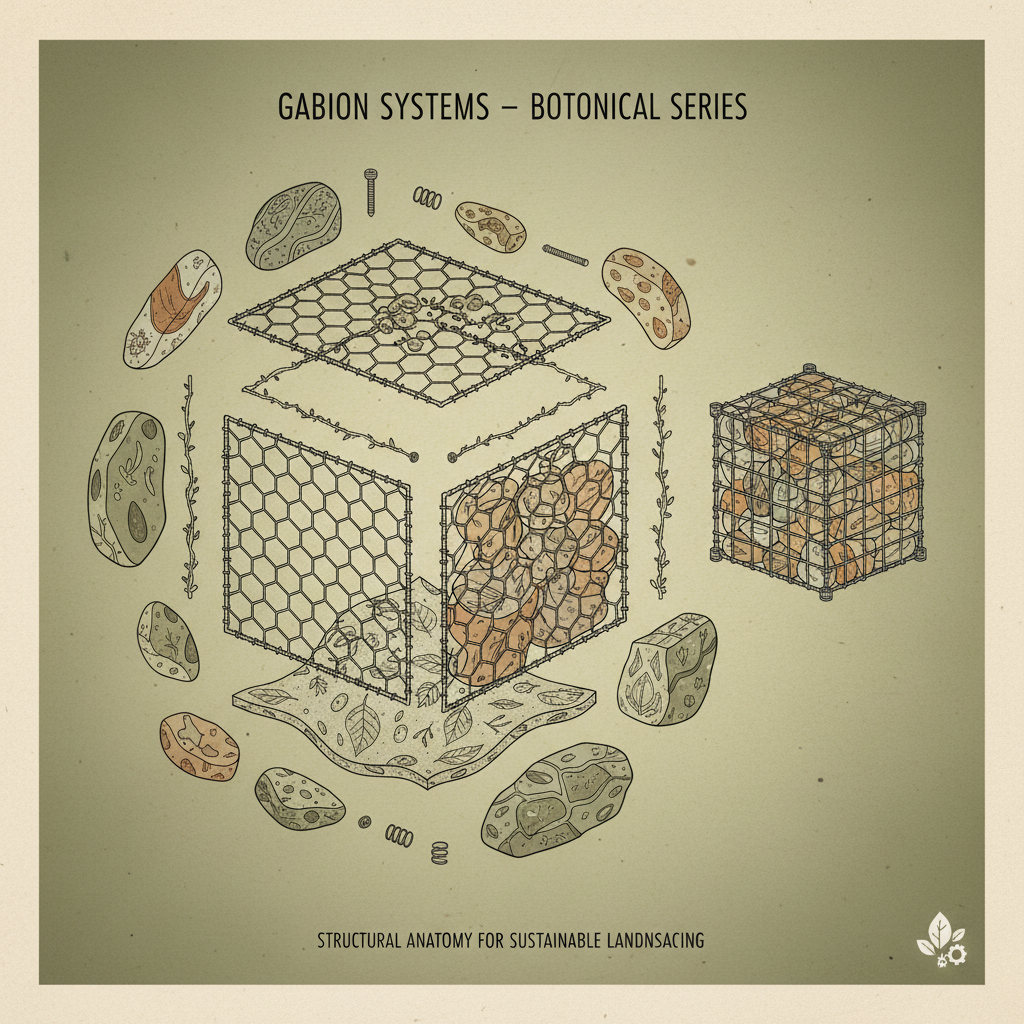
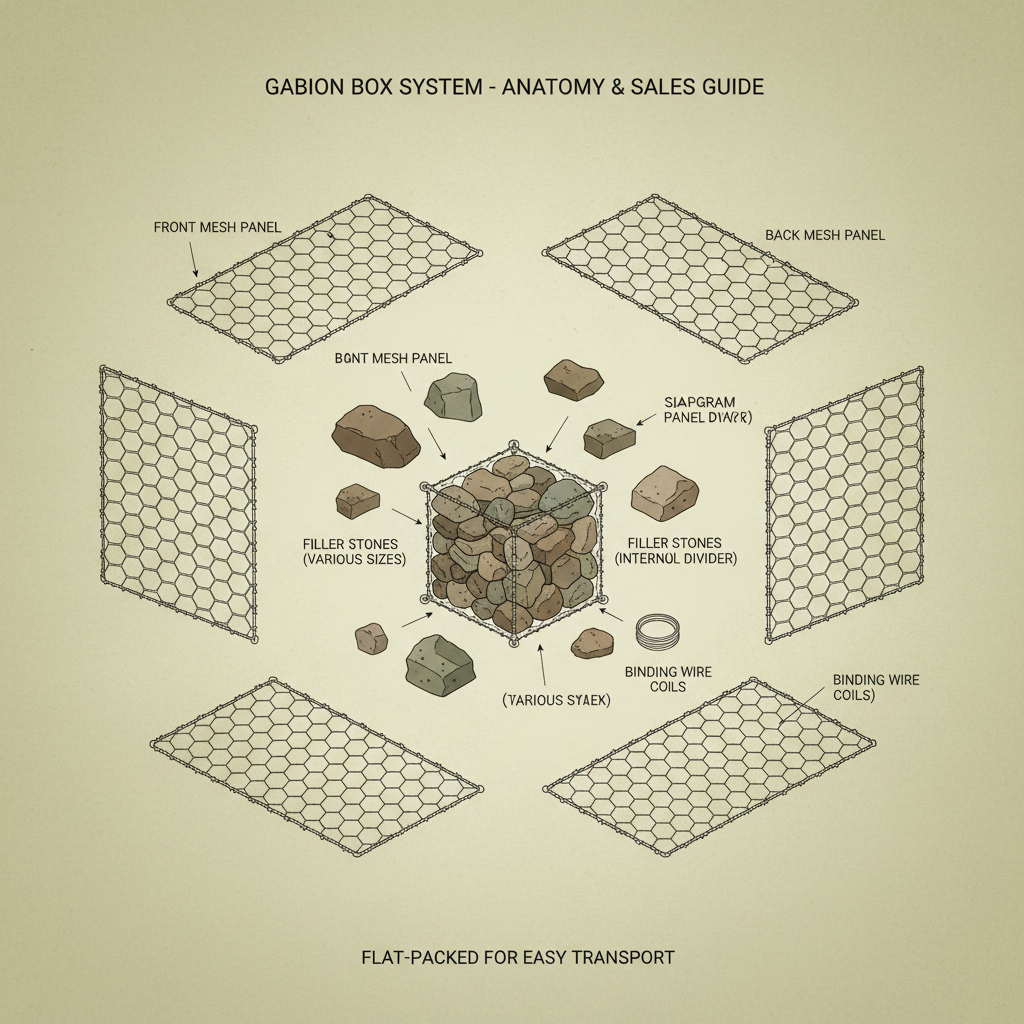
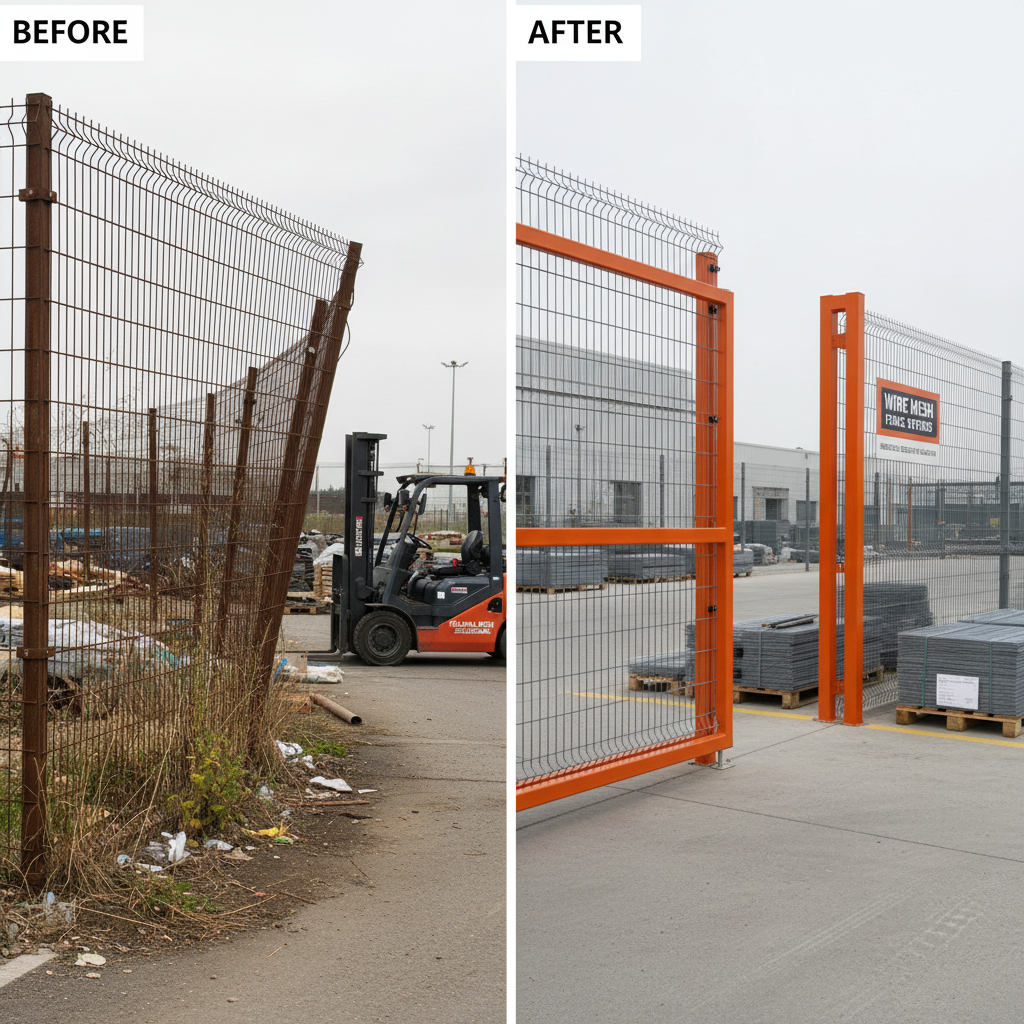
You know, lately everyone’s talking about prefabrication and modular construction. It’s all the rage, and honestly, it’s about time. We’ve been patching and praying on sites for too long. Everyone's chasing speed, cost savings… but I’ve seen too many shortcuts turn into headaches down the line. The biggest trend? Definitely more folks looking at gabion boxes for sale for everything from retaining walls to sound barriers. It’s not new, but the applications are getting more creative.
I’ve been on sites where they try to get too clever with the fill material. Thinking they can just chuck in anything. Don’t do it. Seriously. You need to consider drainage, settlement, the long-term load. I once saw a wall collapse because someone used demolition rubble without proper sorting. A mess, let me tell you. A total mess.
The demand is up, that’s for sure. Supply chains are still… interesting. Lead times are stretching, and the price of steel keeps bouncing around. It makes planning a nightmare, but what can you do? You just gotta roll with it.
The Current Landscape of gabion boxes for sale
To be honest, the market is flooded with options. You’ve got the standard welded wire mesh, woven wire mesh, even polymer gabions popping up. And the coatings! Galfan, PVC, epoxy… it can be overwhelming. I encountered a situation last time at a water treatment plant in Chongqing – they were specifying a particularly thick PVC coating because of the corrosive environment. Strangely, the initial quote was insane. But then we pushed back, looked at alternatives, and found a galvanized option that performed just as well and saved them a fortune. It's about understanding the long-term costs, not just the upfront price.
Have you noticed that everyone’s obsessed with ‘sustainable’ solutions now? Gabions, in theory, are pretty good on that front – permeable, allow for vegetation, utilize locally sourced materials. But then you get into the manufacturing process of the steel, the transportation, the whole carbon footprint thing. It’s complicated.
Design Pitfalls and Common Mistakes with gabion boxes for sale
I see this all the time. People underestimate the weight. Gabions filled with stone are heavy. Seriously heavy. You need proper foundations. I've seen retaining walls buckle because the geogrid wasn’t installed correctly, or the foundation was simply inadequate. Another big one? Ignoring drainage. If water gets trapped behind the wall, it builds up pressure and eventually… well, you get the picture. It’s not glamorous work, checking drainage, but it's essential.
And don’t even get me started on the corners. They're the weak points. You need to reinforce them properly with extra bracing and ties. A lot of suppliers try to skimp on this, but it’s where failures usually start.
Then there's the whole issue of facing. Some folks want a perfectly smooth, uniform look. But that’s often unrealistic, and expensive. You're dealing with natural stone! It’s going to have variations. Embracing that natural aesthetic often saves time and money.
Materials Used in gabion boxes for sale: A Hands-On Perspective
The wire mesh itself… you can tell a lot just by feeling it. A cheap mesh feels flimsy, the welds are sloppy. A good quality mesh feels solid, the welds are clean and consistent. You can even smell the galvanization. A strong, zincy smell is a good sign.
Then you’ve got the stone. Granite, limestone, basalt… they all have different properties. Granite is hard and durable, but expensive. Limestone is more affordable, but it can weather more quickly. Basalt is a good all-rounder. And you need to consider the gradation – the range of stone sizes. Too much fine material and you’ll have settlement issues. Too much large material and it’s harder to pack tightly.
Geotextiles… people forget about those. They’re crucial for preventing soil erosion behind the gabion wall. I once saw a geotextile that completely disintegrated after a year. A waste of money, and a lot of extra work for the crew.
Real-World Testing and Performance of gabion boxes for sale
Look, lab tests are fine, but they don’t tell the whole story. I prefer to see how these things perform in the real world. We did a pull-out test on a project in Xinjiang. Literally, hooked a crane to a gabion basket and pulled. It held. A lot more informative than any spreadsheet.
Another thing we do is monitor settlement over time. Use survey equipment to track how much the wall moves. You want to see minimal settlement, of course. Anything more than a few millimeters and you need to investigate.
Gabion Box Performance Metrics
Actual Usage Scenarios of gabion boxes for sale
Retaining walls are the obvious one, but I’ve seen them used for everything from erosion control on riverbanks to sound barriers along highways. They’re great for creating tiered landscapes, too. And increasingly, people are using them for architectural features – decorative walls, seating areas. It's a bit of a trend, frankly.
I also worked on a project where they used gabions to reinforce a slope after a landslide. It was a tight space, difficult access, and gabions were the only practical solution. They’re surprisingly versatile.
Advantages and Disadvantages of gabion boxes for sale
Advantages? Permeability is huge. Allows water to drain through, preventing hydrostatic pressure buildup. They’re flexible, so they can conform to ground movement. Relatively easy to install – no specialized equipment needed. And, as I said before, they can be locally sourced. But… they’re not perfect. They can be susceptible to vandalism, they can rust if not properly coated, and the initial cost can be higher than some other options.
I’ve also found that some clients complain about the aesthetics. They want a clean, modern look, and gabions… well, they look like rocks in a cage. It’s a matter of taste, I guess.
Anyway, I think the biggest disadvantage is that people often underestimate the amount of labor involved in filling them. It’s back-breaking work.
Customization Options for gabion boxes for sale
You can customize almost anything. Size, shape, wire gauge, coating… you name it. I had a client last month, a small boss in Shenzhen who makes smart home devices, insisted on changing the interface to . For a gabion basket. Said it would “align with his brand.” The result was a total pain to source connectors and a significantly higher cost. Don’t ask.
But more realistically, you can play with the infill material. Use different colored stone, incorporate wood or recycled materials. You can even plant vegetation within the gabions to create a living wall. It’s all about creativity and meeting the client’s needs.
Summary of Gabion Box Customization Aspects
| Customization Category |
Impact on Cost |
Complexity of Implementation |
Typical Application |
| Mesh Type (Welded vs. Woven) |
Low to Moderate |
Low |
General Retaining Walls |
| Coating Material (Galfan, PVC, Epoxy) |
Moderate to High |
Low |
Corrosive Environments |
| Basket Size and Shape |
Low |
Moderate |
Architectural Features |
| Infill Material (Stone Type, Color) |
Moderate to High |
Low |
Aesthetic Enhancement |
| Geotextile Liner |
Low |
Low |
Erosion Control |
| Internal Bracing and Ties |
Low to Moderate |
Moderate |
High Load Applications |
FAQS
Honestly, it depends. A properly designed and installed gabion wall, with good quality materials, can easily last 50-100 years. But neglect drainage, use poor-quality stone, or skip the geotextile, and you're looking at a much shorter lifespan. It really comes down to proper maintenance and construction. It's not a 'set it and forget it' solution.
Yes, they can. Their flexibility is actually an advantage in seismic zones. They can absorb some of the energy from an earthquake without collapsing, unlike rigid structures. However, you need to design them specifically for seismic loads, with proper bracing and foundation. It’s not just slapping a few baskets together and hoping for the best.
It depends on your budget and the specific application. Granite is the most durable, but it's also the most expensive. Limestone is a good compromise, but it’s more susceptible to weathering. Basalt is a good all-rounder. The key is to use stone that is dense, angular, and free of contaminants. And make sure it’s properly graded – a mix of sizes is best.
Galvanization is the first line of defense. But for particularly harsh environments – saltwater, industrial areas – you might need to use a heavier coating, like Galfan or PVC. Regularly inspect the mesh for signs of corrosion and repair any damage promptly. Proper drainage is also crucial – standing water accelerates corrosion.
They can be, but it's not a simple yes or no. They use a lot of steel, which has a carbon footprint. But they also allow for drainage, support vegetation, and can utilize locally sourced materials. The environmental impact depends on the entire lifecycle – from manufacturing to installation to disposal. It’s about making informed choices.
Underestimating the weight. Seriously. People think they're just stacking rocks. They're not. They're building a structure that can weigh tons. You need a proper foundation, adequate drainage, and skilled labor. I've seen too many walls fail because someone tried to cut corners.
Conclusion
Ultimately, gabion boxes for sale offer a versatile and cost-effective solution for a wide range of engineering challenges. They’re not a magic bullet, but when properly designed, installed, and maintained, they can provide a durable and sustainable structure. It’s about understanding the materials, the mechanics, and the environment.
But here's the thing – all the calculations, all the specifications, all the fancy software… they don't mean a thing if the worker on-site doesn’t know what they’re doing. Ultimately, whether this thing works or not, the worker will know the moment he tightens the screw.