When someone says metal mesh supplier, they're not just talking about someone who sells wire screens or fencing. It’s arguably a cornerstone of manufacturing, construction, and even humanitarian sectors worldwide. Frankly, the humble metal mesh plays a huge role in everything from protecting infrastructure to supporting sustainable resource use. Getting a grip on this subject helps us appreciate how this relatively simple product contributes to resilience, innovation, and global trade.
Did you know that the global wire mesh market is expected to grow steadily, driven by construction booms and industrial growth in Asia-Pacific and Europe? According to recent ISO standards and data from the World Bank, urbanization and infrastructure development are rallying increased demand for metal fabrications, including meshes. This means the role of a metal mesh supplier has shifted from a simple commodity vendor to a strategic partner in global supply chains.
But there’s also a challenge here: supply chains are vulnerable, and quality control varies widely. Countries relying heavily on imported metal mesh components face risks if suppliers aren’t vetted or standards aren’t met. This shines a spotlight on trustworthy metal mesh suppliers who can deliver consistent quality under pressure.
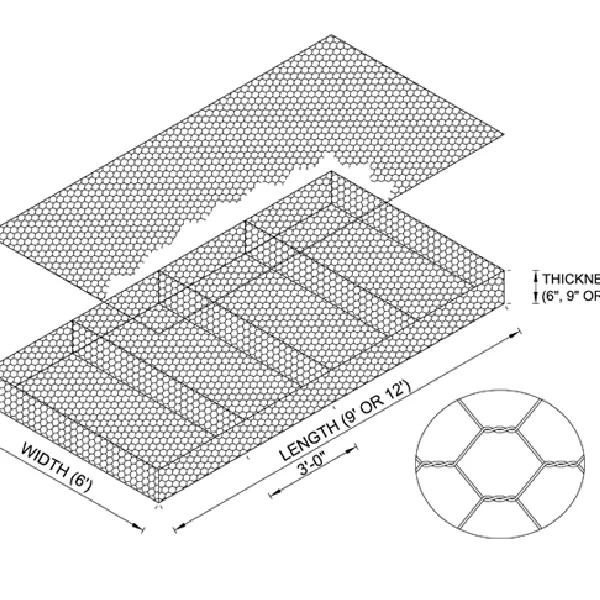
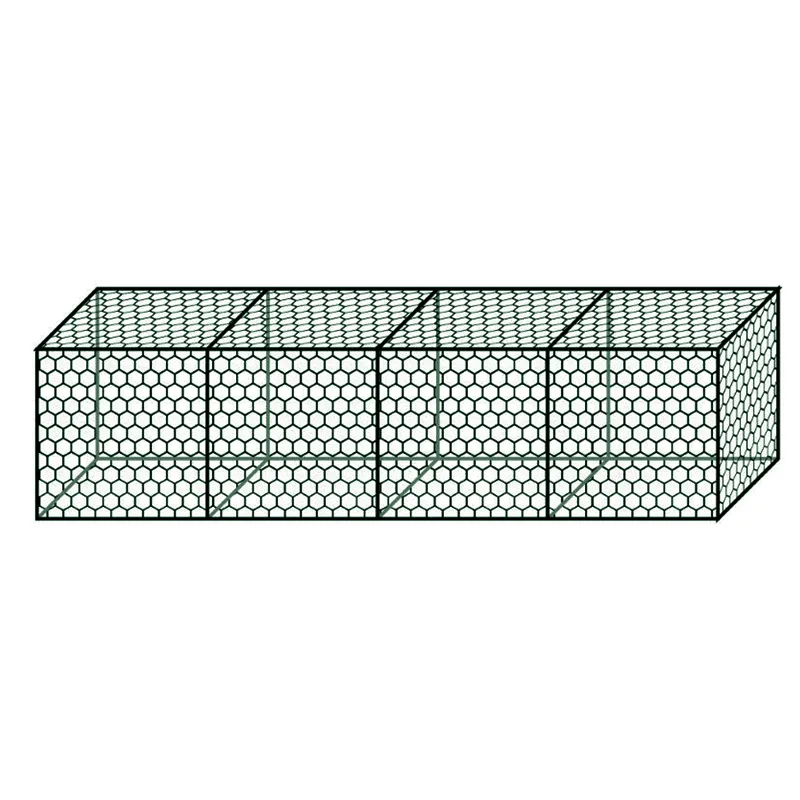
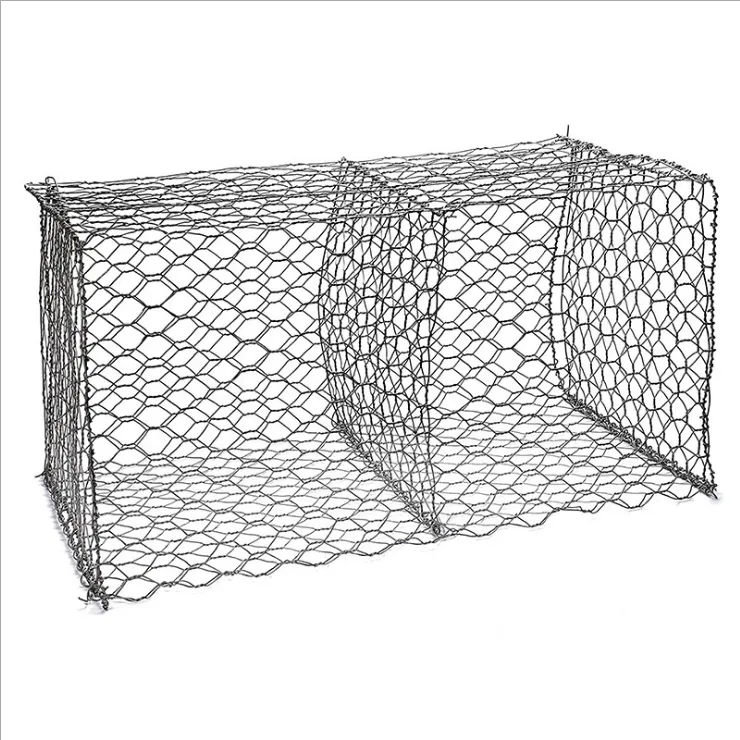
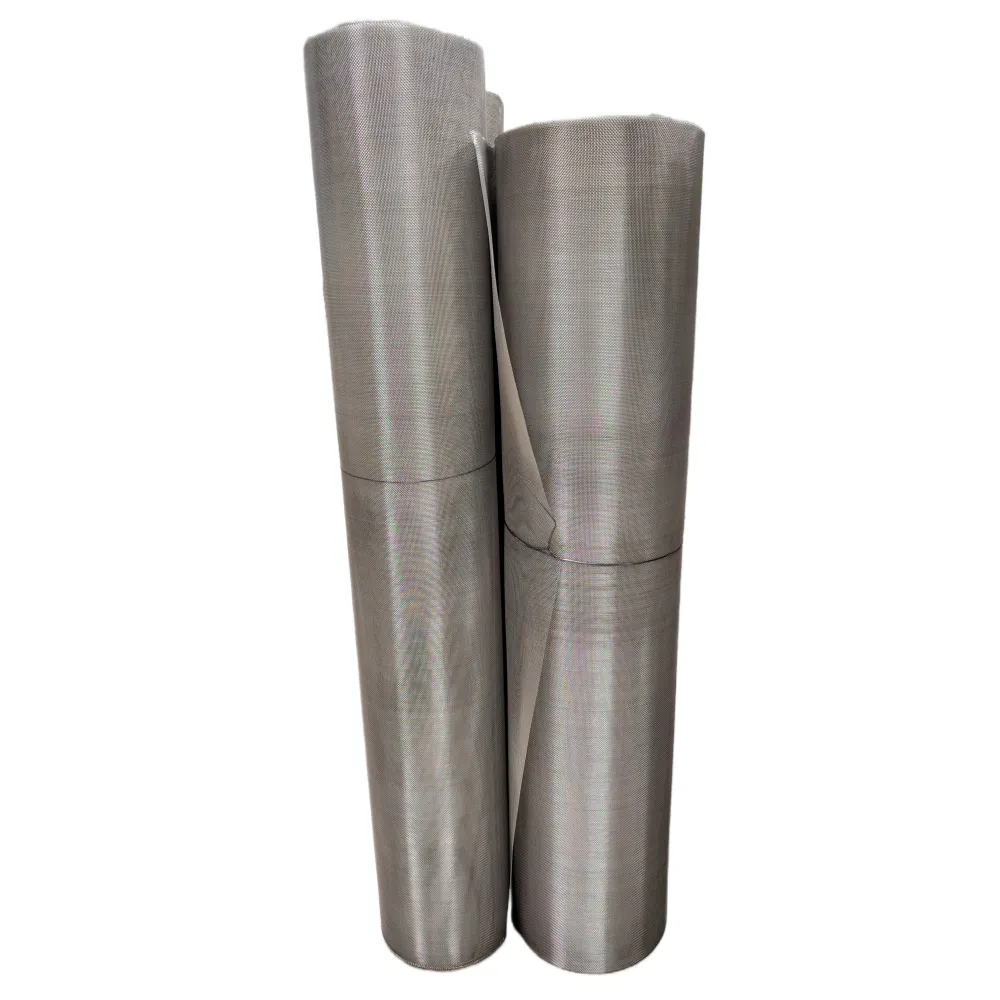
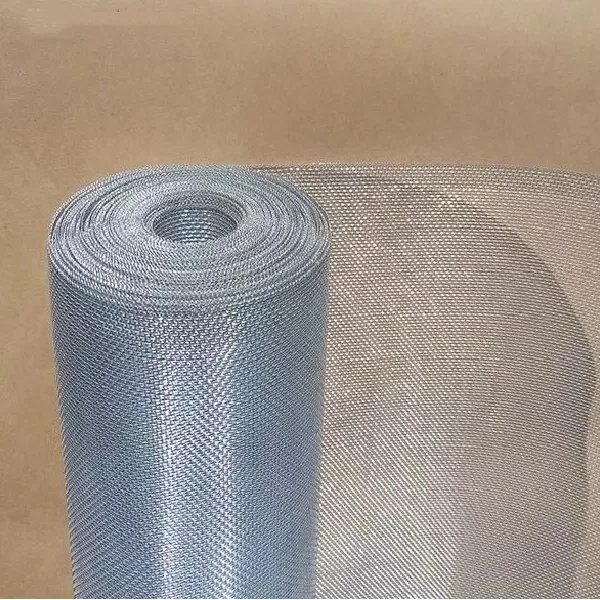
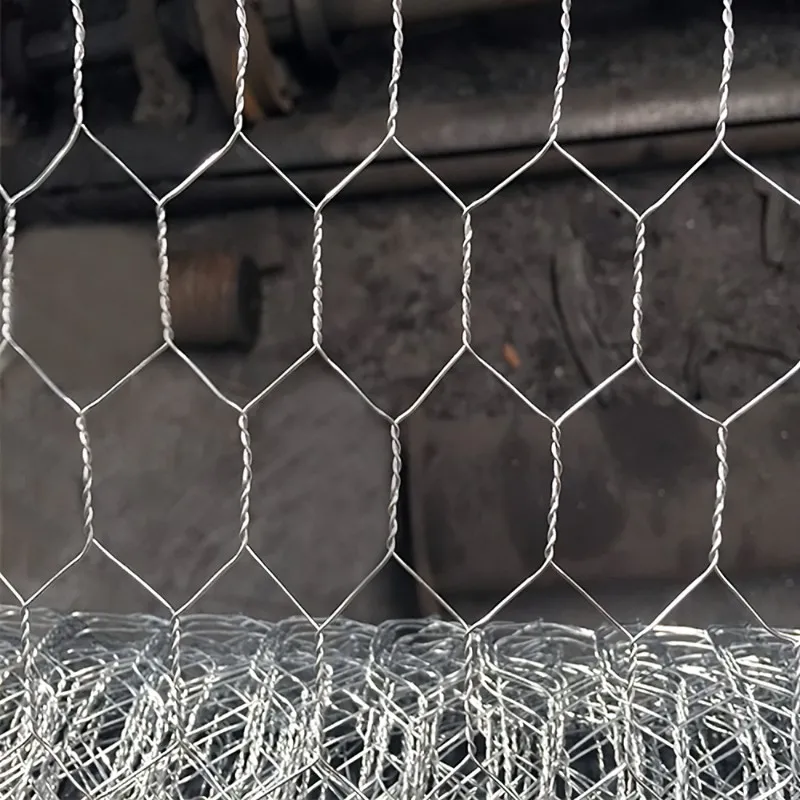
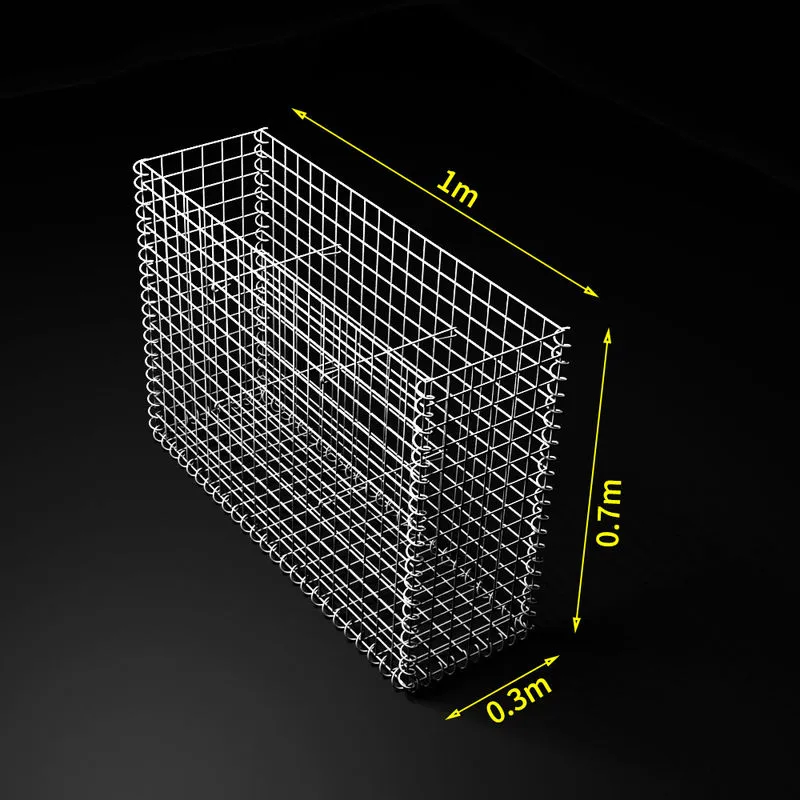
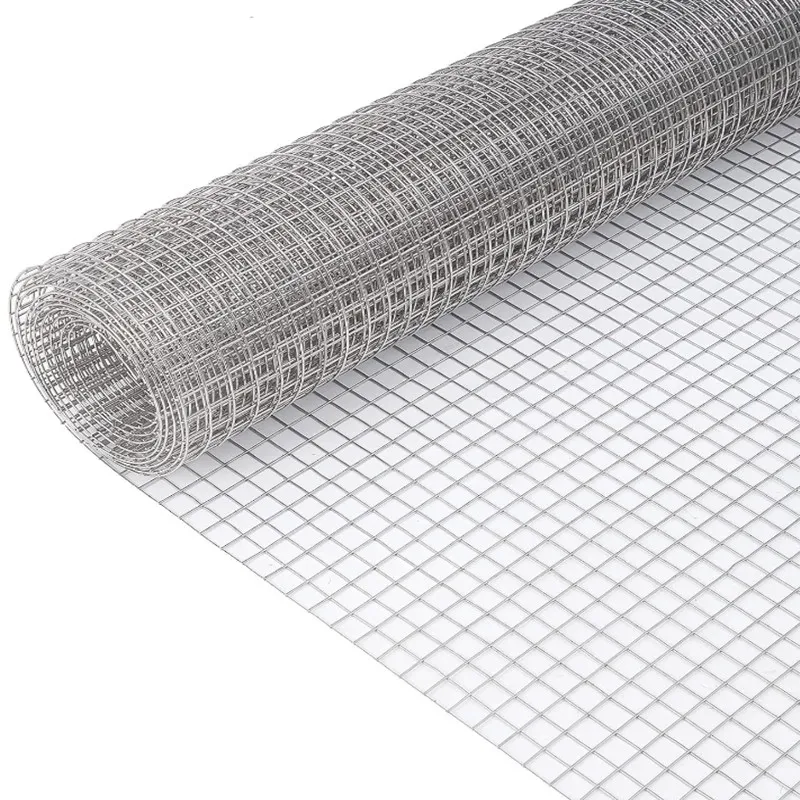
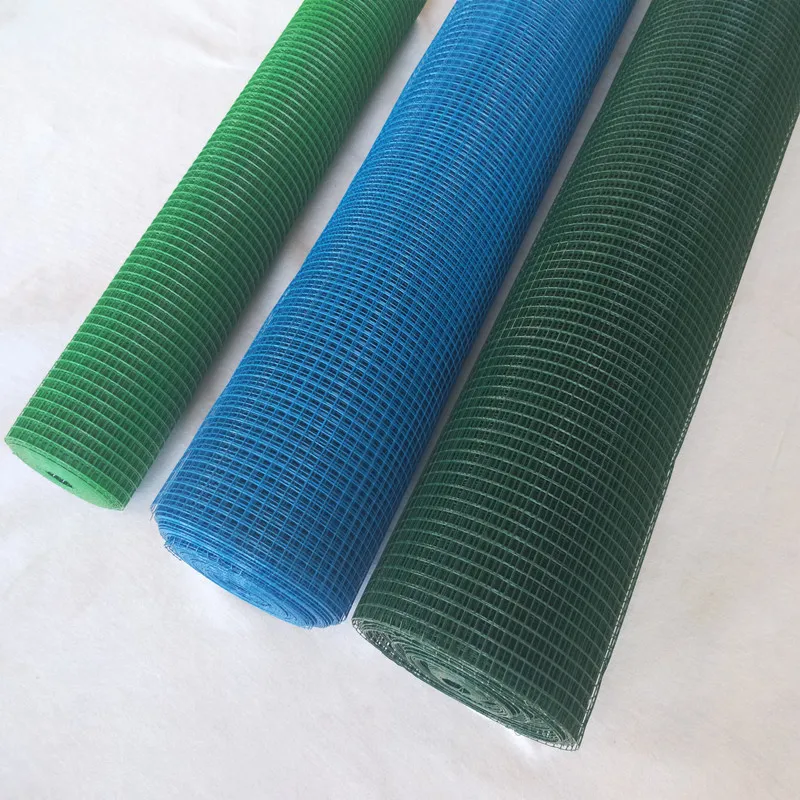
Simply put, a metal mesh supplier provides woven, welded, or expanded metal meshes made from materials like stainless steel, galvanized steel, or aluminum. These meshes come in different gauges, weave patterns, and finishes to match a variety of industrial needs.
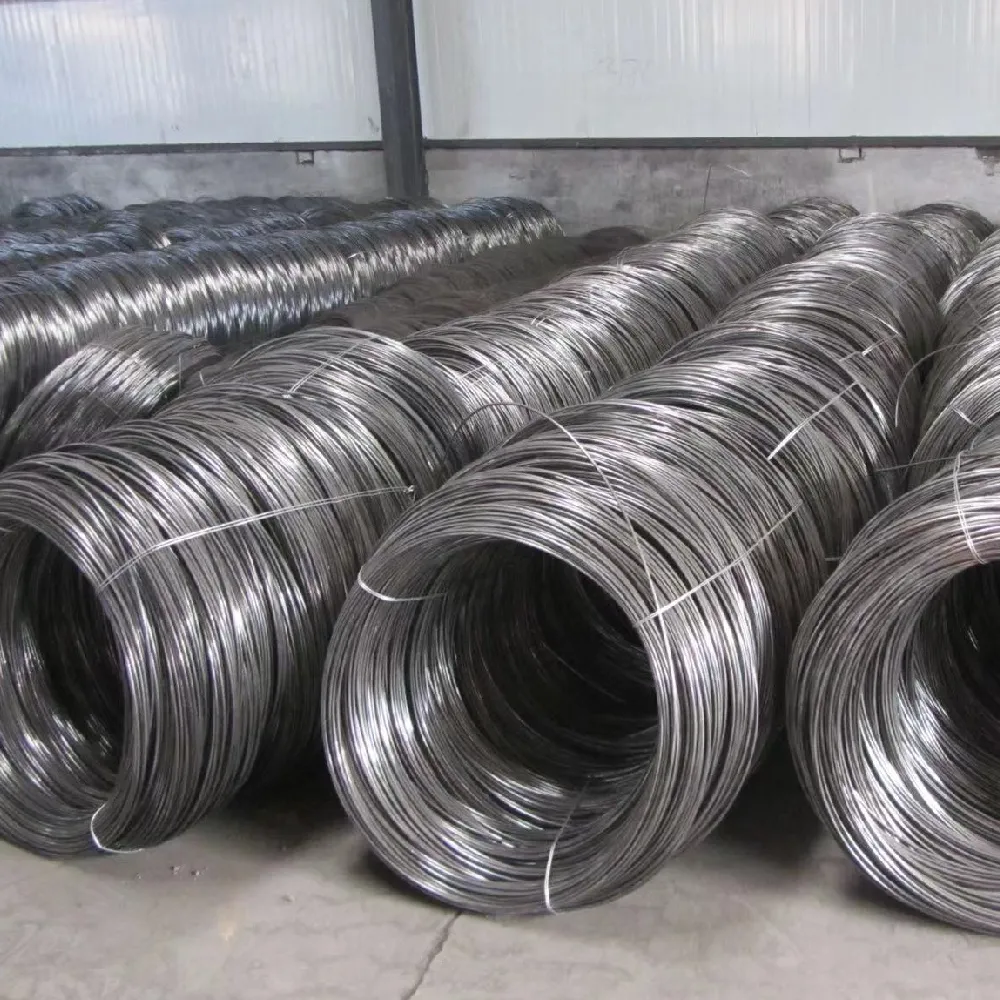
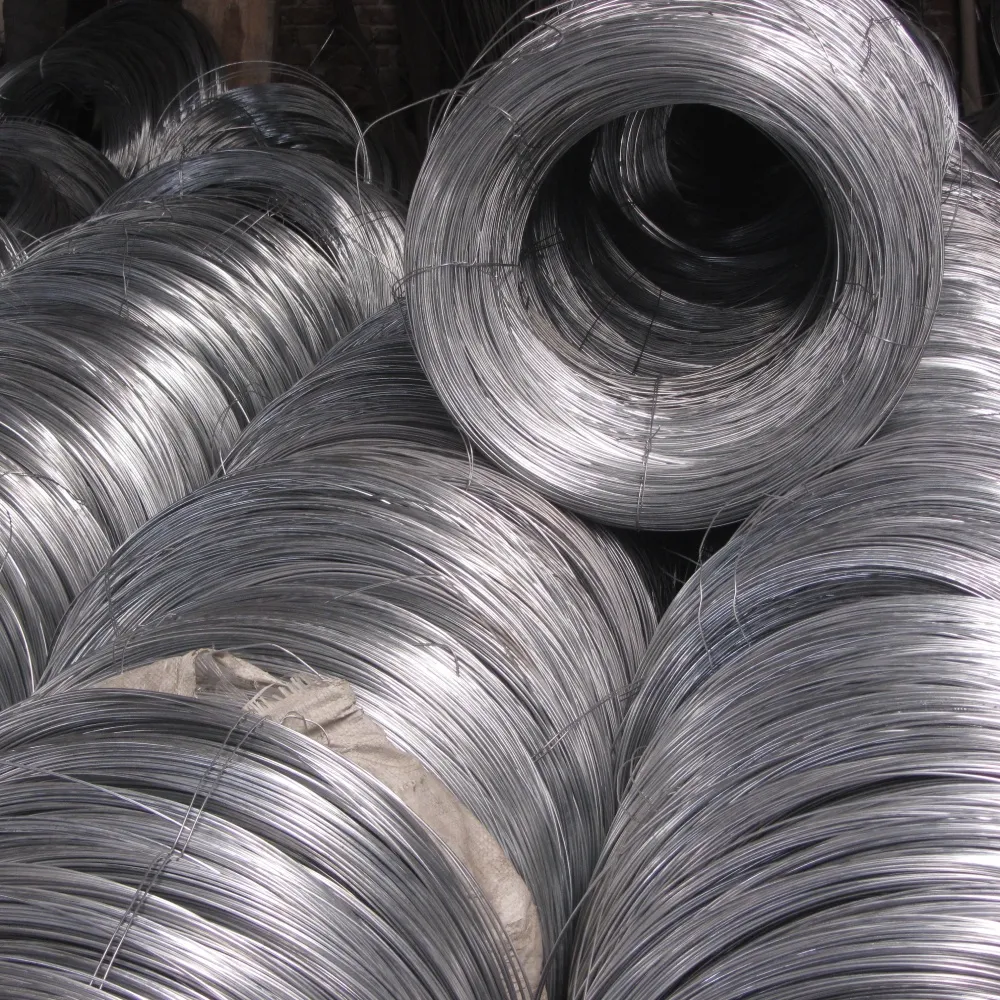
Their connection to modern industry? They are the unsung mediums through which filtration systems, safety barriers, reinforcement in construction, and even art installations come alive. Think of a metal mesh supplier as a key link between raw metals and end-use applications that require precision and durability.
Wire thickness, metal grade, and corrosion resistance collectively shape performance. For instance, marine environments demand higher-grade stainless steel to avoid rust.
Whether a project calls for a few panels or massive industrial rolls, a dependable supplier has the machinery and logistics to scale production without delays.
Mesh suppliers often provide custom sizes, aperture designs, and finishes tailored to filtration needs, architectural aesthetics, or security specifications.
Balancing upfront costs against lifespan and maintenance is crucial. Some suppliers supply in bulk with volume discounts, others specialize in high-end customized solutions.
Adherence to ISO standards, RoHS compliance, and other certifications assure quality and legal compliance across markets. This is often overlooked but critical for export and industrial usage.
Mini takeaway: Choosing the right supplier isn’t just about price; it’s about durability, dependability, and compliance that fit with your particular project needs.
Oddly enough, supply from trusted metal mesh suppliers supports emergency humanitarian projects globally—from remote African villages requiring secure water filtration systems to urban redevelopment projects in Europe needing sustainable fencing solutions.
Reliability and quality ease maintenance burdens. Sustainable sourcing reduces environmental footprint while enhancing social impact—after all, materials that last translate to less waste.
On an emotional note, safety and durability foster trust. People working inside facilities secured by robust metal mesh feel protected, often without even thinking about it. It’s like having a quiet guardian.
Financially, efficient supplier relationships lower total cost of ownership and prevent costly downtime or replacements.
| Specification | Description | Typical Values |
|---|---|---|
| Material | Common metals used | Stainless steel (304, 316), galvanized steel, aluminum |
| Mesh Size | Aperture dimension | 0.5 mm – 100 mm (customizable) |
| Wire Diameter | Thickness of wire strands | 0.2 mm – 5 mm |
| Surface Treatment | Protective coatings | Galvanized, PVC coated, anodized |
| Weight | Density per m² | 0.5 kg – 10 kg (varies by mesh size and wire thickness) |
| Supplier | Product Range | Lead Time | Certifications | Pricing |
|---|---|---|---|---|
| Tike Metal | Wide, highly customizable | 2-4 weeks | ISO 9001, RoHS | Mid-range, volume discounts |
| Global Mesh Co. | Standard sizes | 4-6 weeks | ISO 9001 | Competitive, less flexible |
| NextGen Metals | Premium, specialty metals | 1-3 weeks | ISO 14001, REACH | Higher price, high quality |
You might be surprised, but the industry is moving towards more sustainable materials and automated production lines. Green energy solutions paired with digital transformation—think IoT-enabled traceability and automated quality checks—are becoming the norm. Suppliers are exploring biodegradable coatings and ultra-lightweight alloys, which could revolutionize sectors like aerospace and eco-conscious construction.
Supply chain disruptions and price volatility of raw metals remain ongoing concerns. Then there’s the technical challenge—ensuring customization without delaying delivery. Many companies now turn to nearshoring and digital inventory platforms to tackle these. For example, Tike Metal offers real-time stock updates and has stock hubs across continents, which frankly reduces lead times and risk.
Understanding the nuances of what a metal mesh supplier offers enables smarter, more sustainable choices across industries and geographies. From boosting safety to driving innovation, the right metal mesh supplier is more than a transactional partner—they're a foundation for long-term success.
Ready to explore top-quality meshes tailored to your needs? Visit https://www.tikemetal.com for expert advice and trusted products.
This overview doesn’t cover every single detail, but hopefully it gives you a solid base to dive deeper.
Quick takeaway: Metal mesh is simple yet essential—choose your supplier wisely, and you’ll build better projects with less hassle.
RELATED PRODUCTS





Top