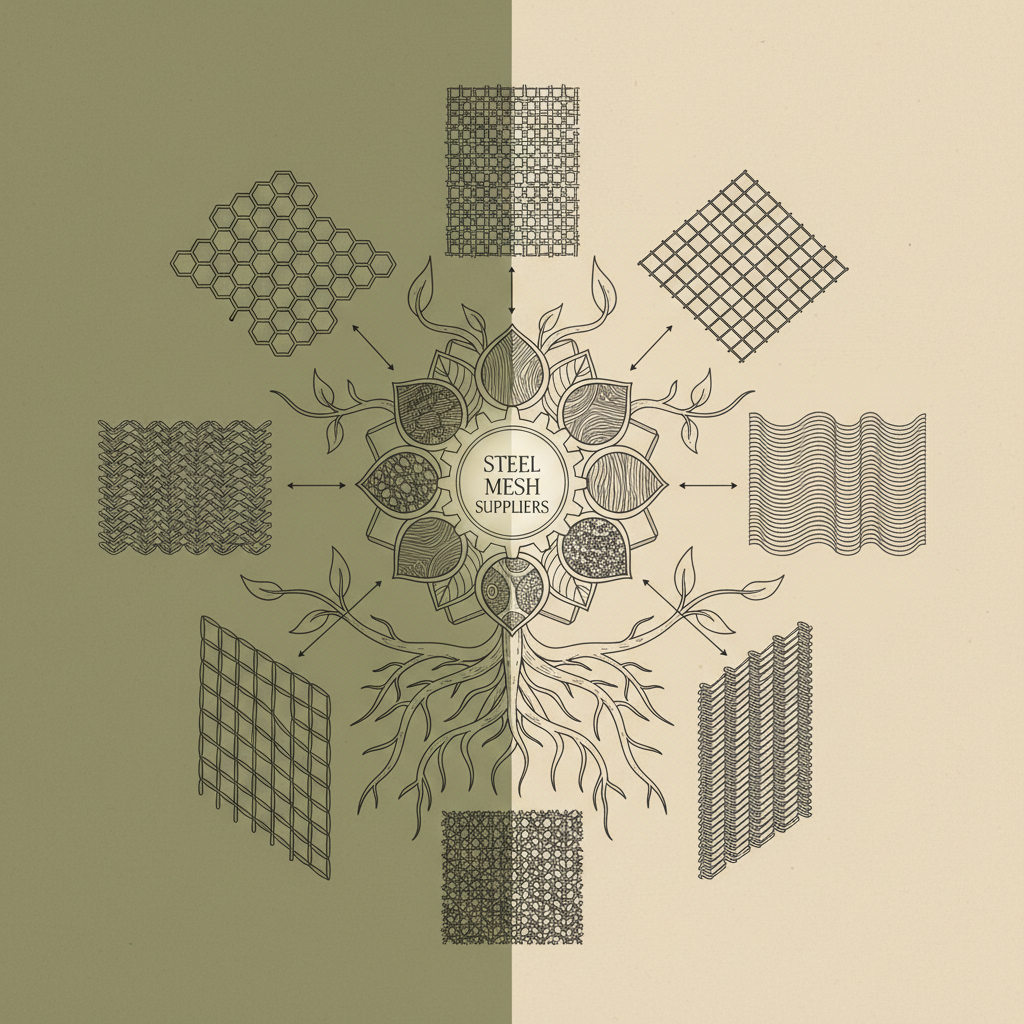
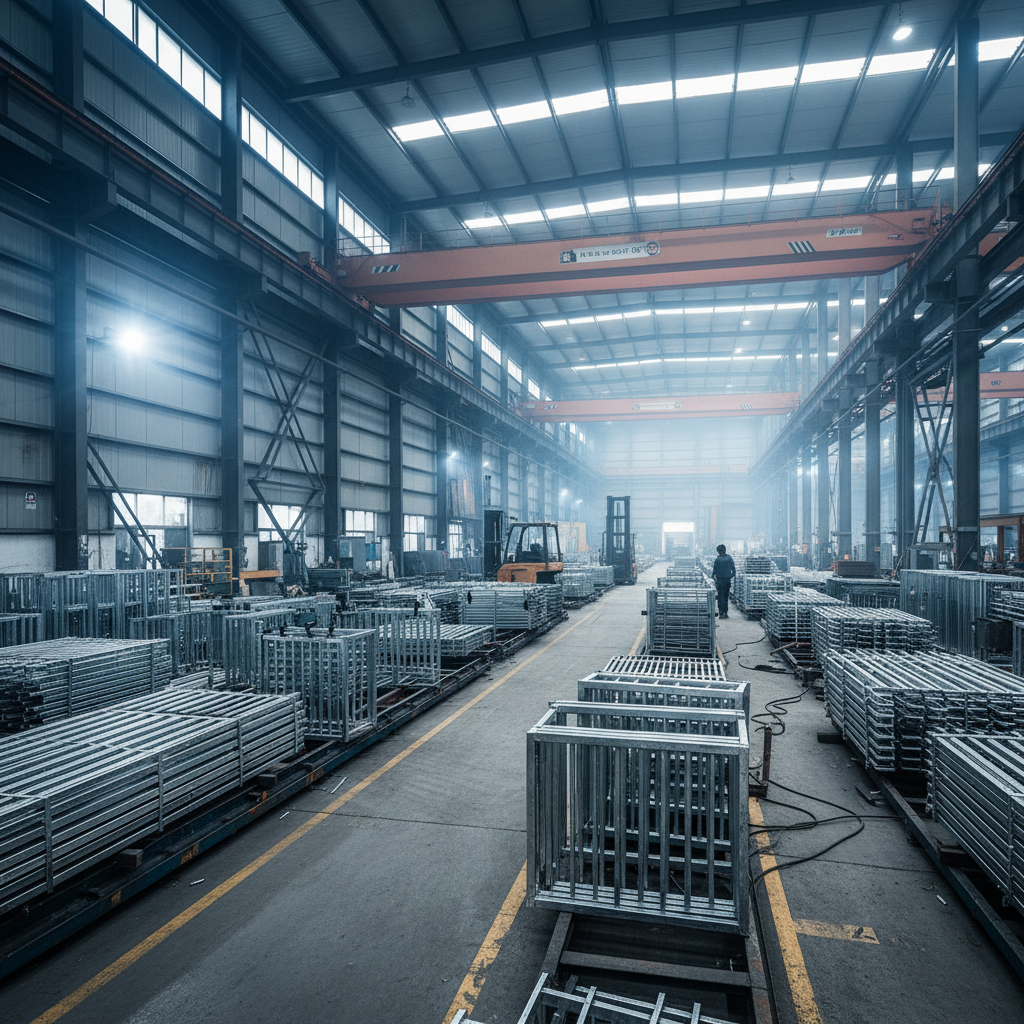
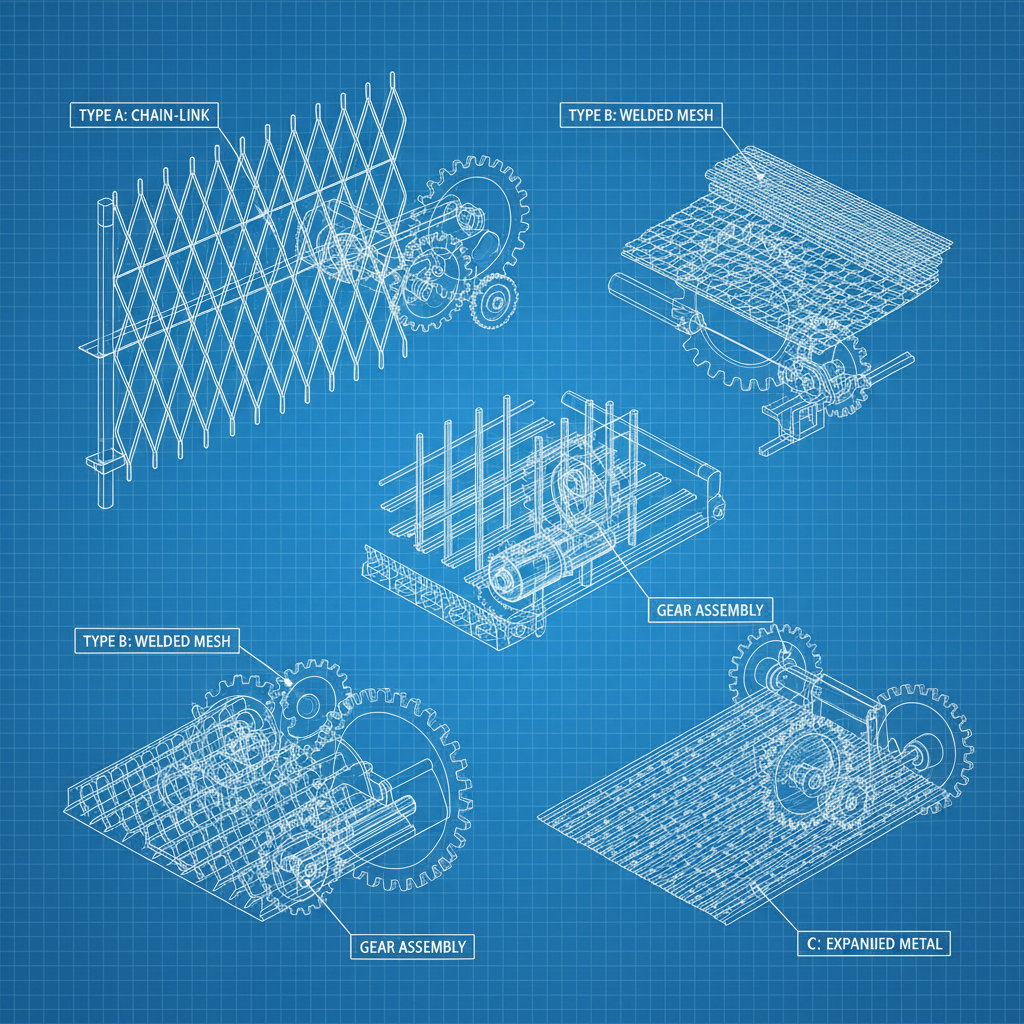
Finding a reliable wire netting company is essential for industries ranging from large-scale agriculture and civil engineering to high-security urban infrastructure. Wire netting serves as the invisible backbone of safety and containment, providing critical boundaries that protect assets and ensure operational efficiency across the globe.
In the modern industrial landscape, the role of a professional wire netting company extends beyond simple manufacturing; it involves precise engineering of materials to withstand extreme environmental stressors. Whether it is the installation of Gabion boxes for erosion control or the deployment of 358 Anti Climb Fences for high-security zones, the quality of the mesh determines the longevity of the project.
Understanding the technical nuances of different wire coatings—such as hot-dipped galvanization versus PVC coating—allows businesses to optimize their investments. By partnering with an experienced wire netting company, clients can navigate the complexities of material science to find solutions that balance cost, durability, and regulatory compliance.
Global Industry Context of Wire Netting Solutions
The global demand for specialized fencing and mesh solutions is driven by rapid urbanization and an increased focus on critical infrastructure protection. According to international trade standards and ISO certifications, the precision of wire diameter and the integrity of welds are paramount in preventing structural failures in high-stress environments. A leading wire netting company must adhere to these global benchmarks to ensure that products like the Double Wire Fence or Steel Grating can perform reliably in diverse climates.
One of the primary challenges facing the industry today is the balance between strength and corrosion resistance. In coastal regions or industrial zones with high salinity and acidity, standard steel degrades rapidly, leading to costly replacements. This has pushed the industry toward advanced hot-dipped galvanizing and PVC coating processes, transforming the simple act of "making a fence" into a sophisticated chemical and mechanical engineering process.
Defining the Modern Wire Netting Company
In simple terms, a wire netting company is a specialized manufacturer that transforms raw steel, stainless steel, or iron wire into structured grids, meshes, and fences. While the output may seem straightforward, the process involves complex drawing, weaving, and welding techniques. These companies provide the essential hardware for everything from livestock management (Cattle Fences) to sophisticated civil engineering projects (Reno Mattresses and Gabion Boxes).
Beyond manufacturing, a modern wire netting company acts as a technical consultant. They analyze the specific needs of a site—such as wind load, soil stability, and security threats—to recommend the right product. For instance, choosing between a Chain Link Fence and a Nylofor 3D Fence isn't just about aesthetics; it's about calculating the required tensile strength and the level of deterrent needed for the specific perimeter.
This connection to modern industry is vital for humanitarian and developmental needs as well. In disaster-prone areas, the rapid deployment of welded wire mesh for retaining walls or temporary security fencing helps stabilize regions and protect displaced populations, proving that the output of a wire netting company is often a critical component of public safety.
Core Components of High-Quality Wire Mesh
Durability is the cornerstone of any product leaving a reputable wire netting company. This is achieved through rigorous material selection, where high-carbon steel is often used for security fences to prevent cutting, and stainless steel is utilized for insect screens or industrial filters where hygiene and chemical resistance are non-negotiable.
Scalability and versatility are also key. A professional wire netting company offers a spectrum of aperture sizes and wire gauges, allowing the same core technology to be used for something as delicate as a Chicken Cage or as heavy-duty as an Anti Blast Defence Gabion. This flexibility ensures that the product can be scaled from a small residential garden to a massive industrial quarry.
Finally, cost-efficiency is balanced with long-term reliability. By optimizing the galvanization process, a wire netting company can extend the lifespan of a fence from 5 years to 25 years, drastically reducing the total cost of ownership for the end-user. This focus on life-cycle value over initial price is what separates industrial-grade netting from consumer-grade alternatives.
Global Applications and Use Cases
The practical applications of these products are seen worldwide. In the mining and construction sectors of Australia and Canada, AU Temporary Fences and Steel Gratings are used to secure hazardous sites and provide safe walkways for workers. In the agricultural heartlands of the Midwest or Southeast Asia, Livestock Panels and Hexagonal Wire Mesh are indispensable for managing herds and protecting crops from wildlife.
In high-security urban environments, such as airports or government facilities, the 358 Anti Climb Fence is the gold standard. This specific product, designed by a specialized wire netting company, eliminates finger-holds and toe-holds, making it nearly impossible to scale without heavy equipment. Similarly, in flood-prone riverbanks in Europe, Welded Gabions and Reno Mattresses are used to prevent soil erosion, blending engineering with environmental preservation.
Performance Ratings of Wire Netting Solutions
Tangible Advantages and Long-Term Value
Investing in products from a certified wire netting company provides peace of mind through guaranteed safety and reliability. The emotional value of knowing a perimeter is secure or a slope is stabilized cannot be overstated, especially in industrial zones where a single breach can lead to significant financial loss or safety hazards.
From a sustainability perspective, the long lifespan of galvanized and stainless steel meshes reduces the frequency of replacement, thereby lowering the carbon footprint associated with steel production and transport. The use of recyclable materials ensures that at the end of its lifecycle, the netting can be repurposed, aligning with global green building initiatives and circular economy goals.
Future Trends and Material Innovations
The future of the wire netting company is being shaped by the integration of "smart" materials and automated production. We are seeing the rise of high-tensile alloy wires that offer the strength of steel with a fraction of the weight, allowing for easier installation in remote areas. Additionally, the use of robotic welding is increasing precision and consistency, eliminating human error in the weld joints of Expanded Metal Mesh and Perforated Metal Mesh.
Sustainability is also driving innovation in coatings. Beyond traditional PVC, new eco-friendly polymer coatings are being developed that offer superior UV resistance without releasing harmful chemicals into the soil. This is particularly important for products like PVC Coated Hexagonal Gabions used in sensitive aquatic ecosystems.
Digital transformation is also hitting the factory floor. Advanced ERP systems now allow customers to customize their mesh specifications—down to the millimeter—and track the production process in real-time. This transparency builds trust and ensures that the final product arriving at the site perfectly matches the engineering drawings.
Overcoming Common Industry Challenges
One of the most persistent challenges in the industry is "zinc creep" or premature corrosion in low-quality galvanized products. Many buyers encounter fences that rust within two years despite being sold as "galvanized." A professional wire netting company solves this by implementing strict salt-spray testing and ensuring the zinc coating thickness meets ASTM or EN standards.
Another challenge is the logistical difficulty of transporting bulky items like large Gabion Boxes or heavy Steel Fences. To overcome this, innovative folding techniques and modular designs have been introduced, allowing products to be shipped flat and assembled on-site, significantly reducing shipping costs and carbon emissions.
Finally, the gap between theoretical design and on-site installation often leads to project delays. Expert manufacturers now provide comprehensive installation guides and technical support, ensuring that the structural integrity of a Welded Wire Mesh panel is maintained during the tensioning and fastening process.
Analysis of Wire Netting Solution Performance by Application
| Application Type |
Recommended Product |
Corrosion Resistance |
Security Level |
| High-Security Perimeter |
358 Anti Climb Fence |
High (Galvanized) |
10/10 |
| Riverbank Stabilization |
Welded Gabion Box |
Very High (PVC) |
4/10 |
| Livestock Containment |
Cattle Fence |
Medium |
6/10 |
| Industrial Filtration |
Stainless Steel Mesh |
Extreme |
3/10 |
| Temporary Site Work |
AU Temporary Fence |
Medium |
5/10 |
| Urban Greenery Support |
Double Wire Fence |
High |
7/10 |
FAQS
Galvanized wire is generally sufficient for dry or moderately humid environments and offers excellent structural strength. PVC coating is recommended for highly corrosive environments, such as coastal areas or chemical plants, as it provides an additional impermeable layer that prevents oxygen and moisture from reaching the steel core, significantly extending the product's life.
While no fence is 100% foolproof, the 358 Anti Climb Fence is designed with very small apertures (typically 76.2mm x 12.7mm) that prevent fingers and toes from gaining a grip. When combined with top-rail security extensions like barbed wire or razor wire, it becomes one of the most effective physical deterrents available from a professional wire netting company.
Yes, Gabion boxes are widely used as gravity retaining walls. Because they are filled with stone, they are permeable, allowing water to drain through them while providing massive structural weight to hold back soil. This makes them superior to solid concrete walls in areas with high groundwater pressure, as they do not require complex drainage systems.
The lifespan varies by material. Standard galvanized mesh may last 10-15 years, while hot-dipped galvanized mesh can last 20-30 years. Stainless steel mesh can last a lifetime in most environments if maintained correctly. A reputable wire netting company will provide specific longevity estimates based on the coating thickness and the environmental conditions of your site.
Request material certifications (Mill Test Reports) and ISO certifications. Look for third-party testing on coating thickness (micron levels) and weld strength. It is also advisable to request samples of the specific mesh gauge and coating to verify the finish and rigidity before committing to a full-scale project order.
Steel is one of the most recycled materials on Earth. Most wire netting products are 100% recyclable at the end of their life. Furthermore, using Gabions for erosion control promotes natural vegetation growth within the stone gaps, creating a "living wall" that supports local biodiversity unlike solid concrete barriers.
Conclusion
Selecting the right wire netting company is a strategic decision that impacts the security, safety, and sustainability of any project. From the high-tensile strength of anti-climb fences to the environmental utility of Gabion systems, the versatility of wire mesh products makes them indispensable in the modern built environment. By focusing on material quality, precision engineering, and corrosion resistance, these solutions provide a high return on investment through reduced maintenance and enhanced protection.
As we move toward a future of smarter cities and greener infrastructure, the evolution of wire netting will continue to merge strength with sustainability. We recommend that project managers and engineers prioritize certified manufacturers who offer transparent technical data and customized solutions. To explore our full range of industrial-grade wire and mesh products, visit our website: www.tikemetal.com.