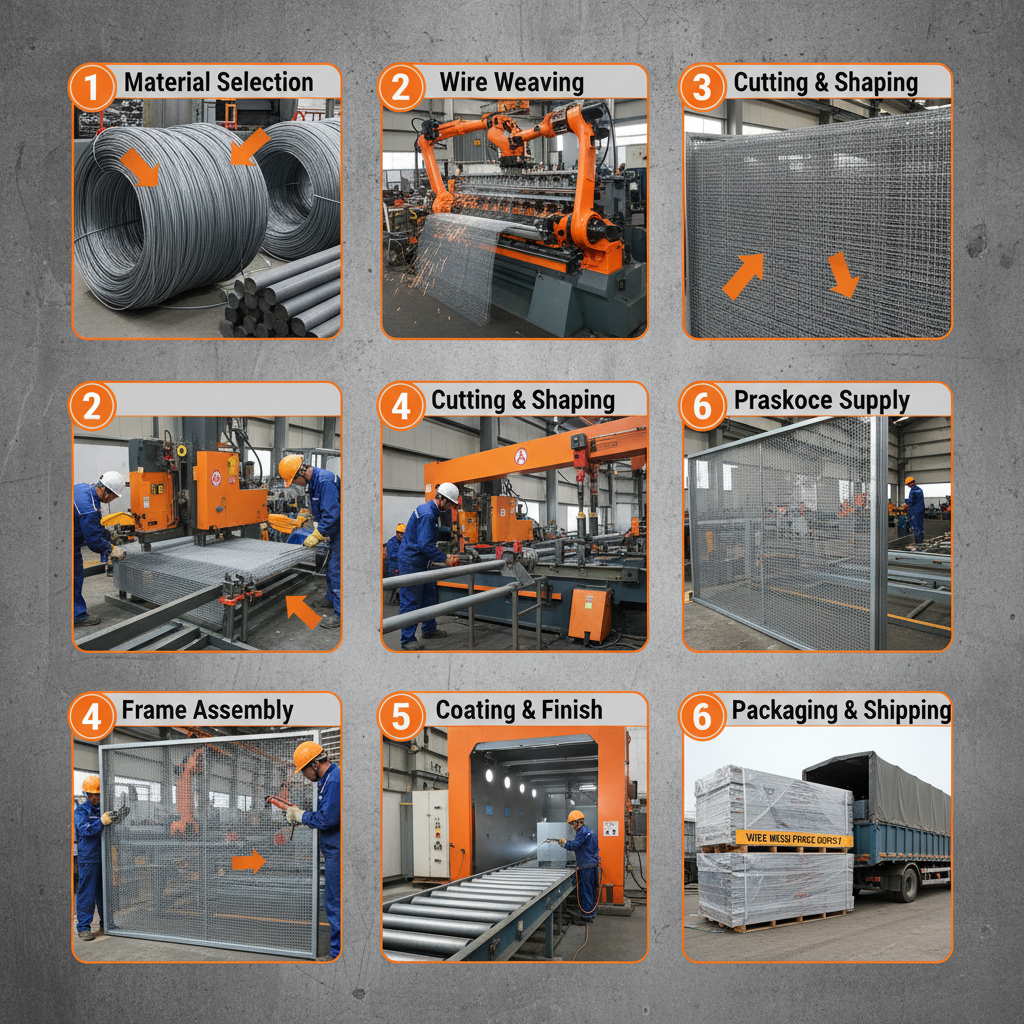
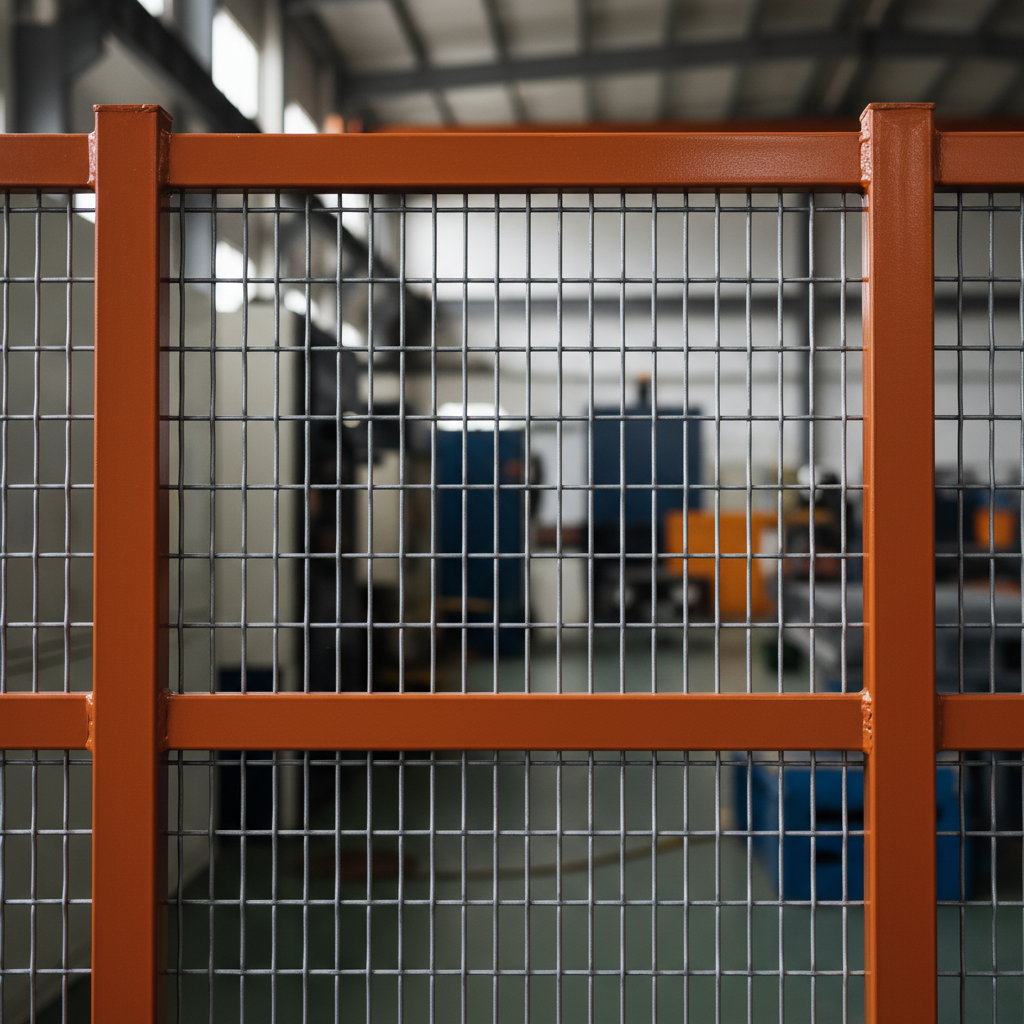
The global demand for secure and durable perimeter solutions has led to the widespread adoption of high-quality fencing systems. Among these, the integration of protective coatings on metal structures has become a standard for industries requiring long-term resilience against environmental degradation. Understanding the specifications and material science behind these barriers is essential for ensuring site safety and operational longevity.
In the modern manufacturing landscape, the shift toward hybrid materials has allowed for the creation of fences that combine the structural strength of steel with the chemical resistance of polymers. This evolution addresses the critical need for infrastructure that can withstand harsh climates, from coastal salt spray to industrial pollutants, without sacrificing structural integrity or aesthetic appeal.
For professionals seeking reliable containment, choosing a pvc wire fence provides a balanced approach to security and maintenance. By utilizing advanced coating technologies, these systems effectively mitigate the risks of corrosion while offering a versatile range of configurations to meet specific site requirements.
Global Relevance of PVC Coated Systems
Across the globe, the protection of industrial assets and public spaces relies heavily on the durability of perimeter fencing. According to international standards for metal coatings, the application of Polyvinyl Chloride (PVC) significantly extends the lifespan of steel wire by creating an impermeable barrier against moisture and oxygen. This is particularly critical in regions with high humidity or salinity, where untreated metal would succumb to oxidation within a few years.
The challenge facing many facility managers is the trade-off between initial installation costs and long-term maintenance. While traditional galvanized steel offers strength, the addition of a PVC layer reduces the need for frequent repainting and rust treatment, aligning with ISO quality management principles that emphasize lifecycle cost reduction and operational efficiency.
Defining the Modern PVC Wire Fence
A pvc wire fence is a specialized security barrier consisting of a high-strength steel core—often galvanized—which is then encased in a thick, protective layer of PVC plastic. This dual-layered approach ensures that the fence possesses the tensile strength of metal while gaining the weather-resistant and aesthetic properties of synthetic polymers.
In modern industry, these fences are more than just boundaries; they are engineered solutions for safety and organization. By integrating varying pipe shapes and rail counts, these systems can be tailored for everything from low-profile garden boundaries to high-security industrial perimeters, bridging the gap between functional utility and architectural integration.
From a humanitarian and urban planning perspective, the use of coated wire mesh allows for the creation of safe zones and managed access points in crowded environments. The smooth finish of the PVC coating also reduces the risk of injury during contact, making it a preferred choice for public parks, animal enclosures, and residential complexes.
Structural Components and Pipe Specifications
The integrity of a pvc wire fence depends largely on the underlying frame specifications. For instance, square pipe configurations often utilize heights of 1.8m or 1.6m with lengths of 2.1m, employing either 5 or 6 rails to ensure structural rigidity. Vertical and horizontal pipes typically range from 40x40mm to 50x50mm with wall thicknesses of 1.6mm to 2.0mm.
For specialized needs, oval rail designs offer a different aerodynamic and aesthetic profile. These typically pair square vertical pipes (40x40mm or 50x50mm) with oval horizontal rails measuring 30x60mm or 40x80mm. This configuration is often selected for the pvc wire fence when enhanced lateral strength or a specific visual style is required.
Additionally, round pipe options provide a classic look and consistent strength across all axes. Common outer diameters (OD) include 32mm and 42mm, maintaining the standard 1.6mm to 2.0mm wall thickness. Regardless of the pipe shape—square, oval, or round—the ability to customize these parameters ensures the fence meets the exact load-bearing and security requirements of the customer.
Core Performance Factors for Durability
When evaluating the efficiency of a pvc wire fence, four main factors come into play: coating adhesion, tensile strength, corrosion resistance, and installation scalability. High-grade PVC coating must be fused to the wire to prevent peeling, while the steel core provides the necessary resistance against forced entry or physical impact.
Scalability is achieved through modular designs, allowing for rapid deployment across large industrial zones. By standardizing the pipe dimensions and rail counts, companies can ensure consistent security levels across thousands of meters of fencing without requiring bespoke engineering for every section.
Comparative Performance Rating of PVC Wire Fence Variants
Industrial Applications and Use Cases
The versatility of the pvc wire fence makes it ideal for a wide range of real-world scenarios. In remote industrial zones, such as mining sites or oil refineries, these fences are deployed to secure hazardous areas where chemical exposure is common. The PVC layer acts as a shield, preventing caustic substances from eating through the metal framework.
Beyond heavy industry, these systems are frequently used in agricultural sectors for livestock management and in urban environments for creating secure pedestrian corridors. In coastal cities, the corrosion-resistant nature of the coating is an absolute necessity to prevent the rapid decay typically caused by salt-laden air, ensuring that the infrastructure remains intact for decades.
Long-Term Value and Sustainability
Investing in a pvc wire fence yields significant long-term economic value by drastically reducing the Total Cost of Ownership (TCO). Traditional fences require frequent scraping, priming, and painting; however, a PVC-coated system is virtually maintenance-free, requiring only occasional cleaning to maintain its appearance and function.
From a sustainability standpoint, the longevity of these materials means fewer replacements over time, which reduces the overall carbon footprint associated with steel production and transport. The use of high-quality, non-toxic PVC ensures that the environment is protected while providing a secure boundary that does not leach harmful chemicals into the soil.
Moreover, the emotional value of safety and trust cannot be overlooked. For residential communities or schools, a well-maintained, colorful, and smooth-edged fence provides a sense of security and dignity, transforming a cold industrial barrier into a welcoming yet protective architectural element.
Future Innovations in Protective Fencing
The future of the pvc wire fence is being shaped by advancements in material science, including the development of UV-stabilized polymers that prevent fading and cracking under extreme sunlight. We are seeing a shift toward "smart fencing," where sensors can be integrated into the PVC coating to detect breaches or structural failures in real-time.
Digital transformation is also influencing the manufacturing process. Automation and precision welding now allow for tighter tolerances in pipe dimensions, ensuring that every component of a 1.8m x 2.1m panel fits perfectly, reducing installation time and human error. This move toward modularity is paving the way for faster, more efficient deployment in emergency scenarios.
As green energy becomes a priority, the industry is exploring recyclable PVC alternatives and low-carbon steel cores. These innovations aim to maintain the high performance of current fencing systems while aligning with global net-zero emissions goals, ensuring that security does not come at the expense of the planet.
Technical Specification Comparison for PVC Coated Fence Systems
| Pipe Profile |
Standard Dimensions |
Wall Thickness |
Primary Use Case |
| Square Pipe |
40x40mm / 50x50mm |
1.6mm - 2.0mm |
Industrial Security |
| Oval Rail |
30x60mm / 40x80mm |
1.6mm - 2.0mm |
High-End Perimeter |
| Round Pipe |
32mm OD / 42mm OD |
1.6mm - 2.0mm |
Commercial/Public |
| 5-Rail Panel |
1.6m Height x 2.1m |
Standard |
Light Containment |
| 6-Rail Panel |
1.8m Height x 2.1m |
Standard |
Heavy Duty Security |
| Extended Panel |
1.8m Height x 3.37m |
Reinforced |
Large Area Enclosure |
FAQS
While galvanized fencing relies on a zinc layer for protection, a PVC wire fence adds an extra polymer layer that is significantly more resistant to chemicals and salt. This makes the PVC version superior for coastal or industrial environments, as it prevents the zinc layer from weathering away as quickly, resulting in a longer lifespan and lower maintenance costs.
Yes, customization is a core feature of these systems. Customers can request specific pipe sizes, such as moving from a 40x40mm square pipe to a 50x50mm pipe, or increasing the wall thickness to 2.0mm for enhanced rigidity. Whether you need oval rails for aesthetics or round pipes for standard utility, the specifications can be tailored to your exact requirements.
Modern PVC coatings used in professional fencing are designed to be stable and non-toxic. By extending the life of the steel core, these fences reduce the frequency of replacement and the associated environmental cost of smelting and transporting new steel. Many manufacturers are also transitioning toward recyclable polymer blends to further enhance sustainability.
For high-security applications, the 6-rail configuration with a height of 1.8m is recommended. This provides more horizontal support and smaller gaps, making it harder to climb or penetrate. Pairing this with 50x50x2.0mm square pipes ensures the maximum structural strength and resistance against physical impact.
One of the primary advantages of a PVC wire fence is its low maintenance. In most cases, simply rinsing the fence with water to remove dust and debris is sufficient. Unlike painted fences, there is no need for sanding or repainting. If a deep scratch occurs, a PVC touch-up kit can be used to seal the steel core and prevent rust.
High-quality PVC coatings are infused with UV stabilizers that protect the pigment and the polymer structure from degradation. While all materials experience some wear over decades, UV-stabilized coatings maintain their color and flexibility far longer than standard plastics, preventing the "chalking" or cracking often seen in low-grade products.
Conclusion
The integration of PVC coating with high-strength steel frameworks represents a pinnacle of practical engineering in the perimeter security industry. By combining customizable pipe specifications—ranging from square and oval to round profiles—with an impermeable protective layer, the pvc wire fence offers an unmatched balance of durability, cost-efficiency, and aesthetic versatility. Whether for industrial safeguarding or public infrastructure, these systems ensure long-term reliability with minimal maintenance.
Looking forward, the continued evolution of UV-resistant materials and modular design will further cement these fences as the gold standard for modern containment. We recommend that facility managers prioritize the lifecycle value of coated systems over the lower initial cost of untreated alternatives to ensure sustainable and secure operations. For premium fencing solutions tailored to your specifications, visit our website: www.tikemetal.com.