At first glance, a white steel fence might seem like just another boundary marker. But dig a little deeper, and you realize how much it matters globally. Whether it’s securing industrial zones or defining residential landscapes, this seemingly simple structure addresses vital needs across the world—from safety to sustainability. Understanding its features and applications brings insights into modern construction, security, and even humanitarian efforts.
Steel fencing is a booming industry estimated to grow at a 5.5% CAGR according to recent ISO standards analysis. Globally, urbanization is pushing the demand for secure, durable, and cost-effective fencing solutions. The UN’s World Urbanization Prospects report notes that by 2050, nearly 68% of the world’s population will live in urban areas, driving the need for improved boundary infrastructure. Enter the white steel fence—a fusion of strength, aesthetics, and corrosion protection that tackles these challenges head-on.
One major headache in many regions is premature fence corrosion and maintenance costs, especially in coastal or industrial zones. The white coating on steel fences not only adds an appealing look but significantly increases their resistance to rust and wear. With infrastructure investments booming globally, these fences are increasingly integral, from developed city planning projects to post-disaster relief setups.
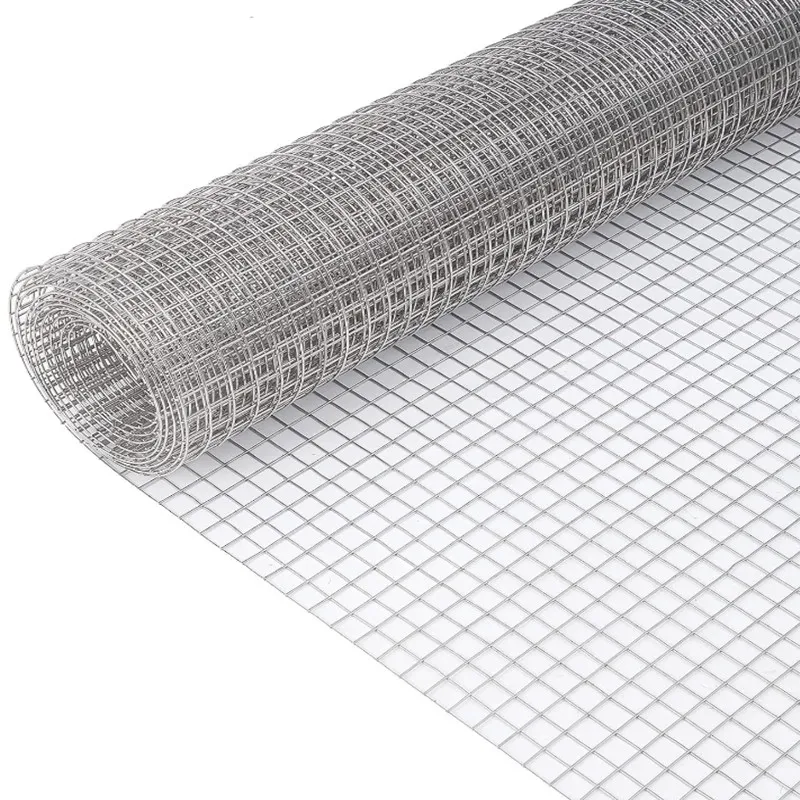
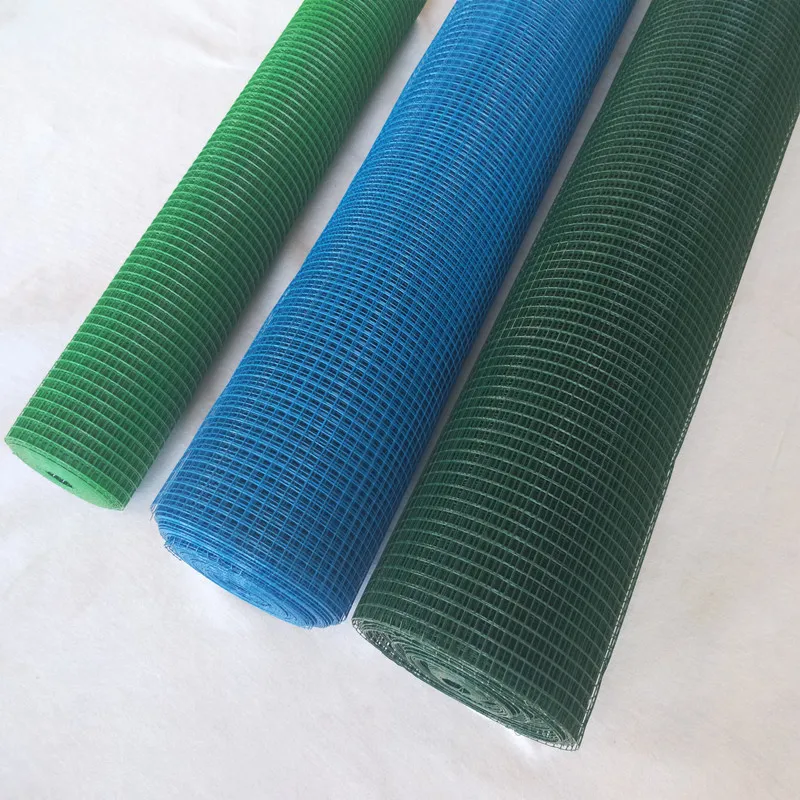
Simply put, a white steel fence is a boundary barrier made of steel panels or bars, coated with a white protective finish—often powder-coated or painted using advanced anti-corrosion technologies. This finish extends the life of the fence dramatically, making it suitable for outdoor environments ranging from harsh industrial settings to residential gardens.
Its importance connects closely with modern trends in construction—where strength, longevity, and maintenance reduction are prized. Additionally, white—reflecting sunlight—can help reduce heat absorption, improving visual comfort and structural preservation. In humanitarian contexts, such fences are often used to create safe zones or demarcate relief camps where lasting, trustworthy barriers are crucial.
Steel, inherently strong but susceptible to rust, benefits immensely from the white powder coating, which creates a robust shield against moisture and UV rays. This means fewer repairs and longer service life—critical in expensive infrastructure projects or remote locations.
Many white steel fences come as modular panels, enabling easy scaling up or reconfiguration. This flexibility serves large industrial sites or evolving construction zones.
While initial installation costs may seem higher compared to wooden or chain-link fences, the reduced maintenance expenditure and extended lifespan make white steel fences a financially savvy choice for long-term projects.
The clean, neutral white fits various architectural styles and public spaces. Also, the bright color improves visibility, an added measure for safety in industrial or urban settings.
| Feature | Specification |
|---|---|
| Material | Hot-dip galvanized steel |
| Coating | Powder-coated white finish (RAL 9016) |
| Panel Size | 2m x 2.5m (custom sizes available) |
| Bar Diameter | 5 mm |
| Finish Durability | 10+ years outdoor exposure |
The reach of the white steel fence is vast and varied. In northern Europe, these fences are standard around schools and sports facilities due to strict safety standards and weather conditions demanding durable solutions. Oddly enough, they’ve become popular in some parts of Africa’s growing industrial parks, thanks to an international push for improved infrastructure durability.
NGOs engaged in post-disaster relief also swear by modular white steel fences to quickly establish safe perimeters around temporary shelters. These fences offer dignity and security—two intangible but critical needs when rebuilding communities after conflict or natural calamities.
In urban America and Asia, white steel fences are often used in residential complexes, blending security and style without feeling austere.
| Vendor | Material Quality | Customization Options | Price Range |
|---|---|---|---|
| Tike Metal | High-grade galvanized steel, powder coating | Custom panel sizes, colors | $$ - Competitive |
| FenceCo | Standard galvanized | Limited colors | $ - Budget |
| SteelGuard | Premium corrosion resistance | Full custom solutions | $$$ - Premium |
Choosing a white steel fence feels like a wise bet when you think long term. From a cost perspective, the initial investment offsets future repairs and replacements—trust me on this one, I've seen rusted fences become hazardous in just a few years, especially in humid or salty air environments.
Then there’s the social value. A clean, bright fence signals care, security, and professionalism. It sets a tone for industrial parks, schools, or communities. And on an emotional level, it imparts safety—a feeling that shouldn’t be underestimated in urban planning or humanitarian zones.
The future of white steel fencing is leaning toward even smarter, greener solutions. Expect more integration with solar panels for lighting, sensors for intrusion detection, and recyclable materials to meet ISO’s growing sustainability standards.
Digital transformation isn’t leaving fences behind either. Automated gates paired with smart fencing enhance security while minimizing human intervention. Plus, coating technologies are evolving to reduce environmental impact while increasing longevity even further.
Of course, no product is perfect. Some challenges with white steel fences include installation complexity and susceptibility to scratches that may lead to corrosion if untreated. Yet, experts recommend regular inspections and touch-up coatings to address these concerns.
Innovative approaches such as nano-ceramic coatings and eco-friendly repair sprays are also gaining ground, which help maintain fence integrity without heavy chemical use.
In real terms, a white steel fence is more than just a barrier. It’s a durable, aesthetically pleasing, and long-term investment that’s meeting the evolving requirements of modern infrastructure and humanitarian projects worldwide. For anyone needing secure, sustainable fencing, it’s worth exploring further.
If you’re looking to learn more or request a quote, visit Tike Metal today — their expertise and customizable solutions might just be the perfect match for your next project.
Takeaway? White steel fences combine elegance and endurance in a way few materials manage—solid, visible, and trustworthy boundaries for a better built world.
RELATED PRODUCTS





Top