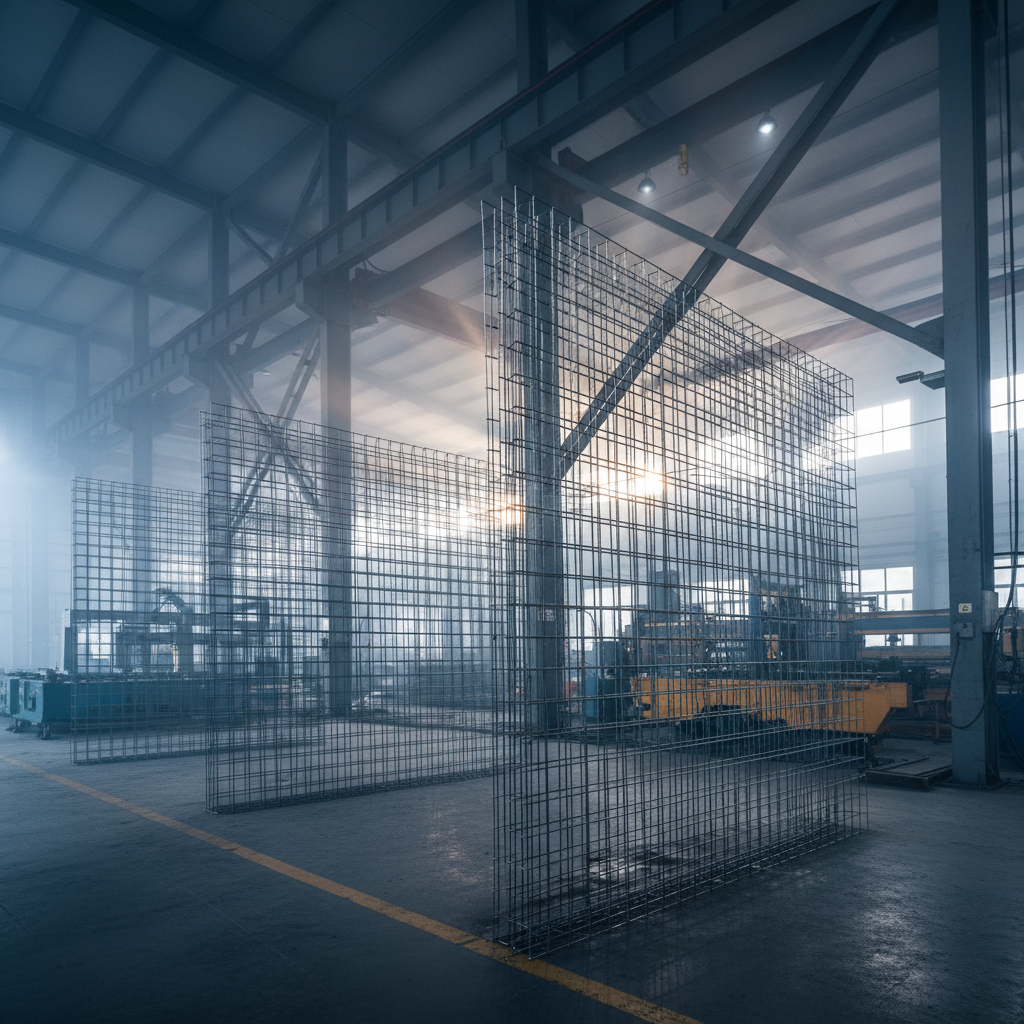
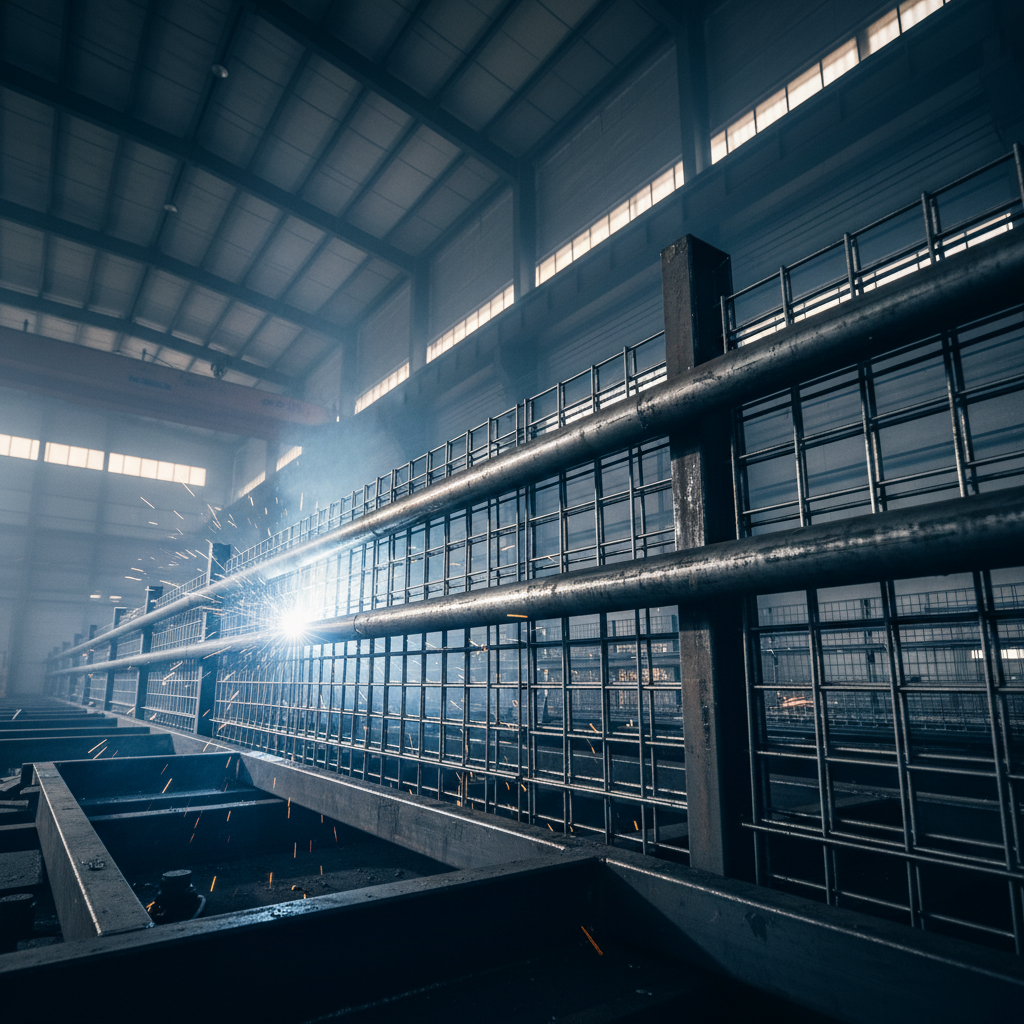
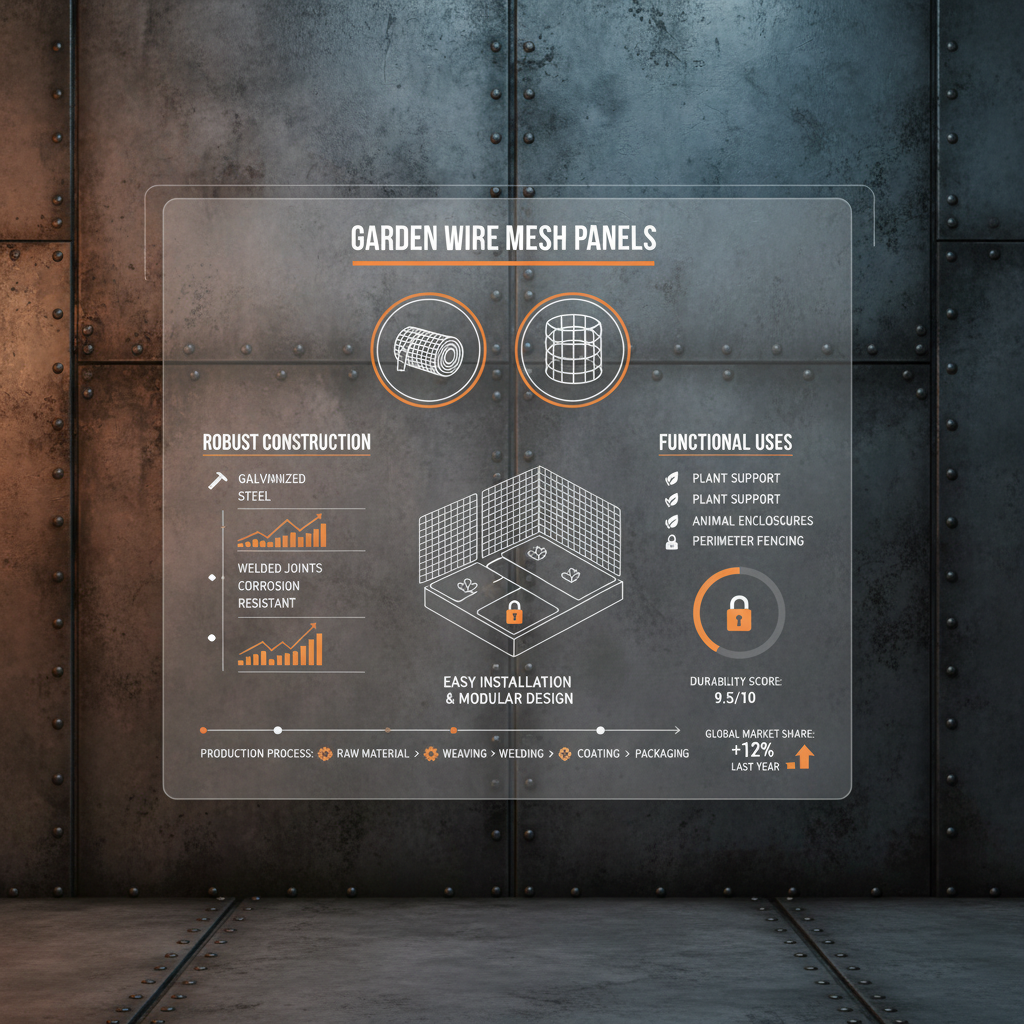
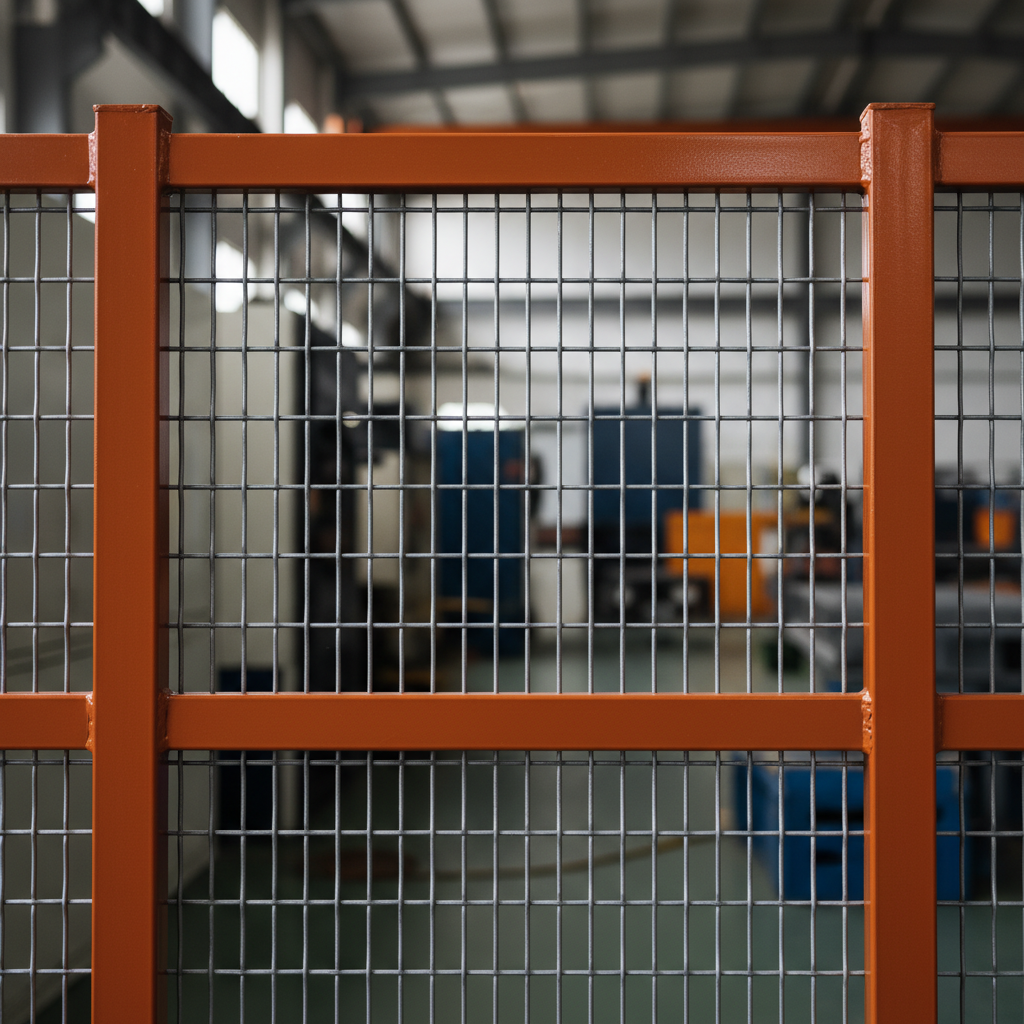
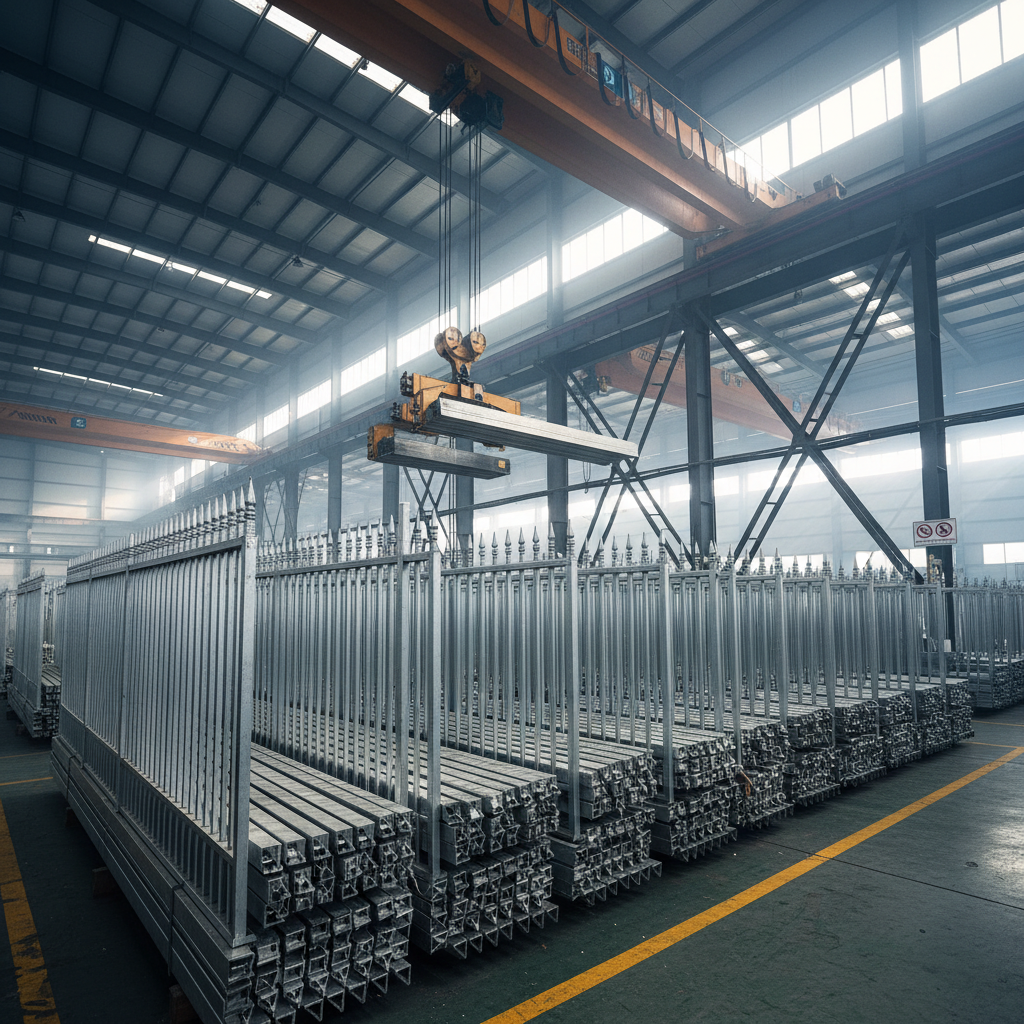
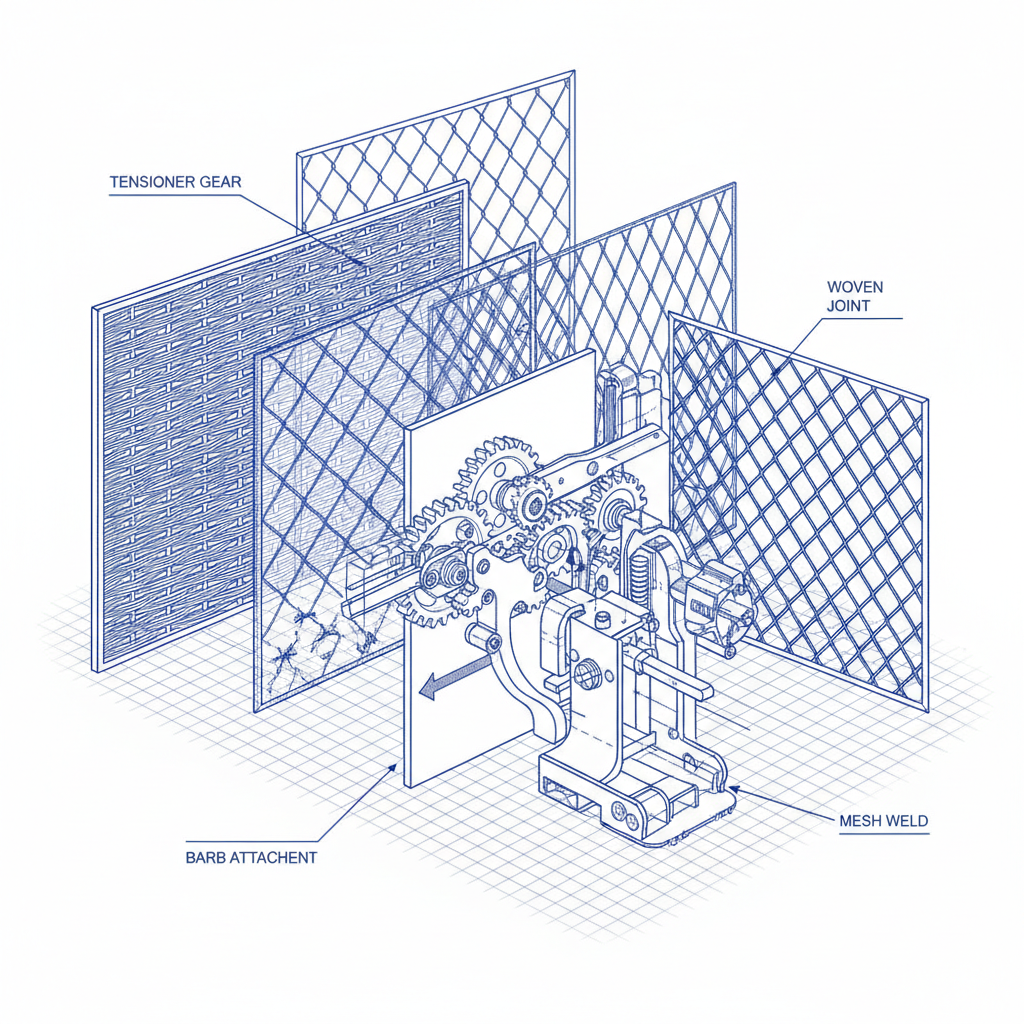
Mesh fence solutions are becoming increasingly vital globally, offering adaptable security and containment in diverse environments. From perimeter security for critical infrastructure to animal control in agricultural settings, and even innovative applications in disaster relief and temporary housing, the demand for effective and adaptable fencing is continually growing. Understanding the nuances of mesh fence construction, materials, and deployment is essential for professionals across multiple industries.
The increasing need for secure and flexible boundaries fuels the global mesh fence market. According to recent reports, the fencing market is projected to reach significant growth in the coming years, driven by heightened security concerns, infrastructure development, and rapid urbanization. Mesh fence, due to its cost-effectiveness, ease of installation, and versatility, is playing a crucial role in meeting this demand.
Ultimately, a firm grasp of mesh fence technologies empowers businesses and organizations to make informed decisions, ensuring the safety, security, and sustainability of their projects. It is a technology built on providing simple solutions to complex needs, making it a cornerstone of modern infrastructure and security practices.
Introduction to Mesh Fence
Mesh fence systems provide a versatile and cost-effective solution for a wide array of security and containment needs. They’ve evolved from simple wire mesh barriers to sophisticated, engineered systems designed to withstand harsh environments and deter unauthorized access. The core strength lies in the interwoven structure of the mesh, creating a robust barrier that’s significantly more durable than traditional fencing options.
The increasing adoption of mesh fence is driven by its adaptability. It can be customized to meet specific project requirements, varying in height, gauge, mesh size, and coating. This flexibility makes it suitable for everything from residential properties and agricultural fields to high-security industrial sites and temporary event enclosures. Properly installed, a mesh fence offers a long-lasting, low-maintenance solution for perimeter protection.
Defining Mesh Fence
Mesh fence, in its simplest form, is a barrier constructed from a woven or welded network of wires, forming a mesh-like structure. This structure provides a visible and physical deterrent, controlling access and defining boundaries. Unlike solid fences, mesh allows for partial visibility and airflow, which can be advantageous in certain applications, such as agricultural fencing where surveillance and ventilation are important.
The connection to modern industry and humanitarian needs is substantial. In industrial settings, mesh fence secures perimeters, protects valuable assets, and enhances safety protocols. In disaster relief, it’s used for creating temporary shelters, establishing secure zones, and managing displaced populations. Its lightweight nature and relatively simple installation make it an ideal solution for rapidly deployable security and containment.
The evolution of mesh fence reflects advancements in materials science and engineering. From galvanized steel and stainless steel to coated options offering enhanced corrosion resistance, modern mesh fences are designed to withstand diverse environmental conditions and provide long-term durability.
Core Components of Mesh Fence Systems
Durability is a cornerstone of any effective mesh fence system. This is largely determined by the gauge (thickness) of the wire used in the mesh, the type of coating applied (galvanization, PVC, powder coating), and the construction method (welded vs. woven). A heavier gauge and robust coating translate to greater resistance to corrosion, impact, and attempted breaches.
Scalability refers to the ability to adapt the fence to varying terrain and specific project requirements. Modular mesh fence systems, for example, allow for easy expansion or reconfiguration. Post spacing, fence height, and the inclusion of features like barbed wire or razor wire all contribute to the scalability of the system.
Cost efficiency is a major advantage of mesh fence compared to other fencing materials like concrete or brick. The relatively low material cost, combined with simplified installation procedures, results in significant savings, particularly for large-scale projects. The long lifespan and minimal maintenance requirements further enhance its cost-effectiveness over time.
Practical Applications of Mesh Fence
Agricultural fencing is a prime example of mesh fence implementation, providing secure containment for livestock while minimizing obstruction of views and airflow. Different mesh sizes cater to various animal types, preventing escapes and protecting crops. The durability of the mesh ensures it can withstand the constant pressure from animals.
Security perimeters around industrial facilities, commercial properties, and government buildings rely heavily on mesh fence systems. Combined with security features like access control systems, lighting, and surveillance cameras, mesh fence creates a layered security approach, deterring unauthorized access and protecting valuable assets.
Mesh Fence Performance Comparison
Global Implementations and Case Studies
In post-disaster relief operations, mesh fence is deployed to quickly establish secure camps for displaced populations, providing a safe and contained environment while humanitarian aid is distributed. Its portability and ease of installation are critical advantages in these emergency situations.
In remote industrial zones, such as mining operations or oil and gas facilities, mesh fence secures perimeters against theft, vandalism, and unauthorized access, protecting valuable equipment and personnel. The robust construction of the fence ensures it can withstand harsh weather conditions and potential security threats.
Advantages and Long-Term Value
The primary tangible benefit of mesh fence is its cost-effectiveness. Compared to other perimeter security options, it offers a significantly lower initial investment and reduced long-term maintenance costs. This makes it an attractive solution for projects with limited budgets.
Beyond cost, the sustainability of mesh fence is noteworthy. Many manufacturers are utilizing recycled materials in their production processes, minimizing environmental impact. The durability of the fence also contributes to its sustainability, reducing the need for frequent replacements.
Future Trends and Innovations in Mesh Fence
Smart mesh fence systems, integrated with sensors and IoT technology, are emerging as a significant trend. These systems can detect intrusions, monitor environmental conditions, and provide real-time alerts, enhancing security and operational efficiency. The integration of artificial intelligence for threat detection is also gaining traction.
New materials, such as advanced polymers and high-strength alloys, are being explored to create mesh fence systems with even greater durability, corrosion resistance, and aesthetic appeal. Research into self-healing materials could further extend the lifespan of mesh fences, reducing maintenance requirements.
The push for sustainable manufacturing practices is driving innovation in mesh fence production. Manufacturers are increasingly adopting eco-friendly materials and processes to minimize their environmental footprint and meet growing demand for green products.
FAQS
A properly installed and maintained galvanized steel mesh fence can last anywhere from 20 to 30 years, depending on environmental factors and the quality of the galvanization process. Regular inspections for corrosion and timely application of protective coatings can extend its lifespan significantly. Choosing a heavier gauge wire will also contribute to longevity.
Mesh fence can perform well in high-wind areas, but proper installation is crucial. Ensuring adequate post depth and spacing, as well as using wind-resistant mesh designs, can minimize the risk of damage. The openness of the mesh also allows wind to pass through, reducing the load on the fence structure compared to solid barriers.
While mesh fence doesn't provide the same level of noise reduction as solid walls, it can offer some degree of sound attenuation. Adding a noise barrier fabric or slats to the mesh can significantly improve its sound-dampening capabilities. The effectiveness depends on the density and material of the added barrier.
Common mesh fence coatings include galvanization (zinc coating for corrosion resistance), PVC coating (for added durability and color options), and powder coating (for a durable, aesthetically pleasing finish). Each coating offers different levels of protection and aesthetic appeal, depending on the application and budget.
Yes, mesh fence is widely used for animal containment. The recommended mesh size depends on the animal being contained. For larger animals like cattle, a larger mesh size is sufficient. For smaller animals like sheep or goats, a smaller mesh size is necessary to prevent escapes. Woven mesh is generally preferred for containing smaller animals.
Regular maintenance includes inspecting for corrosion, repairing any damaged sections, and clearing vegetation that may grow on or around the fence. Periodic cleaning can also help maintain the fence's appearance and prolong its lifespan. Applying a protective coating to any exposed metal is also recommended.
Conclusion
In conclusion, mesh fence represents a versatile, cost-effective, and increasingly sophisticated solution for a wide range of security and containment needs. Its adaptability, durability, and evolving integration with smart technologies make it a cornerstone of modern infrastructure and a critical component in diverse applications, from agriculture to industrial security and disaster relief. Understanding the nuances of mesh fence systems empowers informed decision-making and ensures optimal performance.
Looking ahead, continued innovation in materials, manufacturing processes, and smart technologies will further enhance the capabilities and sustainability of mesh fence. Embracing these advancements will be crucial for organizations seeking to optimize perimeter security, protect assets, and contribute to a more secure and resilient future. For more information and to explore our range of mesh fence solutions, visit our website: mesh fence.