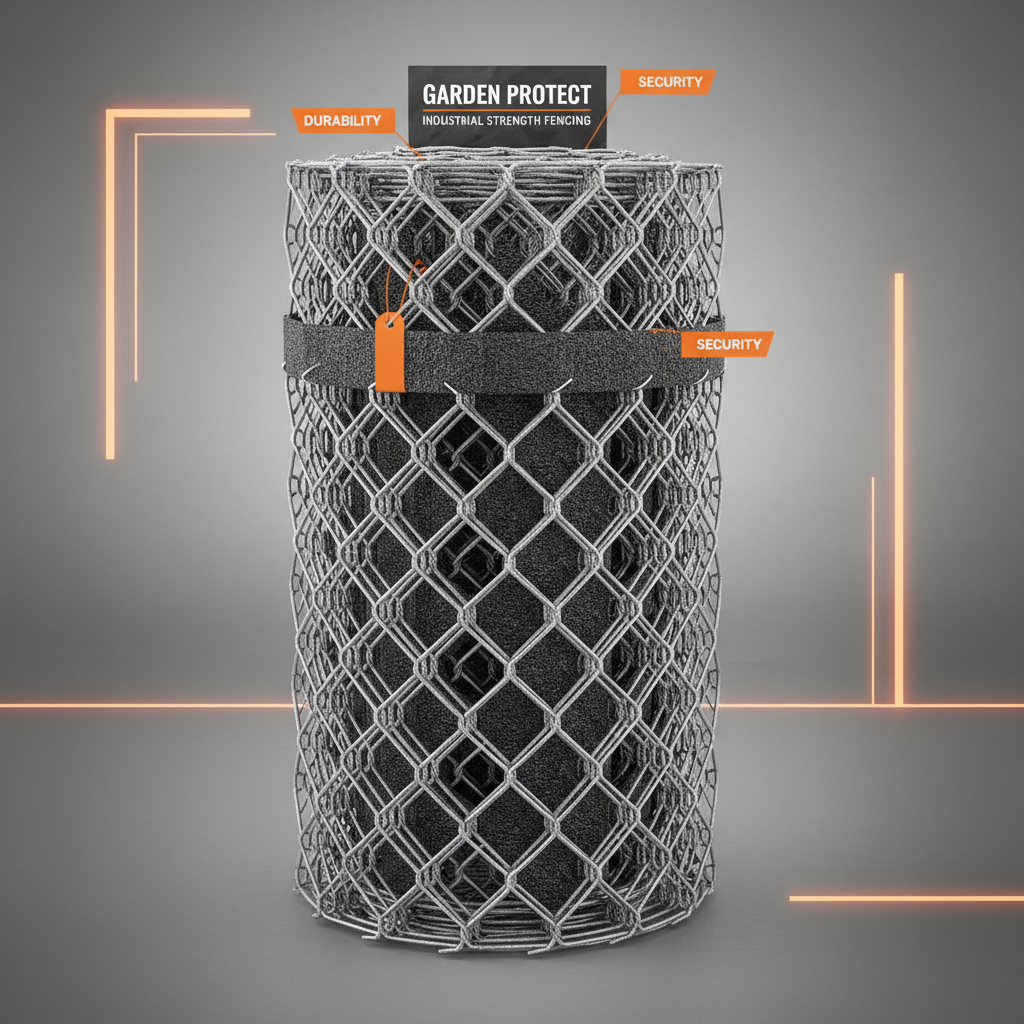
The global demand for high-security perimeter solutions has shifted significantly toward modular and blast-resistant systems. For procurement officers and security engineers, identifying reliable steel fence manufacturers is no longer just about selecting a material, but about evaluating the structural integrity of integrated defense systems against diverse threats.
This evolution is driven by the need for rapid deployment in high-risk zones, where traditional concrete barriers are too slow to install and standard chain-link fences offer zero resistance to ballistic or explosive forces. The technical challenge lies in balancing structural rigidity with the ability to dissipate energy, requiring a sophisticated combination of galvanized steel and geosynthetic reinforcements.
This analysis examines the engineering logic behind modern defensive barriers, the critical specifications that determine their efficacy, and how to evaluate manufacturing capabilities to ensure long-term stability in extreme environments.


Modern defensive barriers operate on the principle of confined mass. By utilizing a high-tensile welded gabion wire mesh combined with a geotextile liner, these systems create a semi-permanent levee capable of absorbing the kinetic energy of explosions or small-arms fire.
Unlike rigid walls, the gabion structure allows for slight deformation, which is critical for absorbing shockwaves without catastrophic collapse. This flexibility, paired with the mass of sand or stone infill, converts the barrier into a high-density shield.
The performance of a defensive barrier is fundamentally tied to its wire diameter and coating quality. Standard industrial requirements typically specify galvanized steel or Galfan wire with diameters ranging from 4mm to 6mm. This thickness ensures that the cage maintains its geometry even under the extreme internal pressure exerted by the infill and external impact forces.
Surface treatment is the primary defense against environmental degradation. Hot-dipped galvanization or Galfan coatings (zinc-aluminum alloys) are essential for preventing corrosion in coastal or humid environments. A zinc coating range of 40-300g/mm² is often specified to ensure the structural lifespan of the barrier in the field.
Mesh opening size, typically ranging from 50x50mm to 100x100mm, must be precisely balanced. Smaller openings increase the stability of the infill and prevent leakage of fine materials, while larger openings may be used for specific drainage requirements or to reduce the overall weight of the empty cage during transport.
One of the most overlooked engineering aspects of defensive barriers is their permeability. In flood-prone areas or sites subject to heavy rainfall, the ability of the wall to allow water to pass through without accumulating pressure behind the structure is vital.
Furthermore, the interaction between the geotextile and the steel wire ensures that the infill does not migrate. This creates a stable, consolidated mass that acts as a damper, converting the energy of an explosion into heat and mechanical displacement within the fill material rather than transferring the full force to the protected area.
From a logistics perspective, the advantage of modular systems is the ratio of transported weight to final operational mass. Since the cages are shipped empty, transportation costs are significantly reduced compared to pre-cast concrete blocks.
The efficiency of installation is measured by the time taken from unloading to full operational capacity. Rapid-fill systems allow personnel to secure an area in hours rather than days, making them indispensable for temporary checkpoints and urgent border security.
Defensive barriers are widely deployed in ammunition compounds, airport bridge protection, and government building perimeters. In these settings, the primary objective is "blast mitigation"—reducing the pressure wave's impact on the main structure to prevent collapse and save lives.
Beyond military use, these systems serve as critical infrastructure for highway checkpoints and border control, where they provide a physical deterrent and ballistic cover for personnel. The versatility of the design allows them to be integrated with barbed wire or additional sensor arrays for comprehensive security.
The industry is moving toward hybrid systems that combine passive mass with active monitoring. Future iterations are likely to incorporate smart materials or sensors within the gabion structure to detect impact or breach attempts in real-time.
There is also a growing focus on the sustainability of infill materials. While stone and sand are standard, research is exploring the use of recycled industrial waste that maintains the required density while reducing the environmental impact of quarrying.
As security threats evolve, the focus for steel fence manufacturers is shifting toward "adaptive defense"—systems that can be quickly reconfigured or expanded as the perimeter requirements change.
When selecting a provider, procurement teams must evaluate the "Configuration Profile" rather than just the unit price. A barrier's effectiveness is a function of its dimensions, wire gauge, and the intended fill material.
The relationship between the height and width of the cells determines the center of gravity and the overall stability of the wall. Taller units require a wider base or interlocking mechanisms to prevent tipping under extreme lateral pressure.
The following matrix provides a framework for evaluating different configurations based on the intended security level and operational environment.
| Configuration Type | Wire Diameter | Primary Metric | Recommended Use Case |
|---|---|---|---|
| Basic Profile | 4.0mm | Standard Deterrence | Border Checkpoints |
| Standard Duty | 4.5mm | Moderate Ballistic | Airport Perimeters |
| High-Duty Shield | 5.0mm | High Blast Resistance | Ammunition Depots |
| Precision Defense | 6.0mm | Extreme Kinetic Impact | Military Bunkers |
| Rapid Deploy | 4.0mm | Max Setup Speed | Temporary Levees |
| Industry Baseline | 4.5mm | Balanced Performance | Government Buildings |
Galvanized wire is coated with pure zinc, while Galfan is a zinc-aluminum alloy (typically 95% zinc and 5% aluminum). Galfan offers significantly higher corrosion resistance, particularly in saline or industrial environments, and provides a more durable surface that resists peeling and cracking during the bending processes used in gabion manufacturing.
The geotextile liner acts as a filter and stabilizer. It prevents the infill (sand or gravel) from leaking through the mesh openings while allowing water to permeate. Structurally, it helps distribute the load more evenly across the steel wire mesh, reducing localized stress points and preventing the "bulging" effect under high pressure.
Yes, provided the correct wire gauge and coating are specified. Because they are permeable, they are often superior to concrete walls for long-term soil retention as they eliminate the risk of hydrostatic pressure buildup. However, for permanent installations, hot-dipped galvanization or Galfan coating is mandatory to ensure a lifespan of 20+ years.
Dense, non-cohesive materials like crushed stone or specialized sand are ideal. The goal is to maximize the mass per cubic meter while maintaining a level of porosity that allows for energy dissipation. The more consolidated the mass, the more effective the barrier is at stopping high-velocity fragments.
Modular units are unfolded and positioned in the desired layout. They are then filled using mechanical loaders or manual shovels. Once filled, the lids are sealed. The speed of installation is primarily limited by the availability of infill material on-site, rather than the assembly of the steel frames themselves.
Evaluate their ISO certification for quality and environmental management, their ability to provide certified wire test reports (zinc coating thickness and tensile strength), and their experience with military-grade specifications. Ensure they can provide customizable mesh sizes and heights to fit your specific topographical constraints.
The transition from rigid barriers to modular, blast-resistant gabion systems represents a shift toward "resilient engineering." By prioritizing energy absorption and rapid deployability, security managers can create adaptive perimeters that respond to evolving threats without the prohibitive costs and timelines of permanent concrete construction.
The ultimate efficacy of these systems depends on the precision of the manufacturing process—specifically the wire tensile strength and the integrity of the zinc coating. For those requiring professional-grade security, partnering with experienced steel fence manufacturers ensures that the technical specifications match the actual risk profile of the installation site.






Top