At first glance, 1 cm wire mesh might seem pretty modest—after all, it’s just a mesh with 1 cm gaps between wires. But oddly enough, this seemingly simple structure plays a surprisingly crucial role globally, affecting everything from construction durability to humanitarian relief efforts. This article dives into what exactly 1 cm wire mesh is, why it matters in diverse fields worldwide, and its long-term benefits. For industries and engineers alike, understanding the versatility of this mesh can bridge gaps—quite literally—in infrastructure, safety, and innovation.
The global industrial machinery market size topped $500 billion recently, with metal-based materials forming a backbone of infrastructure development in both emerging and developed economies (source: ISO/TC 44). Wire mesh products, including the 1 cm variety, have been instrumental in tackling challenges such as soil erosion, security fencing, and even medical applications.
Moreover, in a world increasingly focused on sustainability and disaster resilience, having reliable, standardized materials like 1 cm wire mesh offers vital solutions. From Sub-Saharan Africa’s reforestation initiatives to urban infrastructure upgrades in Europe, this mesh supports a variety of needs. The versatility addresses industry hurdles — like cost constraints and material durability — while still adapting to modern innovations.
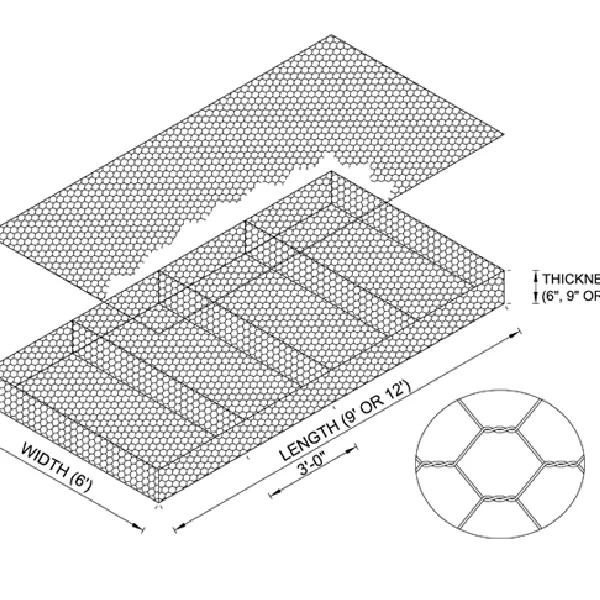
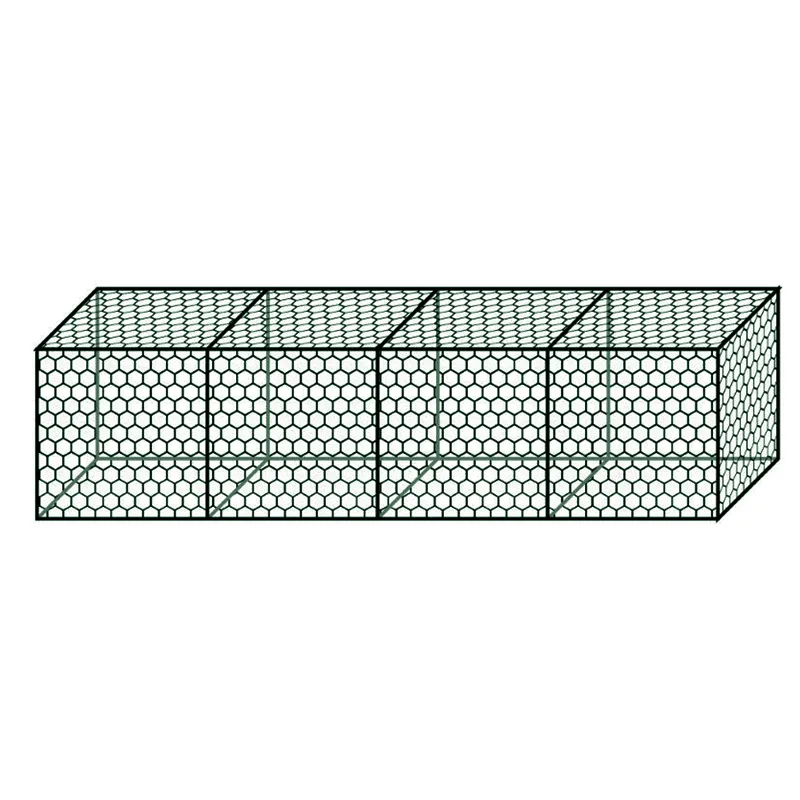
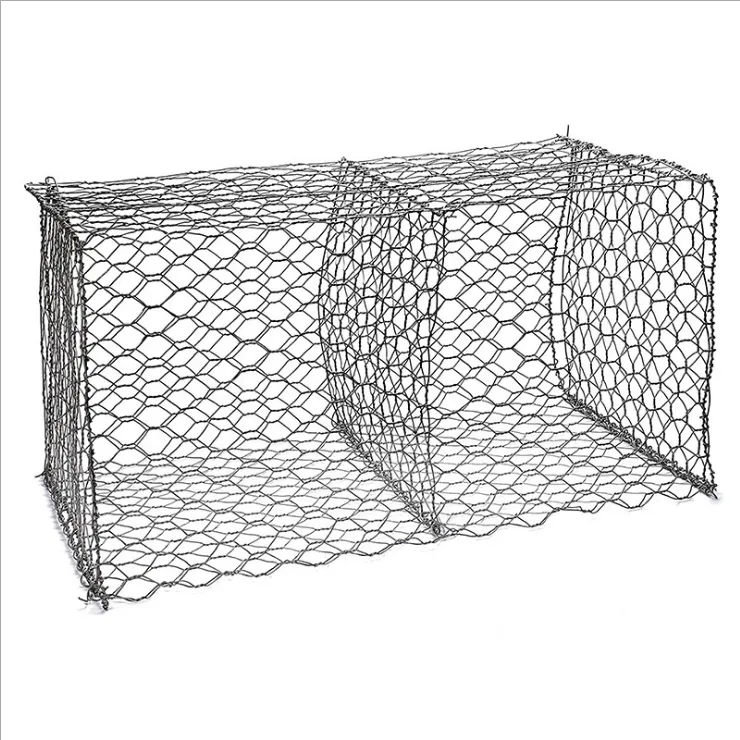
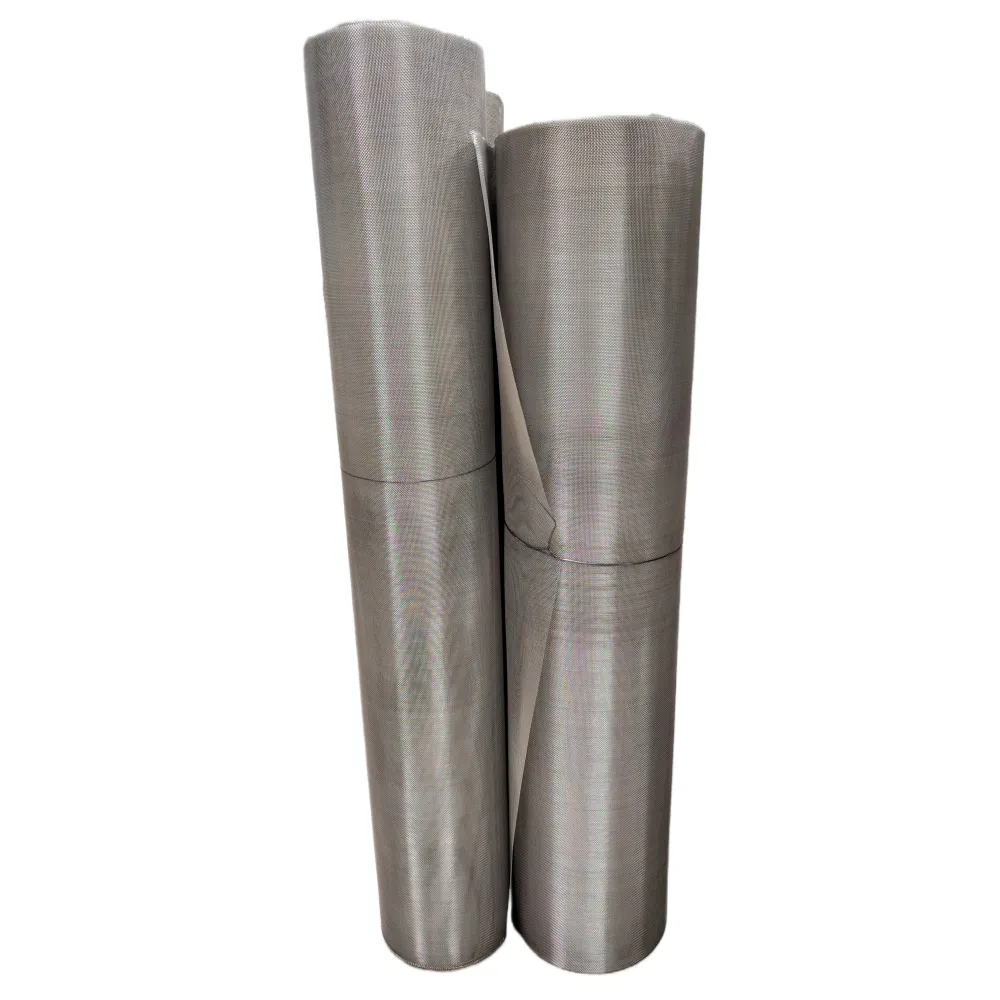
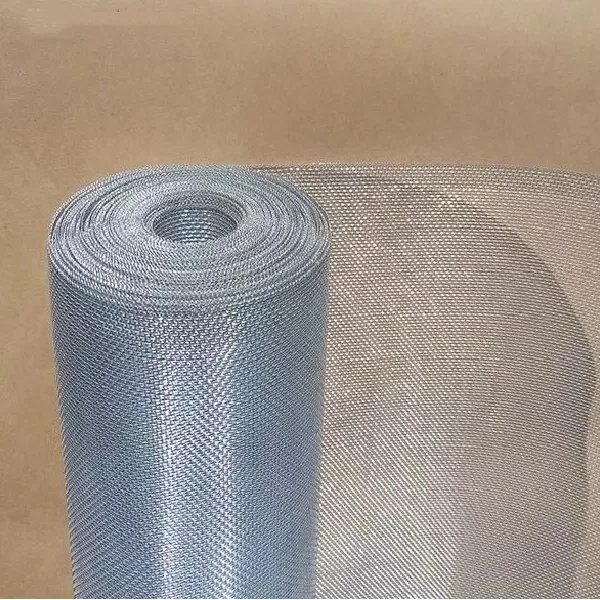
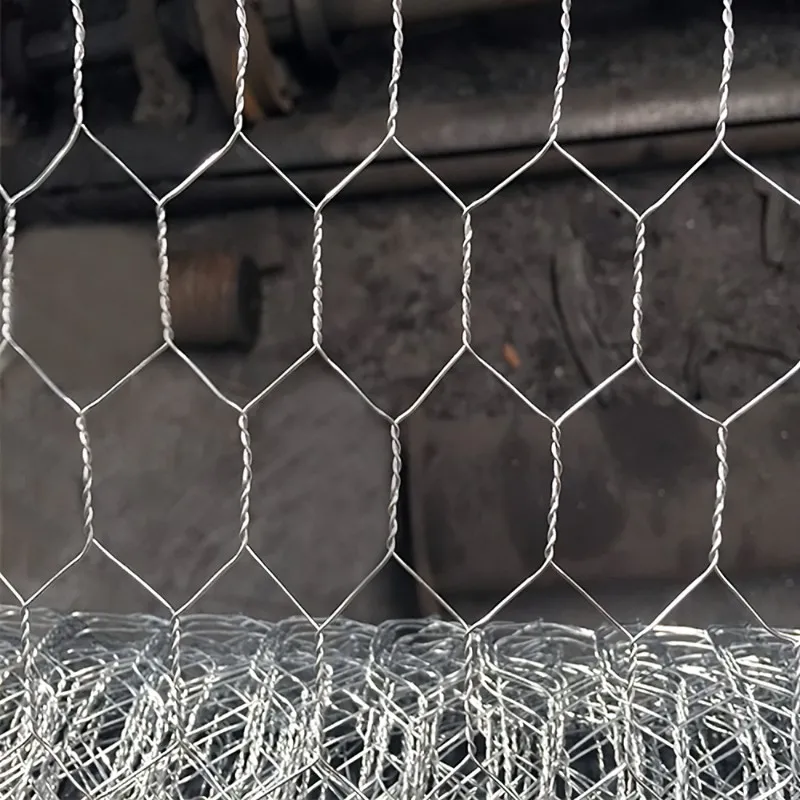
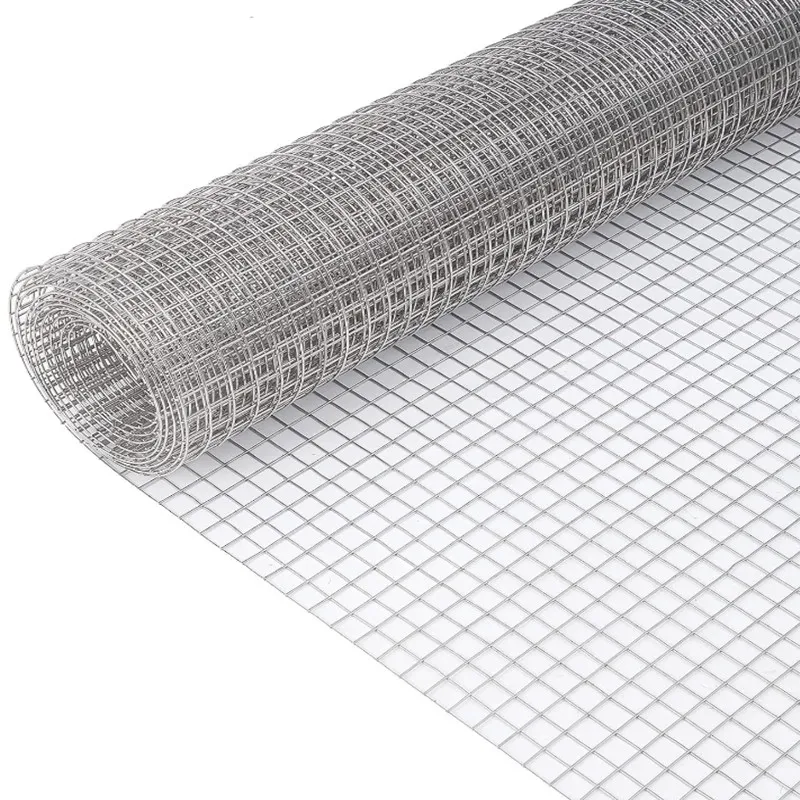
Put simply, 1 cm wire mesh refers to a woven or welded mesh grid where the openings between the wires measure approximately 1 centimeter. The wire diameter and material (often galvanized steel, stainless steel, or sometimes aluminum) dictate its strength and flexibility. This mesh acts as a barrier, filter, or support system depending on its application.
In humanitarian terms, it’s often used to build temporary shelters, reinforce concrete, or provide fencing in refugee camps. In industry, it’s found in machinery guards, sieving equipment, and safety barriers. So, this isn’t just a metal grid — it’s a fundamental building block for protection, sustainability, and innovation.
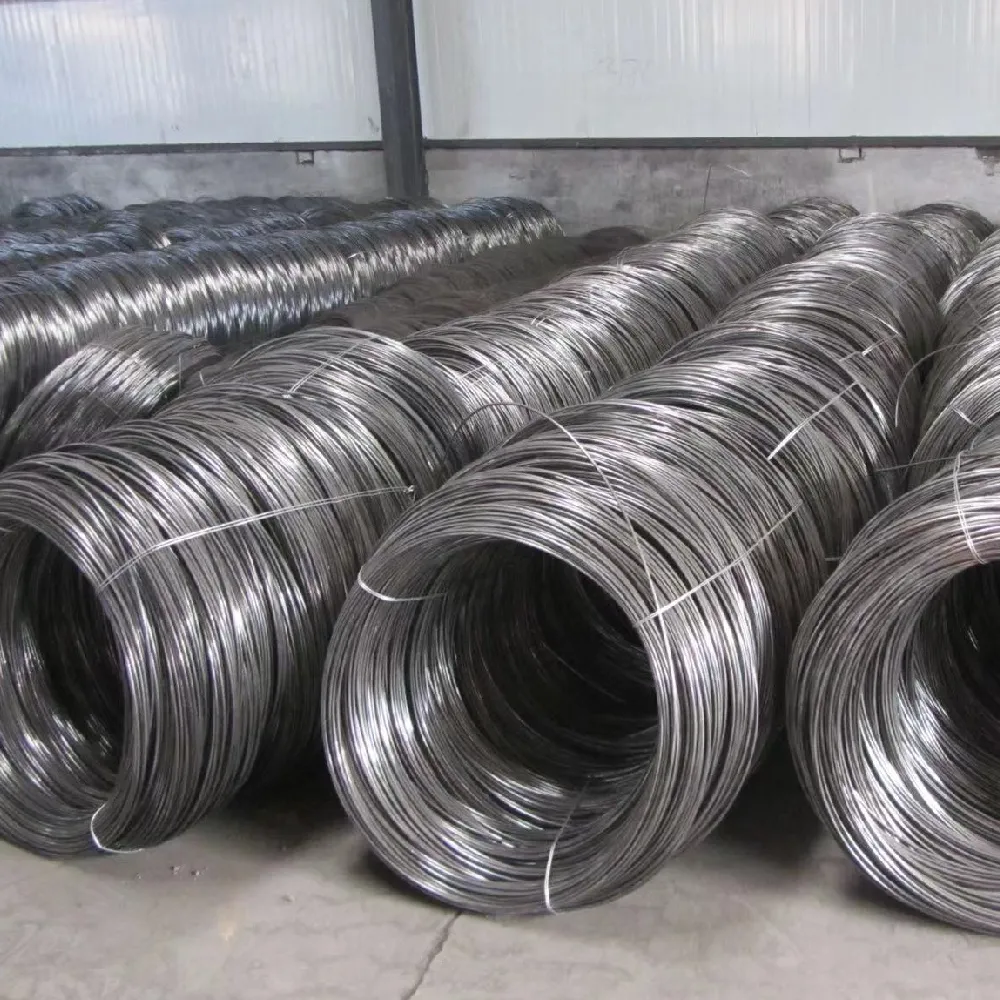
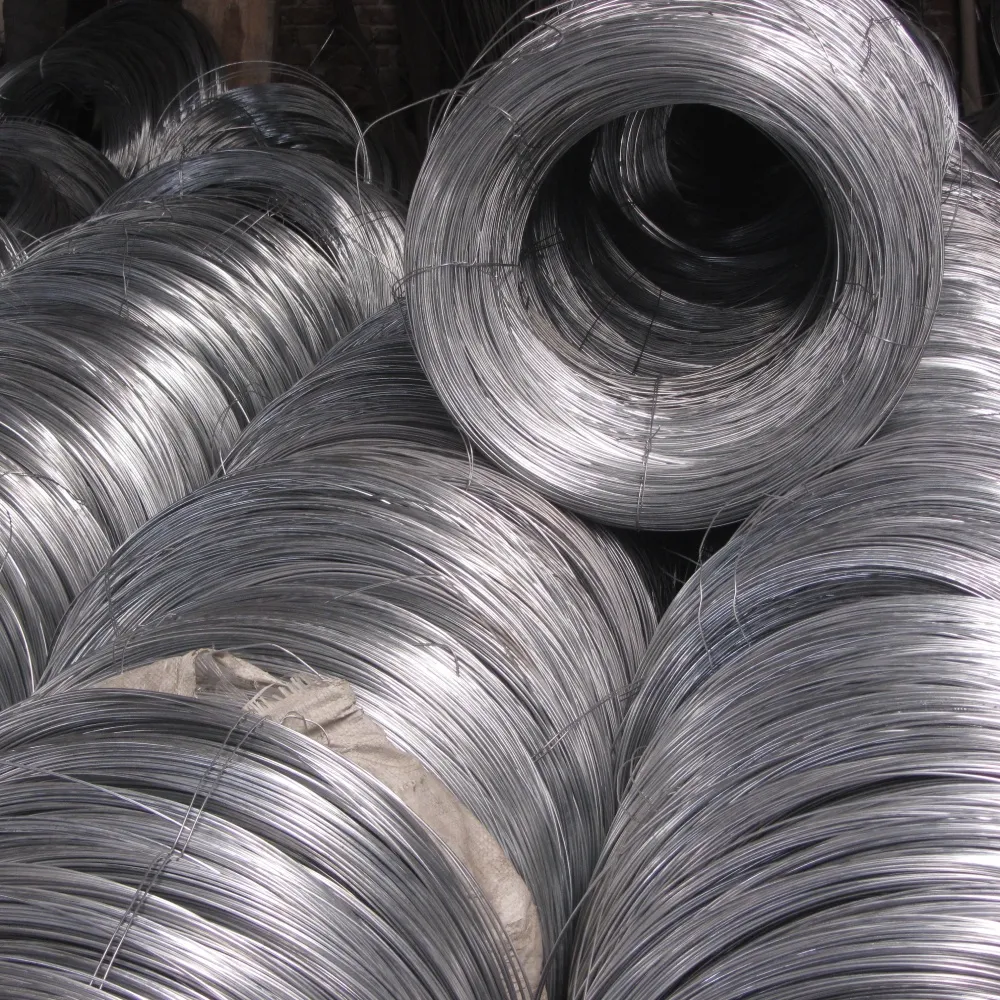
Because many applications involve outdoor or harsh environments, durability matters most. Typical wire diameters range between 0.8 mm to 2 mm, often galvanized for rust resistance. This ensures the mesh withstands corrosion, mechanical stress, and even UV exposure.
One reason the 1 cm wire mesh is popular is its adaptability. It can be rolled, layered, or cut to different sizes without losing structural integrity, which suits both small DIY projects and large industrial demands.
When balancing durability and budget, 1 cm wire mesh often hits the sweet spot. It offers enough strength without the expense of thicker grids, especially compared to finer mesh alternatives. This balance appeals in construction, agriculture, and security sectors.
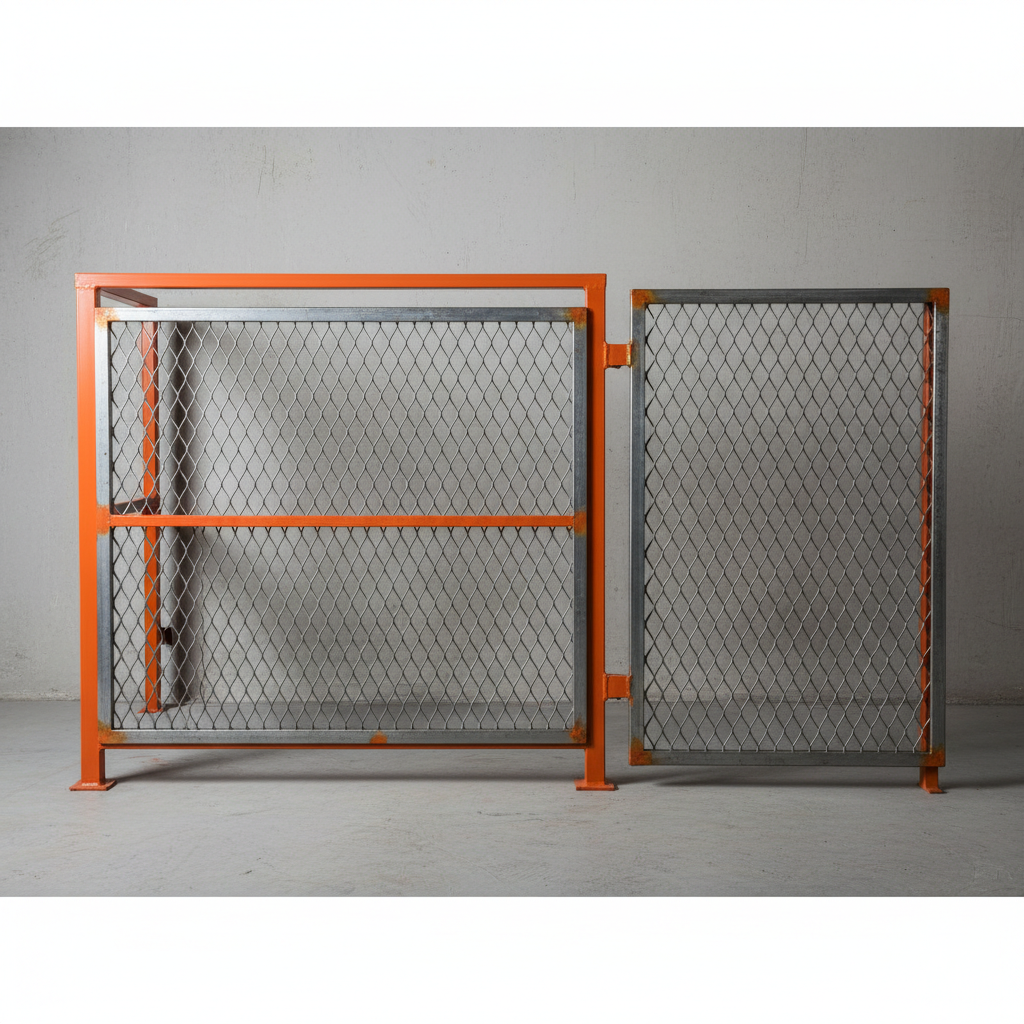
Many industries require adherence to safety standards such as OSHA or EN norms. The 1 cm size often fits regulatory requirements for machine guards and workplace safety enclosures, reducing accident risks.
Modern manufacturers increasingly utilize recycled materials and aim for minimal waste in production. Plus, wire mesh is often recyclable itself, supporting circular economy goals.
Thinking about the relief operations in Nepal after the 2015 earthquake — quickly deployable wire mesh shelters formed a significant part of the infrastructure rebuild, providing quick, stable protection against aftershocks and weather.
| Specification | Value |
|---|---|
| Mesh Opening Size | 1 cm x 1 cm |
| Wire Diameter | 0.8 - 1.5 mm (galvanized steel) |
| Material | Galvanized steel, stainless steel, aluminum |
| Roll Width | 1 m – 2 m standard |
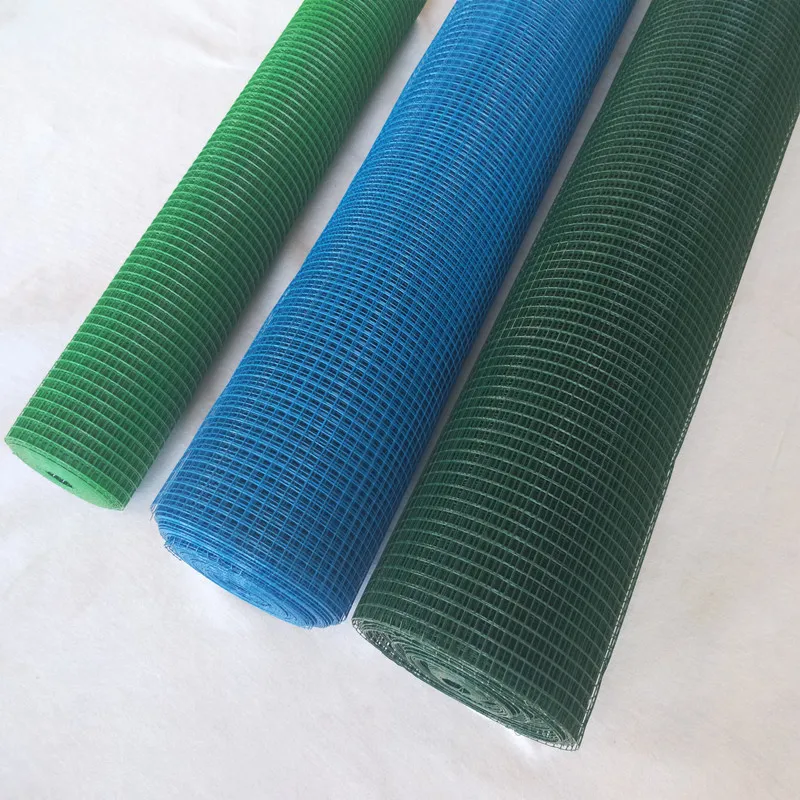
| Finish | Galvanized, PVC coated, stainless |
| Vendor | Material Options | Price Range (per m²) | Global Shipping | Customization |
|---|---|---|---|---|
| Tike Metal | Galvanized & Stainless Steel | $3 – $6 | Yes | Widths, Lengths, Coatings |
| SteelPro Mesh | Hot Dip Galvanized | $2.5 – $5 | Limited | Cut to length |
| Global Wire Inc. | Stainless Steel, PVC Coated | $4 – $7 | Yes | Full Custom Design |
Practically, using 1 cm wire mesh is about reliability—manufacturers enjoy material consistent enough to reduce waste, while users benefit from safety and longevity. Its strength fosters structural integrity in reinforced concrete, while its mesh size fends off small particles or pests as needed in agriculture and filtration.
Emotionally—and this might be overlooked—the mesh offers community safety and dignity. For example, in disaster relief shelters, it protects families from potential hazards and pry eyes, fostering a degree of normalcy during chaos.
Environmental sustainability is a big win, too. Since wire mesh is often recyclable or made from recycled content, it fits within a circular economy model better than single-use plastics or timber fencing.
There’s a growing move towards integrating smart technology with traditional materials like wire mesh. Sensor-embedded meshes can monitor corrosion or structural shifts in real time—ideal for high-risk industrial zones.
On the materials side, nanocoatings and eco-friendly protective layers promise enhanced rust prevention without toxic chemicals. The industry is also exploring fully biodegradable composites for temporary meshes used in environmental projects.
Like every material, 1 cm wire mesh has challenges. One common limitation is mesh clogging in filtration uses or mesh distortion during installation, reducing effectiveness. Some regions struggle to source quality galvanized options, affecting durability.
Innovative coating technologies, improved wire-weaving machines, and modular mesh panels help address these. Collaboration between suppliers and on-ground engineers often yields customized solutions that balance cost and performance.
In sum, the humble 1 cm wire mesh packs a punch with its combination of strength, flexibility, and sustainability. From construction sites to disaster relief camps and environmental conservation projects, it forms an indispensable part of resilient infrastructures worldwide. As technologies advance, this mesh’s role will likely grow, especially with smart coatings and eco-friendly materials coming into play.
To explore a wide range of high-quality 1 cm wire mesh products tailored to your specific needs, visit our website at https://www.tikemetal.com. Stay connected, stay protected!
This often-overlooked mesh, measuring just one centimeter between wires, is a subtle yet powerful tool underpinning safety, innovation, and sustainability worldwide. Worth a closer look, indeed.
References:
RELATED PRODUCTS





Top