In a world where boundaries often need to be set up rapidly and moved just as quickly, the temporary chain link fence has become an unsung hero in industries ranging from construction to emergency management. It’s not just about corralling spaces; it’s about safety, flexibility, and economic sense on a global scale. When you get a handle on what these fences offer, suddenly, managing space—whether a construction site in downtown Tokyo or a relief camp in Haiti—feels much more doable.
As urban areas grow and humanitarian crises unfortunately persist, the demand for rapid, reliable fencing solutions only intensifies. According to UNHCR, over 100 million people worldwide were displaced by mid-2023 due to conflict or disaster, where quick enclosure setups often became critical.[1] Meanwhile, the construction industry—the backbone of urban expansion—faces thousands of projects that require temporary but strong site boundaries to protect workers and equipment.
These fences tackle a very tangible problem: how to create safe, secure boundaries that can be quickly assembled, moved, or dismantled without excessive costs or environmental footprints.
Globally, around 40% of construction delays relate to security issues, so having a dependable temporary fencing system can shave time and stress off projects.[2] That said, not all temporary fences are created equal, and chain link fencing often strikes a practical balance between cost, durability, and usability.
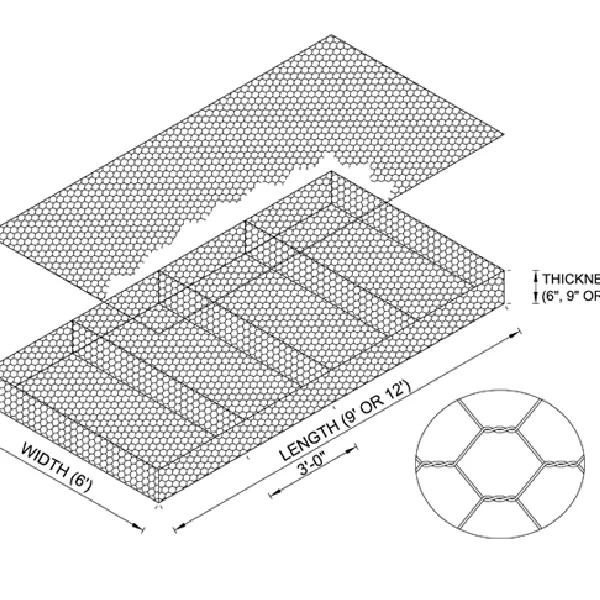
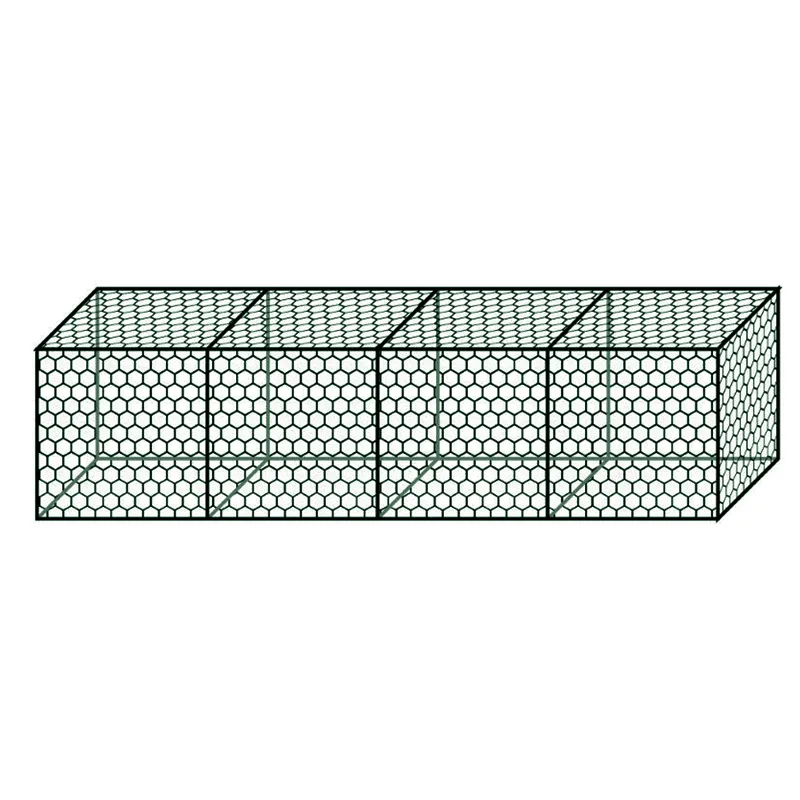
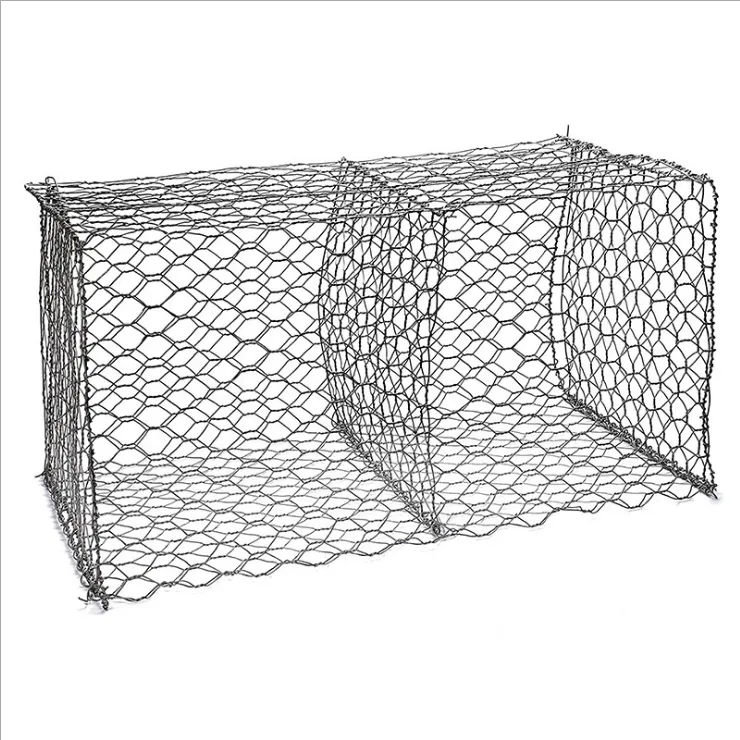
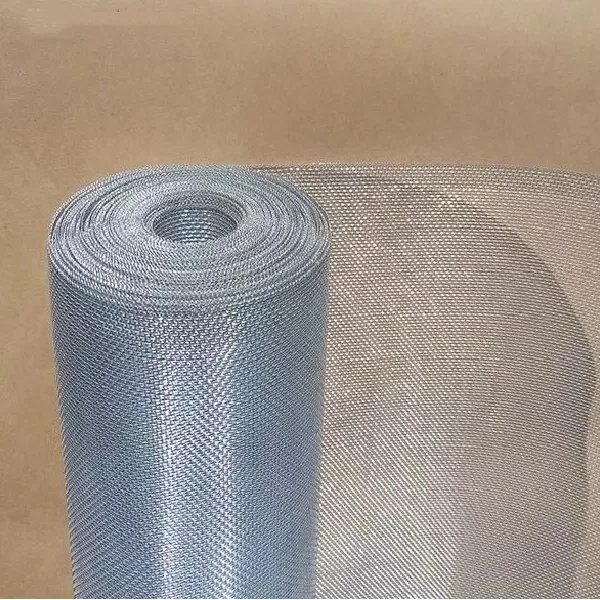
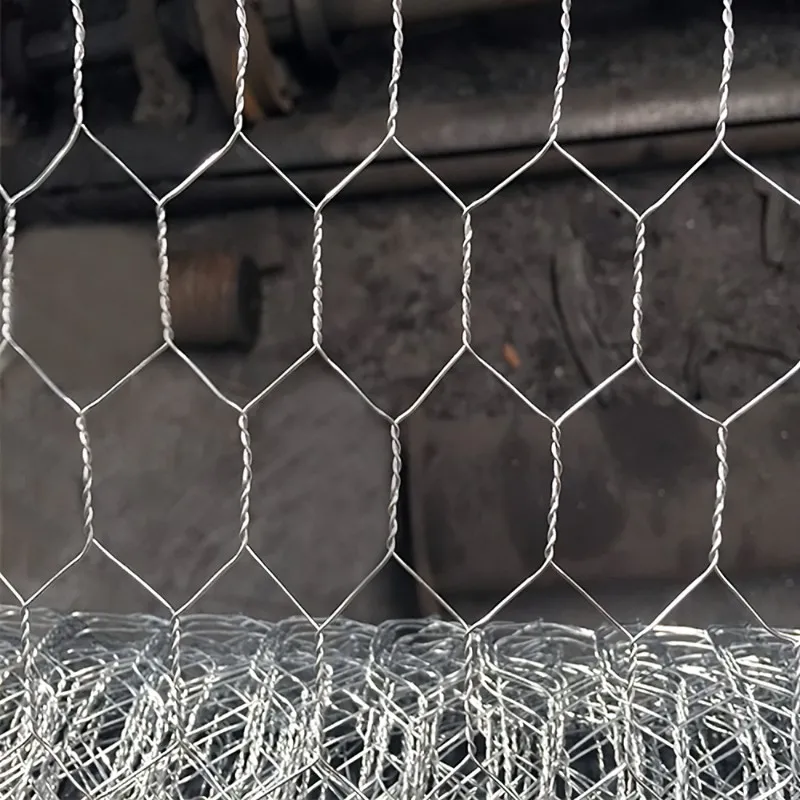
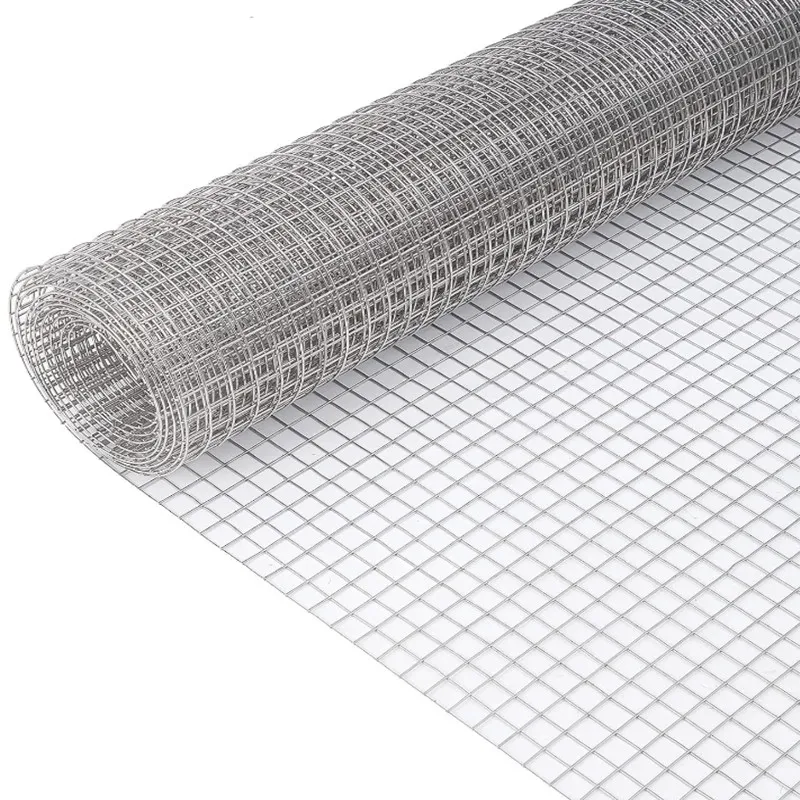
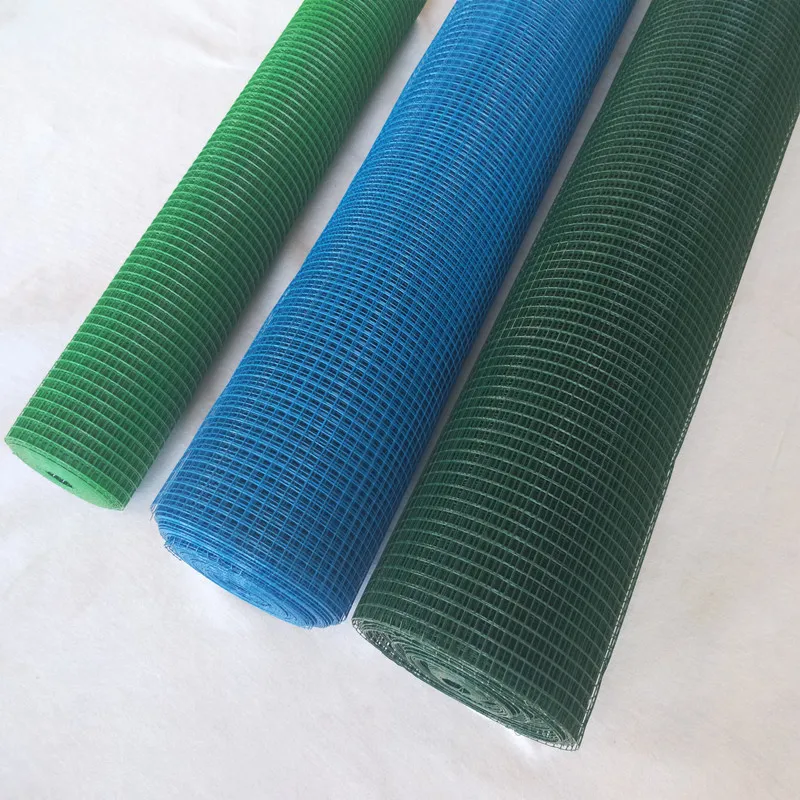
Put simply, temporary chain link fence refers to a freestanding, movable fencing system composed mainly of galvanized steel wire mesh panels fixed in frames designed for quick installation and removal. Unlike permanent fencing, they’re designed to be modular, reusable, and adaptable for changing site conditions or varied security needs.
Interestingly, the design traces back over a century but has evolved to meet modern demands for portability and strength. It’s key in not just industrial sites but humanitarian settings, where establishing boundaries around safe zones, construction, or quarantine areas can be critical.
They’re a physical—and symbolic—line between order and chaos, especially when speed matters.
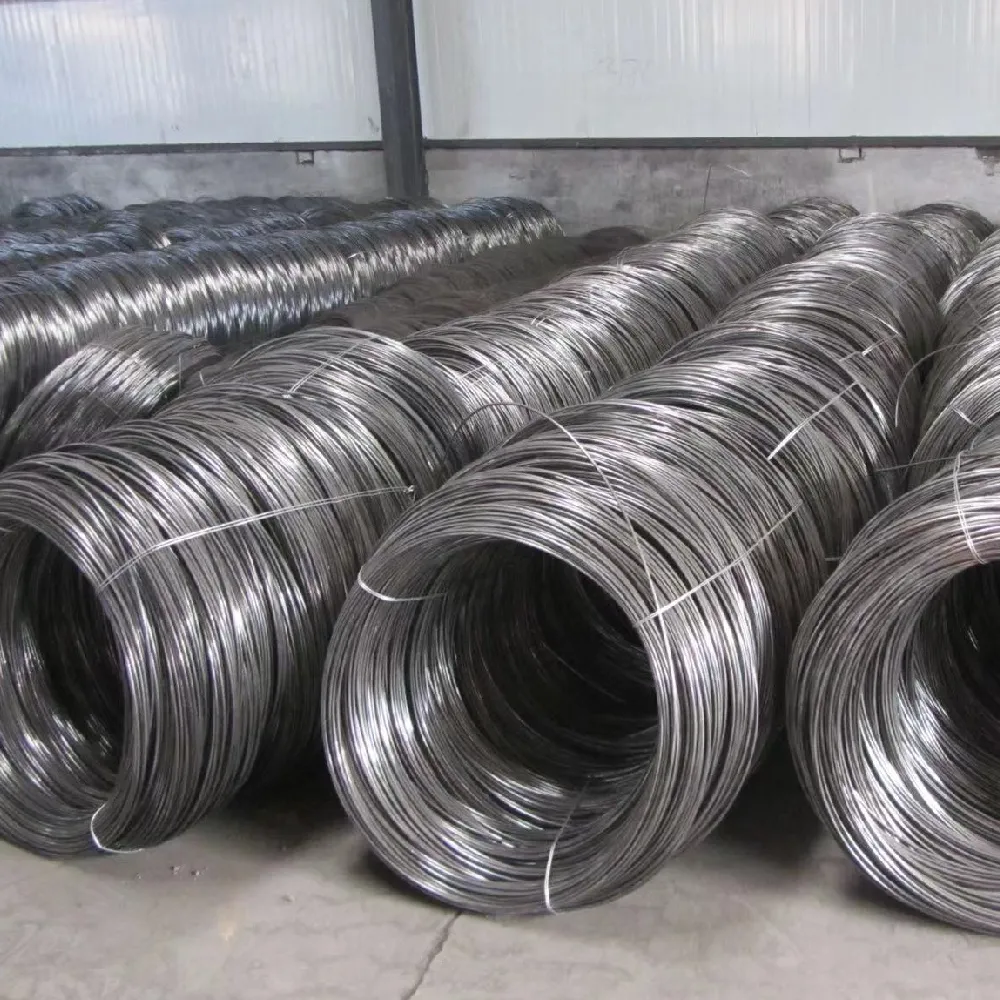
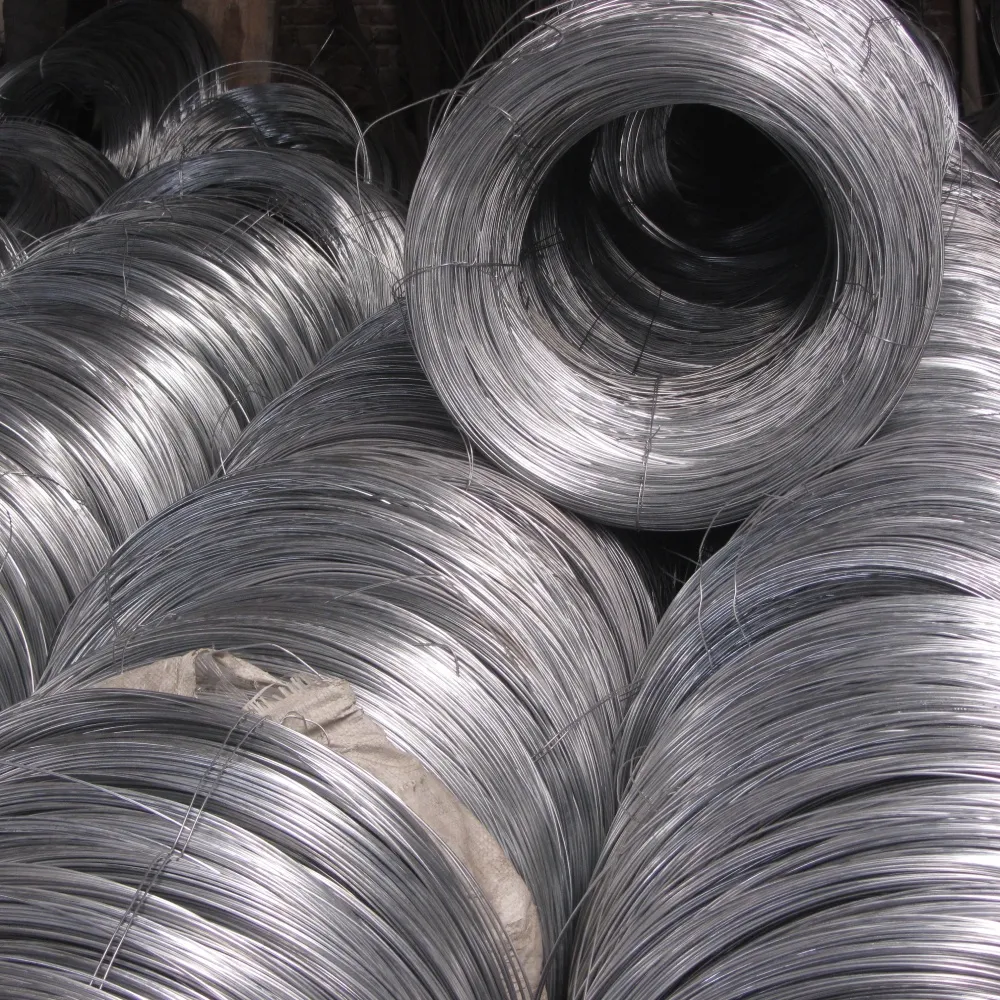
Historically, galvanized steel wire mesh provides the backbone here, resisting corrosion and extending lifespan despite rough weather or site conditions. Nowadays, many manufacturers incorporate coatings to improve resistance even more.
These fences come in standard panel sizes that link together and can be expanded or reduced easily on site. Having that adaptability means they can protect a 500-square-foot space today and scale up next week.
Compared with rigid, permanent fencing solutions, temporary chain link systems strike a fine balance between upfront investment and lifetime value, especially as they’re reusable. The cost per installation cycle tends to be much lower, making it a favorite with contractors and NGOs alike.
The panels and stands are typically lightweight and designed for tool-free or minimal-tool assembly, cutting labor time drastically—crucial during emergency or construction startup phases.
The chain link mesh provides decent visibility while maintaining physical security — letting site managers monitor activity easily without compromising safety.
Mini takeaway: These fences juggle durability, cost, installation speed, and security all at once, which explains their wide use.
Ask anyone in disaster relief—the ability to rapidly cordon off unsafe areas or establish controlled-access zones can save lives. For example, following the 2021 Haiti earthquake, emergency responders deployed temporary fences around medical tents and supply stations to maintain order amid chaos.[3]
In remote mining or oil fields across Canada or Australia, these fences help maintain site safety without leaving permanent marks on the land, which aligns with stricter environmental policies. Urban construction in bustling metropolises from London to Mumbai values these fences for fast, reliable safety boundaries without disrupting heavy pedestrian traffic for long.
Mini takeaway: Across disasters, industries, and events, these fences are about flexibility and adaptability, often in life-or-death situations.
Beyond the nuts-and-bolts, the value lies in reduced risk and enhanced operational confidence. Using temporary chain link fencing means projects don’t halt due to trespass or theft, event organizers can sleep more soundly knowing crowds are contained, and NGOs can run camps with dignity and order.
Environmentally, reusable steel fences reduce the demand for disposable barriers, aligning with sustainability goals many governments and corporations pursue today. Psychologically, a fenced area signals “This is cared for”—which not everyone realizes is important in both industry and humanitarian fields.
| Feature | Typical Value | Notes |
|---|---|---|
| Panel Height | 1.8 m (6 ft) | Adjustable sizes available |
| Panel Width | 2.5 m (8 ft) | Standard modular size |
| Wire Gauge | 9 to 11 gauge | Thicker gauge for heavy-duty uses |
| Coating | Galvanized or PVC-coated | Corrosion resistance |
| Base Type | Concrete weighted or screw-in | Ensures stability without digging |
| Vendor | Lead Time | Material Quality | Customization | Cost Range (USD) |
|---|---|---|---|---|
| Tike Metal | 1-2 weeks | High - galvanized steel | Panels, base types, coatings | $35–$55 per panel |
| FencePro Solutions | 2-3 weeks | Medium - galvanized, lighter gauge | Limited coating options | $30–$45 per panel |
| QuickGuard Fencing | 3-5 days (express options) | High - PVC-coated for durability | Base plate customization only | $40–$60 per panel |
You’d be surprised how a fence can be cutting edge. Solar-powered sensor kits integrated into fencing panels allow remote monitoring of security breaches—handy for remote mines or large events. There’s also a trend towards using recycled materials and eco-friendly coatings to shrink the carbon footprint.
Digital transformation is creeping in too: some startups are developing drone-compatible fencing layouts for rapid deployment in hard-to-reach areas. Even AI-driven access control is testing the waters, especially for construction sites transitioning toward smart safety management.
Not everything is rosy. Common challenges include weight versus portability—lighter panels can sacrifice strength. Corrosion remains a silent enemy in humid climates if coatings aren’t top-notch.
Experts recommend frequent maintenance cycles and modular replacement strategies rather than waiting for full panel swaps. Also, making sure installation crews are well-trained dramatically reduces setup time and safety mishaps.
When you think about temporary fencing, it might seem mundane—but it’s quite the unsung linchpin in global security, safety, and operational success. Whether you’re on a fast-moving construction site, managing a large outdoor event, or coordinating an emergency response, choosing a reliable temporary chain link fence pays dividends in time saved, risk reduced, and peace of mind earned.
Visit our website at https://www.tikemetal.com to explore customizable fencing solutions that’ll fit your specific needs, backed by modern manufacturing standards and global shipping expertise.
It’s funny how a simple mesh barrier can do so much heavy lifting, isn’t it? But maybe it’s just the beautiful simplicity working in the background—doing its job so well no one thinks twice… until it’s gone.
References:
RELATED PRODUCTS





Top