Steel rod fences might sound rather plain at first, but they actually play a surprisingly significant role in various sectors worldwide—from agricultural boundaries to critical infrastructure protection. Knowing what makes a steel rod fence tick isn’t just for fence installers or contractors; it touches on durability, safety, and even sustainability concerns that resonate globally. And frankly, it’s fascinating to see how a seemingly simple fencing solution tackles some complex challenges.
According to the International Organization for Standardization (ISO), materials like steel used in fencing must meet stringent durability and environmental standards to stay relevant in a fast-changing world. With over 4 billion hectares of agricultural land globally (FAO), effective fencing solutions—especially steel rod fences—are crucial to securing crops, livestock, and property. Not to mention, in urban and industrial developments, these fences help with security and safety, addressing challenges like unauthorized access and asset protection.
But here’s the kicker: with climate change increasing extreme weather events, fences need to withstand more stress than ever—a challenge steel rod fencing meets with surprising resilience.
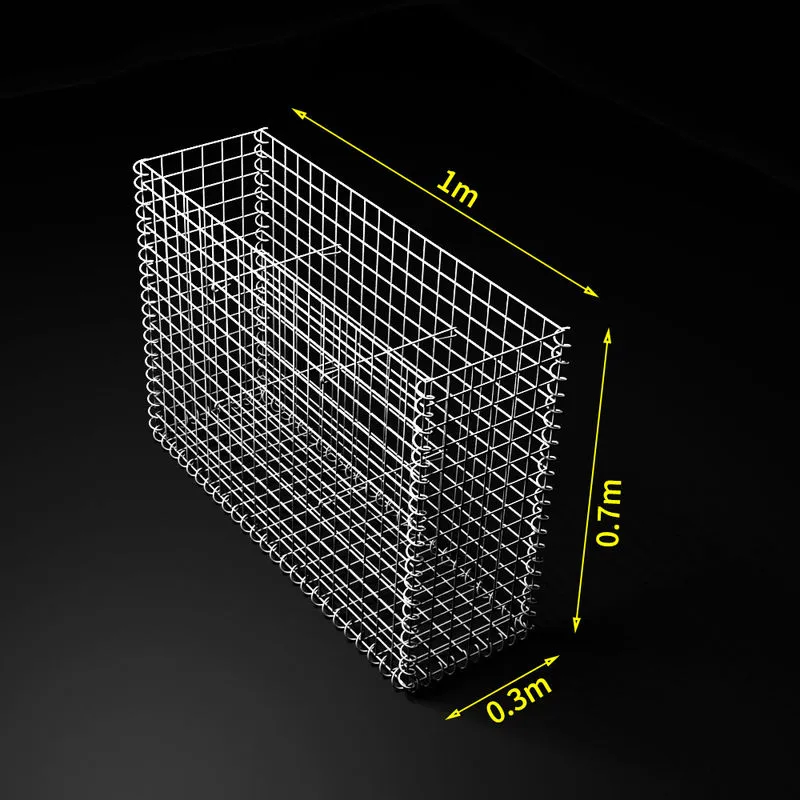
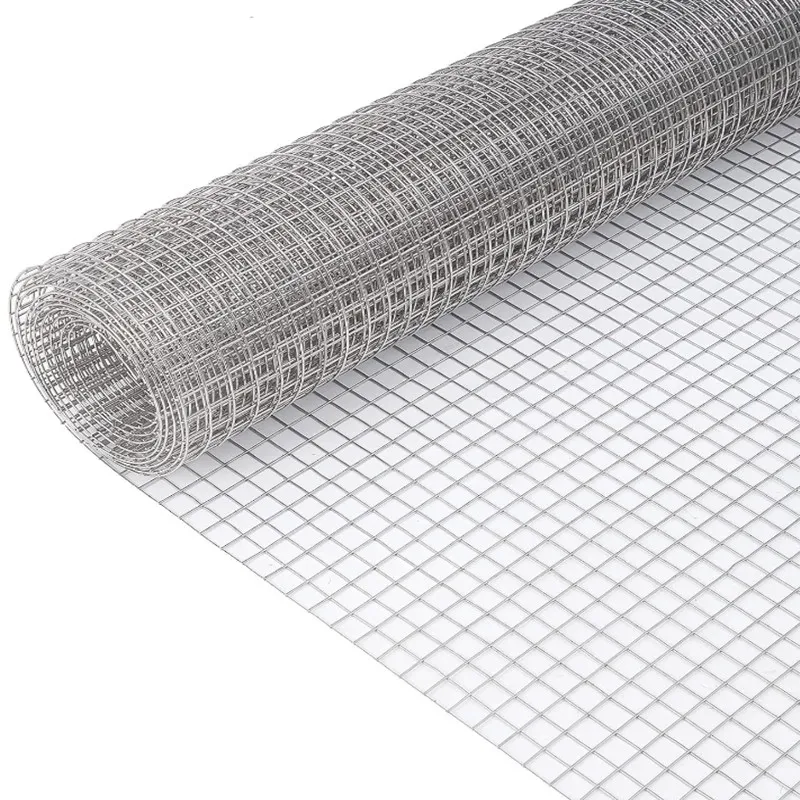
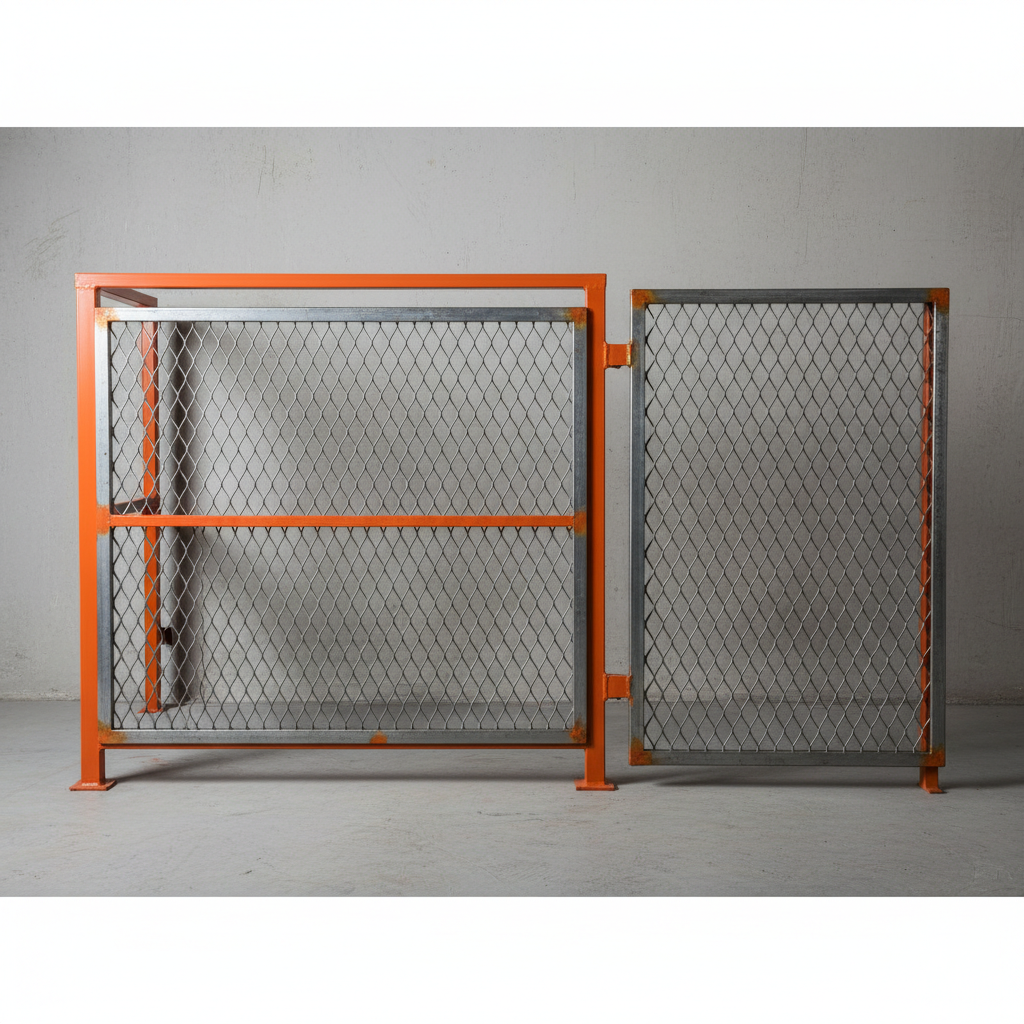
Simply put, a steel rod fence comprises vertical and horizontal steel rods welded or mechanically fastened together to form a durable barrier. Unlike typical wooden or chain-link fences, steel rod fences offer enhanced strength without sacrificing visibility—important for both security and aesthetic purposes.
This design connects closely with modern infrastructure needs (think industrial zones or perimeter security at airports) but also humanitarian efforts such as temporary fencing in disaster relief zones. It’s not just about blocking areas but doing so in a way that lasts, adapts, and respects local environments.
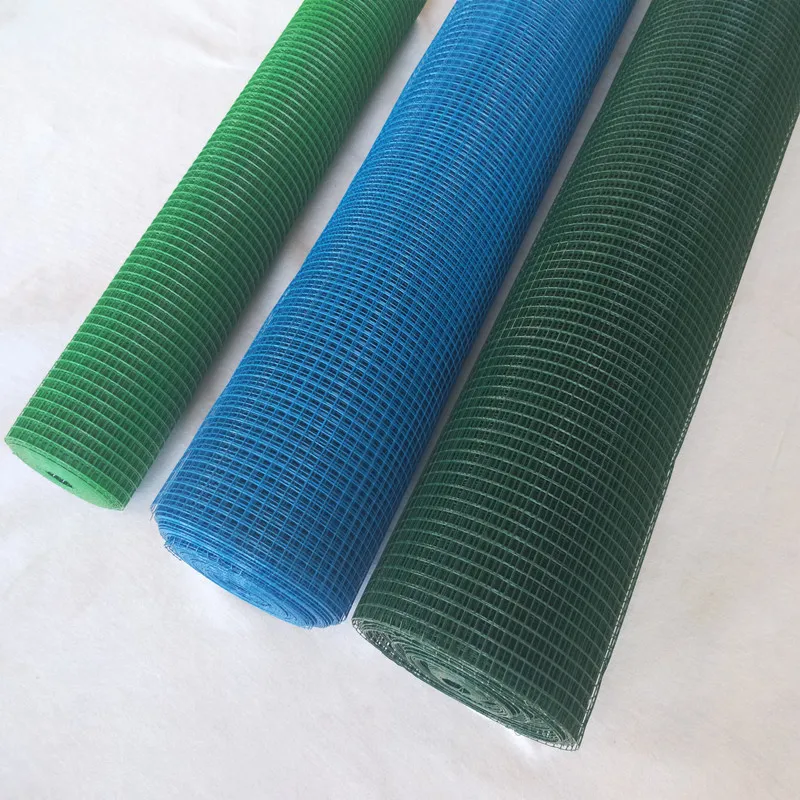
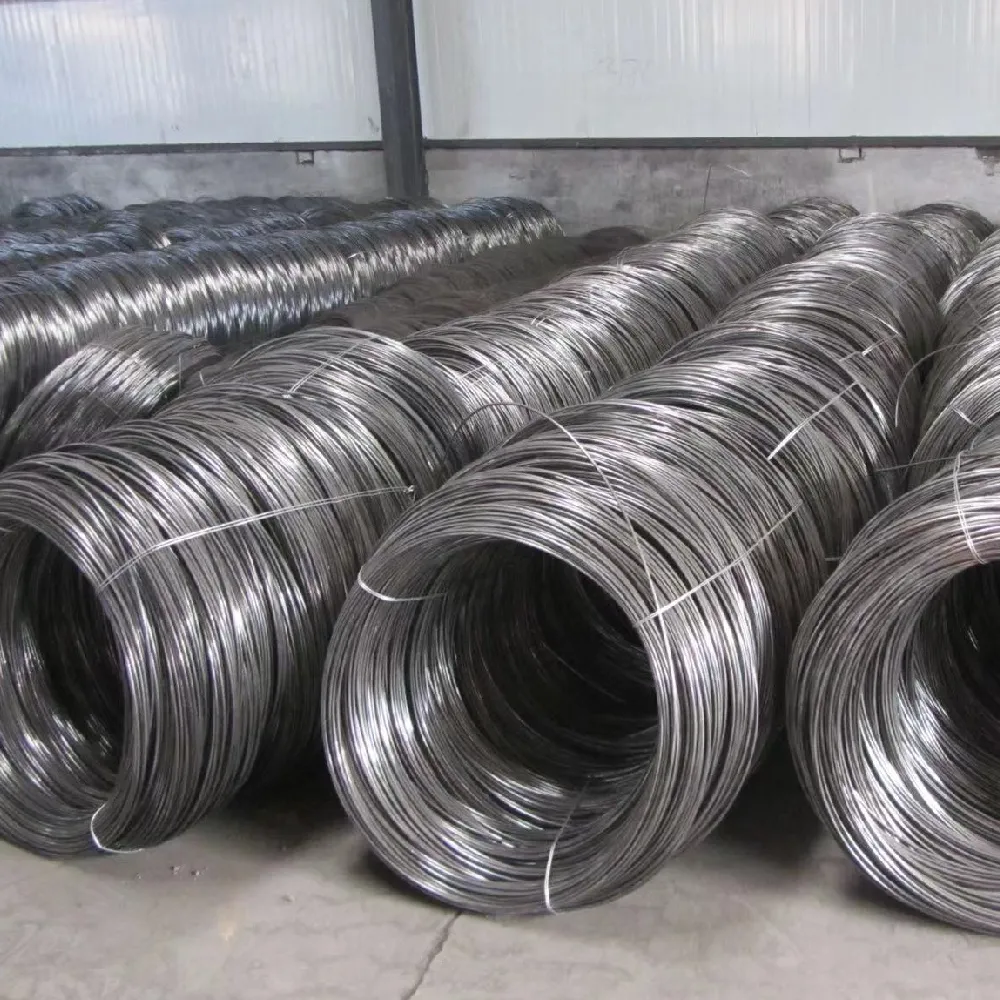
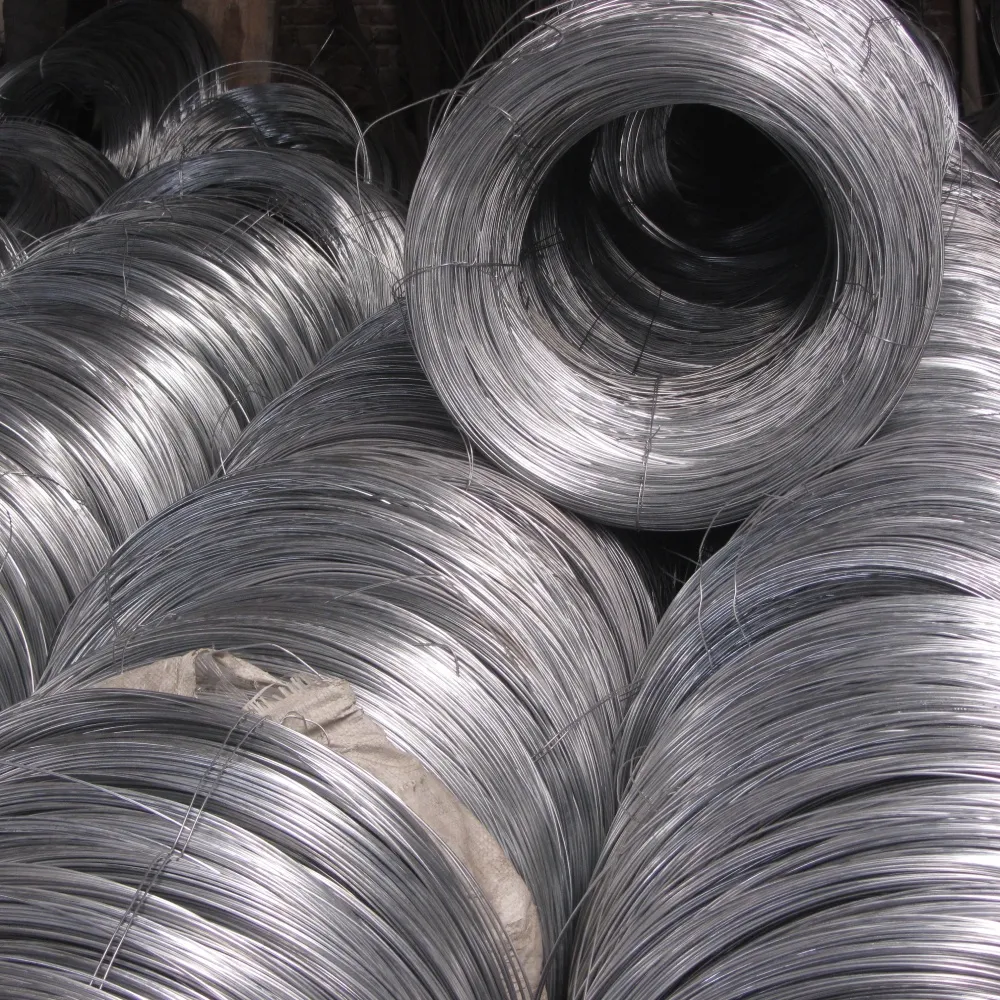
The steel rods are usually made from galvanized or powder-coated steel, giving them resistance to rust and corrosion. This is vital for fences exposed to harsh environments—whether coastal salty air or heavy rains.
The tightly spaced rods deter intrusion attempts but allow visibility for surveillance cameras or guards. You don’t lose that essential “see-through” advantage, unlike solid fencing.
Modular designs help installers quickly scale fencing lengths or adjust heights depending on the site’s needs. Add different finishes or rod diameters, and the fence adapts to preferences—whether for aesthetic in a residential area or toughness in an industrial zone.
While steel rod fences are initially pricier than simple chain-link options, their longevity and low maintenance cut costs over time. Essentially, fewer replacements and repairs translate to serious savings.
Steel is recyclable, making these fences a more eco-friendly choice than many plastic or treated wood alternatives. Some vendors even prioritize sourcing from recycled steel, aligning with global sustainability efforts.
You’ll find steel rod fences in surprising places:
For example, a medium-size fruit farm in Chile explained how switching from wooden fences to steel rod fences reduced maintenance downtime by 70%, which was a small but significant improvement to their bottom line.
Cost savings are only part of the story. The social impact is also meaningful—the fence enhances safety, helps maintain property dignity, and supports peace of mind. I suppose it’s that blend of the emotional assurance with the hard logic of financial and environmental benefits that makes steel rod fencing so compelling. In industrial settings, its consistent performance under harsh conditions earns trust—which frankly is priceless.
| Feature | Specification |
|---|---|
| Material | Galvanized steel or powder-coated steel |
| Rod Diameter | 4 mm – 12 mm (customizable) |
| Panel Size | 2 m height × 2.5 m width (standard) |
| Finish | Hot-dip galvanization or epoxy powder coating |
| Lifespan | 15 to 25 years (depending on conditions) |
| Vendor | Material Quality | Customization Options | Lead Time | Price Range |
|---|---|---|---|---|
| Tike Metal | Premium galvanized steel | High (custom rod diameters, finishes) | 2-4 weeks | $$$ |
| SteelCo | Standard galvanized | Medium | 3-6 weeks | $$ |
| FenceWorks | Powder-coated steel | Low | 1-2 weeks | $ |
Innovation isn’t just a buzzword here. There’s a clear push toward integrating sensors directly into steel rod fences—to detect breaches or structural weakening using IoT (Internet of Things) technologies. Plus, greener steel production methods are gaining traction, aligning fencing products with sustainability goals. Oddly enough, digital design and customization tools also mean clients can preview exactly what their fence will look like in place, streamlining decision-making.
No solution is perfect. Steel rod fences can suffer from damage in high-impact zones or corrosion if coatings fail. However, engineers recommend regular inspections and combining steel fencing with other materials for shock absorption when needed.
Another common concern is installation cost, but the long-term savings usually justify the initial investment. Also, collaborating with trusted vendors like Tike Metal helps ensure quality control and timely deliveries.
In real terms, steel rod fence is a smart, dependable solution that combines longevity, safety, and sustainability. It’s a small part of a bigger picture—securing spaces and supporting industries globally amid evolving environmental and social challenges. Want to explore how steel rod fences can serve your project? Visit our website for detailed product info and expert guidance.
Reflecting on all this, it feels like steel rod fencing perfectly blends traditional industrial strength with modern innovation—a quiet guardian we sometimes overlook.
RELATED PRODUCTS





Top