Steel rail fence may sound like a simple term, but its global importance is anything but. This type of fencing plays a crucial role in everything from securing vital infrastructure to defining boundaries in agricultural and industrial zones worldwide. Oddly enough, while fencing feels like a basic topic, its impact stretches across safety, sustainability, and cost efficiency — especially in places where durability and reliability matter the most. By understanding steel rail fence, we tap into a solution that balances strength, versatility, and long-term value, a true unsung hero in many sectors.
Across continents—whether it’s the sprawling ranches of Australia, busy industrial parks in Europe, or critical infrastructure zones in the United States—steel rail fencing is highly valued. According to various infrastructural surveys by organizations like the International Organization for Standardization (ISO), nearly 70% of fences installed in industrial and agricultural settings incorporate some form of steel due to its balance of strength and flexibility.
But here’s the rub: many regions face challenges related to climate, vandalism, or budget constraints that cheap alternatives simply can’t meet over time. This raises a problem steel rail fences address quite directly: how to maintain security, safety, and enclosure without constant replacement or repairs.
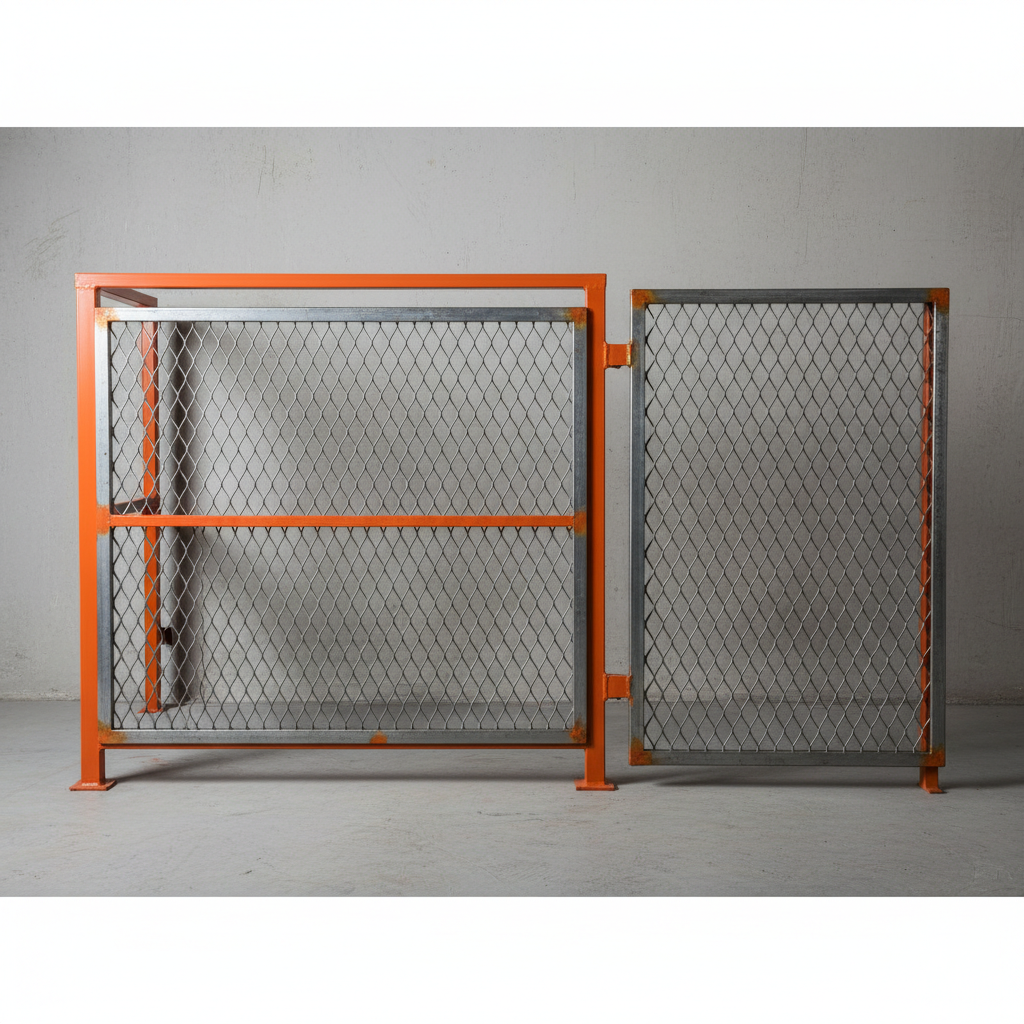
In straightforward terms, a steel rail fence is a type of fence system constructed primarily with horizontal steel rails, usually supported by steel or wooden posts. They are typically welded or bolted together, forming a strong, continuous barrier. Unlike chain-link fences or wooden fences, steel rail fences provide a sleek, solid look that often withstands heavy weather conditions or impact with better longevity.
From an industrial standpoint, these fences help companies protect valuable assets and maintain controlled perimeters. On the humanitarian side, they’re sometimes employed in refugee camps or relief zones to demarcate safe areas while ensuring a robust barrier that symbolizes order and safety amid chaos.
Steel rail fences are often galvanized or powder-coated, which helps them resist rust and corrosion for decades. When you consider fence maintenance, durability isn’t just a bonus—it’s a necessity, especially in coastal or humid environments.
These fences come in different heights and rail numbers (2-4 rails is common), allowing flexibility depending on need—whether for livestock containment or high-security areas.
Though the upfront cost might be higher than wooden alternatives, the long-term savings on maintenance and replacements typically outweigh initial expenses.
Steel rail fences are designed for relatively straightforward assembly, which can reduce labor costs and project duration, a real plus in large-scale fencing projects.
The open design of rails (vs. solid panels) ensures visibility, which is vital for optical monitoring and animal welfare on farms.
| Specification | Details |
|---|---|
| Material | Galvanized Steel, Powder-Coated Steel |
| Rail Count | Typically 2 to 4 horizontal rails |
| Post Spacing | 6-10 feet apart depending on configuration |
| Height Range | 3 to 6 feet standard; custom available |
| Coating Type | Hot-dip Galvanized / Epoxy Powder Coat |
| Typical Uses | Agricultural, Industrial, Security perimeters |
Steel rail fences see action globally, from the rugged farming landscapes of New Zealand to high-security airports in North America. They’re often the go-to solution in situations where a mix of strength, visibility, and longevity is critical. For example:
In each case, the choice of steel rail fencing isn’t random—it matches the unique needs of the site, geography, and climatic challenges.
Purchasing a steel rail fence offers more than just a physical barrier. There’s something reassuring about a fence that doesn’t warp, break, or require constant patching. Frankly, it translates into fewer headaches for landowners and site managers alike.
On the sustainability front, many manufacturers now use recycled steel and environmentally friendly coatings. This approach means the fence itself is part of a circular economy. Emotionally, these fences provide a sense of safety and dignity—especially where fencing marks boundaries between security and vulnerability.
| Vendor | Material Quality | Customization Options | Lead Time | Pricing |
|---|---|---|---|---|
| Tike Metal | High-grade galvanized and powder coated | Full rail & height customization | 4-6 weeks | Competitive |
| Global Fence Co. | Standard galvanized steel | Limited options | 6-8 weeks | Mid-range |
| Industrial Rails Inc. | Premium alloys, corrosion resistant | Custom engineering available | 8-10 weeks | Higher end |
Looking ahead, the fencing industry isn’t standing still. Sustainability remains a big push: newer fences might incorporate hybrid materials blending steel with recycled composites to reduce weight and carbon footprint. Plus, digital transformation is touching fencing through sensor integration. You can imagine steel rail fences equipped with smart sensors detecting breaches or structural damage and sending alerts in real time.
Other trends include automation in production and installation techniques, which can reduce waste and speed up project timelines.
One common challenge with steel rail fences is their initial cost compared to alternatives, which sometimes deters smaller projects. However, experts usually stress lifecycle cost analysis to show that steel’s longevity makes it more affordable long-term. Another stumbling block is corrosion, especially in very salty coastal areas—but advancements in coatings have made protection much more effective.
Installation in irregular terrain can be tricky, but custom modular fence panels are solving this by providing adaptable sections that “morph” to terrain slopes without compromising strength.
Steel rail fences blend practicality with long-term value in a way that few fencing solutions can match. Whether you’re securing an industrial site, protecting livestock far from urban centers, or establishing safe zones in challenging environments, their strength, customization, and sustainability are unbeatable. If you’re exploring options, I encourage you to visit Tike Metal—they’re leaders in quality and innovation in this space.
Understanding steel rail fence isn’t just about buying fencing; it’s about investing in durable security and peace of mind for years to come.
Mini takeaway: When it comes to fencing that lasts and adapts, steel rail fences stand out globally with unmatched balance of strength, visibility, and sustainability.
RELATED PRODUCTS





Top