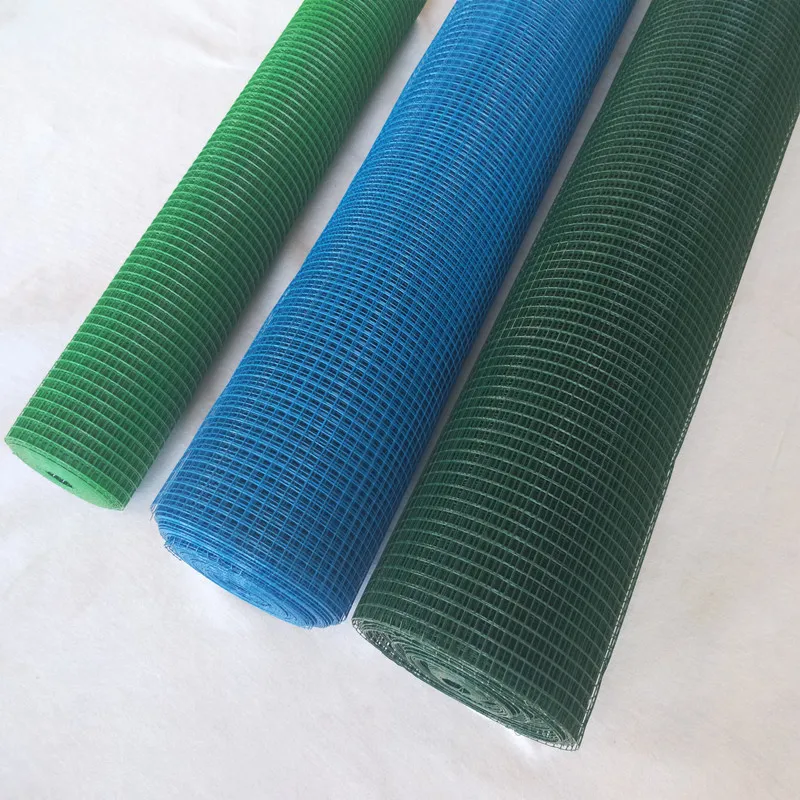
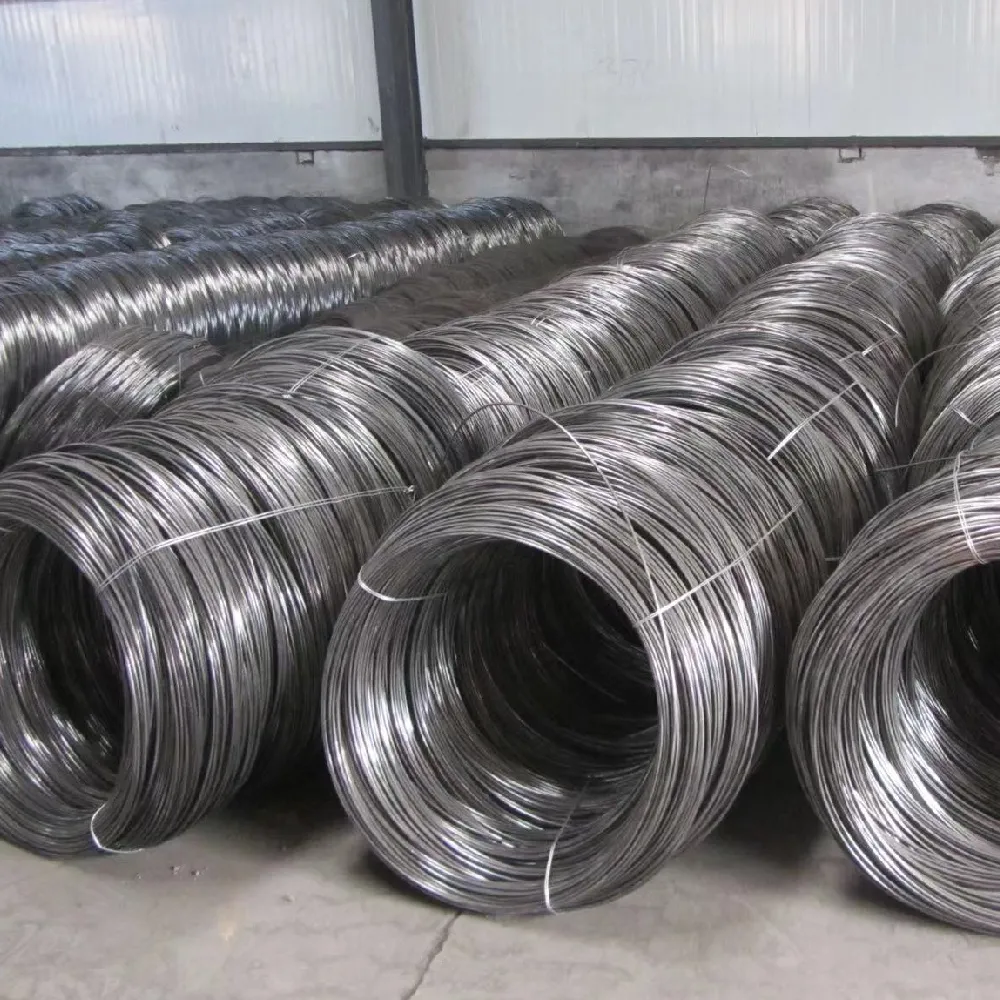
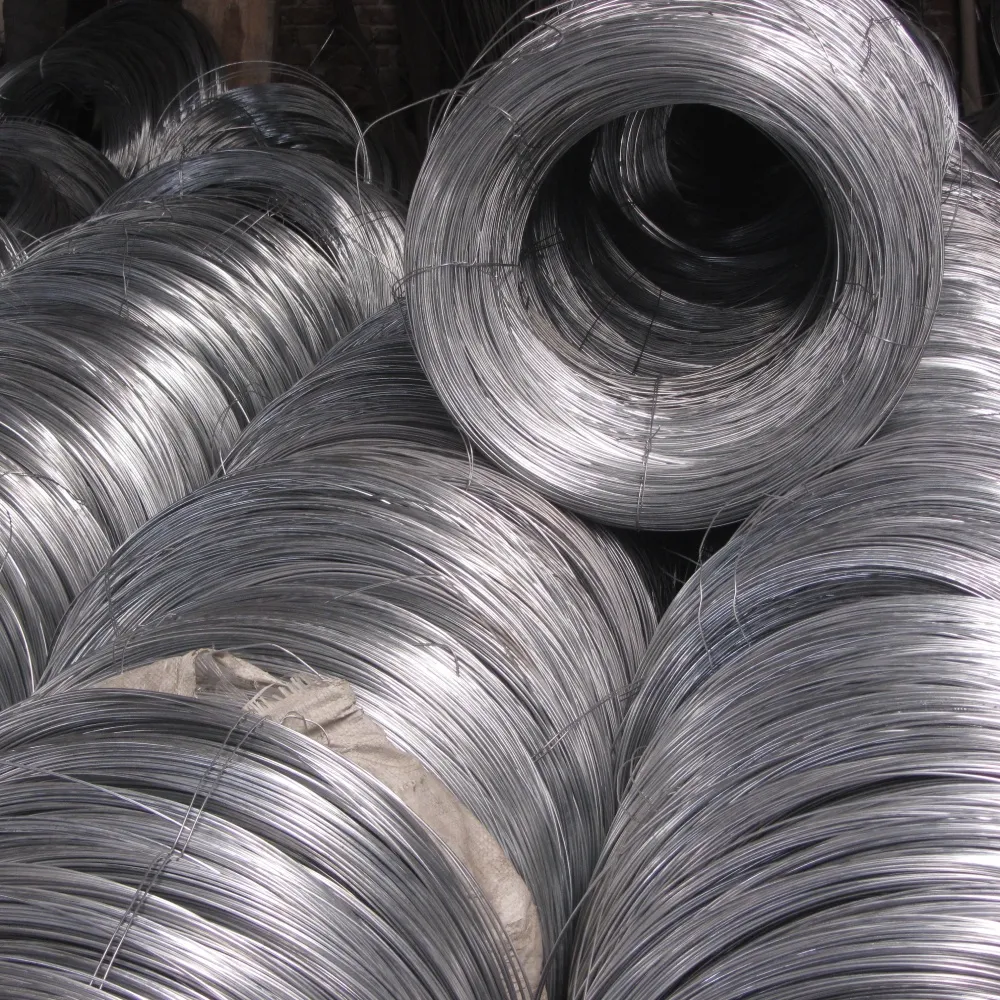
Stainless Steel Mesh is a key solution in the industry, specifically within sectors like filtration, construction, and industrial processing. This article explores how https://www.tikemetal.com supports professionals with durable, high-performance products, and explains why this product is an ideal choice for businesses in these sectors.
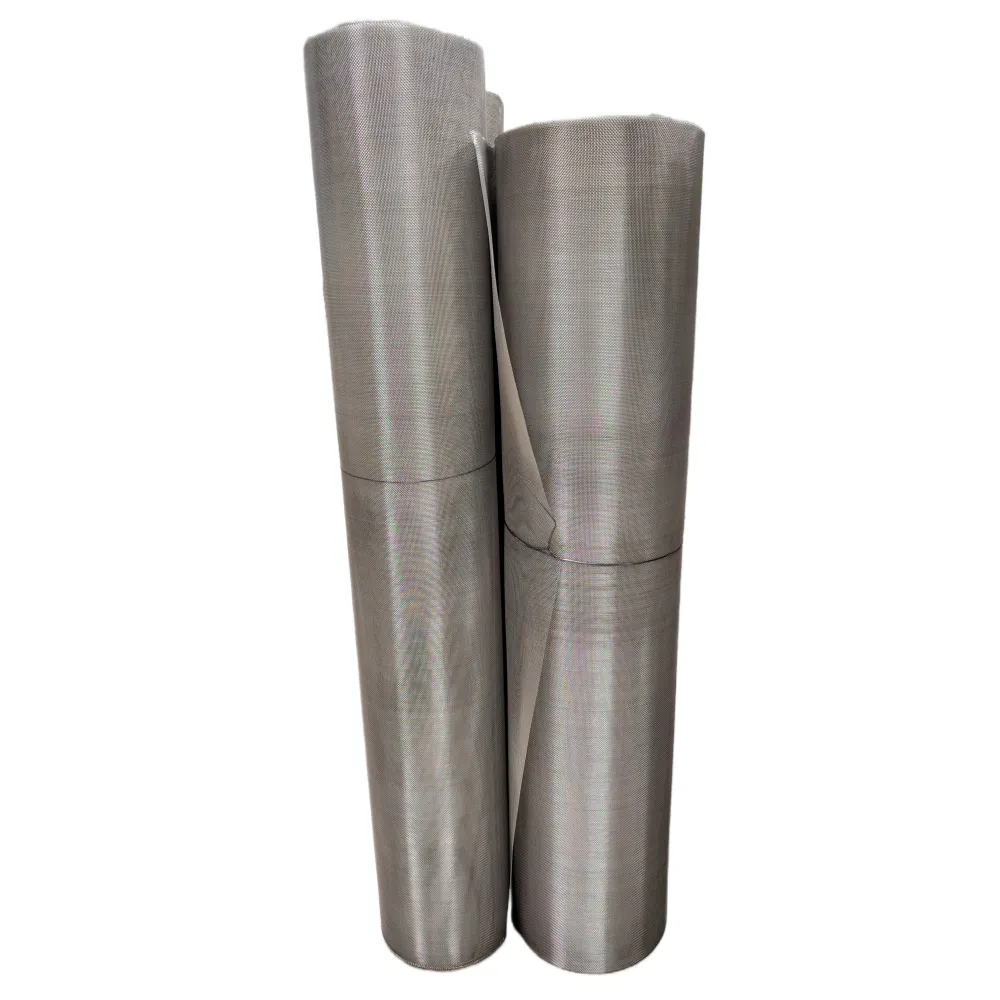
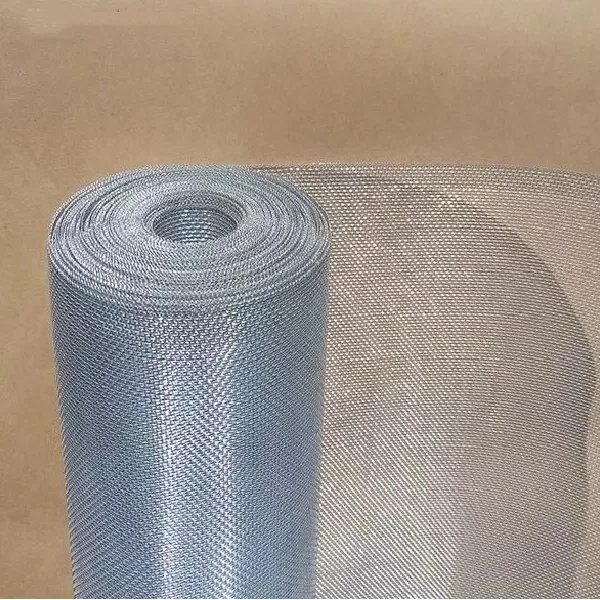
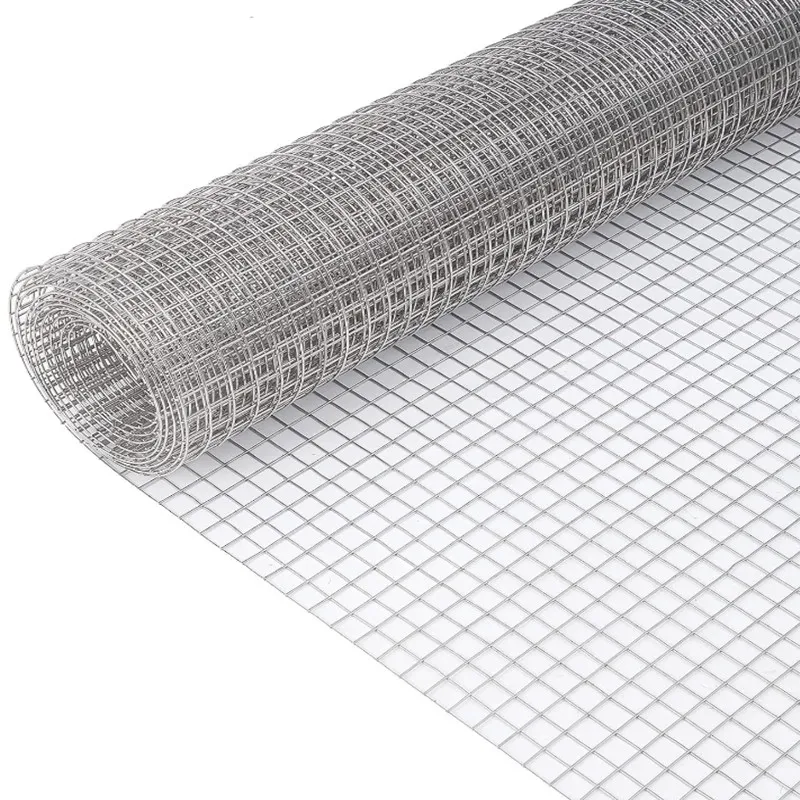
Simply put, stainless steel mesh is woven or welded wire fabric made from corrosion-resistant steel alloys. It offers unmatched durability and versatility, which makes it a staple across a range of demanding industrial applications. You know, it’s not just about looking sleek — the technical specs matter deeply here. For instance, meshes by Tike Metal are known to have high tensile strength, excellent chemical resistance, and consistent pore size distribution, crucial for filtration tasks. In fact, their meshes often undergo rigorous testing for abrasion resistance and structural integrity before shipping. That kind of reliability, frankly, is priceless when your operation can’t afford downtime.
| Specification | Typical Value | Notes |
|---|---|---|
| Material Grade | 304, 316, 316L | Widely used alloys for corrosion resistance |
| Wire Diameter | 0.1–3.0 mm | Customizable depending on use |
| Mesh Count (Openings per inch) | 10–300 mesh | Controls filtration precision |
| Finish | Bright, Matte, Electro-polished | Depends on environmental requirements |
One of the more fascinating things about stainless steel mesh is how broadly it applies across demanding markets — filtration systems, petrochemical processing, architectural design, and even food safety. For filtration, the mesh provides controlled particle size filtering, oftentimes in extreme environments where chemical and temperature resistance become vital. Architects, on the other hand, value it for its aesthetic appeal combined with strength — it can function as sunshades, security screens, or decorative facade elements, resisting rust and corrosion for years. Oddly enough, its flexibility means customization isn’t just possible; it’s expected.
The competitive edge comes down to durability, adaptability, and the sheer range of grades and finishes available through suppliers like Tike Metal. Their product line often features tighter thickness tolerances and controlled pore sizes, meaning engineers can be confident that what they’re getting actually fits their system's specs precisely. That kind of trustworthiness in material supply is rare and valuable.
Cost is often the elephant in the room, especially with more specialized materials like this. Frankly, stainless steel mesh isn’t the cheapest option on the market, but when you factor in total cost of ownership, it’s usually a good bet. Because it resists corrosion, requires less frequent replacement, and needs minimal cleaning, industries find the return on investment quite convincing. Anecdotally, maintenance teams I’ve spoken with say they spend far less man-hours treating surface degradation or unplanned breakdowns compared to other meshes or fabrics.
| Supplier | Range of Mesh Sizes | Material Grades Available | Typical Lead Time |
|---|---|---|---|
| Tike Metal | 10–300 mesh | 304, 316, 316L | 2-4 weeks |
| Vendor B | 50–200 mesh | 304, 430 | 3-5 weeks |
| Vendor C | 20–250 mesh | 304 only | 4-6 weeks |
In real terms, many clients tell me that opting for a premium mesh outright simplifies their procurement and operational cycles. They waste less time troubleshooting mesh failures and more time focusing on production goals or innovative projects.
The sustainability angle often crops up when discussing stainless steel mesh, which is interesting because the product itself lends well to a circular economy approach. Stainless steel is almost infinitely recyclable without loss of quality, and because meshes last longer, you’re indirectly reducing waste streams compared to short-lived alternatives. Plus, evolving regulations in petrochemical and food sectors increasingly push for materials that are traceable and environmentally friendly — stainless steel mesh fits this bill nicely.
Market trends show a steady increase in demand particularly in Asia and North America. Mostly, this comes down to industrial upgrades and a growing awareness about maintenance costs and environmental impact. It’s a neat example of quality and sustainability increasingly walking hand in hand, which I find encouraging.
When you piece it all together, stainless steel mesh really stands out as a high-value, high-performance solution for modern industrial challenges. Whether you’re safeguarding systems, filtering aggressively, or adding a layer of architectural finesse, it fills a versatile role few other materials can match. If you want quality assurance, professional customization, and a partner who knows the product inside and out, please do visit our website: https://www.tikemetal.com.
Reflecting on stainless steel mesh, it’s clear how a simple material can quietly support so much of modern industry — the unsung hero, you might say.
References:
1. Industry Filtration Standards 2023
2. Metals Recycling Association Reports, 2024
3. Tike Metal Technical Datasheets 2023
RELATED PRODUCTS





Top