Rodent Metal Mesh is a key solution in the industry, specifically within sectors vulnerable to rodent damage like agriculture, construction, and food storage. This article explores how https://www.tikemetal.com supports professionals with durable, high-performance products, and explains why this product is an ideal choice for businesses in these sectors.
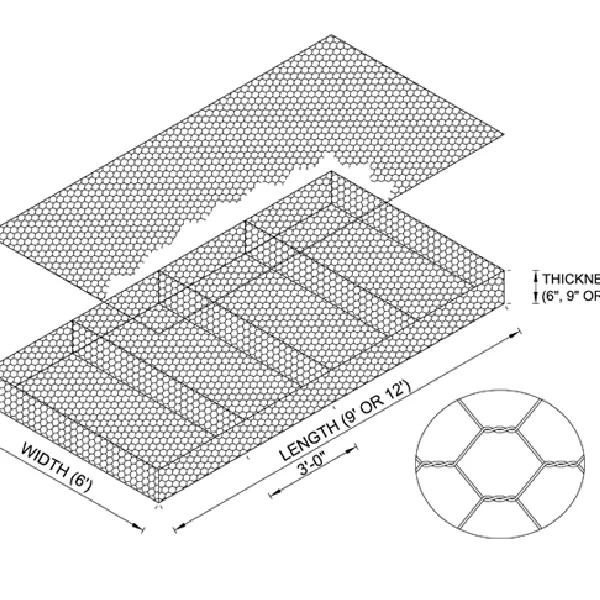
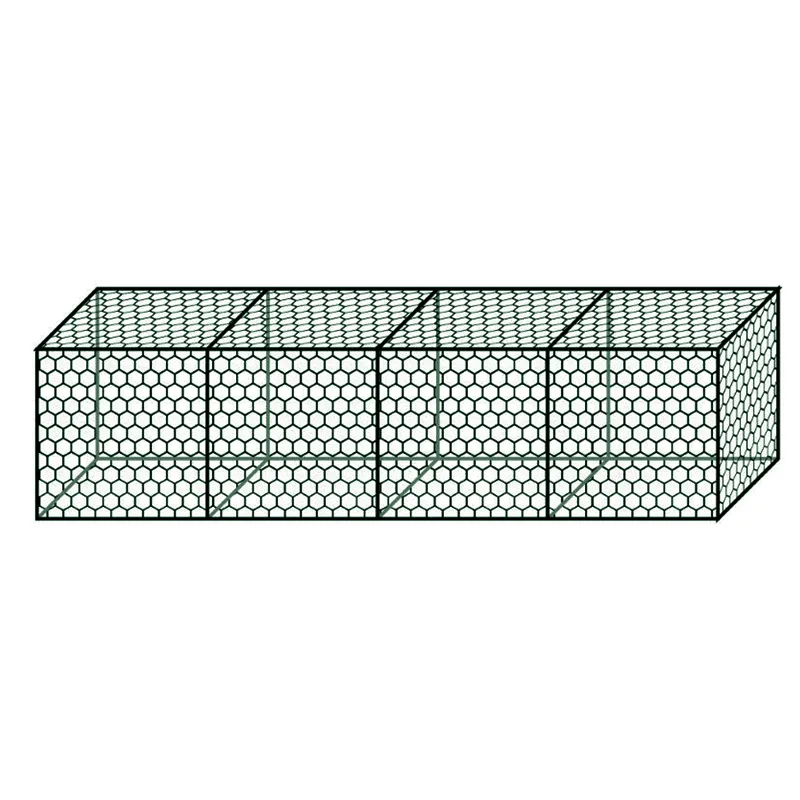
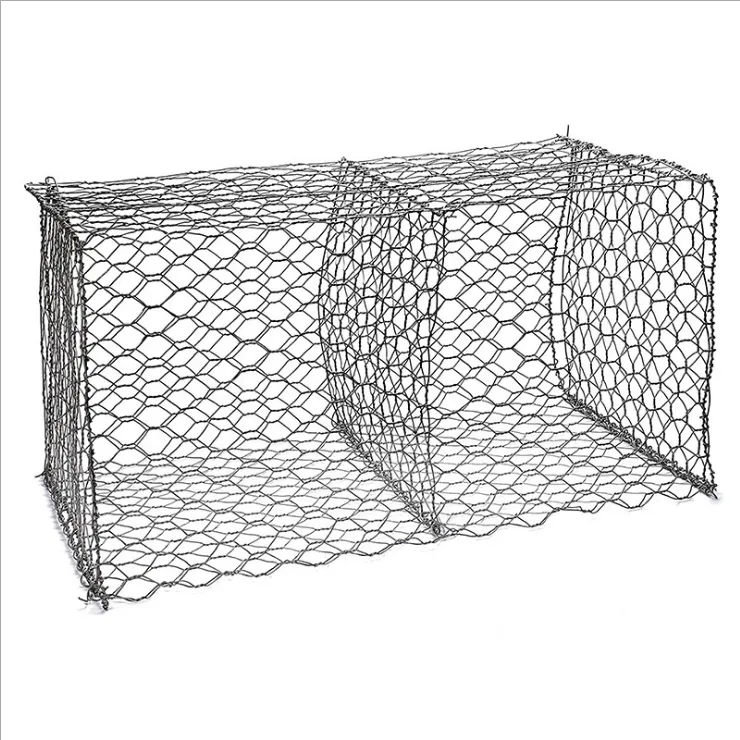
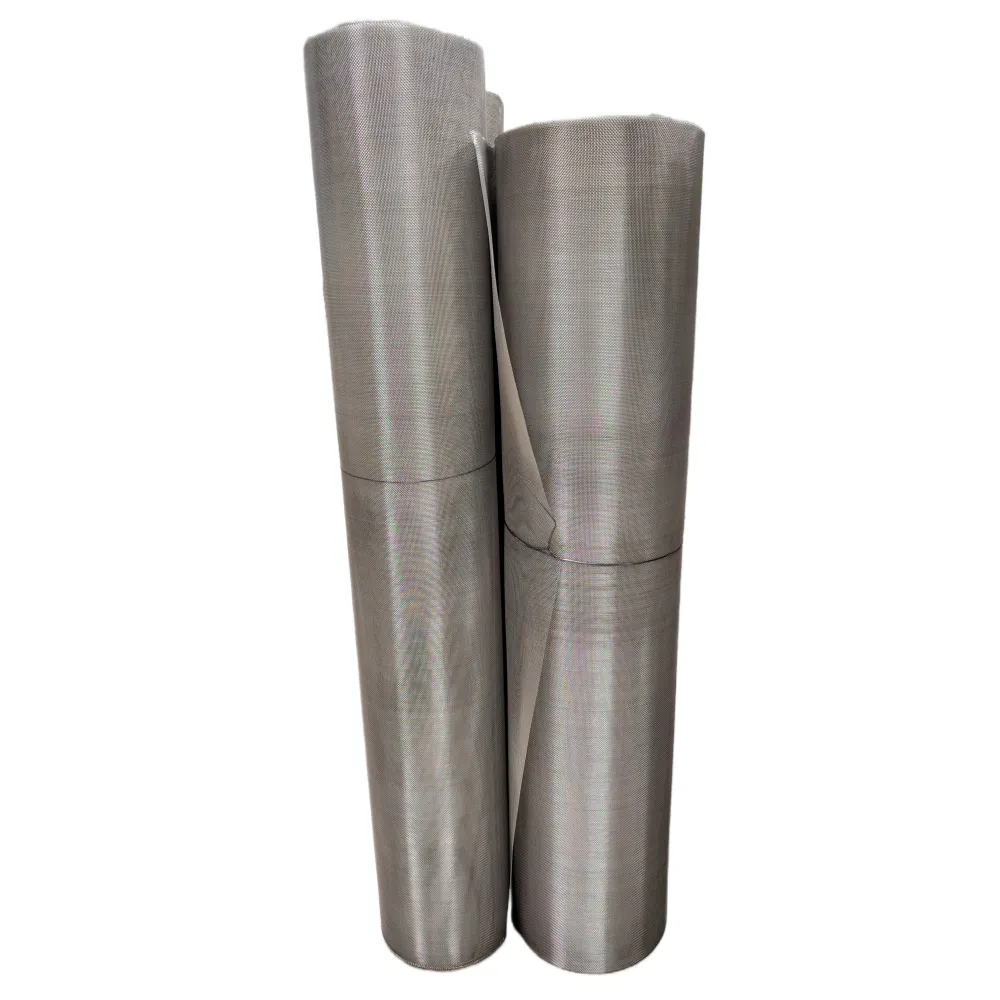
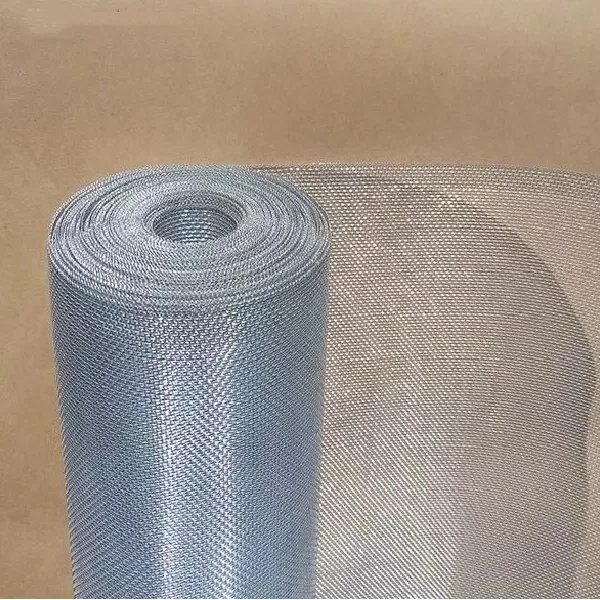
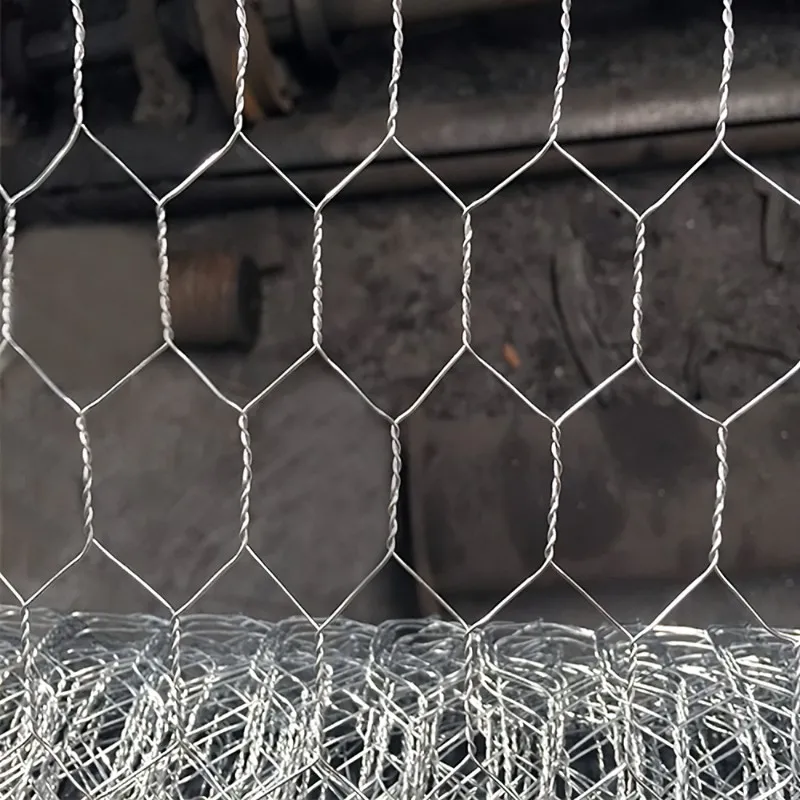
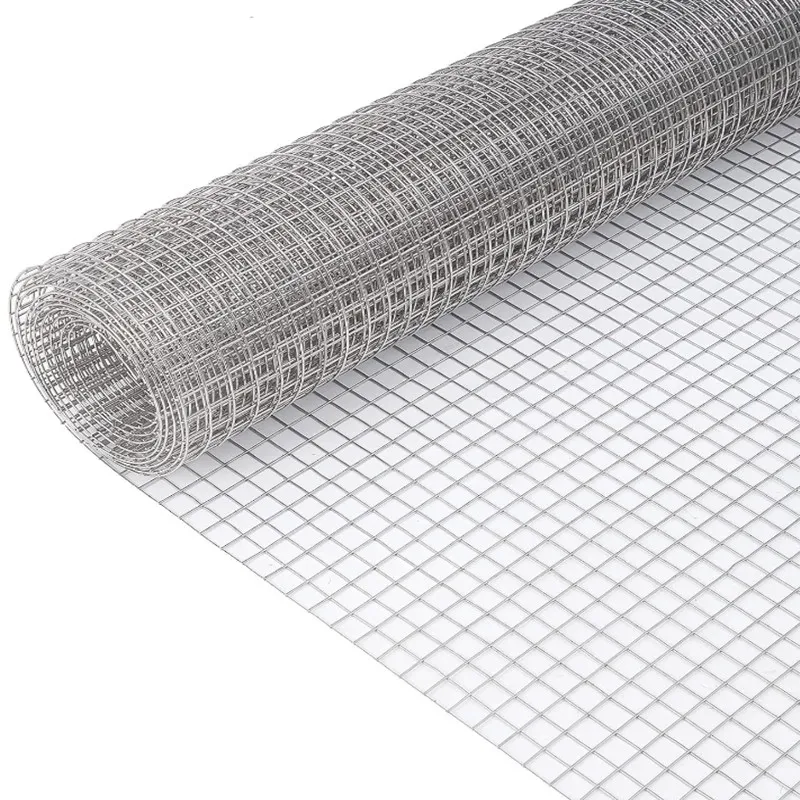
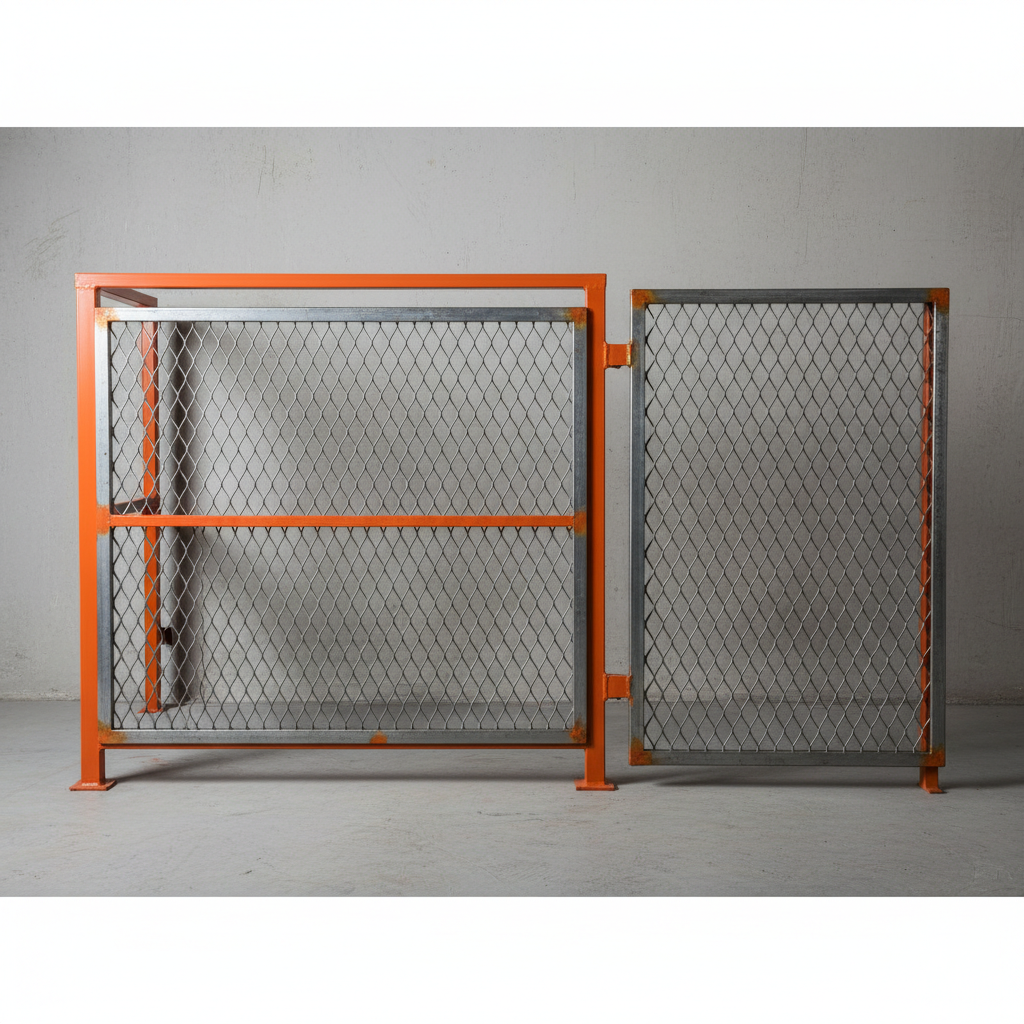
When you first hear “Rodent Metal Mesh,” you might think of just another mesh screen. But it’s actually a clever, tough solution designed specifically to prevent rodents from penetrating structures. It’s a mesh made from galvanized steel or stainless steel, crafted with precision gaps just small enough to block rats, mice, and other pests without compromising airflow or visibility.
From a technical standpoint, the most common specifications hover around mesh openings ranging from 12 to 24 gauge wire thickness, and apertures typically between 1/8” to 1/4” depending on the application. Tikemetal’s products undergo rigorous durability testing – resistance to corrosion, tensile strength, and impact – to ensure longevity in harsh industrial conditions. For example, an agricultural warehouse using rodent metal mesh saw a 40% drop in pest-related damage over a year after switching to this mesh.
| Attribute | Specification | Notes |
|---|---|---|
| Material | Galvanized Steel / Stainless Steel | Optimal corrosion resistance |
| Wire Diameter | 12–24 gauge | Varies by required strength |
| Mesh Opening Size | 1/8” to 1/4” | Small aperture blocks rodents effectively |
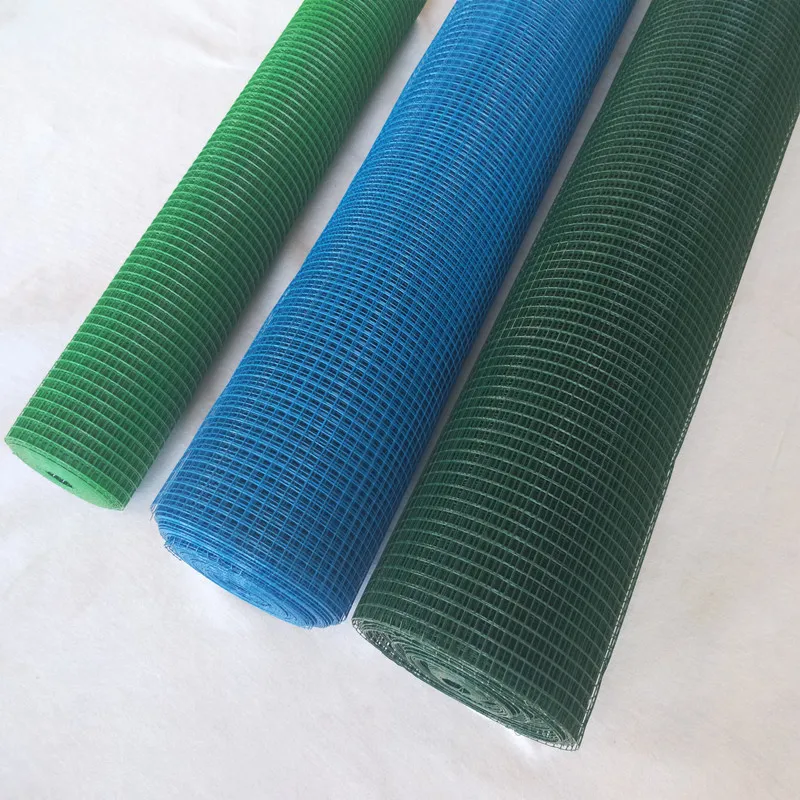
| Finish | Powder coating optional | Enhances aesthetics & longevity |
Now, the benefits of Rodent Metal Mesh extend far beyond just “keeping rodents out.” In industries like food storage, agriculture, and warehousing, preventing pest damage isn’t just about hygiene—it’s a massive economic factor. Tikemetal’s mesh acts as a durable physical barrier that’s easy to install and maintain, withstanding even determined rodents.
You know, many engineers I've spoken with note that the competitive edge of this mesh lies in its strength-to-weight ratio. It can be mounted on windows, vents, and crucially around foundations and machinery openings. Unlike plastic mesh alternatives that rodents can chew through (frankly, it’s almost laughable how quickly those get destroyed), metal mesh is a serious deterrent.
Also, the flexibility in customization—different mesh sizes, coatings, and roll lengths—means businesses can get exactly what fits their needs. Oddly enough, one customer in the beverage industry needed mesh that resisted corrosion from acidic environments; Tikemetal delivered a stainless steel version that held up spectacularly.
The initial cost of Rodent Metal Mesh might feel a bit higher than traditional plastic or fabric meshes. But in real terms, when we look at the total cost of ownership, it quickly makes financial sense. The durability and resistance to environmental wear reduce replacement frequency and associated downtime.
Maintenance is surprisingly low—just routine inspections and occasional cleaning. In some stored grain facilities, users reported nearly zero pest breaches after retrofitting vents with rodent metal mesh, drastically reducing the costs linked to contamination.
I also came across feedback from several logistics companies praising Tikemetal’s excellent customer service and customizable solutions—this kind of experience is gold in B2B. What you want is a partner that understands the precise industrial challenges you’re facing, and frankly, Tikemetal seems to have nailed that.
The demand for more sustainable pest control solutions has undoubtedly pushed Rodent Metal Mesh higher in industrial favor. Compared to chemical deterrents, metal mesh poses no toxic hazards and aligns well with increasingly strict environmental regulations worldwide.
Plus, the market is growing. As businesses become more aware of the hidden costs of rodent damage—especially in food and pharmaceutical sectors—there’s a shift towards physical, eco-friendly barriers. Tikemetal’s focus on recyclable materials and corrosion-resistant coatings fits well with these market expectations.
And don’t underestimate the role of innovation here—advances in manufacturing have made production more efficient and the product more accessible. It feels like we’re finally seeing a merging of tradition (simple, effective mesh) with modern performance needs.
| Feature / Vendor | Tikemetal | Competitor A | Competitor B |
|---|---|---|---|
| Material Options | Galv. & Stainless Steel | Galv. Steel only | Plastic Coated Mesh |
| Customization | Full size, finish options | Limited sizes | Standard sizes only |
| Durability (Corrosion Resistance) | High (powder coat available) | Moderate | Low |
| Lead Time | 2-3 weeks | 4-6 weeks | 2-4 weeks |
| Customer Support | Dedicated B2B team | Generic support | Limited hours |
To wrap up, Rodent Metal Mesh is more than just a mesh—it's a practical, proven component of modern industrial pest management. Its strength, versatility, and sustainability make it a smart investment for any B2B decision-maker looking to protect assets and streamline maintenance. Interested parties should definitely check out Tikemetal’s website to explore options tailored to their exact needs.
Thanks for reading. Hopefully, this gives you a grounded understanding of why Rodent Metal Mesh is becoming an industry favorite.
References:
RELATED PRODUCTS





Top