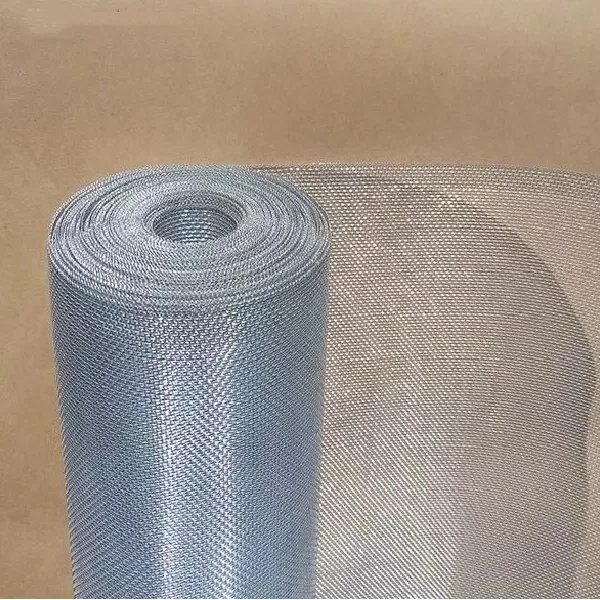
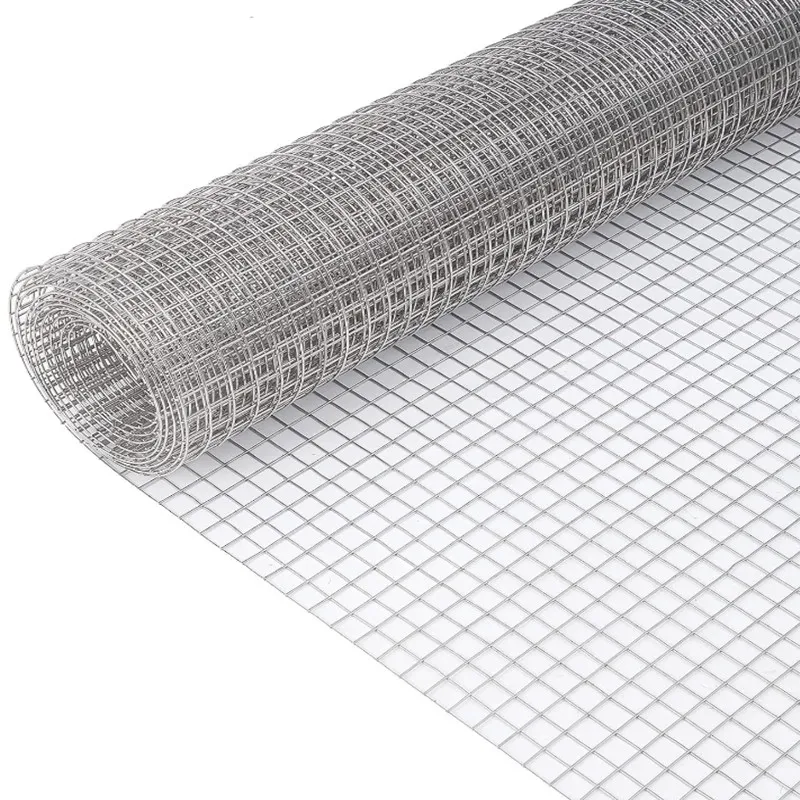
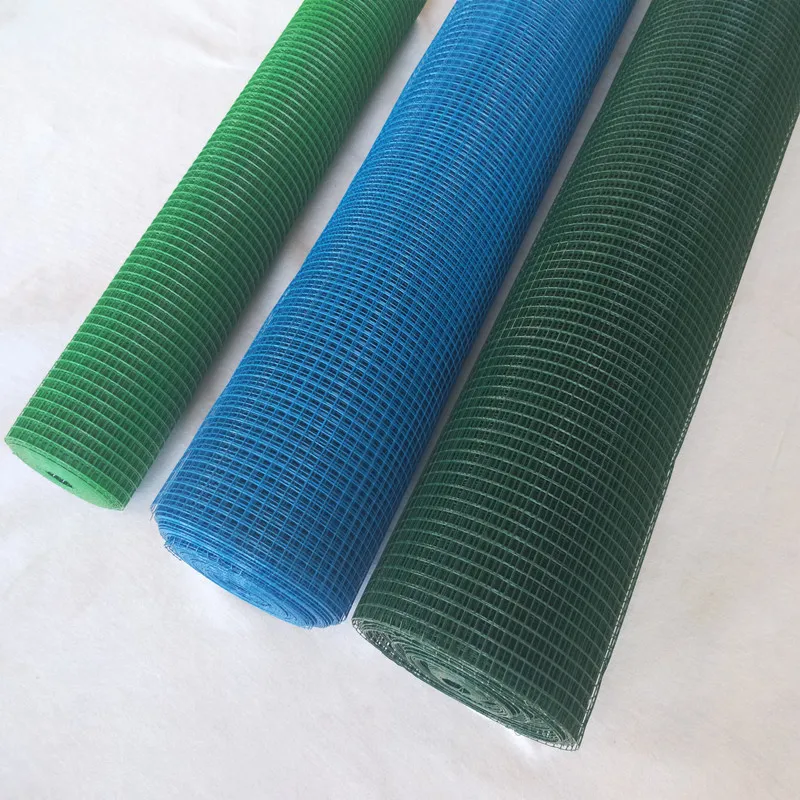
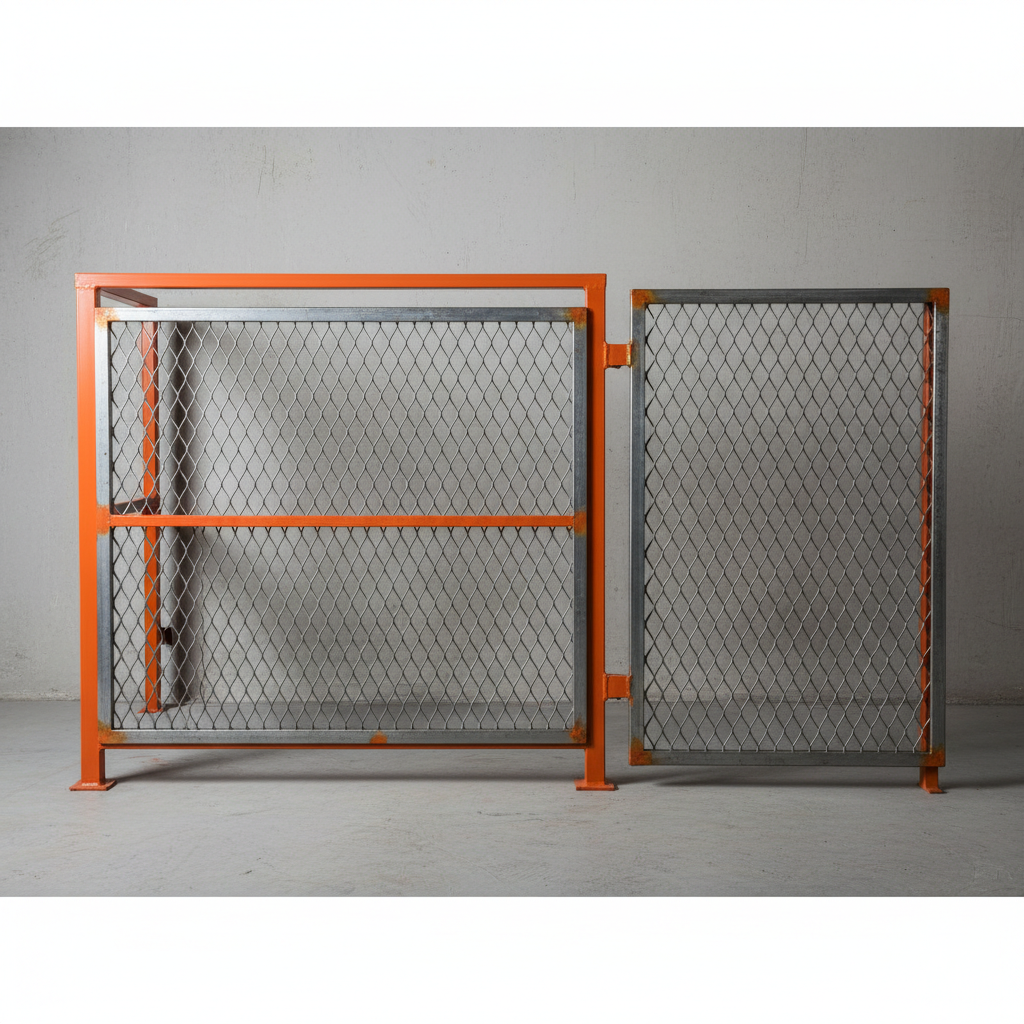
Having worked in the industrial equipment sector for over a decade, I can tell you that a product like rat proof metal mesh is one of those unsung heroes. You hardly notice it until you really need it — then, frankly, it feels like a lifesaver. Whether you’re dealing with food processing plants, warehouses, or construction sites, keeping rodents at bay is a constant challenge. And not just any mesh will cut it. It has to be strong, rust-resistant, and engineered to withstand gnawing rodents and harsh environments without breaking down.
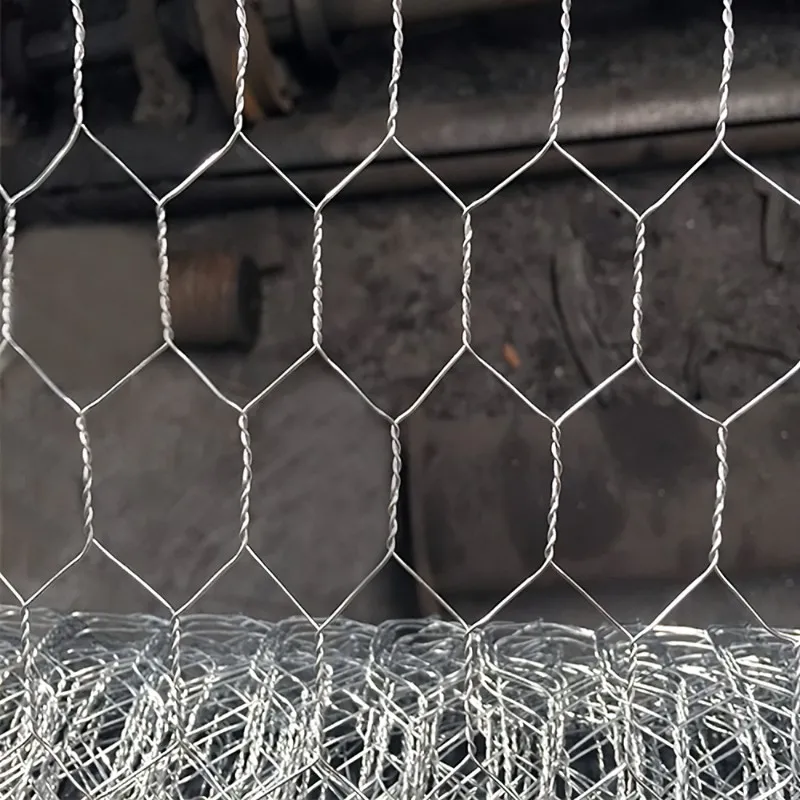
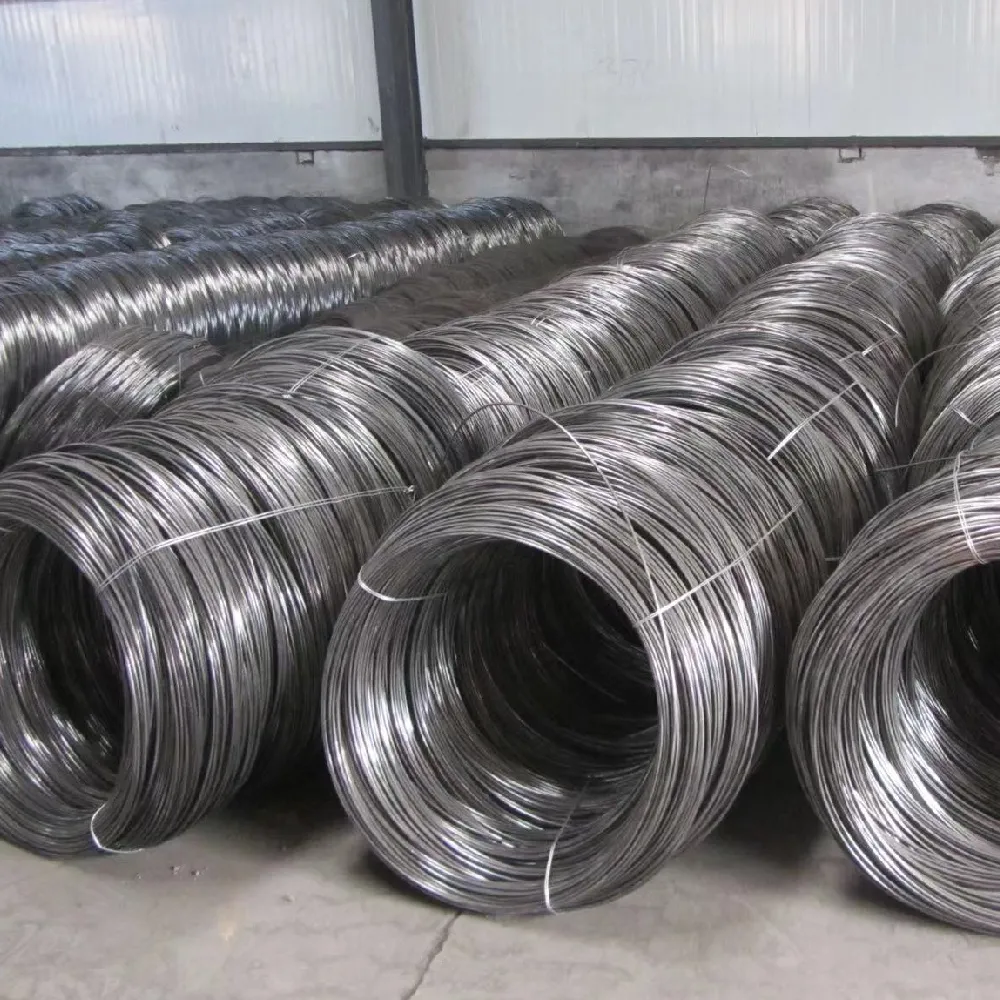
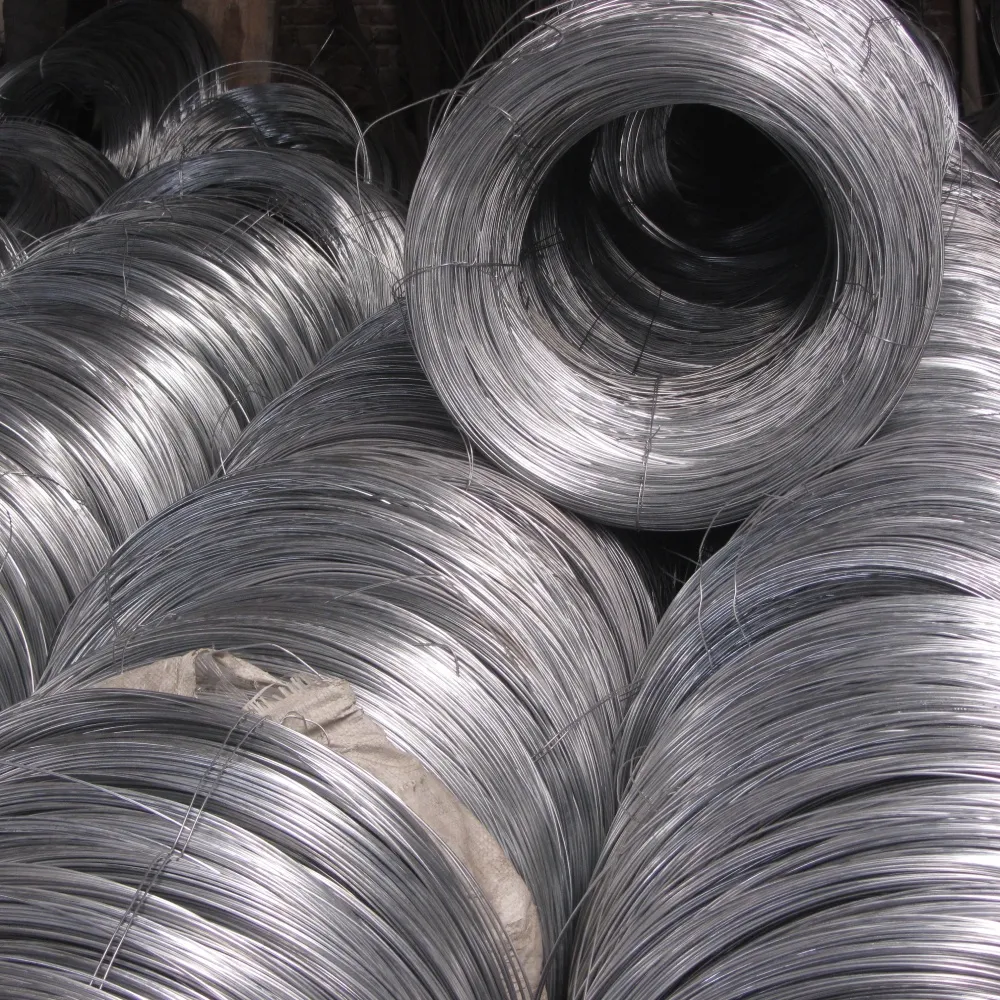
The concept itself is straightforward: use metal mesh with holes small enough to prevent rats and mice from squeezing through, yet robust enough to endure mechanical stress. But in reality, the design and manufacture of effective rat proof metal mesh involve quite a bit of engineering insight. You see, the choice of metal — often galvanized steel or stainless steel — and the weave pattern can make all the difference. For instance, I noticed galvanized steel tends to offer better cost-to-longevity balance for outdoor installations, while stainless steel shines in corrosive or food-grade environments.
Speaking of design, mesh aperture sizes typically range from 1/4 inch down to 1/8 inch for rat proofing purposes. Engineers I’ve spoken to emphasize tight tolerances here — too large and the rodents find a loophole; too small and you sacrifice airflow or increase cost without much benefit.
| Specification | Typical Value |
|---|---|
| Material | Galvanized Steel / Stainless Steel |
| Mesh Aperture Size | 1/8" to 1/4" |
| Wire Diameter | 0.9 mm – 2.0 mm |
| Finish | Hot-dip galvanized or electro galvanized |
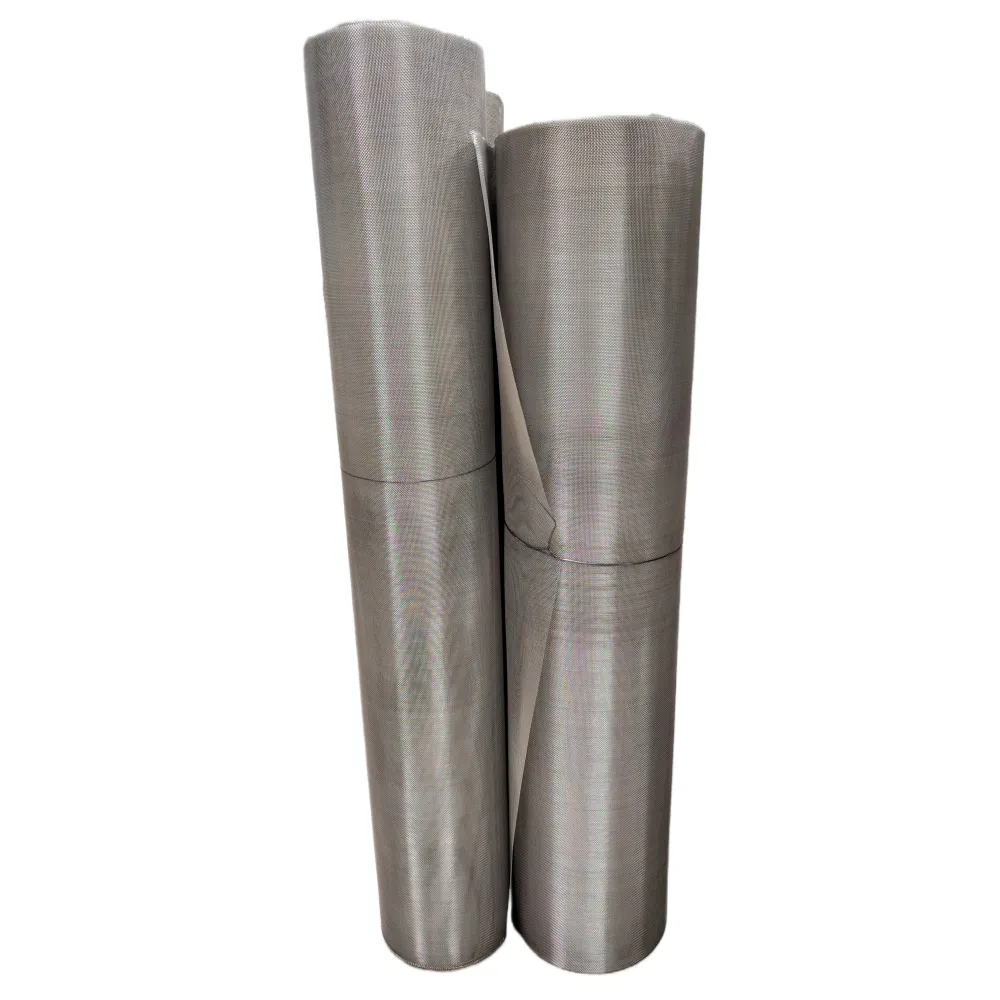
| Common Widths | 1 m, 1.2 m, 1.5 m (roll width) |
| Roll Length | 25 m to 50 m |
What really fascinates me is how these meshes are tested before they hit the market. I’ve seen rat proof metal meshes undergo tensile strength testing, corrosion resistance trials, and even real-world rodent exposure tests to verify their durability. It’s one thing for a supplier to claim “rat proof,” and another to have actual data backing it up. Honestly, that kind of transparency makes all the difference when you’re specifying materials for critical infrastructure.
Comparing vendors can get tricky, especially since many advertise similar specs. From my experience, three factors stand out: mesh quality and consistency, customization options, and lead times. I’ve cobbled together a quick comparison of typical offerings from leading vendors below — again, this may vary depending on your region and supplier but serves as a solid overview.
| Vendor | Material Options | Customization | Typical Lead Time | Certifications |
|---|---|---|---|---|
| Tike Metal | Galv. Steel, Stainless Steel | Aperture, Wire Diameter, Roll Length | 1-2 weeks | ISO 9001, RoHS |
| Vendor B | Galv. Steel only | Limited sizes | 3-4 weeks | ISO 9001 |
| Vendor C | Stainless Steel only | Custom orders only | 2-3 weeks | ISO 14001 |
To make it a bit more concrete, a client of mine once switched to using galvanized rat proof mesh from Tike Metal after constant rodent damage was bogging down their production line. Within a few months, they reported fewer downtime incidents and noted how the new mesh held up well despite heavy icing in winter months. Small investments can translate to big operational savings, clearly.
Now, if you’re considering rat proof metal mesh for your facility, take time to assess the environment — indoor/outdoor, moisture levels, chemical exposures — and your budget. Oddly enough, you’ll find that sometimes the most “industrial-grade” mesh isn’t the perfect fit if you ignore local conditions.
In real terms, the right mesh provides peace of mind. It’s that silent but stalwart barrier between costly pest damage and your day-to-day operations.
So yeah, investing in quality rat proof metal mesh? It’s a move that pays off over time, especially when sourced from a vendor that understands the nuances.
End of the day, it all boils down to reliability — and these meshes deliver exactly that.
References:
RELATED PRODUCTS






Top