Having spent well over a decade in the industrial equipment sector, I’ve come to appreciate that some of the best solutions are often the simplest—or at least the ones you tend to overlook. Raised expanded metal mesh definitely falls into that category. It’s not flashy, it’s not new, but frankly, it’s saved more than a few projects from spiraling into costly safety hazards or operational headaches.
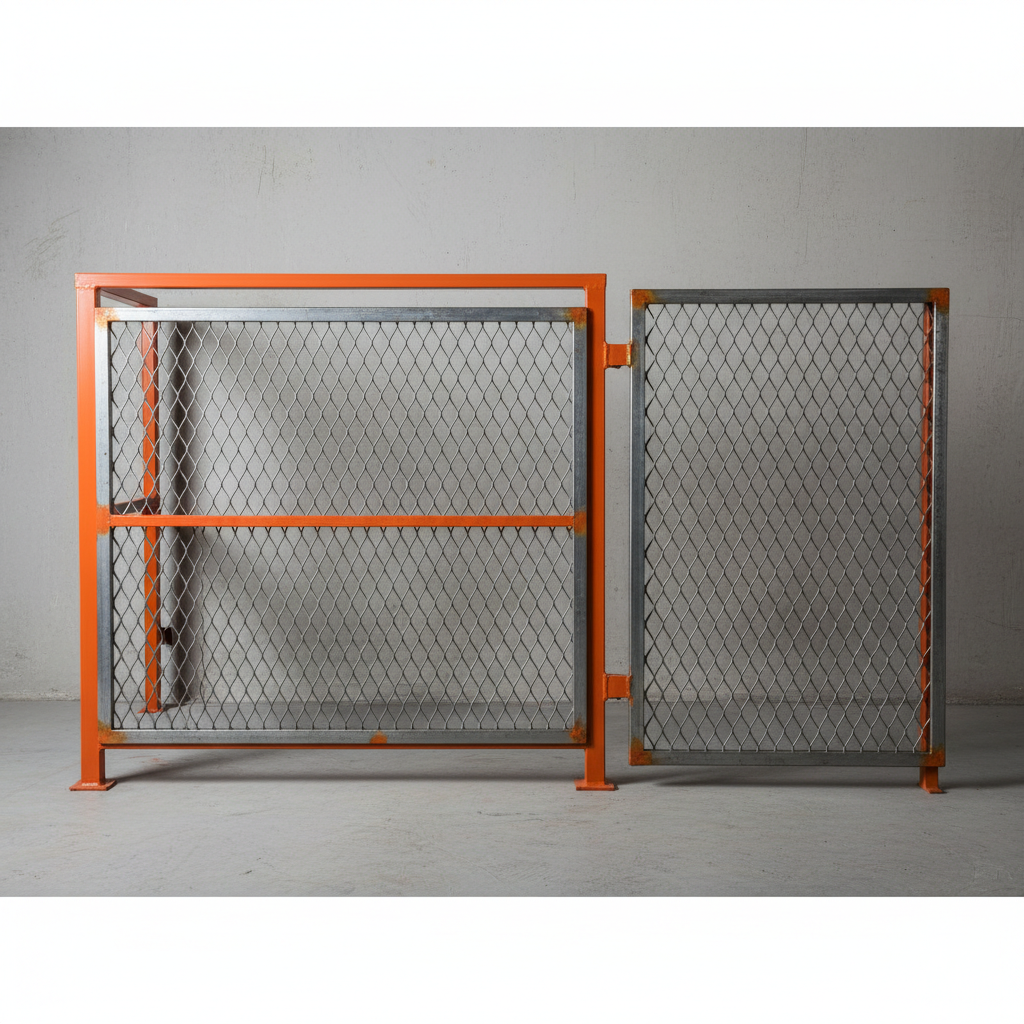
In real terms, this material is essentially a sheet of metal that has been simultaneously cut and stretched to form a diamond or hexagonal pattern—but with a twist. Raised expanded metal isn’t flat. The “raised” part means the surface has a three-dimensional texture, offering extra grip and traction, which is why it’s so popular in walkways, platforms, stair treads, and even some types of fencing.
I remember a site visit a few years back to a manufacturing plant where one of the engineers mentioned their switch from flat expanded metal to raised mesh was a game changer in terms of worker safety. Slippery floors in industrial environments can be a real danger (no surprise there), but that subtle added texture brought slip-and-fall incidents down noticeably.
Material-wise, you’ll typically find raised expanded metal mesh made from steel, aluminum, or stainless steel, depending on the application. Each has pros and cons (more on that soon), but generally speaking, the steel varieties dominate due to a solid balance of durability and cost. And yes, it can be galvanized, powder-coated, or left bare—depending on environmental exposure.
Now, customizability is another aspect that’s worth mentioning. The size of the openings (or strands), overall sheet thickness, and the height of the raised elements are all customizable, allowing engineers and designers to specify the exact balance of strength, traction, airflow, and visibility they need.
| Property | Steel | Aluminum | Stainless Steel |
|---|---|---|---|
| Typical Thickness | 12–25 gauge (2.0–0.5 mm) | 14–22 gauge (1.6–0.7 mm) | 12–20 gauge (2.0–0.9 mm) |
| Opening Size | 3/8" to 3" diamond | 3/8" to 2" diamond | 1/2" to 3" diamond |
| Raised Pattern Height | Up to 1/2" (12 mm) | Up to 3/8" (9 mm) | Up to 1/2" (12 mm) |
| Corrosion Resistance | Low to Medium (with coating) | Medium | High |
One cannot talk about raised expanded metal mesh without addressing the quality element. Many engineers I’ve worked with swear by vendors who comply with ASTM standards for tensile strength and loading requirements, but frankly, even then, it pays to request samples for testing specific to your site's needs.
To give you a clearer idea, I put together a quick comparison of some well-known suppliers below. Price points can vary a lot—usually depending on material choice, custom thickness, and pattern complexity—but it’s often reliability and delivery consistency that tip the scales when deadlines are tight.
| Vendor | Material Options | Lead Time | Customization Level | Typical Applications |
|---|---|---|---|---|
| Tike Metal | Steel, Aluminum, Stainless | 2–3 weeks | High (custom sheet sizes, patterns) | Safety floors, fences, ventilation panels |
| Expanded Metals Inc. | Steel only | 1–4 weeks | Moderate | Walkways, energy sector grating |
| Mesh Masters | Steel, Stainless | 3–6 weeks | High | Architectural facades, industrial use |
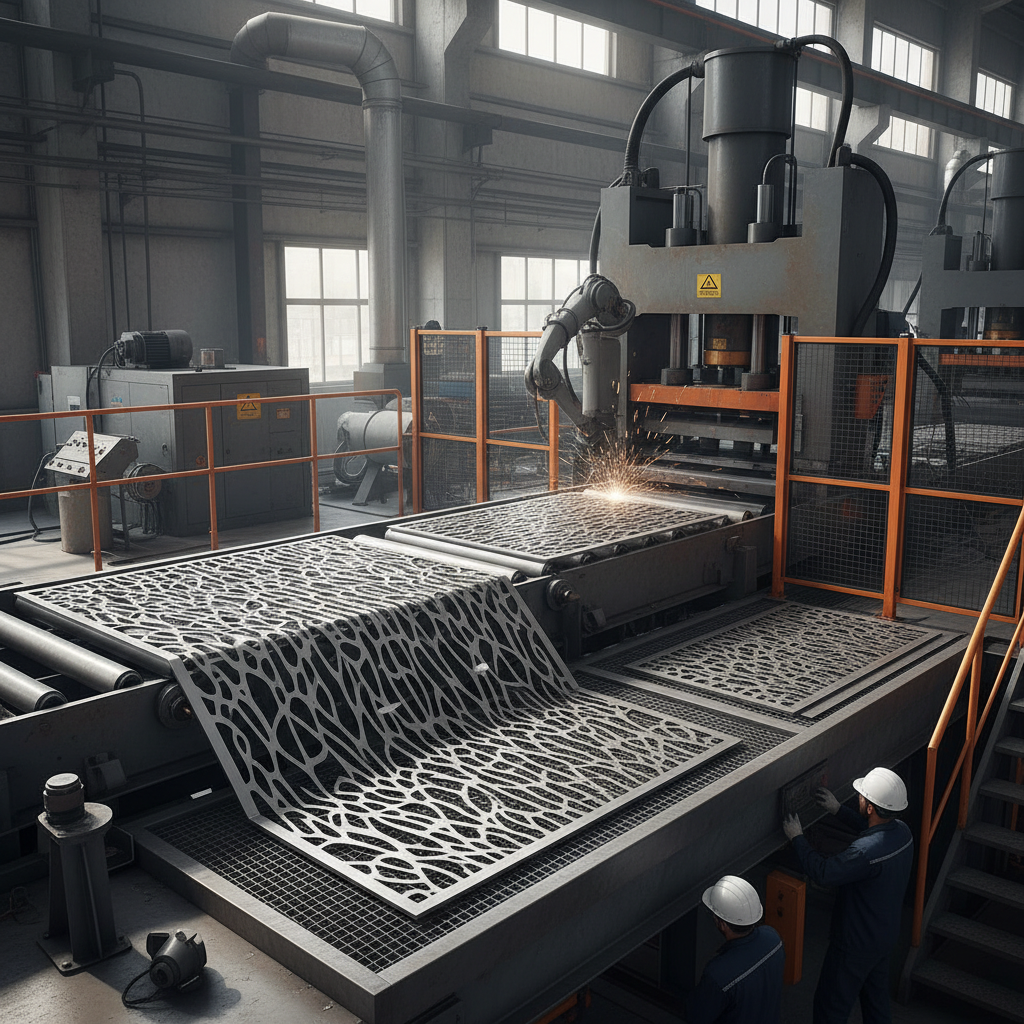
Oddly enough, one thing I’ve noticed is that despite being a simple product, the “raised” feature makes a significant difference in usability. There isn’t a whole lot of wiggle room for error in manufacturing the raised pattern—too low, and it defeats the purpose; too high, and it becomes a tripping hazard. So precision is key. Most trusted suppliers have honed their laser cutters and presses to get this just right.
To wrap it up, raised expanded metal mesh might not get the headlines, but it’s a pillar in many industrial environments. It offers a smart blend of safety, versatility, strength, and airflow that’s tough to beat. If you’re specifying material for a project where slip resistance and durability matter, it might be worth a closer look.
My takeaway? Sometimes, the simplest mesh can’ve literally supported a dozen workers’ steps safely—day after day—and there’s real value in that.
References:
1. ASTM A1011/A1011M - Standard Specification for Steel Sheet, Carbon, Structural, High-Strength Low-Alloy, High-Strength Low-Alloy with Improved Formability and Ultra-High Strength
2. Tike Metal Product Datasheets, 2023
3. Industrial Safety Reports on Slip-Resistant Surfaces, 2018
RELATED PRODUCTS





Top