Having worked in the industrial equipment sector for well over a decade, I’ve come across a surprising variety of metal products. But few have the unique blend of versatility and strength that stretched metal mesh offers. Frankly, it’s one of those materials that, once you start using it, you realize it quietly solves a myriad of challenges — whether in filtration, protective barriers, or architectural design.
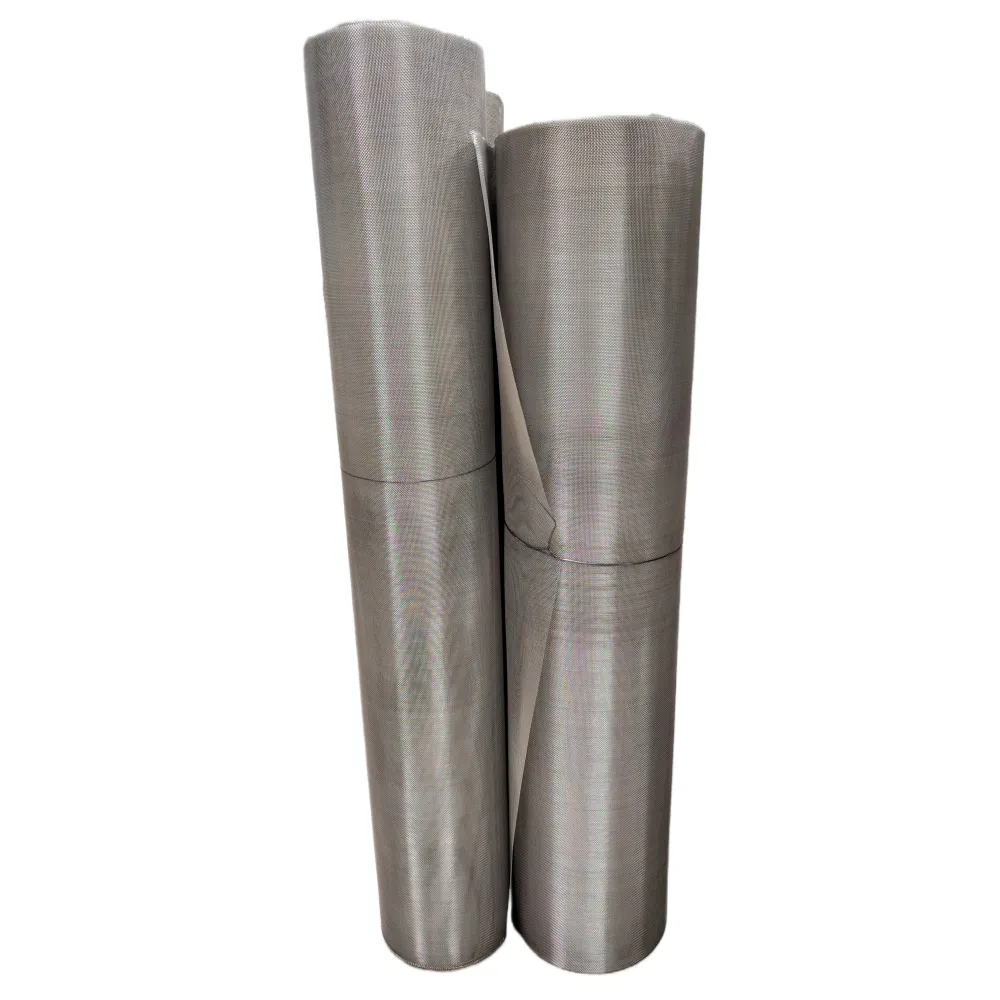
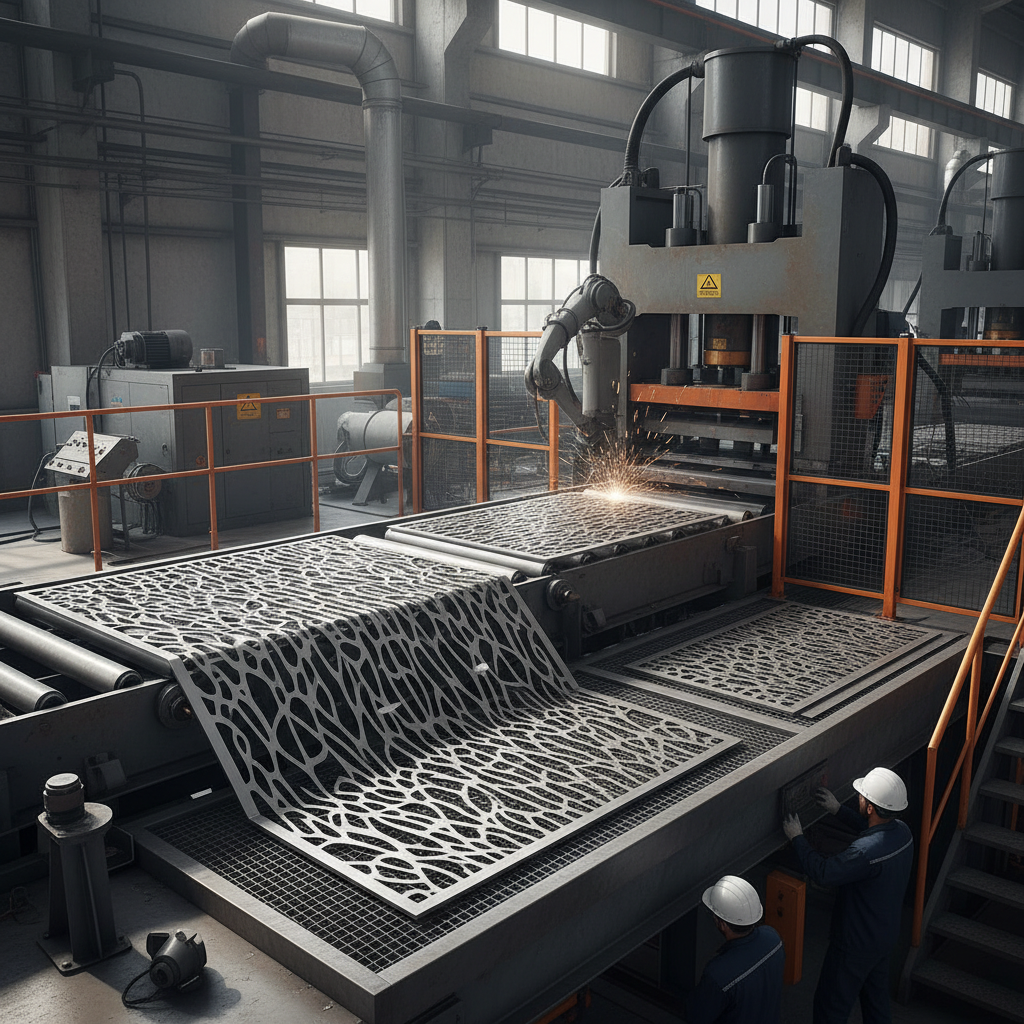
To paint a quick picture: stretched metal mesh is produced by cutting and stretching a metal sheet simultaneously. The process creates a pattern of diamond-shaped holes without any welding or weaving involved. Oddly enough, this gives a rigid, one-piece mesh that tends to be incredibly durable and uniform — the type of qualities engineers appreciate in real terms.
You might be wondering about the typical materials used. Most often, manufacturers choose stainless steel for corrosion resistance, aluminum for lightweight projects, or even specialized alloys depending on the application. The choice obviously affects attributes like weight, tensile strength, and corrosion endurance. In my experience, stainless steel meshes stand up best in harsher environments, especially outdoors or around chemicals.
Let's look at some basic product specifications that usually describe stretched metal mesh's performance:
| Specification | Typical Range | Notes |
|---|---|---|
| Material Thickness | 0.5 mm – 6 mm | Depends on load requirements |
| Opening Size | 3 mm – 100 mm | Affects airflow, filtration |
| Material Types | Stainless steel, Aluminum, Carbon Steel | Choice depends on environment |
| Weight per sqm | 3 – 35 kg | Varies with thickness & metal type |
| Maximum Sheet Size | 1500 mm x 3000 mm | Larger sizes possible by jointing |
Back in my earlier days, I remember a particular project where we needed to design walkways that had to be both slip-resistant and open enough for drainage. Stretched metal mesh was the go-to solution. It felt sturdy underfoot but still allowed debris and water to pass through with ease — a practical lifesaver on many industrial sites.
Now, when comparing suppliers, it can be a bit of a maze. You often find differences not just in price but in delivery times, customization options, and even quality certifications — which you definitely don’t want to overlook. Here’s a simplified look at what you might expect from some typical vendors in the sector:
| Vendor | Lead Time | Customization | Certifications | Price Range |
|---|---|---|---|---|
| Tike Metal | 2–3 weeks | High (custom patterns, sizes) | ISO 9001, SGS | Mid to High |
| Generic Supplier A | 4–6 weeks | Low (mostly stock sizes) | CE only | Low to Mid |
| Premium Mesh Co. | 1–2 weeks | Medium (limited sizes) | ISO 9001, UL | High |
I’d say it’s always worth asking your vendor about quality verification processes, especially if your project is safety-critical. Many engineers I know won’t take stretched metal mesh without documented tensile strength tests or corrosion resistance certificates.
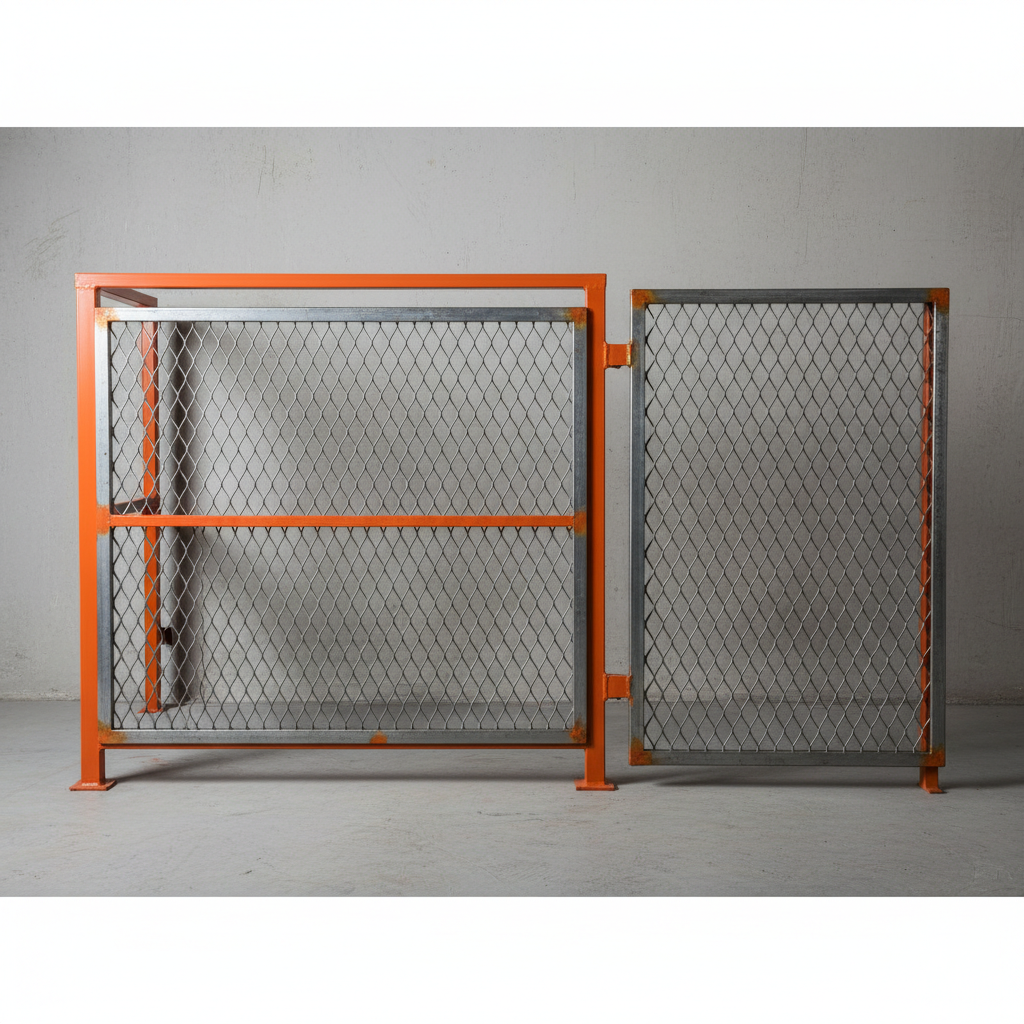
On the customization side, some manufacturers can tailor the diamond opening angle or even emboss surface textures to better suit structural or aesthetic needs. I suppose it’s this sort of flexibility that keeps stretched metal mesh so relevant across industries—from industrial safety guards, facades, to decorative façades in modern architecture.
To wrap this up — if you’re new to specifying stretched metal mesh, don’t underestimate its quiet power. It’s rugged but refined, engineered but fairly straightforward. And with a bit of experience, you’ll see why it’s a staple for so many around here.
In my own projects, it’s sometimes the unassuming materials like this that make the biggest difference.
References:
1. Industry standards documentation on metal mesh products, ASTM.
2. Tike Metal technical catalogs and ISO certifications.
3. Case studies from industrial platform walkthrough installations.
RELATED PRODUCTS





Top