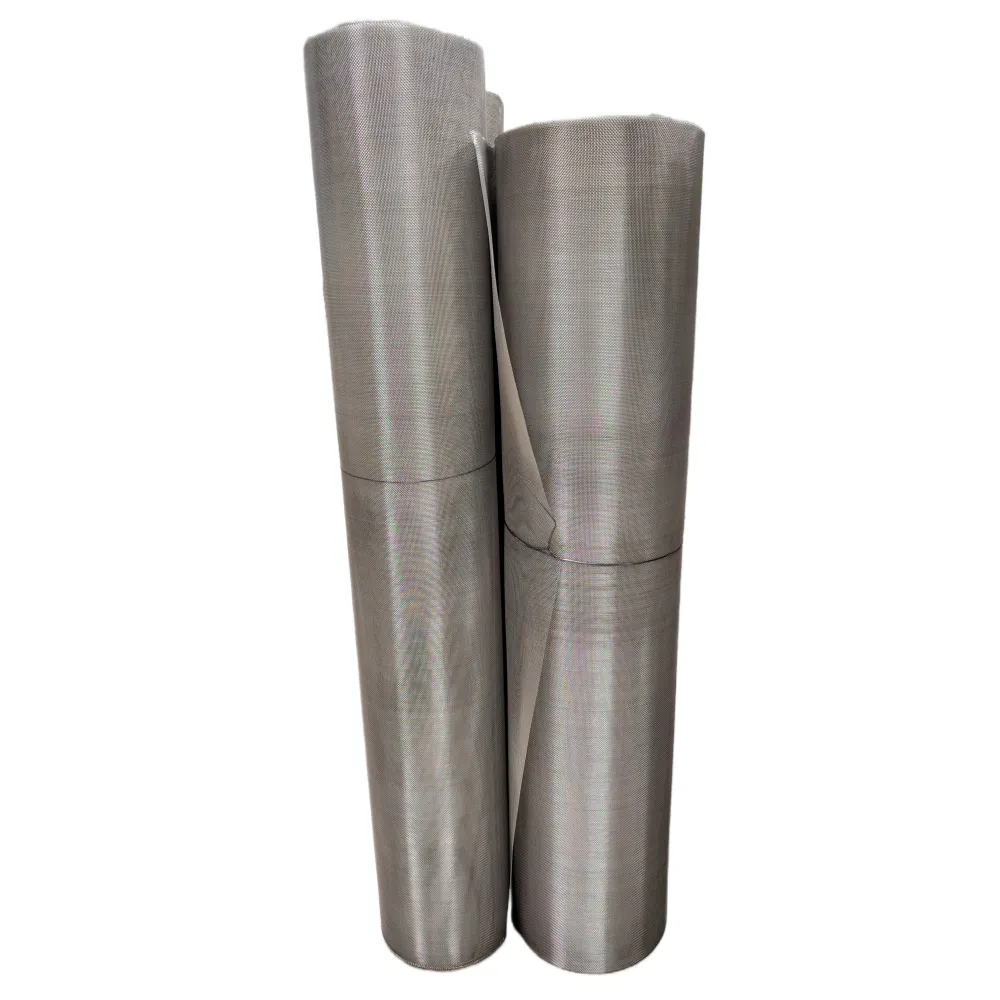
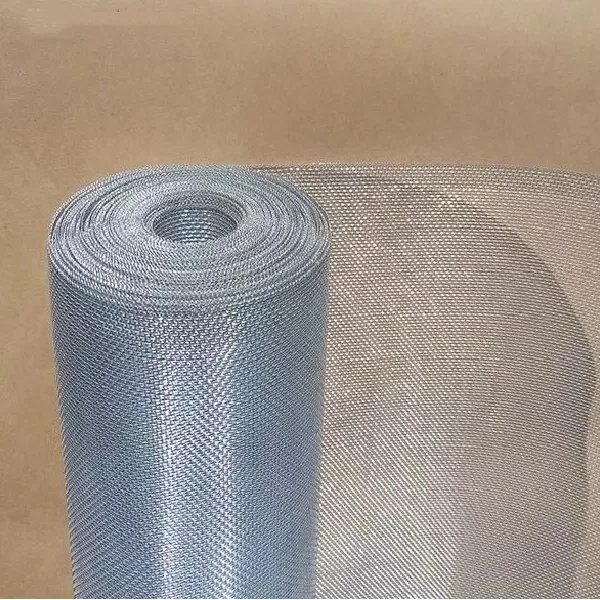
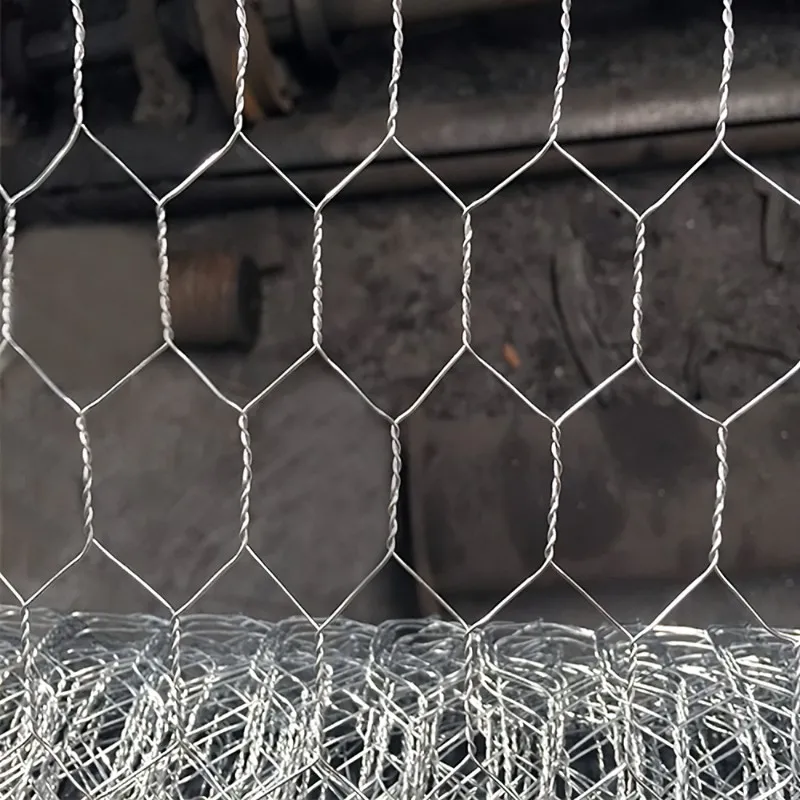
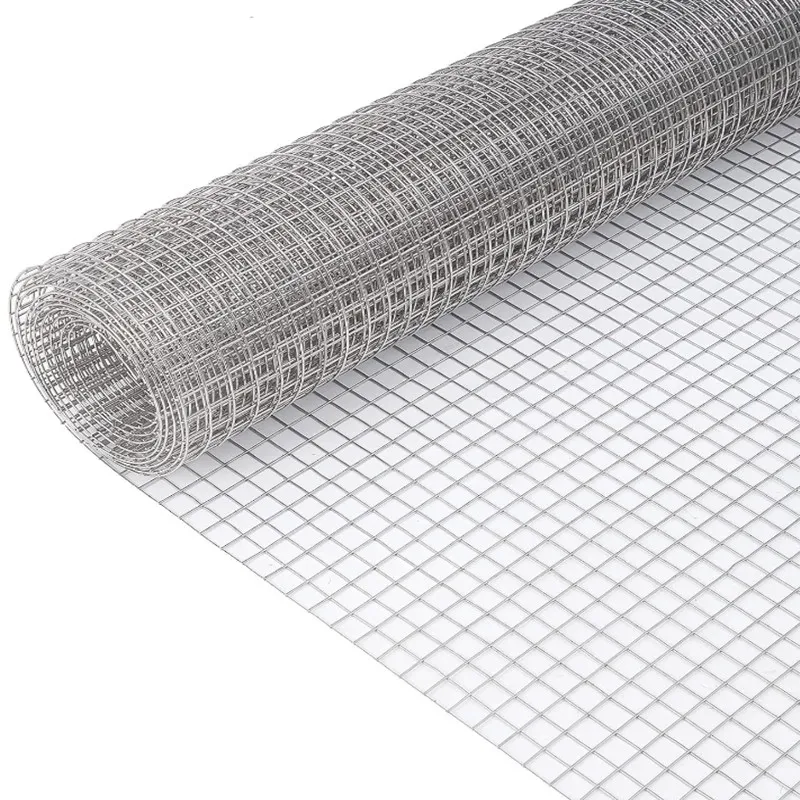
Having spent over a decade in the industrial equipment sector, I’ve come across countless components that quietly do their jobs behind the scenes. One such unsung hero is the metal mesh for vents. At first glance, it might seem like just a simple screen, but the reality couldn’t be more different. This piece of metal woven fabric is key to airflow, durability, and contamination control in many industrial systems.
In my experience, the choice of a metal mesh isn’t just about picking any steel or aluminum sheet with holes punched in it. It’s about balancing durability, corrosion resistance, airflow efficiency, and, frankly, cost. Oddly enough, these meshes can vary dramatically in weave pattern, wire gauge, and material grade – all of which impact performance on the floor.
For example, I recall a customer in HVAC manufacturing who insisted on a stainless steel mesh with a very fine weave for their venting systems. They needed it to withstand not only high airflow pressure but also exposure to mildly corrosive environmental factors. The solution? A 304-grade stainless steel, woven mesh that combined moderate aperture sizes with tight tolerances. It wasn’t cheap, but it worked perfectly and lasted several years without issues.
But what exactly should you consider when selecting metal mesh for vents? Here’s a quick rundown from the trenches:
| Specification | Details |
|---|---|
| Material Types | Stainless Steel (304, 316), Aluminum, Galvanized Steel |
| Wire Diameter | 0.2 mm to 2 mm |
| Mesh Count | 12 to 100 wires per inch |
| Weave Patterns | Plain, Twill, Dutch Weave |
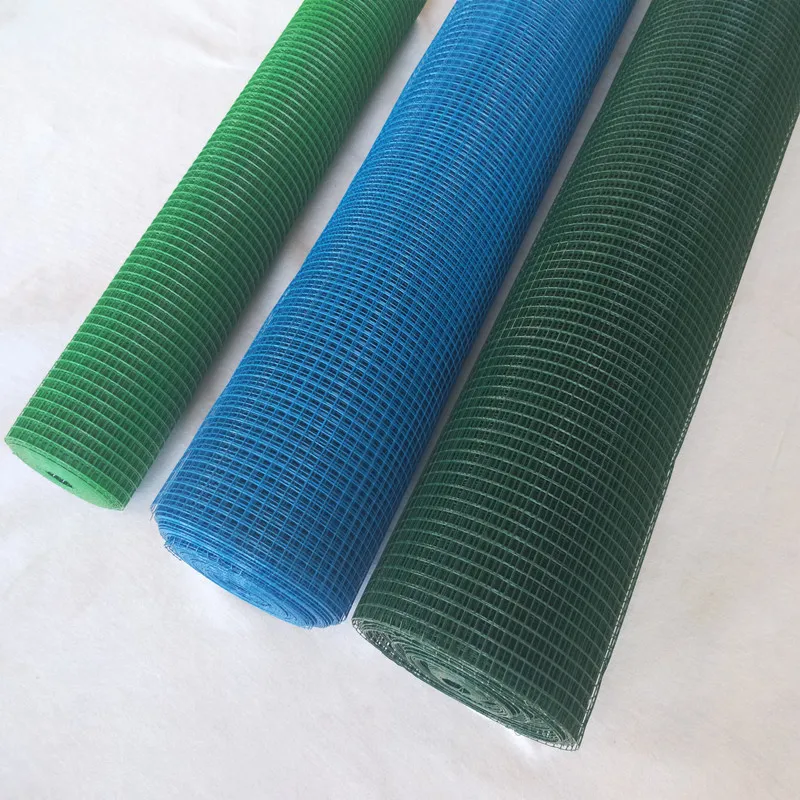
| Finish Options | Polished, Matte, Painted, Coated |
Choosing between these specs depends largely on your environmental conditions and airflow requirements. For instance, stainless steel meshes are often preferred in harsh environments due to excellent corrosion resistance, while aluminum may suffice for less aggressive conditions.
Now, I imagine you could be wondering who makes these things and how to pick a supplier who won’t leave you hanging once the project scales. From my time in procurement and quality control, here’s how some well-known vendors stack up:
| Vendor | Material Range | Customization | Lead Times | Price Level |
|---|---|---|---|---|
| Tike Metal | Wide (SS, Aluminum, Galvanized) | High (Precision Cuts & Weaves) | 2-4 Weeks | Moderate |
| Standard Mesh Co. | Stainless Steel only | Limited | 4-6 Weeks | Low to Moderate |
| Industrial Wireworks | Aluminum & Galvanized) | Medium | 3-5 Weeks | Moderate to High |
What struck me working with Tike Metal was their ability to balance quality and turnaround time without breaking the bank. It’s not just marketing fluff — their attention to weave precision and metallurgy genuinely helps avoid headaches down the line. I’ve seen countless times how a poorly made mesh leads to vent clogging or rust, which ultimately slows production or requires costly replacements.
Customization often proves crucial. The ability to specify exact wire diameters or weave patterns means that you’re not shoehorning a generic screen into your application, but rather, integrating a component tailor-made for your system’s airflow and filtration demands. Plain weaves are common, but when you need finer particulate filtering, Dutch weaves come into play — and that’s where expert suppliers really shine.
Ultimately, metal mesh for vents might sound trivial until you realize how its specs influence rust resistance, air volume, noise levels, and system longevity. If I were advising a new plant manager or design engineer, I’d say: Don’t cut corners here. Over the years, I’ve noticed how small upfront investments in quality mesh pay dividends in reduced maintenance and improved operational uptime.
So next time you look at vent covers or filtration screens, remember there’s an entire world of engineering and craftsmanship woven into those tiny metal strands. It feels like a small thing but can make a big difference — and frankly, isn’t that what good industrial design is all about?
By the way, if you want to explore metal mesh options with a proven partner, I’d suggest hopping over to Tike Metal’s site— they’re a solid bet in this space.
Reflection: Working hands-on with metal mesh solutions has been surprisingly rewarding — it’s one of those components you rarely think about till it’s not performing right. Now I can’t help but appreciate the subtle but vital role it plays on every job site.
References:
1. “Metal Mesh Materials and Applications.” Industrial Fabrication Journal, 2022.
2. Customer feedback data, HVAC Sector, 2019–2023.
3. “Weave Patterns and Airflow Efficiency Study,” Materials Science Review, 2021.
RELATED PRODUCTS





Top